Forge your Beskar: A complete guide to 3D printing of Mando helmets
Din Djarin’s glitter, terrible helmet (and countless other Mandalorians!) captures the right imagination Star Wars Fans and role-players. To achieve this iconic, the Beskar look that beats the battle seems daunting, but 3D printing makes it easier to get than ever before. This complete guide will take you on the entire journey whether you are a dedicated DIYER or seeking professional manufacturing expertise to convert digital files into tangible Mandalorian Glory.
Why 3D Print Your Mando Helmet?
- Final Customization: Unlike store-bought helmets, 3D printing unlocks unique designs – from Din Djarin of Pedro Pascal to Boba Fett Classics, Angular Style of Bo-Katan, and even your own custom Beskar Creation.
- Perfect zoom: The software allows you to accurately scale the helmet model to fit comfortably on your head, ensuring the true look and practicality of extended wear.
- Material selection: Features of tailor-made helmets – with affordability of PLA, durability/chemical resistance of ABS/ASA, flexibility of TPUs with washers, and even exploring advanced composite materials.
- Satisfaction with creation: It’s proud to wear your well-crafted clothes.
3D Printed Mandalorian Helmet Journey: Step by Step
Phase 1: Design and Preparation
- Find the correct model: Sources from reputable markets (such as cults3d, myminifactory or dedicated role-playing sites) are not derived from Mando Helmet STL files. Looking for obvious marking variants (Season 1, Season 2, Boba Fett prototype, "clan") and verify the proportion/printability details. Popular designers usually include supporting documents.
- Slicing strategy: This is very important!
- sizing: Load the model into a slicer (Cura, Prusaslicer, Bambu Studio). Vertical and horizontal measurement of head circumference. Scale the model accurately to ensure comfortable clearance (about 25mm around the head). Consider adding a zoom reference mark during the design phase.
- direction: Print the dome on critical jaw/stress points for optimal top surface quality and strength, although it requires a lot of support structure inside. The dome reduces support downward, but the risk can be visible on the helmet crown or imperfections.
- support: Basic! Use the tree’s support (more efficient and easier to remove) or dense linear support for the dome interior and visor area. AIM is only supported if it absolutely requires a minimization of cleaning. Use edges for adhesion.
- Layer height: 0.2mm provides good detail and speed balance. 0.15mm or 0.12mm can significantly improve the finish, but increase printing time.
- filling: 10-20% is usually enough (strong ability mode, fast). If needed, the critical structural areas (the jawbone below) will increase to 30-40%.
- Walls/Around: Increase to 4-6 perimeters for added strength, especially on edges and critical seams.
- Optimized materials: Adjust the temperature, cooling and speed according to your specific filaments (PLA, ABS, PETG).
Phase 2: Print
- Machine selection: FDM (wire) printers are the most common. Larger build volumes are essential (ideally > 300mm high). Make sure your printer is carefully calibrated (bed, E steps, temperature tower).
- Materials Important:
- PLA: Ideal for beginners. Easy to print, detailed results, rich colors. Disadvantages: Cold, fragile in the cold, easy to distort under finishing heat, and low long-term durability.
- ABS/ASA: Preferred users. Higher heat resistance, high toughness, can be used for steam smoothing of seamless finishes. The shell that needs heating is discharged.
- PETG: The balance between PLA and ABS. Good toughness, chemical resistance, easier to print than ABS, and less fragile than PLA.
- Printing phase: This could be a long print (30-70+ hours). Monitor the first few floors closely. Ensure consistent cooling after layers 5-10. Minimize draft! A 40-hour failure is devastating.
Phase 3: Postprocessing – Where the magic happens (start working!)
- Cleaning and assembling (if divided into sections):
- Support removal: Carefully trim with rinsing cutting machines, knives or needles for pliers. Patience is the key to avoid digging surfaces.
- Grinding: Start with rough (120-220 particle size) for main support scars and then carefully progress through grit (400-> 600-> 800-> 800-> 1000-> maybe 1500+) to make it smoothly base. Wet sand helps prevent clogging and achieve a finer finish. The resin filler can help mix the layer lines before final polishing.
- glued: For multi-part prints, use high-quality plastic adhesives (PLA: specialized PLA glue or Ca glue; ABS: acetone slurry or ABS specific adhesive). Clamps firmly. If possible, reinforce the main seams with fiberglass. Bondo/Tiger Hair Spot Putty is crucial for main seam filling and contour.
- Convert plastic to beskar: Surface finish
- start up: Use a high-build, sandy automotive primer filler. A multi-layered coat is better than a thick coat. The sand between the coatings (400-600 particle size) reveals lower spots.
- painting:
- Primer: Apply a metal primer. Chrome spray paint provides a basic look. Car metal elements like Spaz Stix Ultra Chrome or Alclad II Chrome produce amazing results on a glossy black foundation. Dark lapis lazuli accents considering contrast.
- weathering: It is crucial to the appearance of life. Rub into the gap using a washing solution (dark acrylic paint, thinned with water/flow assist). Simulate wear with a brush drying silver or jar on the edge. Use masking fluid or "Hair spray technology" Add realism. The spray gun dirt stripes complete the effect.
- Sun visor: Trim the car’s dark green or smoked welding visor (Suggested Visibility #5 Shade). Securely secured with adhesive and invisible edges and secured with weather peel or urinary foam.
- liner: Add soft filler (interior foam, self-adhesive helmet pad) for comfort and fit. Consider the internal strap system.
- Audio technology: Add a voice modulator to the real Mando voice.
Boosting your Beskar: Professional Metal Options
While plastic printing is accessible, the true Mandalorian spirit often longs for Bescar’s ultimate representation: Metal.
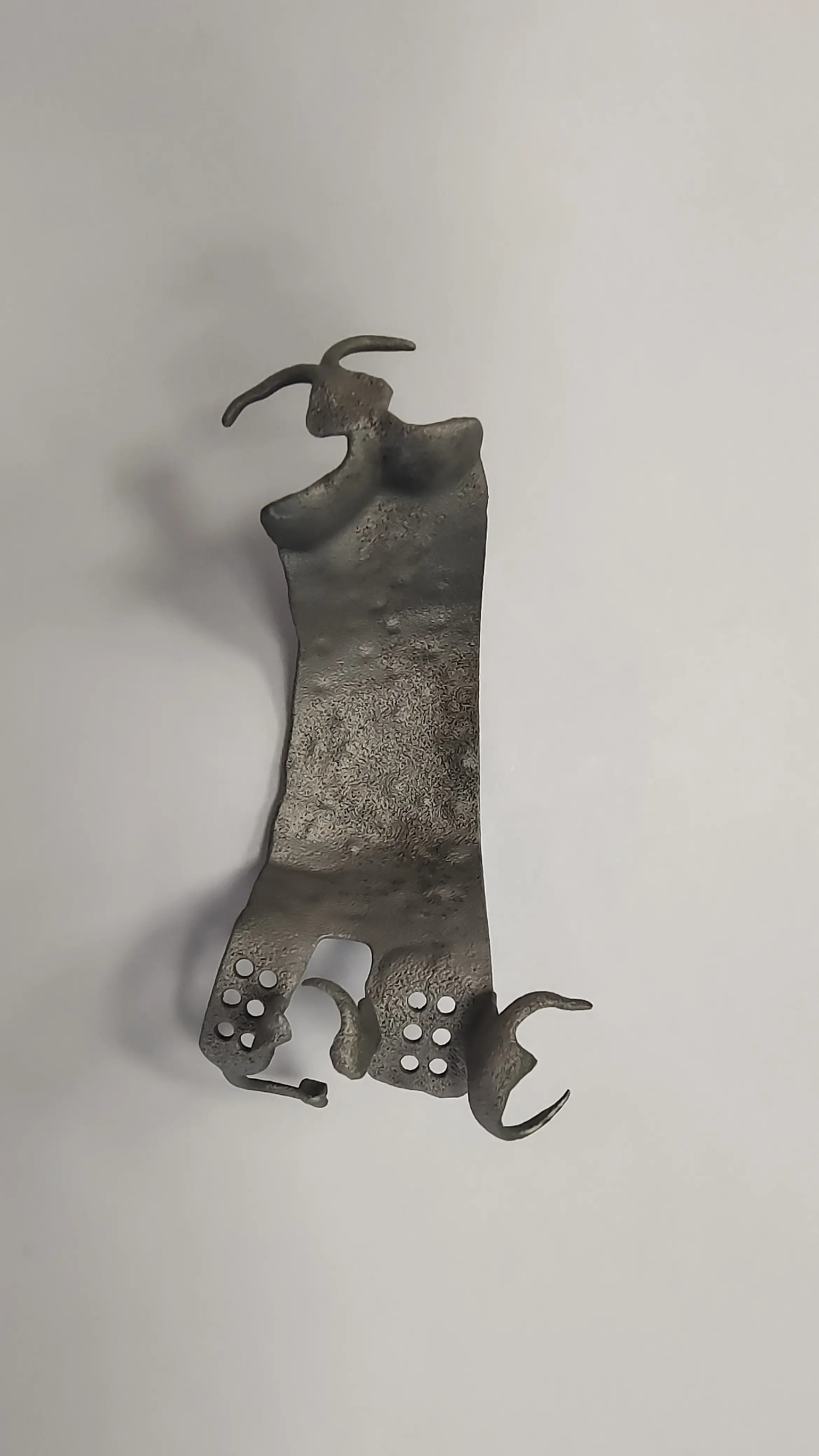
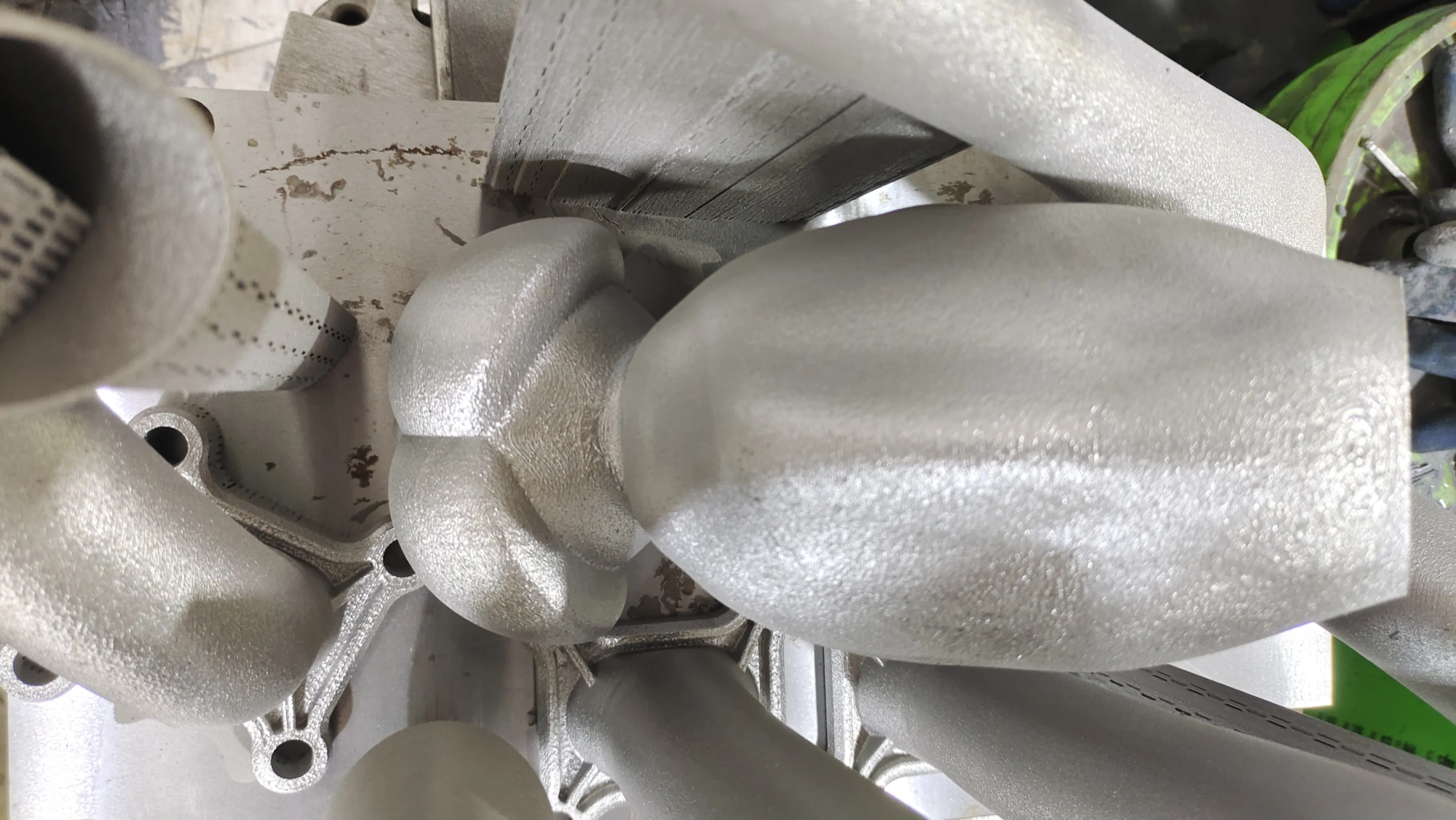
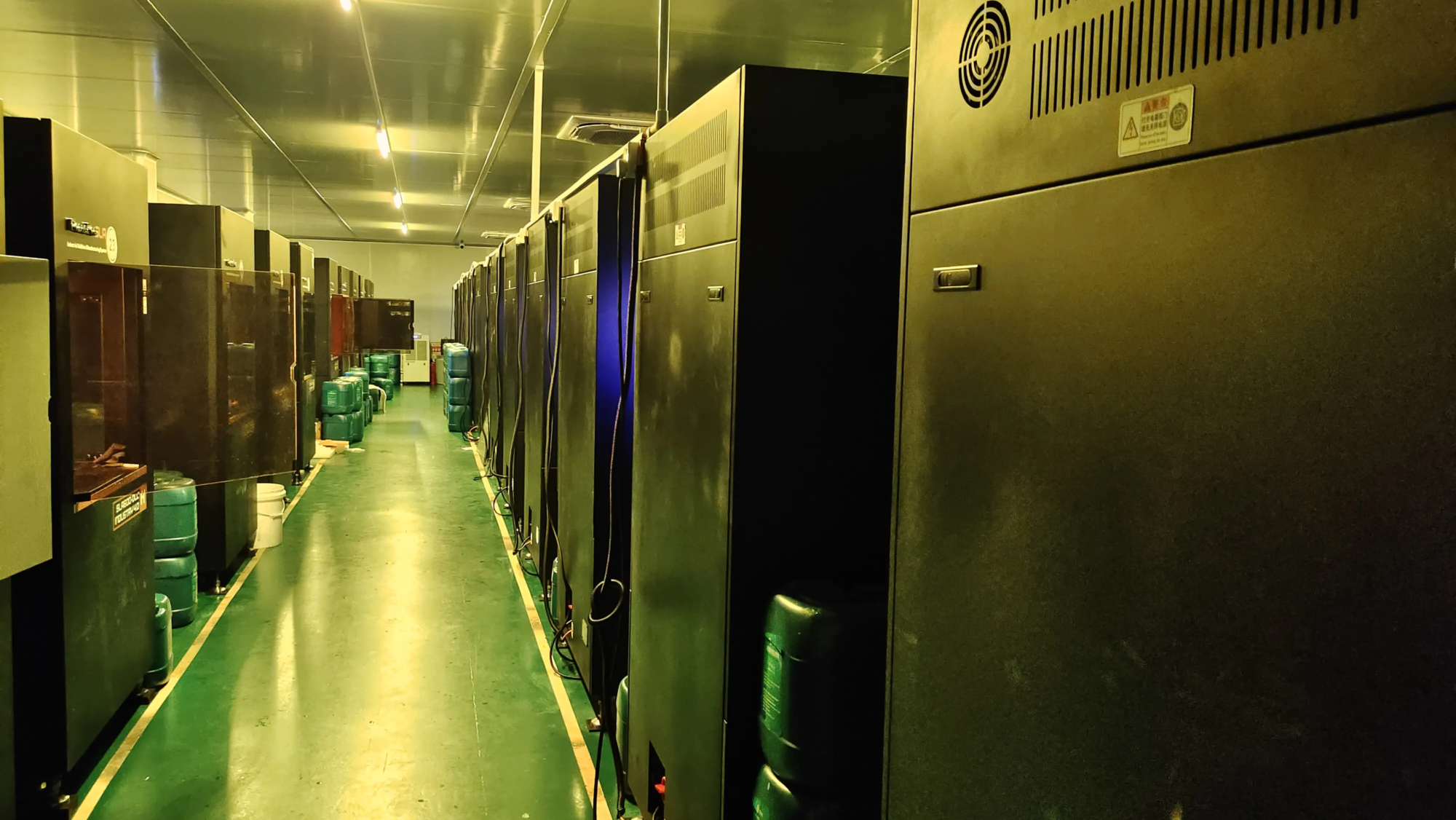
- Direct Metal Laser Sintering (DMLS/SLM): Techniques like selective laser melting (SLM) Great Mandor helmets can be made from actual aerospace grade metals such as aluminum alloy or titanium. This is not a fan equipment, but industrial-grade manufacturing that produces completely intensive, incredibly precisely sized metal parts.
- Great Advantages:
- Advanced SLM technology: Accurately fusing metal powder layer by layer with high power lasers achieves excellent resolution and structural integrity, far beyond FDM plastics. Ideal for intricate Mandalorian details.
- Material expertise: Experienced experience machining harsh metals, lightweight properties and stunning metal finishes (can polish the original metal to an excellent sheen).
- Full-service solutions: In addition to printing, Great Provides critical post-treatment: Professionally support disassembly, helps with key functions for tight tolerance machining (positioning holes, sunshade refinement), polishing, surface texture, protective coating (for aluminum anodes) and ultimate assembly. This turns complex metal prints into wearable real masterpieces.
- Rapid Prototyping Excellence: As a leading rapid prototype manufacturer, Great Excellent on fast iterations and complex geometry, ensuring your custom Mando vision is implemented efficiently.
- Custom features: Beyond Replicas – Collaborate on designing a completely unique beskar helmet that reflects your Mandalorian character.
Conclusion: Your Beskar legacy is waiting
3D Printed Mando Helmet is an epic project that combines craftsmanship, technology and pure craftsmanship Star Wars enthusiasm. From choosing the perfect STL to countless hours of polishing and painting, every step can create truly unique wearable art. Whether you are on a meaningful DIY journey through FDM or through a quick prototyping expert (e.g. Greatthe power of creating your legacy lies in your hands (and printer!).
Ready to bring the road of Mandala to life? Launch your print, or explore the ultimate Beskar option with a trusted manufacturing partner.
FAQ: Answers to your Mando helmet 3D printing question
Q1: How long does it take to 3D print a Mando helmet?
Answer: The printing time varies greatly. High-quality solid FDM printing can take 30 to 80 hours in multiple parts, depending on size, height, filling, support density and printer speed. Metal SLM printing is also a multi-day process, thanks to its accuracy, but professional post-processing efficiency has benefited a lot.
Q2: What is the minimum printer size?
A: You need a Z-height (height) printer of at least 280mm, and it is highly recommended to use a 300mm+ printer for the most popular helmet models or to print out in just a few parts. Check the size of your specific STL.
Q3: PLA, ABS, and PETG – Which is the best?
one: PLA: The easiest, the details and affordable for beginners. Best for display or minimal processing. ABS: The first choice is heat-resistant and heat-resistant wearable device; the steam is smooth. Experience and a closed printer are required. PETG: Excellent middle position: stronger than PLA, easier than ABS, and good weather resistance. A solid choice for functional helmets.
Question 4: How do I deal with the large amount of support structures internally?
Answer: Carefully slice and optimize! Use tree support whenever possible. Angle supports the interface layer (roof/floor) to ~45 degrees for easy separation. Calibrated support distance (Z-GAP). Be patient during removal – use fine tools. Consider printing in a feasible direction without sacrificing critical surface quality to minimize internal support.
Q5: What paint should I use to make the chrome/metal BESKAR look?
Answer: For DIY:
- Budget: Mirrored chrome spray paint (Mtouchup molotow Chrome works well if used correctly).
- High-quality: Automotive metal paint applied with a spray gun produces the best results:
- Apply a super smooth glossy black primer.
- Use high-end chrome paints, such as Spaz Stix Ultimate Mirror Chrome, Alclad II Chrome or Mr. Hobby Super Metallics.
- Sealed very gently (if any) with an acrylic clear coating (gloss) to prevent staining. Avoid heavy coats with dull light.
Q6: Is it safe to wear a 3D printed plastic helmet?
A: As long as it is made of non-toxic filaments (PLA, PETG, ABS/ASA) and constructed with good glue joints and internal fill to prevent direct head impacts on hard plastic edges, it is usually safe to show cosplay display and walk around. It is crucial that you do not rely on any 3D printed helmet (plastic or metal) to prevent riot, impact resistance or motorcycle/sports safety. They are Not a safety helmet. Metal helmets from SLM, although very aesthetically strong, are not designed or tested in accordance with safety standards such as ECE or DOT.
Question 7: It can be done well Metal I command the helmet?
one: Yes, absolutely. Using state-of-the-art selective laser melting (SLM) industrial printers, Great Often, highly sophisticated metal parts are produced, including custom helmets. They can be created with aluminum alloys such as ALSI10MG or 7075 or other metals such as stainless steel, providing unparalleled Beskar authenticity and durability. They offer full service: prototype consultation, printing, expert post-processing (processing, polishing, coating) and finishing. Contact them for customization and feasibility.
Question 8: What are the main differences between DIY FDM and professional SLM metal printing?
- Material: FDM = Plastic (PLA/PETG/ABS). SLM (Greglight) = dense aerospace metals (aluminum, titanium, etc.).
- Strength and durability: SLM metal is unparalleled and has greater resistance to deformation, scratches and heat.
- weight: SLM metals (especially aluminum) are heavier than FDM plastics.
- Surface finish: SLM requires significant post-processing, but can achieve amazing raw metal or polishing effects that FDM cannot match. FDM requires a lot of filling/sanding/painting.
- Details and solutions: SLM has near anisotropic details and thin walls.
- Cost and Complexity: SLM is obviously expensive and requires industrial expertise (design support, printing parameters, post-processing).
- Target: FDM is used for accessible DIY role-playing. SLM is used for premium, custom, near-screen refined metal artwork.