Embracing the Future: A Comprehensive Guide to HO-Scale 3D Printing
Model railroading has always been a hobby that combines artistry, engineering and nostalgia. For fans of HO scale (1:87 scale), achieving realism requires meticulous attention to detail. 3D printing is a revolutionary tool that enables unprecedented customization and precision. Whether you’re building a complex locomotive, a landscape structure or a functional track component, this guide will demystify the process and show you how to combine DIY techniques with professional services such as huge light Can enhance your project.
Why 3D printing will change HO scale modeling
Traditional model making relies on mass-produced parts, limiting customization. 3D printing changes the game:
- hyper-personalization:Create unique rolling stock, era-specific architecture, or rare prototypes that are not commercially available.
- Cost effective: Print replacements for damaged parts instead of buying the entire kit.
- Expandable details: Boiler rivets, window frames or bridge girders are realized with an accuracy of 0.1 mm.
Choose your technology: FDM vs. resin printing
Not all printers can meet the delicate requirements of HO scales. Their comparison is as follows:
FDM (Fused Deposition Modeling)
- advantage:
- Affordable, user-friendly machine.
- Durable components for trackside structures or sturdy trucks (using PLA, PETG).
- shortcoming:
- Visible layer lines may need sanding/filling.
- There is limited detail on tiny elements such as handrails.
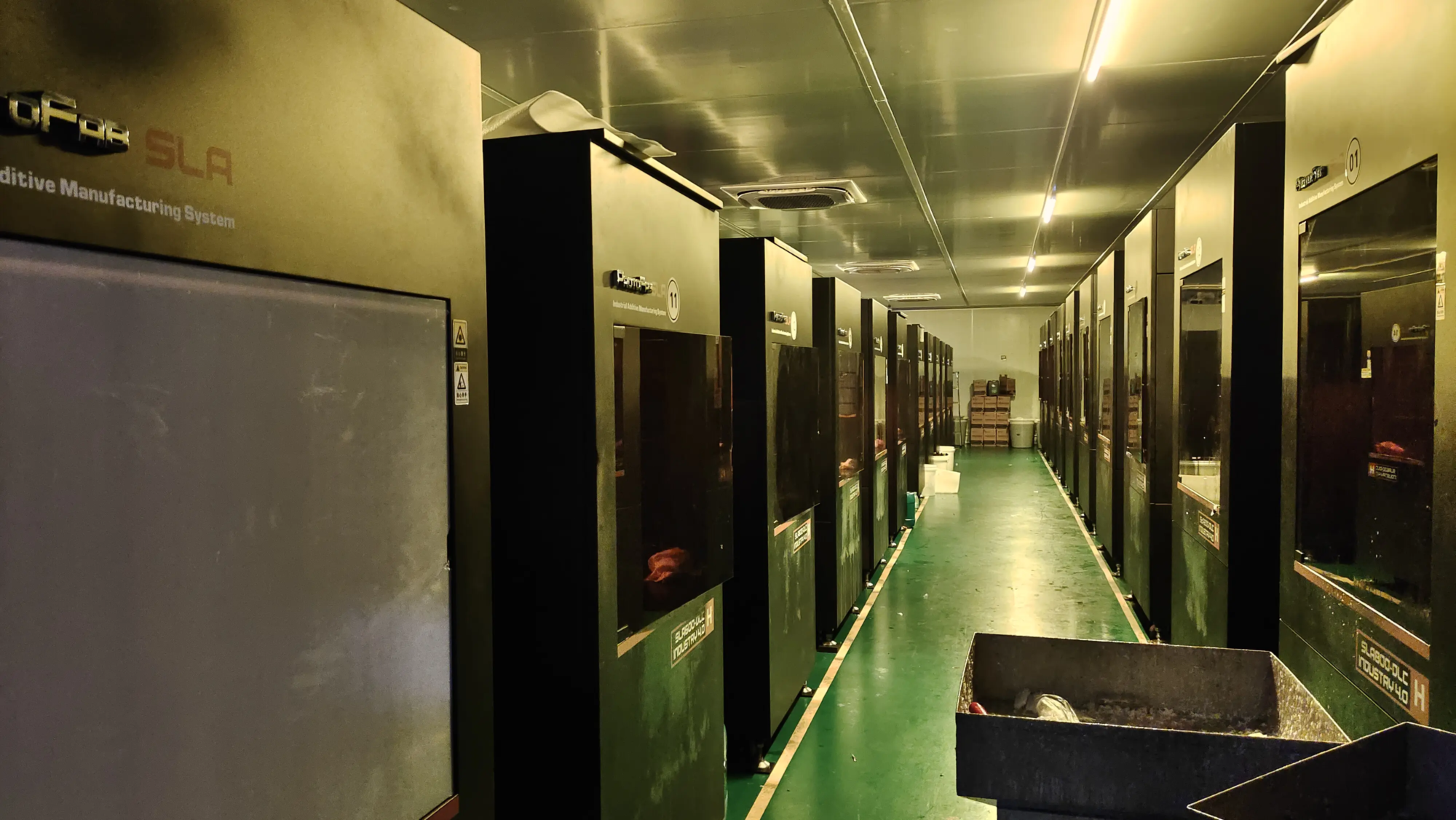
Resin (SLA/DLP)
- advantage:
- Capture submillimeter detail – perfect for figures, vents or motorcycle accessories.
- Smooth surface finish minimizes post-processing.
- shortcoming:
- Fragility: Standard resin parts may crack under pressure.
- Requires chemical cleaning and UV curing.
judgment: Use resin for complex components and FDM for structural parts.
Design Success: From CAD to Reality
Main design principles:
- Scale accuracy: Make sure the dimensions are accurate (e.g. 40ft boxcar = ~137mm).
- wall thickness: Minimum 0.8mm for FDM; 0.5mm for resin. Reinforce load-bearing areas.
- Support and drape: Angled elements >45° usually require supports – design them to separate cleanly.
Software tips:
- Tinker CAD For beginners; Fusion 360 or mixer For complex designs.
- For slicing litchi (resin) or Prusa slicer (FDM) for optimal settings.
Materials Matter: Plastics vs. Metals
plastic:
- People’s Liberation Army: Easy to print, but can become brittle in cold environments.
- ABS: Higher heat resistance, ideal for layouts close to lighting.
- Engineering resin: Tough resin like Siraya Tech Blu to withstand operating stress.
Metal:
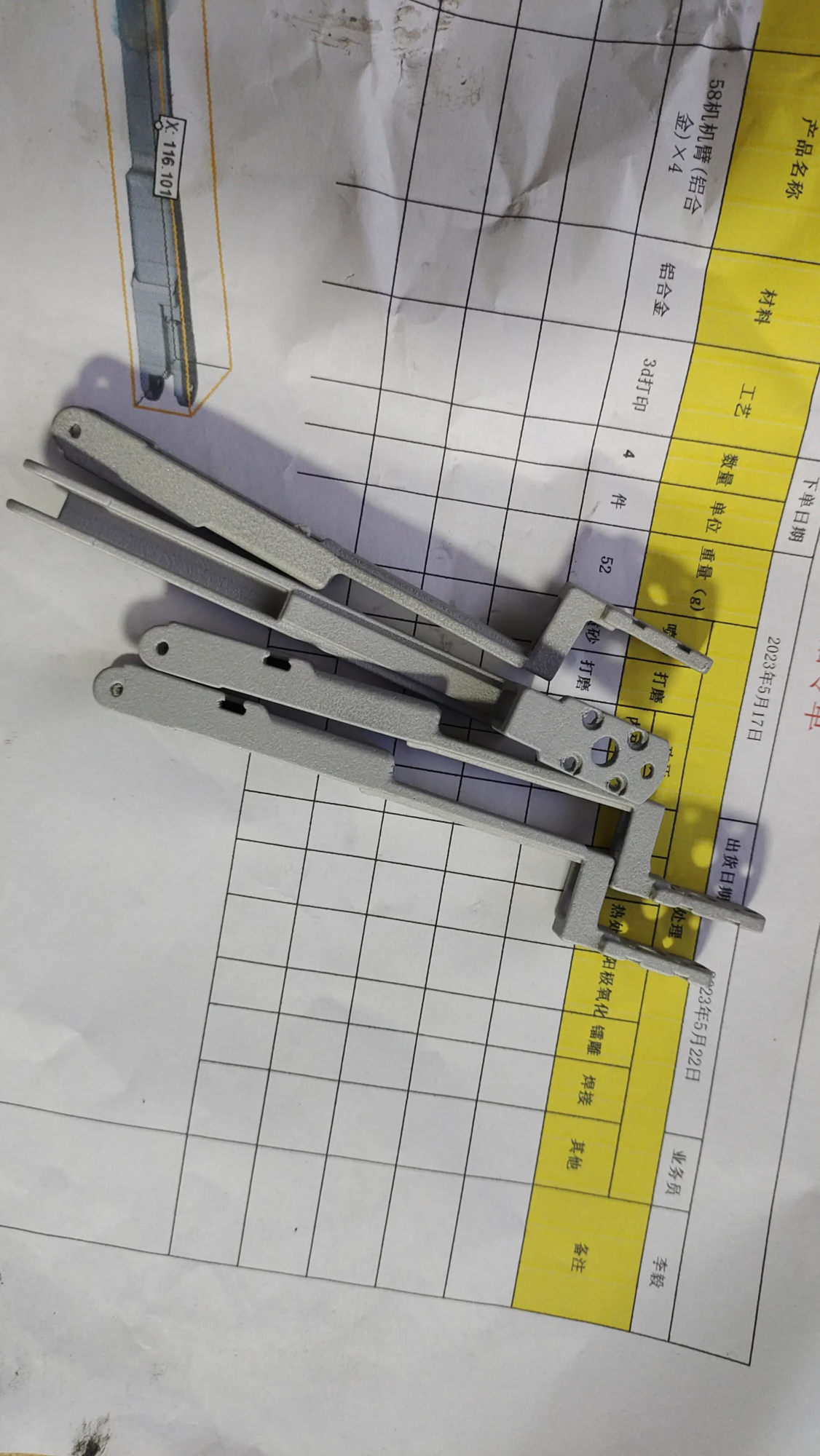
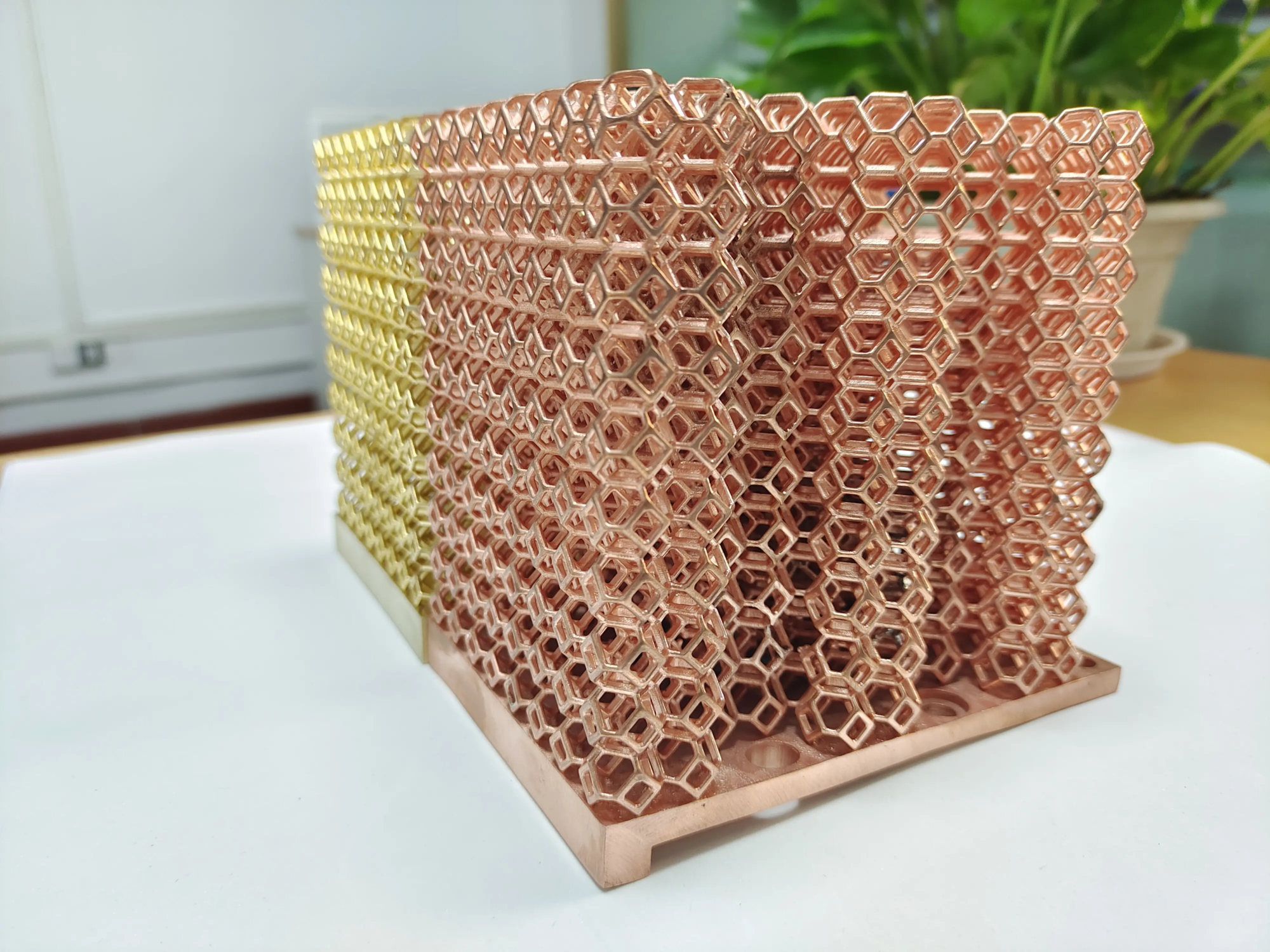
For gears, couplers or chassis that require extreme strength and longevity, Metal 3D printing Excellent performance. This is where working with rapid prototyping experts, e.g. huge light become priceless. use SLM (Selective Laser Melting) technology, they produce stainless steel, aluminum or titanium parts that are able to withstand stress and maintain accuracy down to ±0.025 mm, which is critical for functional HO mechanisms.
Post-processing: from rough print to museum quality
- clean: Gently remove support; clean resin print with isopropyl alcohol.
- maintenance: Print with UV-cured resin for 20 minutes; bake FDM parts at 50°C to relieve stress.
- surface refinement:
- Sand Tips: Start with 400-grit sand; surface with 2000-grit sand for a glass-smooth surface.
- Primer: Apply filler primer to FDM parts to hide layer lines.
- Professional organization: For metal or high-volume projects, leverage glorious Post-processing services, including CNC machining, sandblasting or powder coating, for perfect cosmetics.
Why work with Gretel?
While DIY printing can handle many HO projects, certain challenges require professional solutions:
- metal parts: Functional couplers, drivetrains or weights that require toughness.
- complex geometric shapes: An advanced SLM printer is required to print parts with internal channels or thin walls.
- One-stop completion: From polishing to painting, GreatLight streamlines production.
As China’s top rapid prototyping manufacturer, huge light Combining cutting-edge SLM machines with aerospace-grade materials, rapid customization and strict quality control. Their expertise ensures your designs translate into durable, precision metal parts, ideal for taking HO scale realism to the next level.
in conclusion
HO scale modeling is no longer limited to off-the-shelf kits. With 3D printing, you can control every rivet, every shade, and every story the layout tells. By mastering FDM/resin technology and passing huge light——You gain unlimited creative freedom. Start with small prints, perfect your process, and watch your miniature world flourish.
FAQ
Q1: Can HO scale models be printed on any consumer 3D printer?
Yesbut resin printers such as the Anycubic Photon provide finer detail. FDM printers can handle larger elements such as terrain by modifying the settings (0.2 mm nozzle).
Q2: How to ensure that the printed train cars run smoothly?
There should be a gap (0.3–0.5mm) between the rim and the track when designing it. Use metal shafts to reduce friction; GreatLight can print ultra-smooth stainless steel wheels.
Q3: Is resin printing safe to use at home?
Things to note: work in a ventilated space, wear gloves/mask when cleaning, and dispose of residue properly.
Q4: What materials are most suitable for outdoor layout?
UV resistant resin (vegetable blend) or PETG filament to withstand sunlight/weather. GreatLight’s metal offers unparalleled durability.
Q5: Can GreatLight print the entire HO motorcycle?
they specialize in Functional metal parts. Complex multi-material mixes (e.g. plastic body + metal drivetrain) are ideal – send them your CAD to optimize assembly.
Question 6: How long does it take to do metal prototyping using GreatLight?
Turnaround starts at 5–7 daysincluding finishing – ideal for accelerating layout deadlines.
Ready to print? Experiment without fear – remember, whether you are making a plastic tree or a steel turbine, huge lightThe technology ensures precision is more than a detail; it’s a standard. Change your vision today.