Unlocking Potential: Can Home Depot Epoxy Resin Be Used in Your 3D Printing?
Now you’ve printed your latest masterpiece in PLA, PETG or ABS. It looks great, but you need it to be stronger, smoother, glossier, and even waterproof. Scrolling around the web, you stumble across suggestions for using epoxy resin. Conveniently, a trip to Home Depot seemed like a quick solution. But before you head to the labeled aisle "adhesive," Let’s take a closer look at the practicalities of post-processing and repair 3D printing using Home Depot epoxy resin. Is this a viable DIY path, or are you setting yourself up for frustration?
Why consider using epoxy for 3D printing?
There are often aesthetic and functional limitations to 3D printing directly on the bed:
- Visible layer lines: Epoxy can fill in these lines and create a smooth surface.
- Porosity: Prints, especially FDM, can absorb water or chemicals; epoxy creates a waterproof seal.
- Strengthening: Bonding parts together with epoxy is stronger than many plastic glues.
- Appearance improvements: Epoxies can provide a high-gloss finish, embed objects or create a pseudo-mold effect.
- Fill gaps and repair: Efficiently fill small gaps or repair damaged prints.
Home Depot Epoxy Resin Aisle Navigation: Types and Uses
The Home Depot stocks a variety of epoxy resin categories—each with pros and cons for 3D printing:
-
Fast-curing epoxy resin kits (e.g. Loctite, Devcon):
- advantage: Short working time (usually 5-10 minutes) and fast setting (usually ready to use in 30 minutes). Suitable minor repairs Or for quick bonding with easy clamping.
- shortcoming: Very short work times make smoothing large parts challenging. A lot of heat is generated during the curing process. May become brittle.
- Best for: Minor repairs, gluing non-critical parts, filling tiny gaps.
-
Standard 5 minute epoxy:
- advantage: Ubiquitous, affordable, and relatively easy to find. Good general adhesive strength.
- shortcoming: Working hours are very limited (usually less more than 5 minutes). Produces significant heat of curing. Surface may be yellowed or inconsistent. Coating accuracy is low.
- Best for: For a quick and easy bonding job, surface preparation doesn’t matter. Not suitable for coating or gap filling large prints.
-
Longer cure epoxy and hardener systems (e.g. Loctite Marine Epoxy, JB Weld Original):
- advantage: Longer working time (typically 30-60 minutes), higher bond strength, better gap filling, and generally more durable and corrosion resistant than fast epoxies. JB Weld Original has a hard, sandable, metal-like surface. Marine epoxy resin has excellent water resistance.
- shortcoming: Mixing needs to be precise and thorough. Requires long clamping time (usually 4-6 hours initially, full cure in 15-24 hours). It will still turn yellow over time.
- Best for: Maintenance carefullystronger bonding applications, waterproofing projects, applications requiring sanding/post-processing. This category offers the most potential for DIY 3D printing tasks in Home Depot’s selection.
- Epoxy putty (e.g. JB Weld SteelStik, KwikWood):
- advantage: Easy to knead and apply putty form. Excellent gap filling. Once cured it can be easily sanded, drilled and painted. The suit is very hard and durable.
- shortcoming: It’s difficult to get a thin, smooth coating. The texture could be rougher. Mainly used for filling and structural repairs.
- Best for: Fill large voids or gaps in prints, repair damaged supports or mounting points, and add structural reinforcements.
Key Challenges and Considerations for Home Depot Epoxy Resin
While 3D printed DIY epoxy coating/filling is tempting, there are obstacles:
- Viscosity and working time: Getting a thin, smooth, bubble-free coating is extremely difficult with thicker hardware store epoxies. Quick Setup compounds this problem.
- bubble: Entrainment of air is common during the mixing and application process, causing pits in the surface.
- Heat of curing: Exothermic reactions can deform thin-walled prints, especially when using large amounts of fast-curing epoxy.
- sticky residue/"Amine Blush": Humidity can cause a wax film to form on the surface of cured epoxy, inhibiting the adhesion of paint or topcoat. Must be cleaned with warm soapy water before sanding/painting.
- Sagging/Running: Applying epoxy vertically or over complex geometries often results in unwanted drips and runs.
- Color and yellowing: Many cheap epoxies will yellow significantly over time, especially when exposed to UV light. choose "No yellowing" If appearance longevity is important, use a formula. Mixing paint can also be tricky.
- Surface preparation is crucial: print must Clean and grease-free. Sanding (especially for glossy surfaces such as PETG, ABS, resin prints, etc.) can significantly improve adhesion. Wear gloves!
- Toxicity and Ventilation: Epoxy fumes can be effective. Work outdoors or in a well-ventilated area. Nitrile gloves and goggles are mandatory.
- Achieve truly smooth surfaces: Requires a lot of sanding and polishing back maintenance. Expect hours of hard work.
DIY Process: Step by Step (Careful!)
- Prepare: Sand the printed part with sandpaper to give a rough surface (e.g., 120-220 grit), focusing on layer lines. Clean carefully with isopropyl alcohol (IPA) and allow to dry. Cover your area No Want epoxy.
- Mix thoroughly: Measure resins and hardeners precisely According to the instructions. Mix slowly but thoroughly Full recommended time. Scrape the sides and bottom of the container. Insufficient mixing time will result in uncured spots.
- application: For coating – apply in a thin layer, working quickly but carefully within working hours. Use a brush, applicator or (experimentally) by dipping/twisting (requires jig). For gap filling/repair – Apply carefully into the gap. For gluing – applies to both surfaces, clamps firmly and ensures alignment. hint: Heat the resin/hardener container in warm water (~120°F) before mixing Reduce viscosity for easier spreading (follow product precautions).
- Defoaming: Use a heat gun to briefly flick the surface to remove air bubbles immediately After applying. Don’t overheat!
- cure: Allow ample curing time in a dust-free environment without interruption. Heating will speed curing – the ideal temperature is usually around 75-85°F. Full cure may take up to 7 days.
- Post-processing: Sand-cured epoxy starts with a particle size of about 120 mesh and may be developed to 2000 mesh with the use of polishing compounds to achieve a high gloss. Clean thoroughly after each sanding step.
When Home Depot Epoxy Isn’t the Right Tool
- High-precision functional prototypes: For parts that require tight tolerances, dimensional stability, or specific engineering-grade material properties, melting PLA with epoxy is not enough.
- Complex geometric shapes: It’s nearly impossible to evenly coat intricate details with sticky epoxy.
- Production parts: The consistency and speed required for production favors molding or specialized coating techniques.
- Metal prototyping: Epoxy does not turn plastic prints into metal.
Professional Advantage: Beyond Hardware Store Solutions
While DIY epoxy coating has its niche for hobbyists working on decorative or lightly functional prototypes, demanding applications require advanced solutions and expertise. This is related to Professional rapid prototyping provider like huge light become priceless.
exist huge lightwe specialize in bringing complex designs to reality with unparalleled precision and quality:
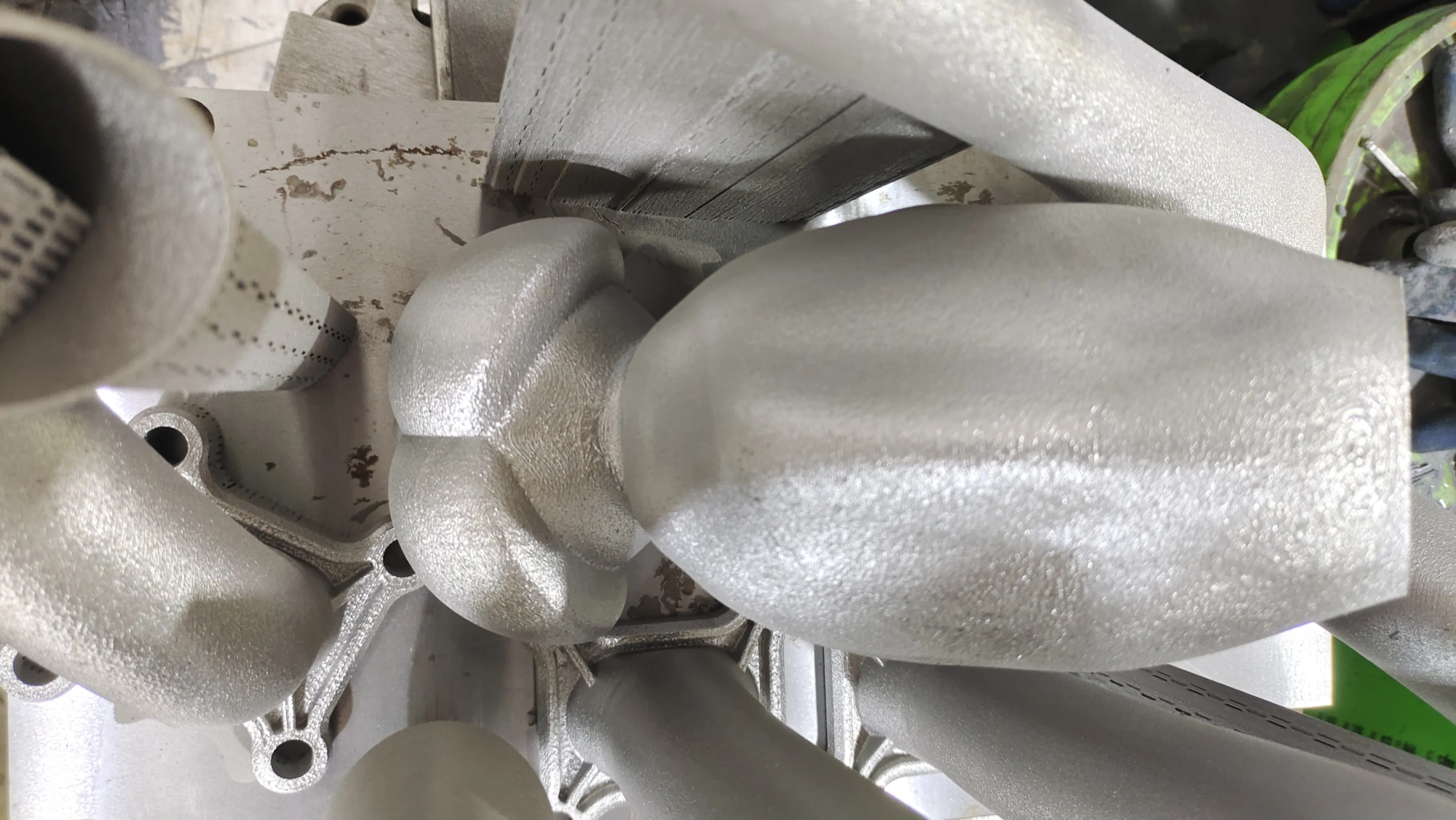
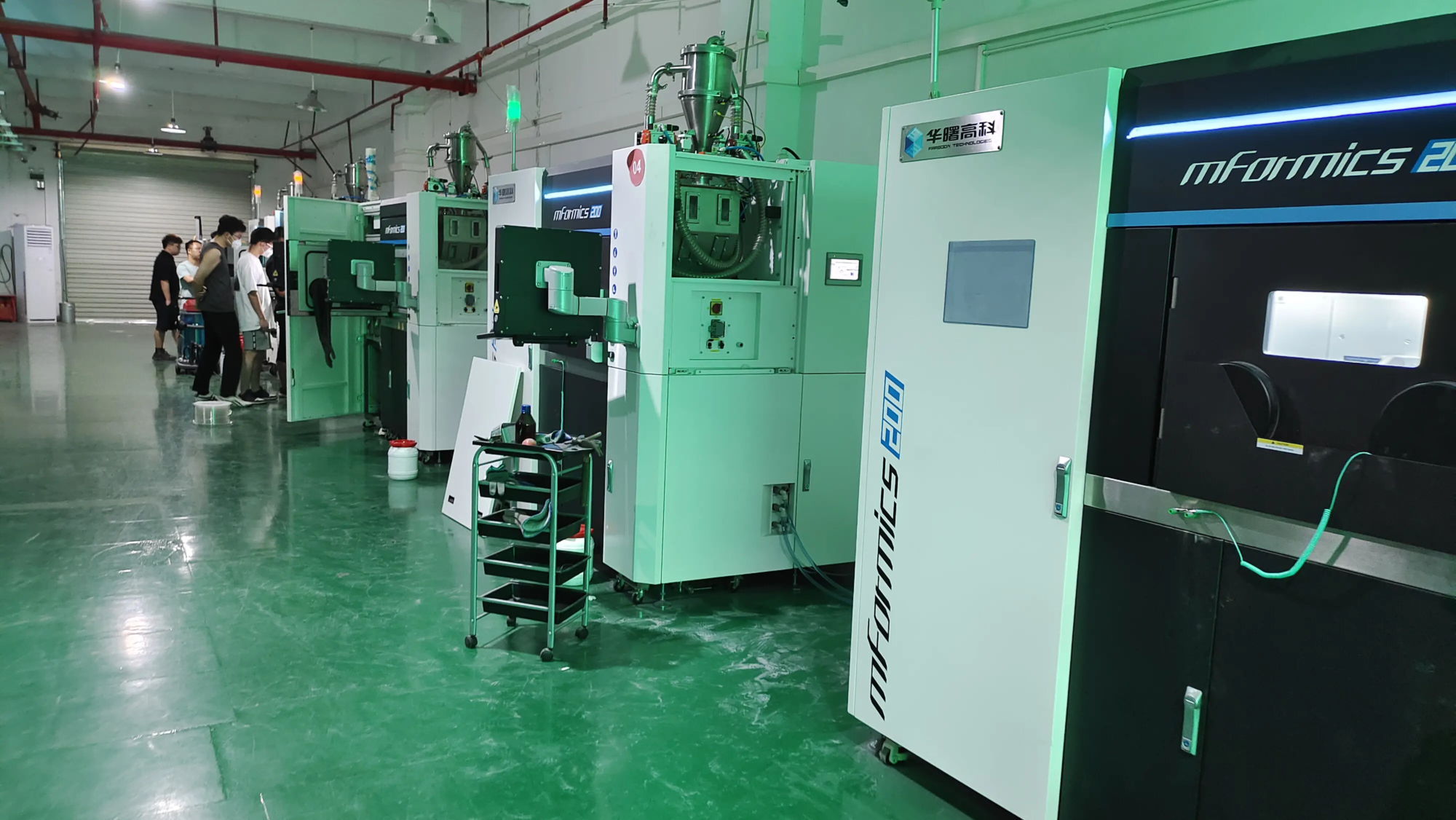
- Advanced Metal Prototyping: use Industrial SLM (Selective Laser Melting) 3D Printerwe produce strong, high-resolution metal prototypes directly from CAD models. Materials include stainless steel, titanium, aluminum alloys, Inconel and more – overcoming the fundamental limitations of epoxy-coated plastics.
- Material integrity: SLM can produce nearly full-density parts with mechanical properties that approach or match conventionally manufactured metal parts and far exceed those of epoxy plastics.
- Precision and detail: Achieve complex geometries, fine details and smooth surface finishes not possible with FDM + epoxy coatings.
- Comprehensive post-processing: Beyond simple coating, our One-stop post-processing service Including precision machining, HIP (Hot Isostatic Pressing), Shot Peening, Shot Peening, Heat Treatment, Surface Coatings (anodizing, plating, etc.) and Polishing – professionally applied for optimal performance and aesthetics.
- Fast iteration and scalability: From a single prototype to a bridge production run, we offer fast turnaround and reliable quality.
Yes, a tube of epoxy from Home Depot able Can be used for basic repair and cosmetic smoothing of hobby-grade FDM prints – proceed with caution and manage expectations. For truly strong, accurate, durable, functional prototypes, especially metal prototypes, SLM technology and Comprehensive post-processing Provided by experts such as huge light Provide superior solutions to turn your vision into reality.
Conclusion: Weighing options for robust prototyping
Trying to use epoxy from the hardware store can be a fun way to DIY enhancements Some Print all aspects of the PLA or PETG model. For structural repairs, light waterproofing, or decorative smoothing of simple shapes, products like slow-setting marine epoxy or epoxy putty perform quite well if done right. But be aware of the inherent limitations: precision coating challenges, curing complexities and material differences.
For prototypes that require engineering-grade performance—dimensional accuracy, high strength, durability under stress, or complex metal fabrication—professional rapid prototyping services become critical. GreatLight utilizes cutting-edge SLM 3D printing and a full range of post-processing treatments to deliver robust, functional prototypes and end-use parts made from advanced metals. Whether you need a proof-of-concept model or a low-volume production component requiring reliability, our expertise ensures your project reaches its full potential. Expand beyond hardware store solutions.
Frequently Asked Questions (FAQ)
Question 1: Can I dip the entire 3D print in epoxy from Home Depot to smooth it out?
A1: Although technically feasible, it is extremely challenging. Most Home Depot epoxies are too thick to allow for thin, bubble-free impregnation. Sagging, uneven coating, bubbles and overheating/warping of thin parts are common problems. Rotating dipping jigs can help, but require a lot of experimentation. If smoothness is the primary goal, UV resins in the resin printer itself are often easier to dip apply thin coatings.