Backyard hustle: How 3D printing is reshaping modern beekeeping
Beekeeping, an ancient practice vital to our ecosystem, is now seeing a decidedly modern innovation: 3D printed beehives. This technology goes beyond the traditional Langstroth wooden box and is not just a novelty; It is unlocking huge potential for bee health, hive management and sustainable practices. Let’s take a closer look at how additive manufacturing can build better homes for our essential pollinators.
Beyond wood: Solving traditional hive challenges
Wooden beehives have been the industry standard for generations. However, they also have inherent disadvantages:
- Labor-intensive construction: Precision cutting, assembly and finishing require considerable time and carpentry skills.
- Maintenance headaches: Wood warps, cracks, rots, and creates gaps where pests (especially the devastating Varroa mite) can hide and multiply.
- Lack of flexibility: Customization is hard. Adapting hive components to a specific climate, bee species research or optimizing internal conditions requires complex re-tooling.
- Thermal limits: Wood provides moderate insulation but performs poorly during extreme temperature swings, forcing bees to spend more energy regulating hive temperature (brood thermoregulation).
- weight: Assembled wooden beehives are heavy, complicating transportation and inspection.
3D printing: building smart homes for bees
3D printing (additive manufacturing) meets these challenges head-on, providing precision and customization previously impossible:
- Uncompromising sophistication: Intricate internal structures designed to mimic natural comb patterns can be printed seamlessly. Think integrated feed wells, targeted ventilation channels precisely calculated for optimal airflow, or a Varroa-proof integrated baseplate – all produced in one print cycle.
- Ultimate customization: Struggling with a specific climate? Design and print honeycomb parts to fit your specific location. Researchers can quickly prototype unique hive geometries to study bee behavior or optimize honey production. This agility accelerates innovation significantly.
- Enhance bee health and productivity: Smooth, sealed surfaces minimize harborage points for pests and pathogens. Strategic ventilation designs printed directly onto the wall improve airflow and humidity control, reducing swarm stress. Integrated foundation inspired by natural comb structure promotes healthier brooding.
- Sustainable development potential: cruciallyprinting beehives locally significantly reduces the transportation emissions associated with traditional manufacturing and distribution. Furthermore, attempts to use biocompatible and potentially biodegradable polymers derived from plant sources, such as specific PLA+ blends, offer a compelling ecological alternative to chemically treated wood. Projects such as Halland University’s PLA Hive project are showing promising results in real-life apiaries.
- Material innovation: Beyond plastic:
- Clay/Ceramic Printing: Utilizing natural materials with excellent thermal mass provides superior thermal insulation, passively stabilizing the internal temperature (cool in summer, warm in winter), thereby reducing energy consumption by bees. Companies like BeeHeroes are actively exploring this.
- Biocomposites: Polymers reinforced with sustainable fibers (wood chips, flax) create durable insulation that blurs the lines between tradition and modernity.
- Speed and accessibility: Rapid prototyping enables beekeeper associations, research labs, and manufacturers to iterate on designs quickly and cost-effectively. Need a replacement frame or special adapter? Print locally on demand.
Practical considerations for using 3D printed honeycombs
While promising, it’s not yet a magic solution:
- Materials Science: Ensuring long-term outdoor durability (UV resistance, impact strength) and absolute bee safety (unaffected by polymer or additive leaching) remains an active area of development and review. It is critical to select advanced polymers that are tested, approved and food safe for beekeeping applications. Responsible manufacturers rigorously test materials according to bee toxicity standards.
- Scalability: Economically printing high-volume components such as deep incubators requires large-format printers and optimized processes—an area where high-volume manufacturers have an advantage over hobbyist setups.
- Thermal management: While ceramics have advantages, standard polymers often have different Thermal properties are better than wood. Strategic design is crucial to prevent condensation build-up or overheating – assessments such as FEA (Finite Element Analysis) simulations during the CAD design stage are extremely valuable.
- Cost balance: While life cycle costs (durability, reduced pest handling, reduced mortality) may balance this equation, the initial printer investment or purchase cost of specialized printing parts may be higher. Economies of scale will reduce costs.
The future is printed (thoughtful)
3D printed beehives represent more than just a new type of box. They symbolize the fusion of conservation, advanced engineering and sustainable manufacturing. Through precision-engineered environments, integrated pest management features, and localized production using ecologically conscious materials to enable designs that prioritize bee well-being, the technology offers real hope amid the threat of colony decline.
This transition requires robust research, strict material safety protocols, and collaboration between beekeepers, materials scientists, ecologists, and skilled manufacturers—especially those who can achieve consistent, industrial-scale production that meets beekeeping standards. But the potential to create healthier, more resilient colonies based on local conditions makes this technology boom worthy of our attention and investment. Ultimately, healthy bees mean a healthier planet for all of us.
Frequently Asked Questions About 3D Printed Beehives
-
Q: Are 3D printed beehives safe for bees?
- one: Safety depends entirely on materials and manufacturing standards. Reputable manufacturers use FDA-approved food-grade or biocompatible polymers that have been rigorously tested for bee toxicity (such as specific PLA/PETG blends). Avoid cheap, uncertified plastics. Be sure to check the certification of materials used in beekeeping. Some biodegradable materials require careful formulation to avoid degradation also Very fast in hive conditions.
-
Q: Can I use a home 3D printer to make beehive parts?
- one: For small parts like rear catchers, feeders, spacers or inlet reducers? Where possible, use suitable food-safe filament and ensure adequate strength/thickness. However, printing large structural parts such as brooder boxes requires an industrial-grade printer to achieve uniformity, durability against warping/twisting, long print times (and costs), and the ability to use specialized engineering-grade materials. Reliability and longevity under field conditions favor professionally manufactured components.
-
Q: How do thermal properties compare to wood?
- one: Most plastics don’t conduct heat in the same way as wood. Pure polymers may provide lower inherent insulation unless the insulating structure (e.g., honeycomb fill) or composite mixture is specifically designed. Ceramic 3D printed beehives often offer excellent thermal regulation capabilities. plastic beehive must Designed with smart ventilation to avoid issues like condensation.
-
Q: Are they easier to clean and disinfect?
- one: This is a significant advantage. Seamless printing with a smooth surface eliminates seams/cracks where pests and pathogens can hide. They are easier to clean thoroughly (scraping, pressure washing) and disinfect (using appropriate bee-safe solutions) than porous wood.
-
Q: How durable are they?
- one: Durability is affected by material selection, printing technology (SLS/SLA/FDM) and post-processing (annealing/precision machining). Engineering thermoplastics such as ABS, nylon or PETG offer excellent impact resistance and UV stability. Parts expertly manufactured using advanced SLM/SLS/DLP technology achieve durability beyond that of wood and resist rot, fungal damage and insect infestation. Layer adhesion, print direction/quality and temperature cycling resistance are key factors.
- Q: How is the installation? Is there any difference?
- one: The core principles remain similar. The interfaces for components (boxes, frames, lids) are similar. Injection molded frame fits standard boxes. However, integrated features such as vents or feeders may have unique requirements. Always follow the manufacturer’s instructions for optimal performance and bee health.
Bring your apiary innovation to life
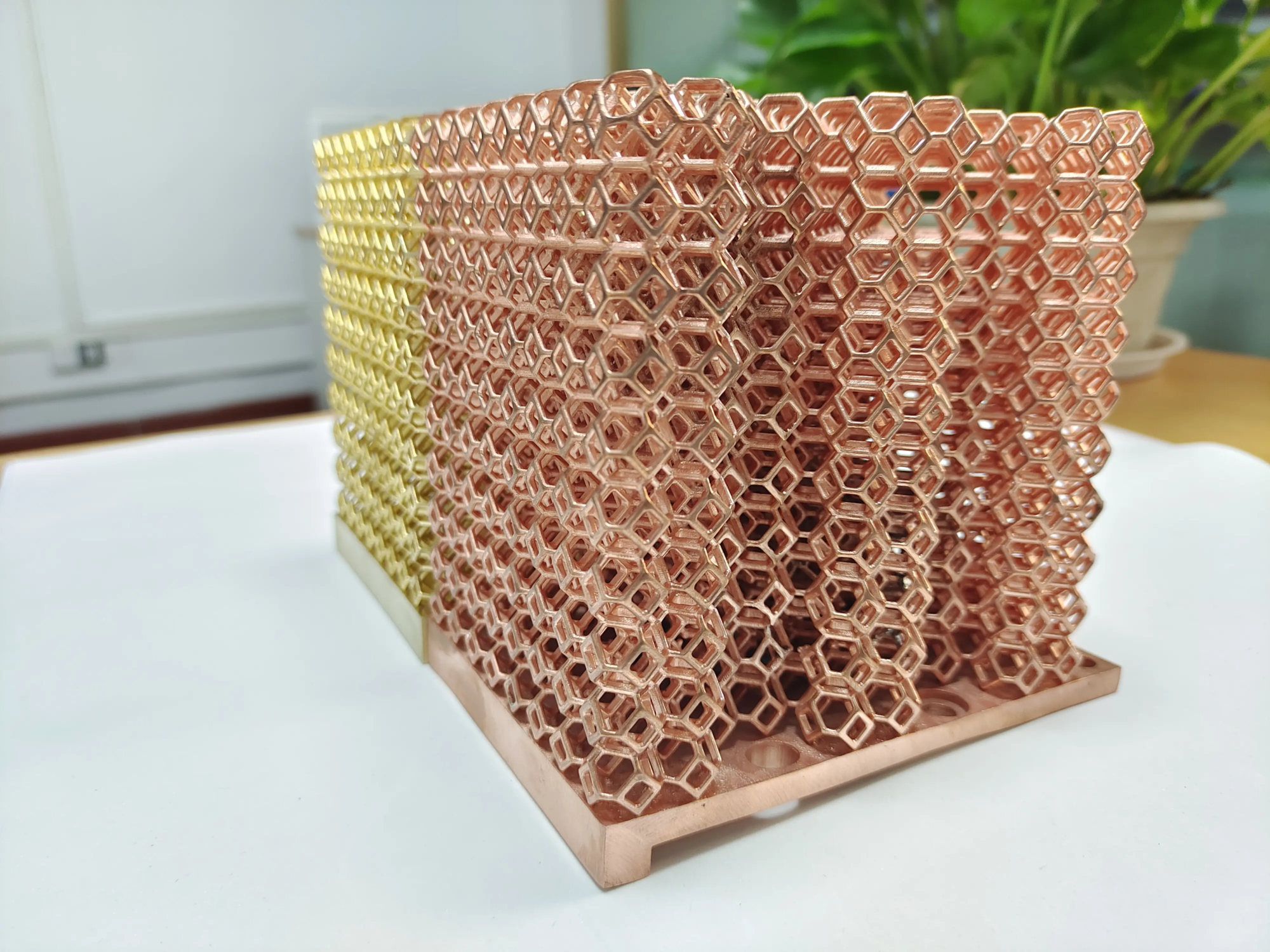
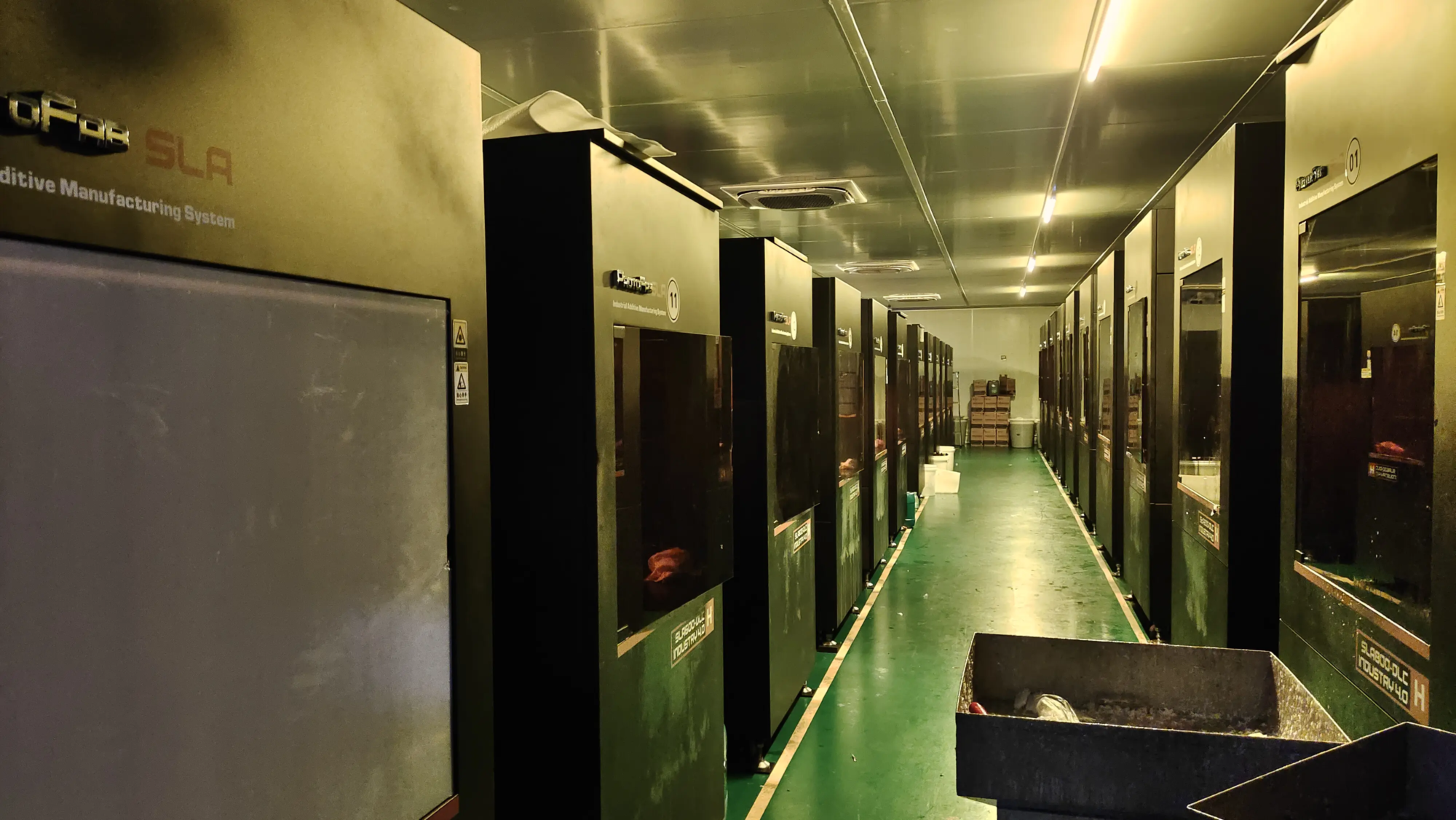
The engineering precision inherent in the best 3D printed beehives requires equally meticulous prototyping and manufacturing expertise. huge light Standing at this technological crossroads. Equipped with advanced SLM (Selective Laser Melting) Metal 3D Printer and cutting-edge polymer systems, huge light Fully equipped to meet the stringent requirements of beekeeping innovation:
- Excellent prototype: Use SLM/DMLS/DLP technology to quickly iterate on complex honeycomb designs (metal fixtures, special tooling, sensor mounts) with superior resolution and structural integrity.
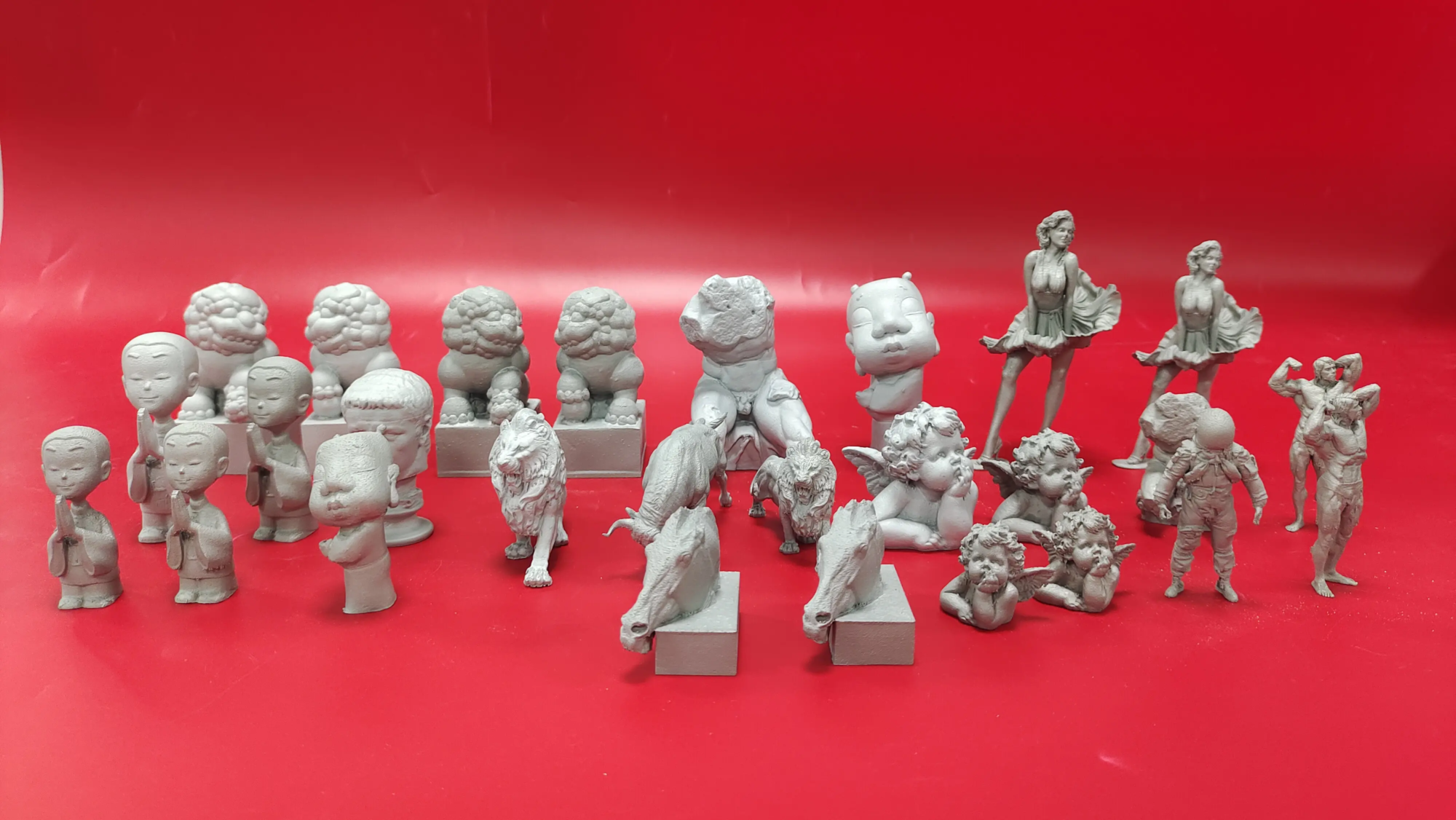
- Robust production: Utilize advanced polymer powder bed fusion (MJF/SLS) or precision resin printing to produce complex parts, producing durable, high-performance honeycomb assemblies that can withstand harsh environmental conditions.
- Material mastery: Access a broad portfolio of certified high-performance polymers and metal powders for functional beekeeping applications requiring strength, weather resistance, export compliance and biocompatibility review. We source responsibly.
- End-to-end excellence: Benefit from industry leadership Post-processing services – Includes precision CNC machining of critical interfaces, meticulous cleaning, UV stabilization, biocompatible coating/machining, laboratory validation, detailed finishing – ensuring components meet stringent performance and safety standards before deployment to apiaries.
- Partners: Work with our engineers to leverage topology optimization/CFD/FEA simulation feedback loops to optimize functionality, structural integrity, manufacturability and cost-effectiveness without compromising bee welfare.
As a pioneer in blending deep manufacturing expertise and ecological awareness, GreatLight helps beekeepers, researchers and agricultural suppliers build smarter solutions for our important pollinators. Explore the potential: Talk to our engineers today about your professional beehive assembly or rapid prototyping project and experience why discerning innovators continue to choose GreatLight, the world’s premier rapid prototyping partner. Your precision pollination solution is waiting for you.