From Design to Reality: Mastering the Art of 3D Printing Cones
cone. Seemingly simple geometric shapes, they are everywhere in engineering and design: fluid nozzles, architectural decorations, custom light diffusers, aerodynamic components and artistic sculptures. Despite their popularity, successfully 3D printing cones that are accurate, functional, or aesthetically pleasing requires an understanding of specific design principles, material behavior, and printing processes. Whether you’re a hobbyist experimenting with filaments or an engineer in need of precision metal parts, mastering cones can unlock huge potential.
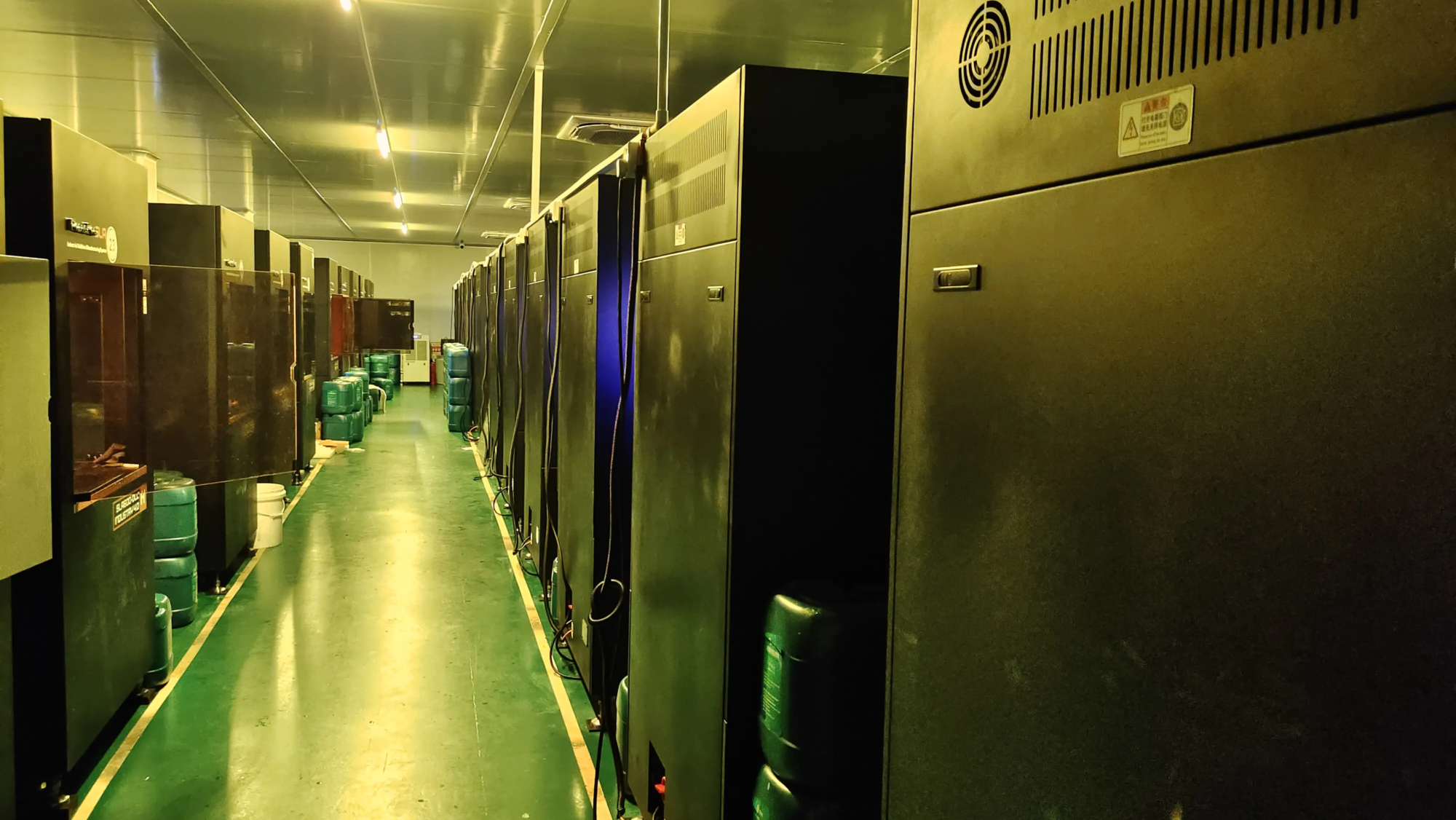
At leading rapid prototyping manufacturer GreatLight, we specialize in converting digital designs into high-fidelity physical objects, including complex geometric shapes such as cones. Utilizing advanced Selective Laser Melting (SLM) technology and traditional methods, we solve metal prototyping challenges every day. But the core principles apply to all scales and materials. Let’s take a closer look at this process.
1. Design your cone: a digital blueprint
The journey begins with computer-aided design (CAD). Software such as Fusion 360, SolidWorks, FreeCAD or Blender allow precise cone creation.
- Parametric design: Define key parameters:
Base Diameter (or Radius)HeightApex Angle(if not deduced from height/base)Wall Thickness(Critical to the structural integrity of the hollow cone).
- Solid and hollow: Depends on application.
- Hard: Simple, faster printing (less material), inherently stronger but heavier. Great for small non-functional models.
- Empty: Critical for weight reduction (aerospace), flow dynamics (nozzles) or embedded functionality. need careful consideration wall thickness to prevent folding during printing or use. Minimum thickness depends heavily on material and printer resolution. For metal realized by SLM, the wall thickness can be as thin as 0.4 mm (with supports); the thicker, the safer.
- Drape Management: This is the Achilles heel of the cone. The sloped surface itself creates an overhang beyond the printer’s self-supporting angle (usually around 45-65°).
- Draft angle: Increasing the angle from vertical will reduce the severity of the overhang but will change the geometry.
- Internal struts/ribs: For large hollow cones, the internal structure can provide support and fill large spans without the need for denser filling.
- exit: Save the final design as an STL file – the standard for slicing. Make sure that the triangle mesh accurately represents the surface of the cone.
2. Material selection: performance determines choice
The material has a profound impact on printability, functionality and post-processing.
- filament:
- People’s Liberation Army: Best mockup or visual prototype for beginners. Easy to print, hard and brittle. Good for gentle slopes; steeper angles require strong cooling/support.
- Polyethylene glycol: Tougher than PLA and chemical/heat resistant. Due to better adhesion, the effect of handling overhanging parts is slightly better than PLA.
- ABS/ASA: Stronger, impact resistant and heat resistant. Warps easily; requires enclosed printer and good bed adhesion. Optimized rear overhang for good flow.
- TPU (flexible): Used for seals and connectors. Requires slower print speeds and minimal retraction. The steep overhangs are challenging.
- Resin (SLA/DLP): Excellent resolution for smooth surfaces and fine details. Ideal for cones that require perfect vision or smooth internal flow. Materials vary in strength/elasticity (standard, tough, flexible resin). Since the resin is very sticky during the printing process, the overhanging parts need sturdy support. Post curing is required.
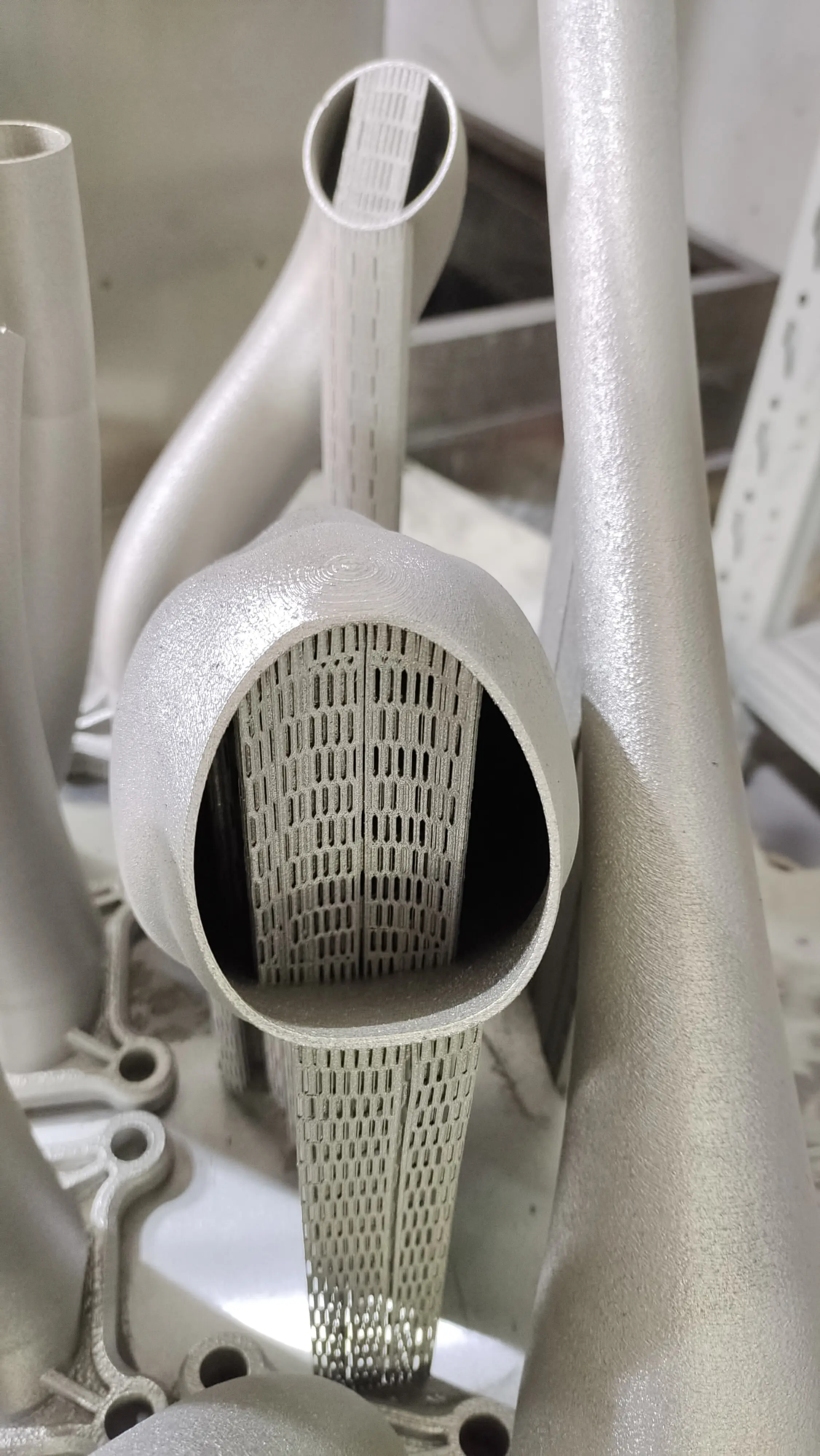
- Metal(SLM/DMLS) (Glow core technology): Suitable for functional parts that require high strength, thermal stability, corrosion resistance (stainless steel, such as 316L), electrical conductivity (aluminum alloy, such as AlSi10Mg) or low weight (titanium alloy, such as Ti6Al4V). SLM handles slopes well with custom support structures, but expertise is critical to prevent warping/stress and ensure internal integrity. GreatLight specializes in optimizing parameters for challenging geometries such as tapered nozzles.
3. Slicing and Processing Parameters: Manufacturing Preparation
This step converts STL into printer instructions (G-code). The settings depend greatly on the material and printer type.
- direction: Crucial! Carefully orient the cone:
- Tip down: Minimizes support material within the hollow cone but concentrates stress at the fragile tip/base joint. Requires good bed adhesion. Usually best suited for PLA/PETG FDM printing.
- hint: Internal supports in hollow cones can be cleaned more easily, but significantly more support material is used under all sloping surfaces.
- sideways: It is possible to reduce the overhang slightly, but at the expense of print board size footprint and the potential need for side supports.
- support: Essential for important overhangs and bridges.
- choose Dense support interface Obtain better surface quality when supports contact the cone.
- optimization
Support Overhang Anglesetting (default is 45-60°; for steep cones, turn lower). - strive for tree support (If available in microtome) FDM saves material/time.
- Metal SLM printing requires specialized dense supports designed to securely hold the part against thermal stresses, which are often automatically generated based on thermal simulations. Disassembly requires CNC machining.
- Floor height: Smaller layers (e.g. 0.1 mm) provide smoother slopes but increase print time. Larger layers (e.g. 0.2 mm) are sufficient for rougher functional prototypes.
- filling: For solid cones, high filling levels (80-100%) ensure rigidity. For hollow cones, a concentric or spiral pattern with a fill rate of 15-30% usually works well to achieve the FDM/resin brightness/stiffness balance. Metal SLM typically prints near net shape, with minimal internal structural optimization done in CAD.
- Speed and Cooldown: For frequency division multiplexing:
- Slower speeds and higher cooling improve overhang quality.
- Make sure there is adequate cooling fan speed after the first layer.
4. Printing process: making geometric shapes come to life
- Fused Deposition Modeling (FDM): Material extrusion. Accuracy is built layer by layer. Key observations: bed adhesion (use edges/rafts!), nozzle temperature consistency, cooling adequacy on slopes. Monitor the first layer carefully.
- Stereolithography/DLP: The resin cures. Produces an exceptionally smooth surface. Essentials: Precise alignment, efficient resin flow/drainage, adequate support. Post-processing is mandatory.
- Selective Laser Melting (SLM) (Weiguang Professional): High-power laser melts fine metal powder particles meticulously layer by layer in an inert atmosphere. This performs well on complex geometries such as cones, achieving near full density and strength comparable to that of forged materials. Our expert operators carefully calibrate and monitor builds, managing the complex thermal gradients inherent in conical shapes to avoid distortion or defects – a core benefit of working with an experienced manufacturer like GreatLight.
5. Post-processing: Converting rough prints into final parts
Original prints need finishing. Complexity varies widely:
- Support removal:
- Frequency division multiplexing: Snip/scrape/lightly sand the interfacing points. The residue can be sanded.
- Resin: Carefully snip/flush cut the support and sand/lightly grind the sensitive cone surface.
- Metal (SLM): Remove large amounts of support via CNC machining, wire cutting, or careful sanding. GreatLight offers this as a seamless part of our turnkey prototyping services.
- Surface treatment:
- Polishing: Hand sanding starts with a coarse grind (e.g., 120 grit) and progresses to a fine grind (e.g., 1000+). Grind along the slope rather than across to avoid scratches. Fill seams/gaps on FDM if needed.
- Primer/Spray Paint: FDM resins often require a primer/filler prior to painting for best results. The resin parts are well painted.
- polishing: Gives resin/metal a shine. This may involve abrasive paste, buffing wheels or (for metals) electropolishing or media blasting. GreatLight offers vapor smoothing (plastics), extensive CNC tumbling/vibration finishing, electropolishing, coatings and heat treatments (for metals) for superior aesthetics and performance.
- Function verification: Ensure dimensional accuracy tolerances (using calipers/coordinate measuring machines), integrity under pressure/flow testing or inspect assembly of components.
Application: Printed cones shine
- Functional Fluidics: Precision nozzles, mixing cones, pressure swirl atomizers, smooth flow cones mounted inside the fittings. Metal SLM can achieve microscopic features that cannot be achieved by mechanical processing.
- Aerospace and Defense: Lightweight aerodynamic fairing supported by a lightweight structure composed of tapered lattice elements. Titanium/aluminum SLM core.
- Architectural scale model: Peaks, decorative accents, custom lighting fixtures.
- Mechanical components: Rails, deflection guards, custom bearings or seals (especially flexible TPU/resin).
- Scientific customization: Sample funnel, unique horn antenna, acoustic diffuser.
- Art and Sculpture: Geometric art pieces, intricate vases, lampshades.
in conclusion
3D printing a cone requires more attention to detail than a simple cube or cylinder. Success depends on anticipating overhang challenges through thoughtful design (hollow/solid strategy, wall thickness), selecting the right materials, carefully preparing the print through strategic positioning and support generation, performing carefully controlled fabrication, and applying relevant post-processing techniques. With FDM printers, patience and adjustment are key. For demanding applications requiring precision metal cones with complex internal features or stringent performance standards, utilizing industrial processes such as selective laser melting becomes critical.
At GreatLight, we deal with these complex issues every day. As a specialist rapid prototyping manufacturer, our expertise goes beyond printing – from consulting on Design for Manufacturability Optimization (DFAM), utilizing our advanced industrial SLM metal printing capabilities, to providing comprehensive support removal, heat treatment, CNC machining integration and expert finishing services. This transforms raw printed parts into fully functional, high-precision assemblies ready for deployment. Whether you’re exploring prototypes or moving to production, mastering cones can unlock a variety of possibilities. Need a reliable partner for custom metal or polymer prototypes? Let Gretel expertly solve your rapid prototyping challenges.
FAQ: 3D Printing Cones
Q1: Can you 3D print a perfectly smooth cone?
one: Achieving absolute perfection is challenging, especially in FDM printing. However:
- Resin printing provides a very smooth surface suitable for smooth cones with proper post-curing.
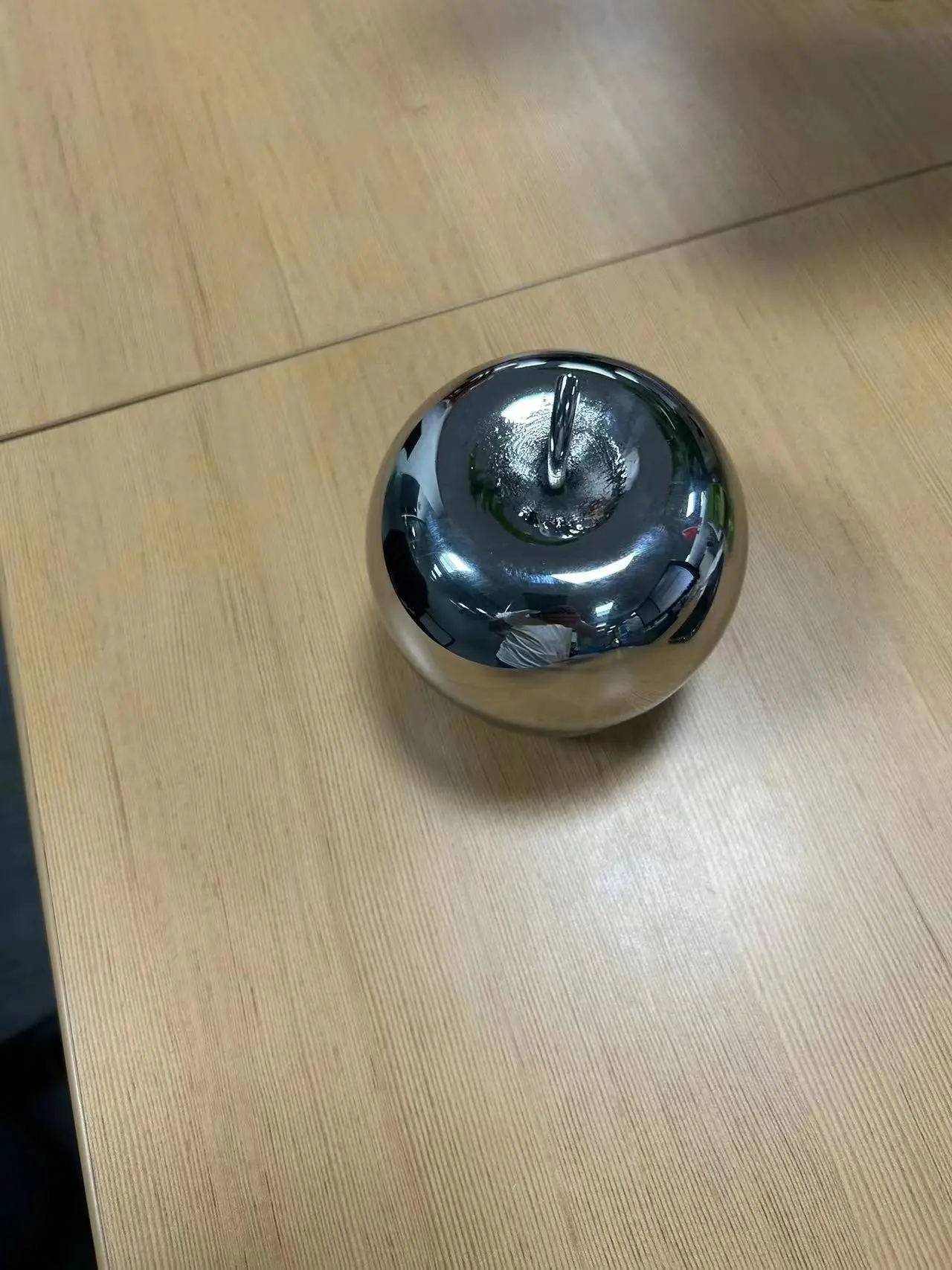
- Metal printing (SLM), followed by CNC machining and polishing, results in an exceptionally smooth, mirror-like finish.
- FDM cones require extensive post-processing (sanding, priming, filling, painting, potential steam smoothing) to achieve smoothness. Direction and layer height optimization minimize stepping.
Question 2: How to calculate the correct wall thickness of a hollow cone?
one: There is no universal answer; it depends on:
- Material strength/stiffness (PLA is very different from stainless steel).
- Printer resolution/capabilities (e.g. minimum wall print thickness).
- Apply load/pressure.
- Height/Angle – Tall, narrow cones require thicker walls/stiffeners.
- Typical starting point: FDM: 1.2-3mm; Resin: 1-2mm; Metal SLM: 0.8-1.5mm+ There is support. For critical applications, consult material guides or consult specialist manufacturers such as GreatLight.
**