Unleash your creativity: A comprehensive guide to 3D printing custom LEGO parts
As LEGO continues to inspire builders of all ages, enthusiasts often encounter the limitations of standard sets—missing parts, discontinued parts, or visions that require unique geometry. Enter 3D printing: the game-changer for creating custom LEGO-compatible elements. From custom minifigure accessories to structural reinforcement, this guide demystifies the process while highlighting how professional 3D printing services can huge light Improve quality and precision.
Learn about LEGO’s design precision
LEGO bricks follow strict specifications:
- 1 stud = 7.8mm × 7.8mm base size.
- vertical spacing Between studs = 9.6mm (tolerance ±0.1mm).
- clutch force (“snap” friction) depends on the exact inner tube diameter and wall thickness.
Deviation from these standards may result in components not interlocking safely. Use official LEGO measurements from sources such as the LEGO Digital Designer library or the LDraw library to ensure compatibility.
Step-by-step guide to 3D printing LEGO parts
1. Design model
- Software options:
- beginner: Tinkercad (intuitive drag and drop).
- middle: Fusion 360 (parametric design of complex geometries).
- Dedicated plug-ins: BrickLink Studio or LDraw/LeoCAD are used to preload LEGO templates.
- Key design tips:
- Wall thickness: For stud filled parts, keep 1.5–1.7mm.
- Clear: Add 0.2mm tolerance between moving parts.
- Geometric simplicity: Avoid overhanging more than 45° to minimize support.
2. Choose printing technology and materials
| technology | most suitable | ideal material | advantage |
|---|---|---|---|
| SLA/DLP | minifigure, detail | photosensitive resin | High resolution (25–100μm) |
| frequency division multiplexing | Large structural parts | Polylactic acid, polyethylene glycol | Cost-effective; durable |
| SLS | function gear | Nylon PA 12 | Unsupported; mechanical strength |
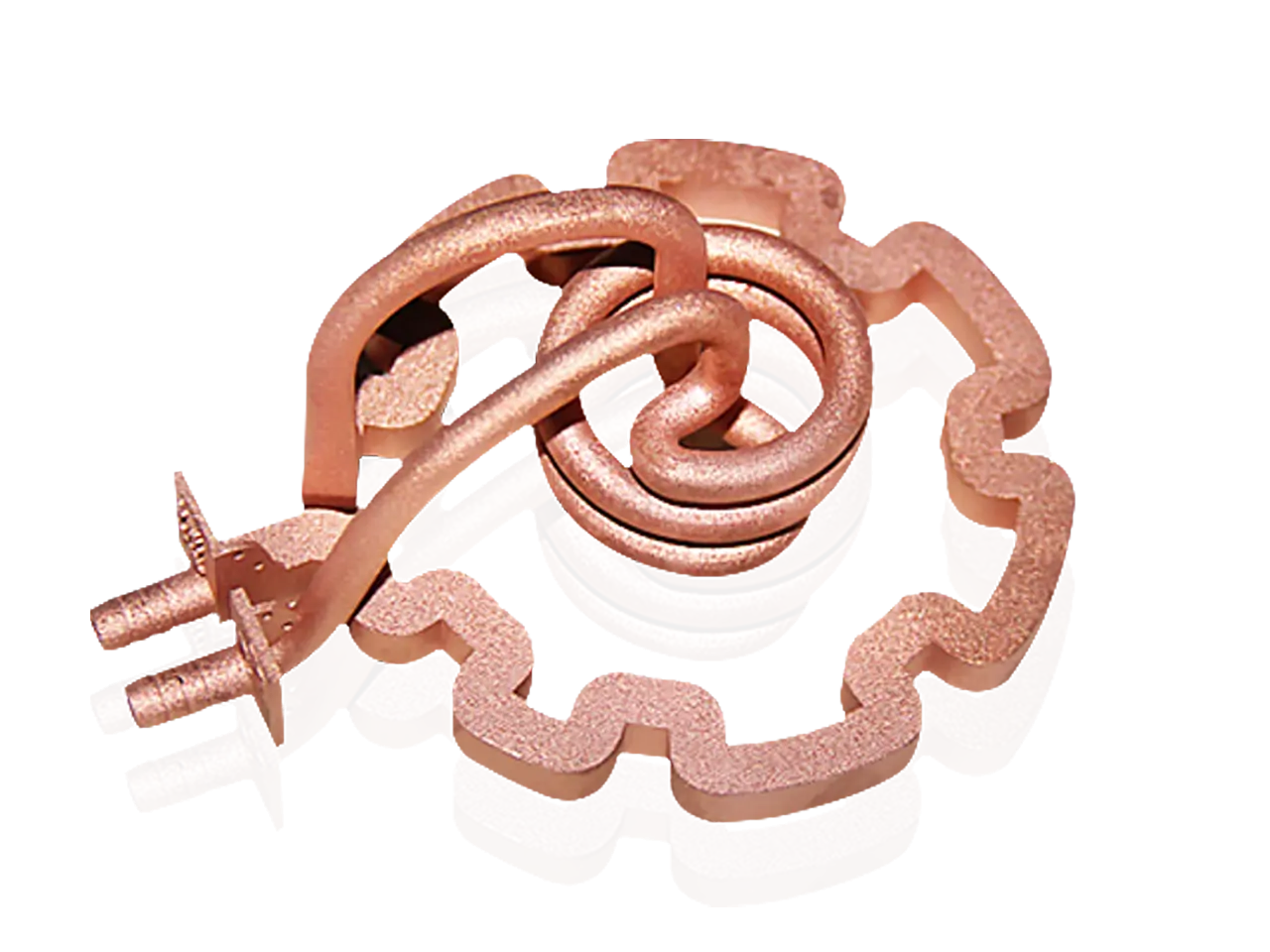
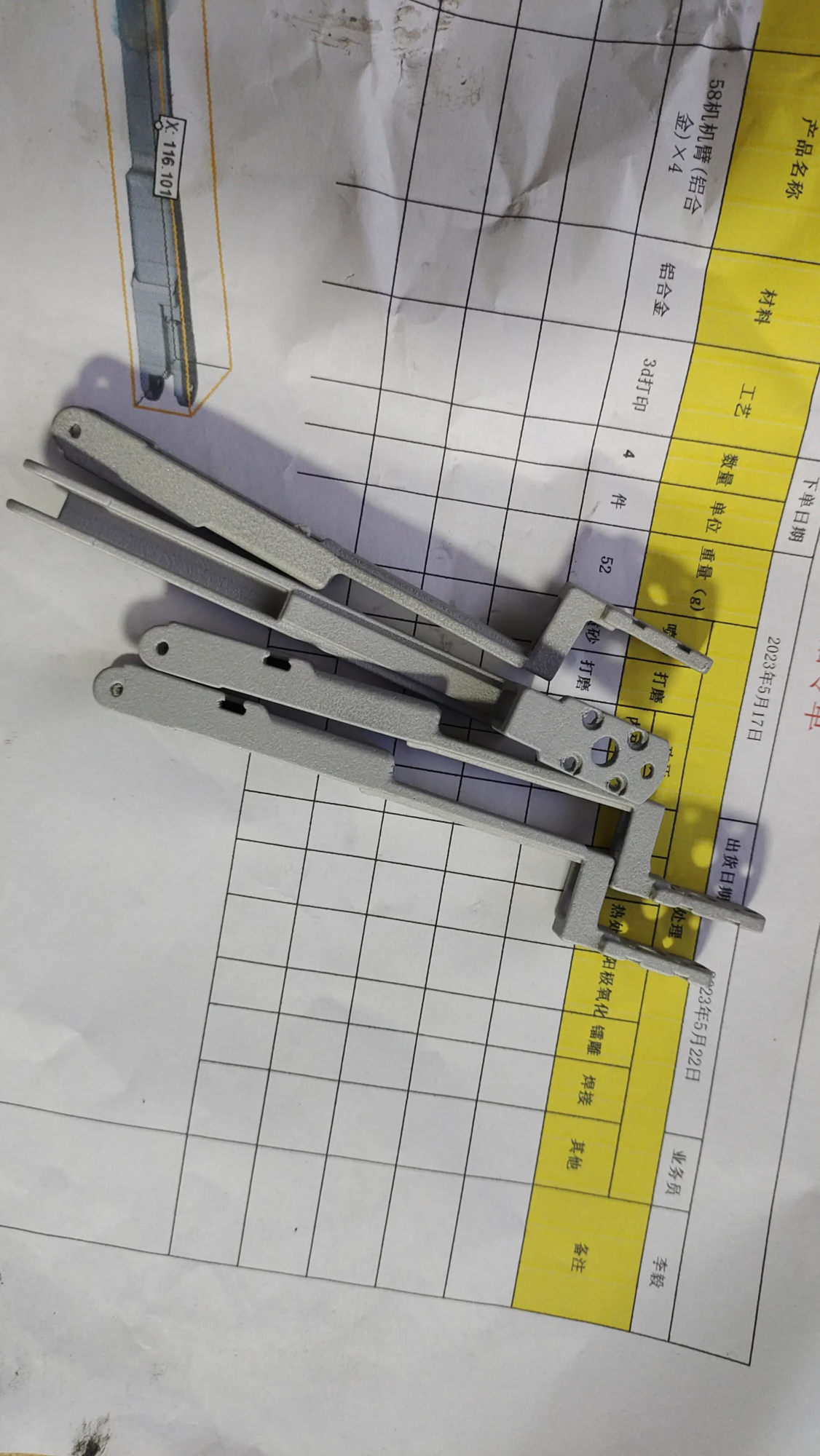
| SLM (metal) | Base/monitor stand | Aluminum/Titanium | Custom base for metal durability |
notes: For a Lego-style snap fit, SLA resin best mimics injection molded plastic. Metal printing is suitable for non-interlocking fittings.
3. Optimized printing successfully
- direction: Position the studs upward to maximize detail.
- support: Use tree supports for FDM; resin prints require minimal support under drape.
- Floor height: Stud ≤0.1mm ensures clutch force accuracy.
4. Post-processing
- smooth:
- Resin: Lightly sanded (200–400 grit) + UV cured.
- PLA: Acetone vapor (used in certain mixtures) or filler primer.
- painting: Acrylic comes with a matte sealant to avoid sticking.
- Fit test: Print calibration cubes (10×10 studs) to verify tolerances.
Why partner with a professional service like GreatLight?
Although DIY printers are suitable for prototyping, Gretel industrial grade solutions Ensure museum-quality LEGO parts:
- Ultra-precision: The SLM printer can achieve a tolerance of ±0.025 mm, which is critical for clutch force.
- Material diversity: Food safe resins, engineering grade thermoplastics or lightweight metals.
- One-stop organization: Includes sand blasting, annealing, staining or plating services.
- speed: Metal prototypes shipped within 48 hours; 24. Resin/filament parts
- EAT Compliance: Each batch is ISO 9001 certified and comes with a QC report.
in conclusion
3D printing transforms LEGO from a static toy system into a world of infinite customization. By leveraging precise design practices and expert manufacturing partners like GreatLight, creators can bypass production constraints—whether replicating vintage pieces, designing kinetic sculptures, or engineering architectural marvels. As technology bridges imagination and reality, your next LEGO masterpiece might start on a digital canvas and end up in the palm of your hand.
FAQ: 3D Printing LEGO Parts
Q1: Can 3D printed LEGO parts reach official quality?
Absolutely. SLA resin mimics the finish of LEGO, while SLM metal ensures the unyielding strength of the custom base. Professional post-processing (grinding, polishing) enables seamless integration.
Q2: Are 3D printed building blocks safe for children?
Use only non-toxic, certified materials. Use food-safe resin or BPA-free PLA – GreatLight is RoHS compliant.
Q3: How to calculate the cost of customized LEGO parts?
Cost depends on:
- Material (resin and metal)
- Quantities and supported uses
- Post-processing complexity
Professional services offer tiered pricing—prototype quantities start at $20.
Q4: Can I legally sell 3D printed LEGO parts?
Designs must be original or licensed. Avoid using trademarked logos (“Lego” studs) or proprietary connections. Custom accessories like unique minifigure hats are rarely limited.
Q5: What format of files should I provide?
Upload an .STL or .OBJ file. GreatLight automatically verifies the geometric integrity of preprints.
Innovation beyond bricks—GreatLight specializes in precision rapid prototyping for LEGO, robotics, and industrial applications. Request a quote for custom molded, high-resistance components (plastic or metal) and build without boundaries.