Green Thumb Revolution: Combining hydroponics with 3D printing for smarter growing
Imagine tending a lush, thriving garden without touching the soil—water and nutrients flow precisely to plant roots in a carefully controlled system. This is hydroponics: the future of sustainable agriculture. Now, imagine customizing every part of this system to fit your space perfectly, optimizing plant growth and pushing the boundaries of efficiency. Enter a game-changer: 3D printing. This isn’t science fiction; It’s an easy-to-use, cutting-edge solution that revolutionizes the way hobbyists and professionals approach hydroponic setups. Let’s explore how combining hydroponics with advanced 3D printing can unlock unprecedented possibilities.
Why 3D printing and hydroponics are a perfect match
Traditional hydroponic systems often rely on off-the-shelf PVC pipes, universal connectors, or cumbersome DIY solutions. These limitations create friction:
- Rigid design: Plastic accessories are rarely adapted to unique layouts or specific factory requirements.
- Sky-high prototyping costs: Designing custom parts often requires expensive molds or extensive machining.
- Limited optimization: Maximizing water/airflow efficiency within complex root zones is difficult with universal shapes.
3D printing removes these barriers:
- Unparalleled customization: Design and print pots, mesh cups, nozzles, fittings, manifold segments and brackets designed and printed specifically for your plant type (delicate herbs vs. heavy-fruiting plants), available space (vertical farm, apartment balcony) or unique nutrient delivery method (aerosol cultivation mist heads).
- Rapid prototyping nirvana: Test iteration is very fast. Designing a new aerator? Printed out overnight. Need to adjust the nozzle angle? Modify the CAD file and print it before lunch. This speeds up examples (innovation and troubleshooting).
- Uncompromising sophistication: Easily create internal channels for optimized flow, complex lattice structures for root support/aeration, or lightweight geometries not possible with conventional manufacturing—all of which improve nutrient delivery and root health.
- Cost effective for small batches: Economically produce specialty parts with no minimum order quantities. Ideal for DIY enthusiasts optimizing a single system or startups testing designs.
5 is intolerable Reduce waste: Printing on demand minimizes excess material compared to buying in bulk standardized parts that you may not be able to use entirely.
Choosing the right 3D printing technology and materials
Not all prints are suitable for hydroponic use. The main requirements include Food safety, water/chemical resistance, durability and dimensional stability.
- FFF/FDM (plastic filament printing):
- advantage: Most readily available, low cost of entry, wide range of materials.
- shortcoming: Layer lines can trap bacteria; some plastics are less resistant to chemicals.
- Material: polyethylene terephthalate Standout Features: Strong, chemically resistant to common nutrients, provides food safety rating. Avoid standard PLA (biodegradation/deformation), ABS (potential chemical leachable). Nylon (PA) has higher strength/chemical resistance but requires careful printing. Only use filaments that meet FDA standards or food safety certifications! Thoroughly disinfect prints before use.
- SLS (Selective Laser Sintering – Nylon Powder):
- advantage: Strong, dense part; isotropic (uniform strength); excellent chemical resistance; smoother than FDM; biocompatibility grades available.
- shortcoming: The cost is higher than FDM; porous parts need to be sealed due to long-term immersion; post-processing is required.
- Material: obtained Nylon 11 or 12 – Highly durable, resistant to nutrient solutions and sterilization.
- SLM/DMLS (metal 3D printing): ⚙️
- advantage: Ultimate strength, chemical inertness, precision, easy sterilization, extra long life. Ideal for critical components in professional/commercial systems that are subject to pressure/stress or demanding requirements.
- shortcoming: Costs more than plastic; requires industrial grade printing services.
- Material:
- Stainless steel (316L): The gold standard. Excellent corrosion resistance to hydroponic fertilizers, food safe.
- Titanium (Ti64): Despite its high cost, it is extremely lightweight and biocompatible/corrosion resistant.
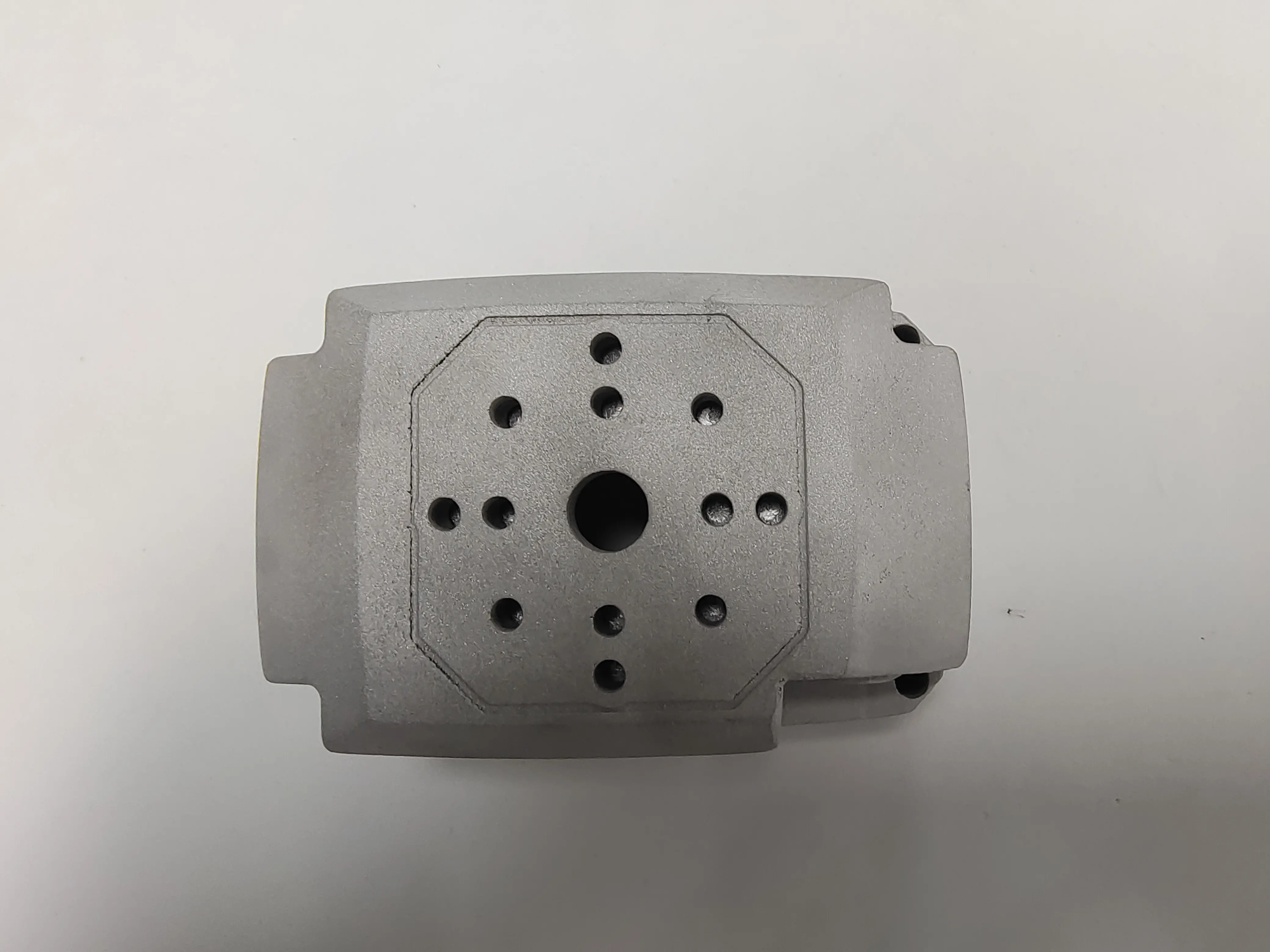
- This is Gretel’s advantage! their advanced SLM (selective laser melting) printer Specializing in machining metals such as stainless steel and titanium, which are essential for mission-critical hydroponic components that require unparalleled durability and sanitary conditions. Consider precision nozzles for aeroponics, high-pressure pump housings, or custom brackets to secure heavy-duty grow beds.
Smart design considerations
- Watertightness and airtightness: Design seals (O-ring grooves), thick walls, or incorporate thin films into printed parts. Stick to printers designed for waterproof production (resolution tolerance). Metal parts naturally excel here.
- Smooth surface: Minimize gaps for algae/bacteria growth. Rejected geometries exhibit internal polished surfaces or smoothly flowing curves. Post-processing