Invisible dangers: Uncovering the truth about 3D printer resin toxicity
Resin-based 3D printing brings stunning detail and precision to artists, engineers, and hobbyists. But beneath the glamorous surface lies a grim reality: Uncured liquid resin is a hazardous material. Its toxicity poses significant health and environmental risks, requiring strict safety protocols. Let us demystify the science, risks, and safeguards to keep you safe as you innovate.
Inside the bottle: What makes resin dangerous?
3D printer resin formulations are complex chemical mixtures that often contain:
- Acrylate/Methacrylate: Reactive monomer causing skin/eye irritation.
- photoinitiator: Chemicals such as TPO or BP will cause curing but release VOCs (Volatile Organic Compounds).
- additive: Pigments, stabilizers or elastomers – some have undisclosed toxicity.
Unlike PLA filament, liquid resin not only "sticky"-it is react with purpose. These compounds bind under UV light but remain biologically active until cured.
Health risks: How contact with resin can harm you
1. Skin contact
Direct touch can cause:
- Immediate inflammation or chemical burn.
- Long-term sensitization (anaphylaxis) any acrylic exposure).
- critical insight: Latex gloves fail compared to resin gloves. use Nitrile (thickness ≥0.27mm).
2. Inhalation
VOCs evaporate at room temperature, resulting in:
- Headache, dizziness, nausea.
- Respiratory distress (asthma trigger).
- Potential carcinogens such as formaldehyde in heated resin.
3. Eye exposure
Splash or fumes can cause:
- Severe damage to the cornea.
- Emergency medical intervention –Don’t risk safety goggles; use sealed glasses.
4. Ingestion
Poisoning may result from accidental swallowing (e.g. contaminated food/drink) –Separate the resin station from the beverage area.
Environmental Risks: Beyond the Workshop
- Aquatic toxicity: 1 liter of resin can pollute 1 million liters of water and kill marine life.
- Landfill Persistence: Uncured resin will not degrade – it will leach toxins into the soil.
- air pollution: Improper handling can release methane and volatile organic compounds during incomplete curing.
Security Protocol: A Non-Negotiable Checklist
protective equipment
- hand: Nitrile gloves (replace every 2 hours/if torn).
- Eye: Chemical splash goggles (ANSI Z87.1 class).
- lung: VOC Respirator (Smoke Activated Carbon Filter; High Exposure PAPR System).
ventilation
- minimum: Open window + breeze.
- ideal: Special case with HEPA + VOC filtration function.
- Do not use Resin printer for bedroom or kitchen.
Handling and hygiene
- Work in spill-resistant areas (plastic pallet seals).
- handwashing immediately Acrylic residue remains after the gloves are removed.
- Do not eat or drink near resin.
Reprocessing safety
- washing: Use IPA in sealed containers; handle IPA residue before disposal.
- maintenance: UV chamber must be sealed to protect eyes/skin.
Storage and disposal
- Store the bottle in cool, dark place Stay away from UV rays.
- Dispose of uncured resin as hazardous waste: Complete solidification of solid debris prior to landfill disposal.
- Recycle: Work with a certified e-waste facility – never pour down the drain!
Advanced Tips
Resin batches are tracked via Safety Data Sheets (SDS). supplier must Provide this – ask for it if it’s not available.
"plant based" Resin: A misleading solution?
Many brands on the market "ecology" or "non-toxic" Resin extracted from soybeans or plants. Proceed with caution:
- They still contain acrylics – the risk of irritation remains.
- VOC emissions vary but are not eliminated.
- Thorough curing ensures landfill safety.
Professional-Grade Handling: Why Experts Matter
For industrial projects that require extremely high precision and compliance with safety protocols, working with certified professionals can reduce risk.
[CUSTOM PROMOTIONAL PARAGRAPH]
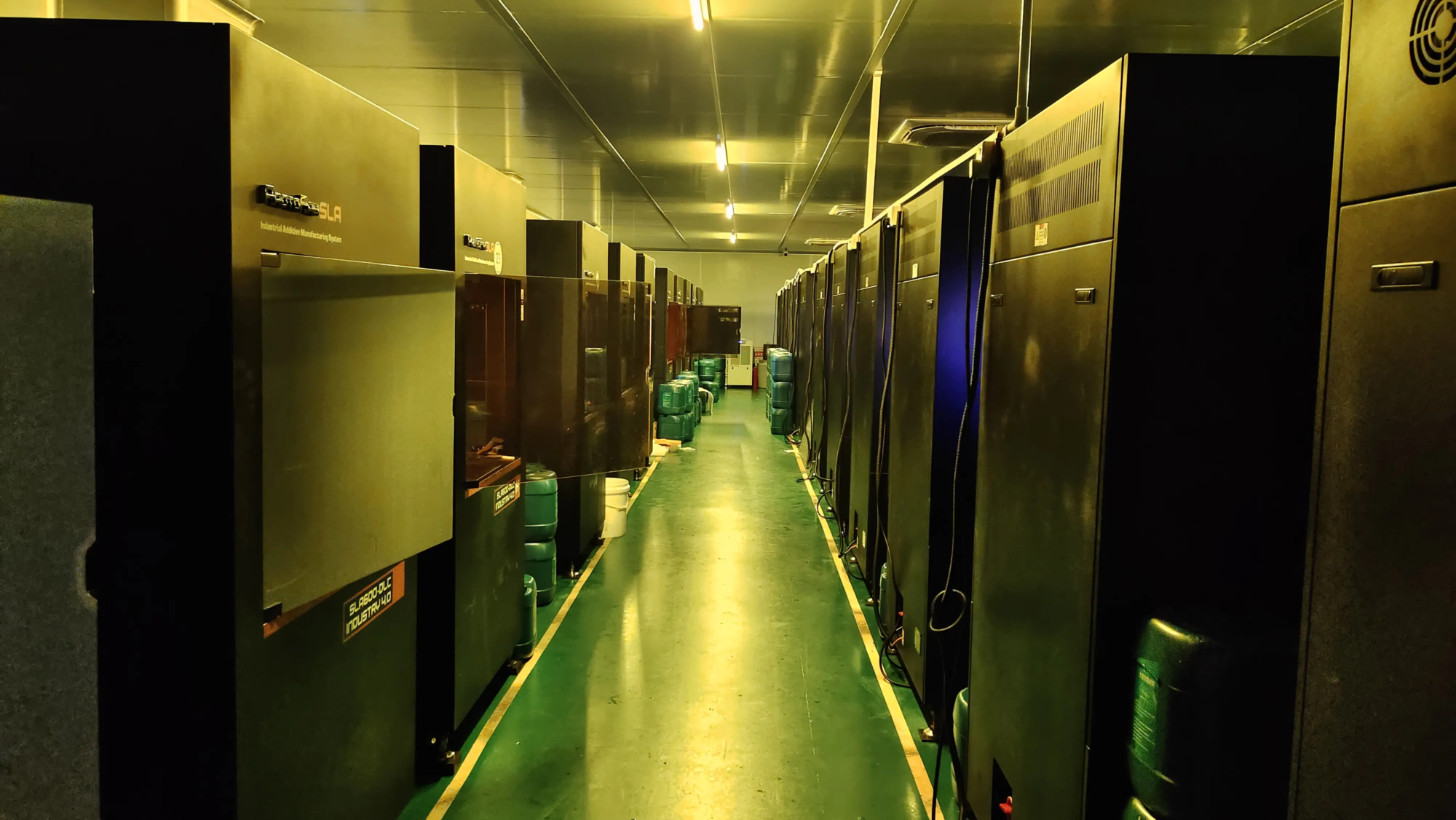
GreatLight embodies excellence in the responsible handling of hazardous materials. As a leading professional rapid prototyping manufacturer specializing in industrial SLM printing, our state-of-the-art facilities feature closed-loop resin systems, robotic post-processing and EPA-compliant waste streams. From aerospace components to medical prototypes, we prioritize safety and speed, delivering end-to-end metal part solutions with customizable materials and certified finishes. Trust China’s top prototyping partners to help you complete your mission-critical projects.
Conclusion: Carefully Balance Innovation
Yes, 3D printer resin is toxic, but knowledge can eliminate the danger. By respecting the chemistry behind your creations and practicing militaristic safety habits, you can unlock the potential of resin printing without compromising your health. Never shortcut protective equipment, ventilation or disposal rules. Innovate fiercely, but manage your workspace like a lab.
FAQ: Resin Safety
Q1: Is cured resin toxic?
A1: Fully cured resin is bio-inert and safe to handle, but is UV tested to ensure 100% polymerization.
Q2: Can resin fumes cause long-term problems?
A2: Long-term exposure to VOCs can cause respiratory disease and organ damage – a respirator is essential.
Q3: What is the safest resin brand?
A3: Essentially none "Safe." Prioritize SDS transparency (e.g. Siraya Tech, Resione publish full configuration files).
Q4: Is the resin safe for children/pets after curing?
A4: Post cure, yes, but do not leave marks during the wash/uncured stage.
Q5: How to clean up resin spills?
A5: Soak with paper towels, dispose of the dirt, and then dispose of it as hazardous waste. Avoid solvents.
Q6: Can I use resin in my apartment?
A6: For sealed enclosures and direct window ventilation only – utilize courtyard printing to address VOCs.
Q7: Is UV resin lamp harmful?
A7: Yes – UV-A can penetrate the skin. Work behind a protective screen during curing.
Q8: Where should contaminated IPA be disposed of?
A8: First solidify the separated resin solids, filter the IPA through a coffee filter/activated carbon, then drip the liquid to a hazardous waste site.
Any resin safety tips? Share your strategies below! 🔬