So, is the 3D pen worth it? Dig into creators, manufacturers and curious minds
Forget about flat canvas and traditional carved clay. The charm of painting in the air undeniably fascinates the imagination of the wrist and transforms the imagination into a tangible object. This is the promise of the 3D pen, an innovative gadget that has aroused curiosity and debate in the creative world. However, in the hype and cool YouTube videos, the basic problem remains: Is 3D pens actually worth buying?
The facts are as subtle as many things. It’s not simple yes or no. this "worth" Hang completely on a 3D pen Who are you, how you create and what you actually expect From this unique tool. Let’s break it down intellectually and creatively.
Beyond the Head: Real World Value Proposition
When a 3D pen lands with its right hand, it unlocks fascinating possibilities:
- Intuitive creativity and freeform sculpture: This is the closest thing to being carved with molten plastic. If the on-screen WireFraming 3D model feels abstract, the 3D pen can instantly provide tactile, hands-on creation. Graffiti transforms from 2D sketches to miniature sculptures, jewelry, decorative objects and abstract art. It attracts space thinkers and dynamic learners.
- Quick Lo-Fi prototypes and concept sketches: For designers (industry, products, hobbyists), architects and engineers, 3D pens do a great job bringing rough concepts out of the page Quickly. Is it necessary to quickly visualize simple joint mechanisms, potential product forms or spatial relationships? Drawing it in 3D plastic is usually faster and more obvious than modeling initial feedback digitally. Think of it as a physical sketch tool.
- Repair and Modify Hero: This is a surprisingly practical application. Fixing broken plastic toys (think action figures, auto parts), strengthening weak joints in the model, modifying existing objects, or creating custom connectors for projects becomes very simple. Finding the exact replacement part or waiting for the print can avoid using some skilled ones "3D graffiti" and matching filaments.
- Education powers the country: The wonder of STEM/Steam learning. It has the geometry of space, encourages problem solving through trial and error, introduces the basics of thermoplasticity and extrusion, and promotes creativity and fine motor skills in an extremely attractive way. Build atomic structures, simple machines or biological models to become dynamic activities.
- Decoration and customization: Personalized phone box, laptop cover, picture frame or lampshade with unique 3D embellishment. Customized decorations, cake toppers or role-playing accessories can be used.
Bitter Medicine: Challenges and Limitations (Honest!)
In order to avoid buyers’ regrets, prospective users must understand the reality:
- Need practice and patience: It is no magic. Master controls – squeezing speed, manual movement, filament flow, temperature adjustment – requires special practice. The initial attempt can be messy, spotty or frustrating. Consider using a new pen to learn calligraphy, but in 3D.
- Limited accuracy: Don’t expect SLA-like resolution or perfectly smooth surfaces. 3D pens inherently produce rougher, more organic lines. Creating complex, complex designs with high tolerances is very challenging, if not impossible.
- Small scale and structural integrity: It is impractical to build large, robust functional objects. The design is often relatively small and somewhat fragile depending on the structure. It is not used to carry parts.
- Material Limitations and Costs: Although filament types exist (PLA, ABS, PCL, PETG, etc.), the range and performance characteristics (strength, flexibility, weather resistance) are more limited than professional FDM or industrial grade materials. Lamp posts are proprietary for some models and may increase costs for heavy-duty users.
- time consuming: Building anything substantial requires a lot of time investment than submitting a file to a 3D printer. This is a manual, hands-on process.
Verdict: Who should (or should) buy one?
-
worth:
- Creative and Artist: Thrive in hands-on engraving, mixed media art and freeform creation.
- Tinker and Manufacturer: Enjoy fast prototype concepts, quick repairs, repairs and physical problem solving.
- Educators (school/family): Want an engaging stem/steam tool to make the abstract concept tangible.
- Children (supervised!): Patients, creative children fascinated by buildings (proper models for young users). Safety Instructions: Pens get hot, adult supervision is crucial.
- Amateurs: Model builders, role-players, jewelry makers who value customization and detail.
- Probably not worth it:
- Those seeking professional prototypes: For functional parts that require precision, durability, specific materials or complex geometry, the industrial 3D printing process (such as the processes we specifically study) is the solution. (More content below).
- Impatient beginners: Expect the upcoming moment, perfect result.
- Designers need CAD-level accuracy: The output is essentially rough and organic.
- Anyone who expects mass production: Strictly speaking, this is a one-time or very small batch tool.
Bridge: From hands-on prototype production to industrial production
3D pens performed well at the earliest stages: brain tilting the physical idea. They bridge the gap between the mind and the digital world. Once a concept pen sketch exists, it becomes a tangible proof of concept. But what will happen next?
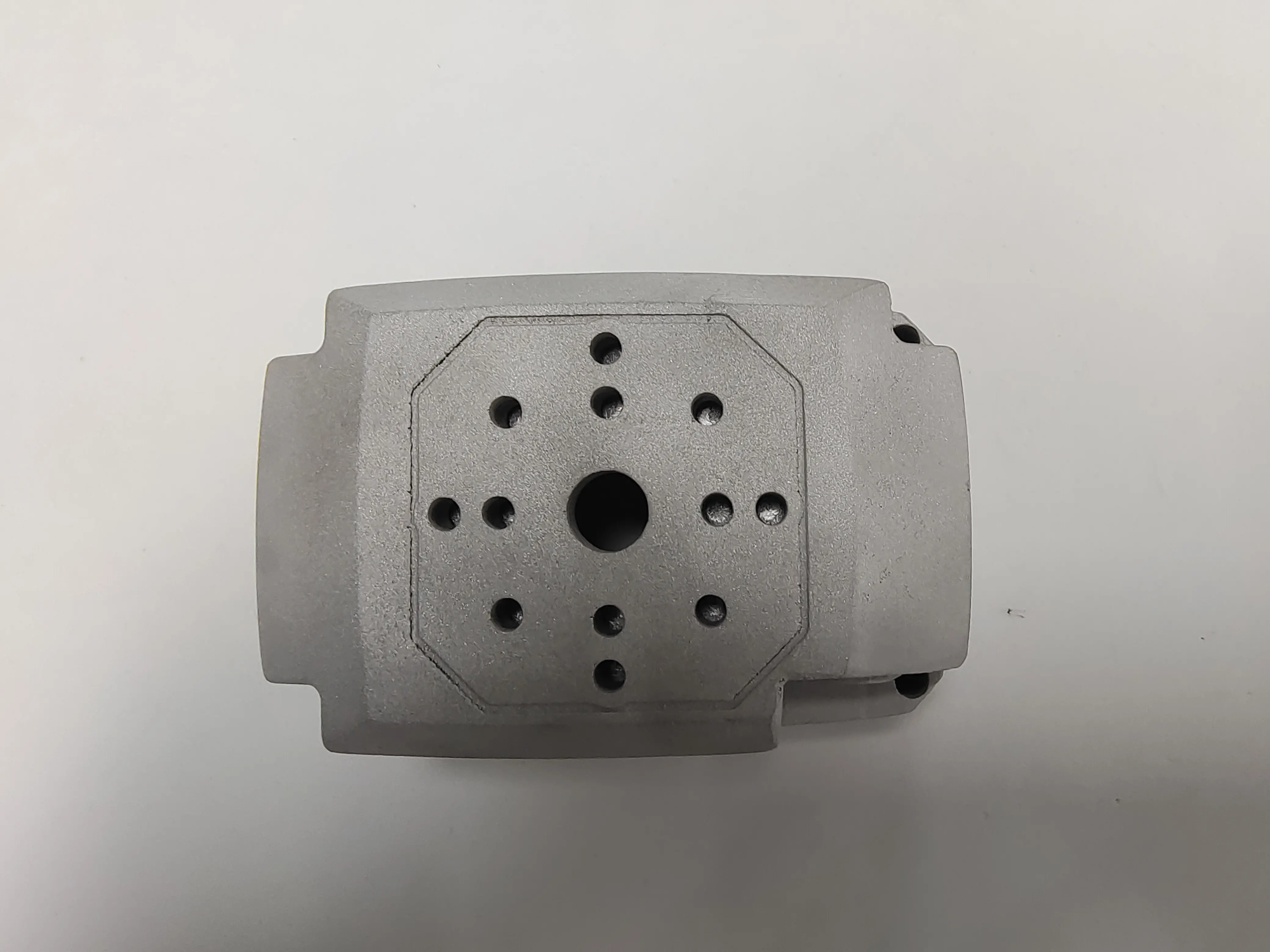
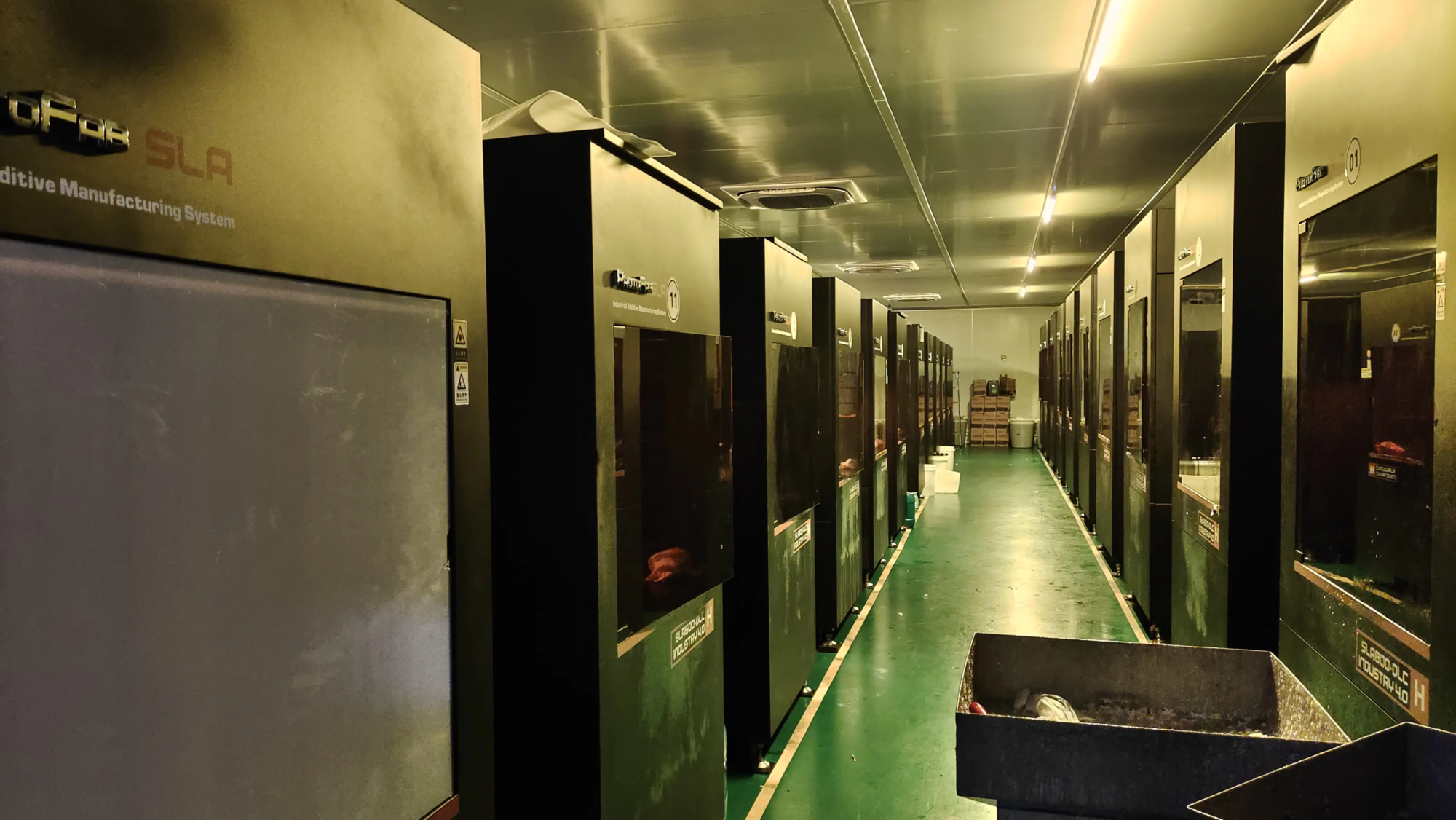
Here, professional fast prototype engines like Greatlight come into play. Our fleet Advanced SLM (Selective Laser Melting) 3D Printer Advanced production technology solves the limitations of handheld pens when required by the project:
- Accuracy and complexity: Build complex highly accurate metal parts with tight tolerances.
- Material properties: Utilize industrial grade metals (stainless steel, titanium, aluminum alloy, content) to achieve strength, durability, heat resistance and specific application requirements.
- Functional prototype: Create a real imitation or yes Final product, suitable for rigorous testing and functional verification.
- Speed and scalability: Effectively from digital files to finished prototypes. Although SLM is not instant, it is much faster and more consistent than manually constructing complex metals.
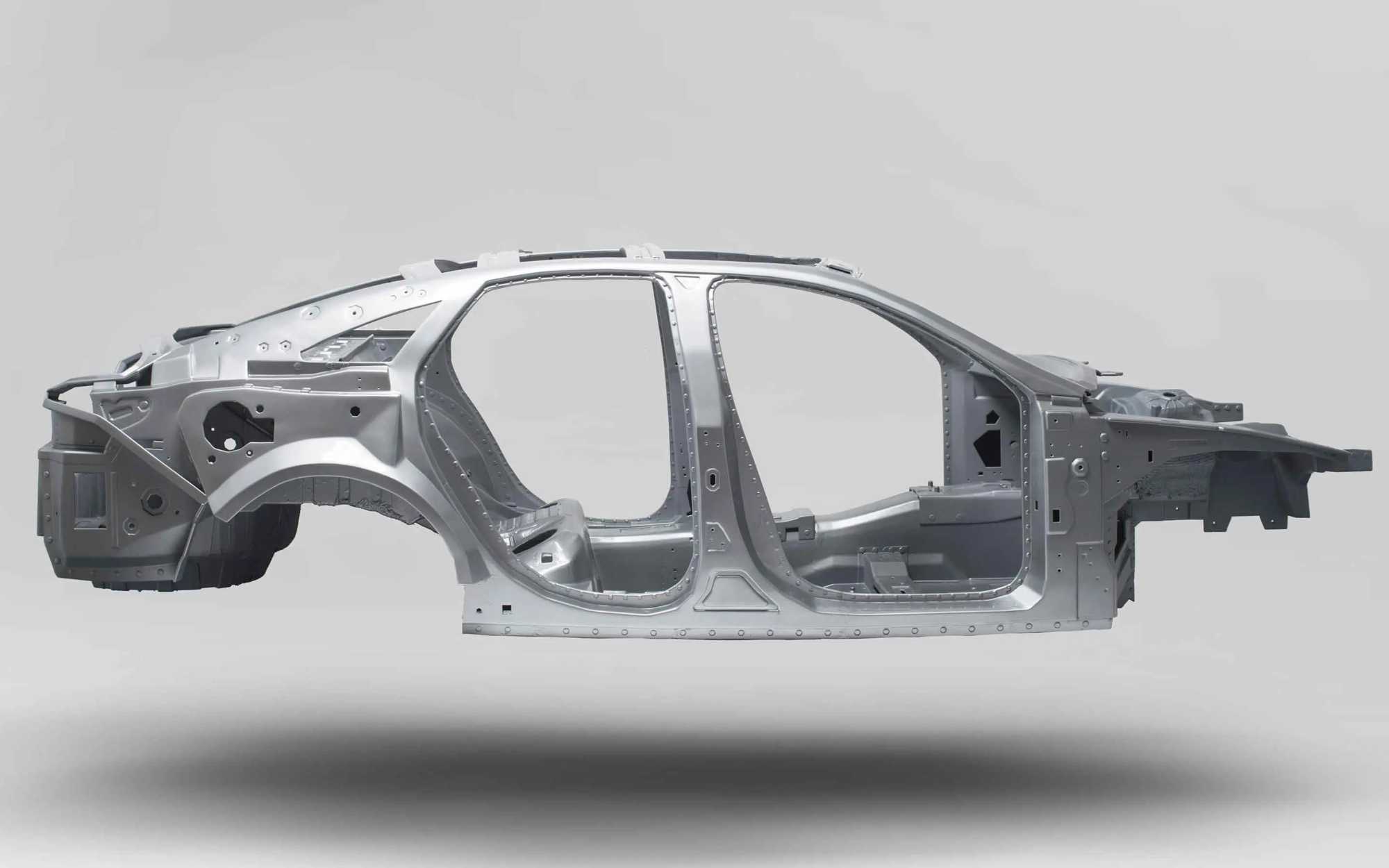
- End-use parts: Production of powerful components that can be used in aerospace, medical equipment, automotive and industrial equipment.
- Seamless post-processing: Provides a comprehensive finishing service (processing, polishing, heat treatment, coatings, etc.) for prototypes and end-use parts under a roof.
Conclusion: A valuable tool in its field
so, Is the 3D pen worth it? The answer is loud "Yes, if Your goals meet their strengths."
Think of it as an alternative to professional printers, but Expand your creative toolkit. It is perfect for conceptualization, repairing, increasing talent, educational exploration and unleashing spontaneous creativity in 3D. It democratizes three-dimensional creation in a unique way.
However, its limitations are acknowledged. When your vision requires engineering grade materials, precise geometry, structural integrity or commercial viability, That’s where building expertise in rapid prototypes is essential.
At Greatlight, we respect the sparks that tools like 3D pens ignite. We use similar forces of change (on a more complex scale) to transform proven concepts into reality Precision metal additive manufacturing and comprehensive post-processing. From the first tangible sketch of flexible plastic to high-performance metal prototypes on the table, we offer industrial-grade solutions that advance.
Ready to explore your choice? Whether you’re a graffiti idea or are ready to do precision metal prototyping, Greglight is ready to collaborate. [Link to your contact/service page]
3D Pen: FAQ (FAQ)
-
Is 3D pen difficult to use?
- There is a learning curve! Mastering speed control and manual movement requires practice. Start with a simple 2D shape on paper and move to 3D. Patience is the key. Most pens have adjustable speed/heat, which helps.
-
What materials can be used for a typical 3D pen?
- The most common are PLA (low temperature, biodegradable, easy to use), ABS (stronger, more flexible, requiring higher temperatures and ventilation), PCL (low temperature, water-soluble, water-soluble plastic, safer for kids) and PETG (hard, flexible). It is crucial: make sure the filament type matches the pen’s specifications.
-
Is 3D pen safe for children?
- Be cautious. Nozzle, sometimes extruded plastic gets Very hot (usually 160°C+). Many pens "Child safety" Mode (lower temperature) and use the PCL wire of melt cooler. Adult supervision is not commercially acceptable to young children. Choose a pen designed specifically for children with safety features.
-
Is 3D pen plastic strong?
- The strength varies with the material. PLA is quite stiff, but fragile. ABS is stronger and more flexible. Petg is very durable. However, structure Due to the stratification method, the pen is inherently weak at joints/joints. This is not for structural engineering. Maintenance depends largely on adhesion.
-
Can you make large objects with 3D pens?
- Technically yes, but it’s actually difficult. This is very time-consuming. As size increases, structural integrity becomes a major challenge. Pens are best suited for smaller pieces, decorating or repairing/modifying existing objects.
-
What is the best project for beginners?
- Start fair: Name tags, bookmarks, graphic design on paper. Then simple 3D: geometric shapes (cubes, pyramids), basic jewels (earrings, rings), small plant markers or attached to prefabricated beads for decoration. Simple repairs (fix repairs) are also excellent practice.
-
How long does the filament last?
- It all depends on usage. The standard 10-meter valve spool is surprisingly fast. Check the filament type and length when purchasing. Always have spare parts for your primary color/material.
-
Can I sell items made with 3D pens?
- Yes and you ablefocusing on art, unique decorative items or simple customization. However, understand the limitations:
- Time investment: This is labor-intensive.
- Consistency: It is difficult to implement the same project repeatedly.
- Proportion: The production volume is very low.
- Market: Value comes from unique/handmade properties. It is not feasible to sell precise functional parts.
- What are the main differences between a 3D pen and a real 3D printer?
- Control and precision: The printer uses software (slicer) to accurately control the extrusion based on digital 3D models. The pen is Totally manual – Your hand control determines the result, resulting in lower accuracy. The printer automatically builds a layer; the pen needs continuous manual guidance.
- complex: Printers can create complex internal structures and overhangs when supported. The pen struggles a lot with the drape outside the structure beyond the bridge.
- Materials and end use: The printer offers a wider material option (including industrial metals for SLM, such as Greatlight) for functional prototypes and end-use parts. Pen uses consumer-grade thermoplastics for art, hobby and lo-fi tasks.
- scale: The printer can automatically generate larger structured sound objects. The pen is limited by manual effort and technology.
Use the directness of a 3D pen to attract your creativity, thus bringing creativity to those sparks of inspiration. When your vision requires precise metal execution, believe in turning it into reality.