Inspiring Innovation: The Ultimate Guide to 3D Printing Jack-O-Lanterns
The humble jack-o’-lantern—carved from a pumpkin and glowing in candlelight—is a timeless symbol of Halloween. But what if you could defy convention and create eccentric masterpieces that would last for seasons, feature incredibly intricate details, and be impervious to decay? This is the transformative power of 3D printing. Forget pumpkin pulp and slippery knives; enter the world of durable, reusable, and infinitely customizable 3D printed Jack-O-Lanterns. Whether your goal is classic glamor or futuristic metal ghouls, this guide will light your way.
Why 3D print Jack-o-lanterns?
- Lasting magic: PLA and PETG do not break down. Your creation can be preserved year after year and safely stored until next Halloween.
- Design freedom: Having trouble engraving accurately? 3D printing doesn’t work! Think intricate geometric patterns, detailed facial expressions (ranging from terrifying to whimsical), franchise characters, intricate lace-like cutouts, and even fully sculpted scenes wrapped in lanterns. Software is your only limitation.
- Perfect structure: Achieve uniform wall thickness, perfect symmetry, and consistent light diffusion—essential for a professional look impossible to achieve in organic pumpkin carving.
- Lighting options: Beyond Fire! Integrate cavities specifically designed for LED tea lights, twinkling bulbs and even programmable RGB strips for mesmerizing effects.
- Material Versatility: Beyond plastic! FDM printers offer PLA in festive orange and glow-in-the-dark filaments, while resin prints deliver ultra-fine detail. Want a truly unique, high-end piece? Metal 3D printing opens up a world of possibilities (more on that later).
Your step-by-step guide to 3D printing
1. Design your weird spectacle:
- Find your inspiration: Sites like Thingiverse, Printables or Cults3D offer countless pre-made Jack-O’-Lantern models – a great place to start.
- Get creative: Design your own! Tools like Tinkercad (for beginners), Fusion 360 (parametric control) or Blender (organic sculpting) allow you to unleash your imagination. Key considerations:
- Hollow out: Your model must be hollow! Wall thickness is critical: 1.5-3mm for FDM and 1-2mm for resin. Thicker walls block light; risk vulnerability is reduced. Design escape holes for uncured resin or support material.
- cutting edge: Carefully define the parts that light passes through (eyes, mouth, pattern). Make sure the details are large enough to print reliably.
- Top access: Design a removable lid section, preferably with anchor points or lips to ensure a secure fit. Standard pumpkin stems work visually!
- Light integration: Plan the placement of LED/bulbs. Includes internal wall brackets or clips for mounting. Make sure the light channel is connected internally.
- Test print: Print small complex parts (like teeth) first, then move on to full multi-hour prints.
2. Materials Matter: Choose Wisely for Your Ghouls
- FDM Filament (most common):
- PLA/easy to print: Affordable price, wide range of colors (orange, glow, clear), perfect for beginners. Avoid direct heat near strong light bulbs/candles.
- Polyethylene glycol: Tougher and more heat-resistant than PLA, ideal for outdoor use and durable. Printing is a little more complicated than PLA.
- ABS: Sturdy and heat resistant, but requires heated bed/enclosure and ventilation due to fumes. Gradually declining in popularity compared to PETG/PLA.
- Glow/Effect Filament: The LED produces a wonderfully weird effect when turned off. NOTE: These filaments are often abrasive (use a hardened nozzle).
- Resin printing (SLA/DLP):
- Standard/Tough Resin: Provides unparalleled detail for intricate patterns and smooth surfaces. Requires UV curing. Less impact resistant than FDM parts – handle with care.
- Clear/Casting Resin: Can beautifully mimic the frosted glass pumpkin effect. Requires thorough cleaning and curing.
- Metal Printing (for premium/custom awards/trophies):
- Stainless steel (316L), aluminum alloy, titanium: Unparalleled durability, weight and reputation. Consider permanent outdoor fixtures, awards or ultra-luxurious decor. Ideal for complex thin-walled hollow shapes, protected from structural stresses.
3. Printing Successful: Slicer Settings and Optimization
- direction: Positioning the lantern opening up. Minimize overhangs requiring support from internal details. Flip it over with such intricate features like teeth facing upwards.
- support: Basic! use "Tree" Support devices in modern microtomes make removal easier and reduce scarring within delicate incisions. If possible, avoid bulky internal supports through clever orientation.
- filling: unnecessary! Set padding to 0%. You just want cavity walls. Make sure the slicer doesn’t add "adaptive layer" Unintentionally.
- Wall/Perimeter: Aim for 3+ perimeters/walls. This determines the main thickness and structural stability of the lantern.
- Floor height: Balance details and time. 0.15mm-0.2mm can get good FDM details, sub-0.1mm is suitable for resin. Larger lanterns can use 0.25mm layers.
- Velocity/Volume Flow: Medium speed (30-60mm/s FDM) ensures crisp drape and detail. Do not exceed filament limits!
- Adhesion: Recommended for highly printed edges. Skirt for resin tank gap.
4. Post-process your masterpiece:
- Support removal: Carefully pry/cut off the supports. Use a flat end mill and sandpaper or file.
- clean: Remove any traces of resin from the IPA and ensure complete curing. Sandblast FDM prints using compressed air to remove stray filaments/powder.
- Sanding/Smoothing: FDM prints usually require sanding (start around 200 grit and gradually refine). For ABS, steam smoothing is an option. If calibrated well, resin prints usually require minimal sanding. Fill gaps/pinholes with filler putty.
- Painting/finishing: Apply primer sparingly to avoid filling in details. Use acrylics or spray paint suitable for plastic/resin/metal. Wash/dry brush to emphasize depth. Clear coat provides protection. Metal pieces can be polished, powder coated (color!), rusted or chemically darkened.
- LED installation: If you need wires, drill/cut holes. Use glue dots, small racks designed into the print, or removable trays to secure the LED lights securely inside. critical: Never use real candles; to be safe, always use battery-powered LEDs.
When complexity meets craftsmanship: working with professionals
Designing and printing a truly elaborate Jack-O’-Lantern, especially one involving complex internal structures or premium metals, can present challenges beyond the scope of a consumer printer. Expanding the unique design requires precision engineering and advanced manufacturing techniques.
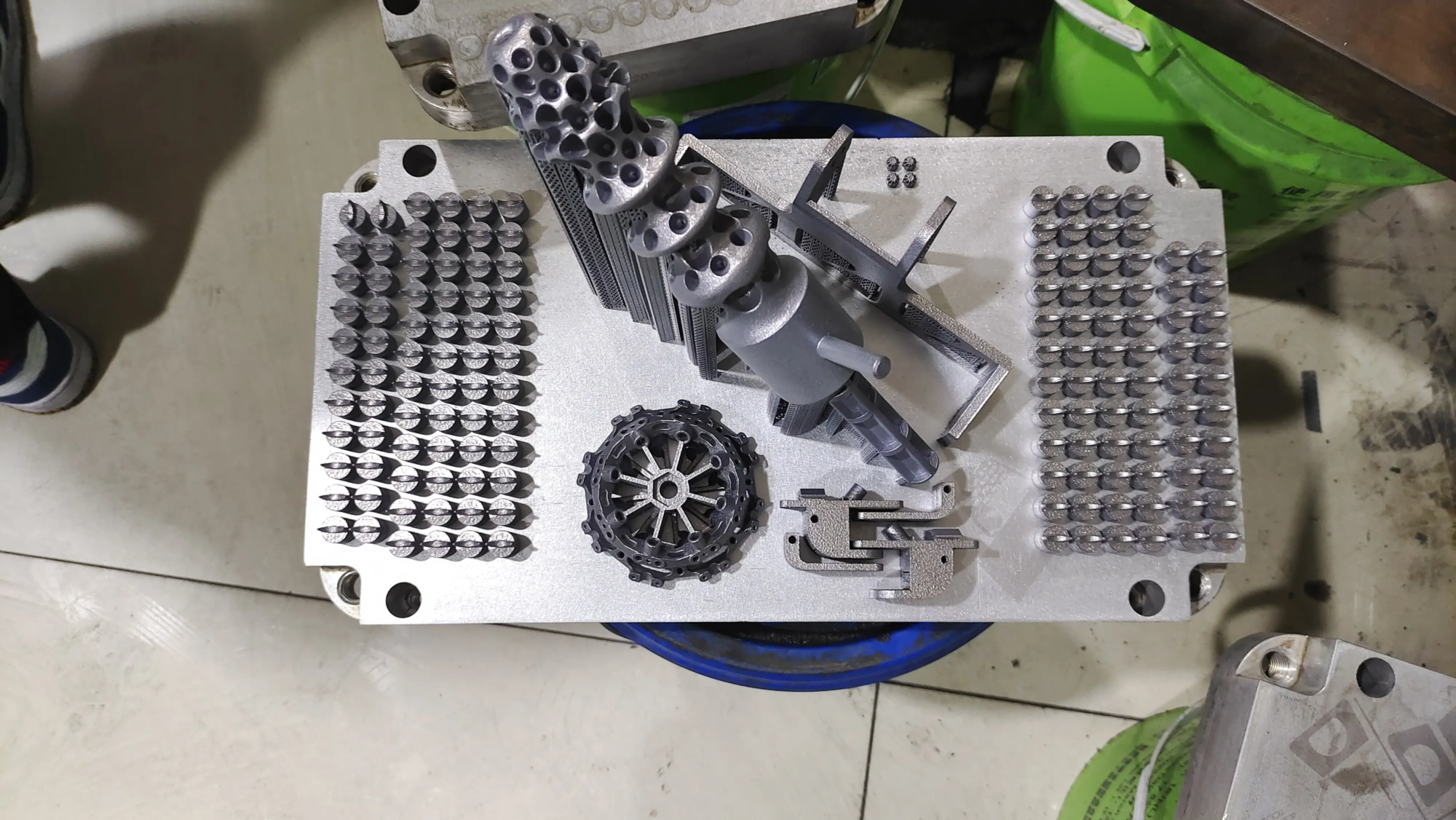
This is where to work with the experts rapid prototyping manufacturer Sparkling. company likes huge light Focus on connecting digital design to tangible reality. Equipped with cutting edge SLM (Selective Laser Melting) Metal 3D Printer and advanced production technology, they specialize in complex metal prototyping challenges. Whether you envision a custom titanium lantern as a permanent piece of art or a complex aluminum design with integrated mounting solutions, their technical expertise ensures structural solidity, dimensional accuracy and reliability.
In addition to printing, GreatLight also offers Comprehensive post-processing and finishing services. They are good at handling:
- Critical support removal: Make sure the intricate details in the metal remain pristine.
- Surface refinement: Polished, sand blasted (bead blast, steam) or precision machined to obtain a smooth surface or specific texture.
- Special coating: Plating, anodizing, powder coating or painting for unparalleled beauty.
- assembly: Integrate non-printed components such as specialized lighting hardware.
Most importantly, they offer Material flexibilitycan be customized using a variety of metals to suit your lantern’s function, setting and budget. If your jack-o’-lantern vision pushes the boundaries—whether it’s intricate complexity, demanding material specifications or exacting surface quality—leverage professional rapid prototyping to ensure your spooky centerpiece is not just printed, but crafted to perfection. their abilities Quick custom processing at reasonable prices Empowering creators to effectively bring ambitious visions to reality.
in conclusion:
Through 3D printing, jack-o-lanterns have evolved from a fleeting seasonal craft to a lasting, personalized art form. Utilizing FDM, resin and even high-end metal technologies can unleash unparalleled design freedom, allowing for structures that cannot be carved and celebrations that are not limited by decay. From simple smiles stenciled in PLA to engineering marvels born from metal powder, a gleam of innovation transforms Halloween traditions. With careful planning, wise material selection, skilled printing techniques, and optional professional partners for ultimate sophistication, your custom lantern is sure to captivate during the colder months of the year. Embrace the future of fear; light up your Halloween with tangible imagination.
Frequently Asked Questions (FAQ)
Q1: Can I use real candles in a 3D printed Jack-O-Lantern?
one: Absolutely not. At their core, plastic materials such as PLA, PETG, and resin are thermoplastic polymers. They begin to soften and deform at temperatures well below those produced by an open flame. Even metal can generate intense heat. The use of any open flame can have serious consequences fire hazard and may instantly melt or distort the print. Always use battery powered LED lights. They generate negligible heat and are safer.
Q2: What is the best material for outdoor pumpkin lanterns?
one: polyethylene terephthalate It is often the first choice for FDM printing due to its excellent moisture resistance, UV stability (compared to PLA) and superior toughness. ASA filament has better UV resistance. For resin prints, outdoor requires specialized UV stabilized resin. For permanent high-end outdoor installations requiring extreme durability and weather resistance, Stainless steel (316L) or specialized Titanium alloy Materials produced via metal 3D printing (SLM/DMLS) are an excellent choice. Make sure the design allows for drainage.
Q3: How detailed can a 3D printed Jack-o-lantern be?
one: resin printing Achieve stunning detail, perfect for capturing fine features like spider webs, intricate expressions or lace effects. FDM printers can manage surprisingly good detail (~0.15mm layers) with optimized settings and quality nozzles. Metal Printing (SLM) Impressive resolution is achieved, especially in thin-walled designs, but is often unable to match the microscopic details of resin at ultra-small scales – although rear surface finishing (polishing/texturing) can intelligently manage perception. All technologies enable complex interior structures with advanced lighting effects.
Q4: My printer has trouble printing fine details smoothly. How can I improve?
Answer: There are several factors that affect detail fidelity:
- slow down: For complex parts, reduce print speed significantly (~25-50%).
- Smaller nozzles/layers: FDM uses a 0.25mm nozzle with 0.1mm layers; resin defaults to finer layers.
- Temperature adjustment: Optimize hotend/print bed/resin exposure settings; too much heat/cold extrusion will suppress detail.
- calibration: Ensure the extruder’s electronic steps, flow and bed flatness are perfect – the resulting streamlines can significantly affect thin walls/sharp corners.
- cool down: Maximize part cooling fans during FDM printing to prevent sagging/sagging.
- Support strategy: Make sure supports don’t damage fragile features ("Touch build board only" environment).
Q5: How much does it cost to professionally produce metal jack lanterns?
Answer: The cost varies greatly depending on the situation. size, Material Density/Cost (Titanium > Aluminum), required surface finish complexity (polished vs. painted), Post-processingand batch size Volume discounts. Small to medium-sized complex metal lanterns manufactured in one go Powder metal printing (SLM/DMLS) usually ranges from $150-$800+. Unlike buying the printer yourself, pricing here is fairly linear, meaning there may be an unfavorable break-even point relative to consumer intent. Additionally, iteration requests that introduce minor engineering modifications are entirely achievable without the cost of retooling and thereby destroying problematic prototypes, leveraging a professional rapid prototyping provider that can strategically navigate these complex trade-offs to quickly evolve into a successful end result. Robust design minimizes unused structural surface volume, thereby reducing waste/cost, especially with expensive specialty alloys. Veterans like GreatLight leverage processing expertise and the economics of pooling orders to optimize manufacturing pipelines and offer attractive price points.
Q6: How difficult is it to design your own Jack-o-lantern?
Answer: Use tinkercade Allows beginners to quickly create extremely complex designs without extensive CAD training. Advanced sculpting/modeling software Things like Blender/Fusion360/ZBrush require a learning curve, but provide unprecedented creative freedom and engineering control. Beginner’s Pitfalls Include Inadequate Wall thickness toleranceImproper handling Overhang angletoo fragile geometries may weaken the print effect/output incompatibility. STL ignores expected printer specifications. It is recommended to conceptually simulate the design through sketches before proceeding with digital prototyping; testing scaled-down components can help anticipate integration challenges in advance, ensure that the overall intent is reflected predictably within the constraints of the prototype design, effectively manage budget commitments, and enable iterative improvements through a provider with the ability to seamlessly iterate the product.