Prepare for the Unpredictable: How 3D Printing Enhances Survival Preparedness
The world thrives on predictability, but life’s most defining moments often stem from chaos. Natural disasters, emergencies, or unexpected wilderness scenes remind us that being prepared is not paranoia, but caution. Enter Just in case 3D printinga transformative approach to custom survival tools tailored precisely to your needs. This emerging field combines customization, rapid manufacturing, and ingenuity to allow you to respond to situations where traditional equipment may malfunction or become unavailable.
Why choose 3D printing as a survival tool?
Traditional preparations rely on mass-produced kits, but they have limitations: generic designs, bulky, or critical components break when they’re needed most. 3D printing breaks this paradigm:
- Super customized: Adapt the tool to your environment (city, forest, desert or ocean). Modify the design for specific threats or physical requirements.
- On-demand production: Print replacement parts or entire tools when supply chains collapse. Downloadable files become a practical solution.
- Weight and space efficiency: Optimized design to make it ultra-lightweight and nestable, minimizing packaging weight without sacrificing practicality.
- cost saving: Prototype cheaply and produce only the essentials, avoiding overreliance on expensive retail kits.
Basic survival tools that can be 3D printed
From water purification to shelter construction, here’s how 3D printing is innovating core survival categories:
-
Water collection and filtration:
- Portable filter housing: Design a threaded connector optimized for locally available filter elements.
- Solar still components: Print condensation collector for collecting rainwater or purifying brine.
Material Tip: For safety-critical parts, use FDA-approved plastics such as PETG or TPU.
-
Shelter and repair system:
- Ultralight tent pegs and fasteners: Reinforced with internal mesh to prevent buckling in rocky soil.
- Field fix patch: Flexible gasket or gear clip with TPU printing for emergency repair.
Strength Insights: Parametric design allows you to increase wall thickness to ensure durability in harsh climates.
-
Fire starting and signaling:
- iron rod holder: Ergonomic handle that fits your hand perfectly, ensuring reliable spark generation in wet conditions.
- Foldable signal mirror: Folding design with retro-reflective surface to effectively target sunlight.
-
Medical auxiliary supplies:
- Custom plywood: Scans the injured area and prints a lightweight, form-fitting splint that’s much more comfortable than stock options.
- Disinfectant dispenser nozzle: Precision components used to disinfect water or wounds by controlling flow.
- Hunting/fishing tools:
- barbless fishhook: Print biodegradable PLA variants to avoid environmental hazards.
- trap trigger: Complex mechanisms like spring snares are impossible to manufacture in traditional ways without expensive tooling.
Professional 3D printing improves survival readiness
Desktop FDM printers excel at plastics, but not when survival demands it Extremely high durability, heat resistance or miniaturization. This is where professional manufacturing bridges the gap:
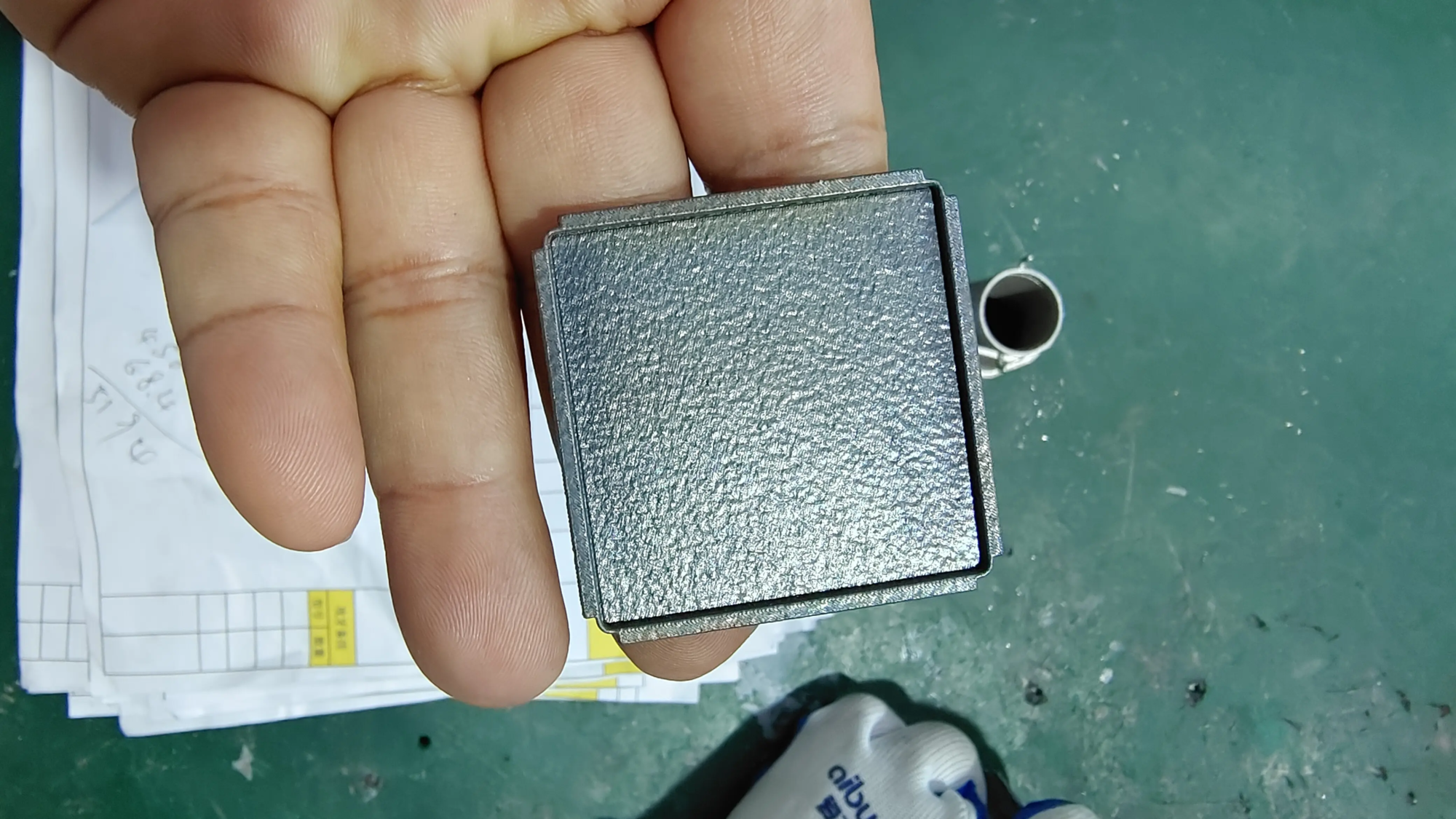
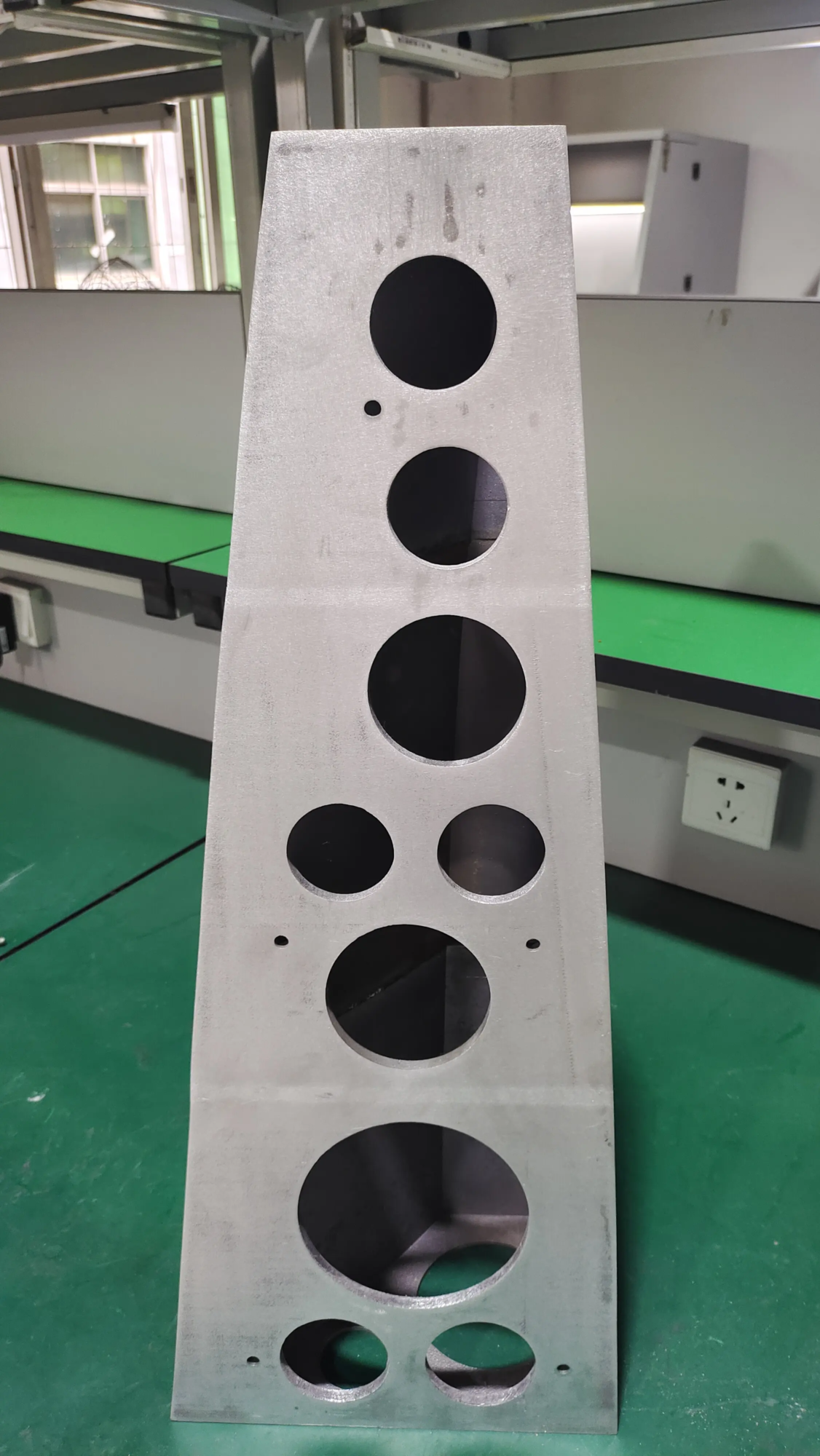
- Metal tool production: Critical components (blade, gear mechanism) require stainless steel, titanium or aluminum alloy.
- Micro precision: Parts such as bushings, springs or cut edges need to have tolerances below ±0.1 mm, which only industrial SLM (Selective Laser Melting) printers can achieve.
- Material diversity: Professionals handle engineering-grade polymers (PEEK, ULTEM) for high-temperature applications or biocompatible metals for medical tools.
huge lighta leader in advanced rapid prototyping, embodies this capability. They are equipped with state-of-the-art SLM printers to convert digital designs into ultra-precision metal parts. From initial prototype to post-processing (heat treatment, smoothing, coating), their one-stop service ensures each survival tool meets stringent functional requirements. Whether you need a corrosion-resistant water pump impeller or a titanium multi-tool, industrial 3D printing guarantees reliability and avoids failure.
Conclusion: Embrace adaptive preparedness
Survival isn’t about stockpiling gear, it’s about adaptable solutions. 3D printing transforms preparation from static kits to dynamic, user-driven creations. Whether you’re printing plastic hooks at home or working with an expert huge light For mission-critical metal parts, the technology makes it easier to use tools designed for recovery capabilities. In uncertain times, your most important asset is not just what you carry; It’s your ability to create what you need when it matters. Start designing. Be prepared.
FAQ: 3D Printed Survival Tools
Question 1: Which materials are the safest for food/water related prints?
For home printers, PETG or food-grade TPU is chemically inert and BPA-free. For pump casings or filters under pressure, professionally printed stainless steel (316L) or titanium guarantees zero leaching and structural integrity.
Q2: Can I print survival kits on a basic desktop printer?
Yes! Simple items like buckles, whistles or custom storage boxes work perfectly with PLA/PETG. However, load-bearing parts, blades or components that are subject to intense heat/friction require industrial printing in metal or high-temperature polymers.
Question 3: How durable are metal 3D printed tools compared to forged tools?
Professionally printed metal parts are heat treated and finished to match or exceed traditional manufacturing. For example, SLM-printed titanium is comparable to forged steel in terms of strength-to-weight ratio and corrosion resistance.
Q4: Are there any restrictions on 3D printing life-saving equipment?
There are complexities and material limitations. Electronic related tools (such as GPS devices) cannot print completely. Additionally, unless weather-resistant, prints may degrade under continued UV exposure.
Q5: Why choose Gretel to produce survival-critical parts?
GreatLight combines SLM 3D printing expertise with comprehensive post-processing (CNC machining, polishing, anodizing) to deliver precision metal parts suitable for extreme environments. Its rapid prototyping speed ensures timely readiness and material flexibility (aluminum, tool steel, copper alloys).
Question 6: Which file formats are best for custom orders?
Submit a STEP or IGES file of the mechanical design (geometry preserved). For complex organic shapes, 3MF/STL format is acceptable. GreatLight’s engineering team optimized pre-production files for manufacturability.
Q7: Can I legally print tools? Are there regulatory issues?
Most survival tools are not regulated, but locally restricted items (certain blades, firearm parts) require compliance checks. Always check regional laws before printing or bringing the device.
design. Print. Survive. Explore custom 3D printing tools with GreatLight’s rapid prototyping services – flexibility and precision on demand.