Unlocking rapid prototyping: K1C printer speed tested to its limits
In the fast-paced world of additive manufacturing, speed is not just a convenience but a game changer. For engineers, designers and manufacturers working against the clock, the Creality K1C is a great contender. But how does it actually perform under pressure? We put it through rigorous speed tests to separate hype from reality.
The need for speed: why it matters
In rapid prototyping, time savings translate directly into cost efficiencies and competitive advantages. Delays in iterative design cycles or end-use part production can derail projects. Enter the K1C: powered by Creality’s HyperOS and a maximum print speed of 500mm/s, it promises to reduce production times without compromising quality – and we put it to the test.
K1C Anatomy: More Than Just Speed
In addition to raw speed, the K1C packs features critical to professional workflows:
- Enhanced durability: The all-metal hot end is constructed of engineering-grade materials and can withstand temperatures up to 300°C.
- Material Versatility: Can handle abrasive composites such as PLA, PETG, ABS, and even carbon fiber-filled filaments.
- AI-powered monitoring: LiDAR-based automatic calibration and real-time fault detection minimize manual adjustments.
- Build volume: 220 x 220 x 250 mm – compact and practical for functional prototypes.
Speed Test: Methods and Results
We benchmarked K1C against industry standards using the following methods:
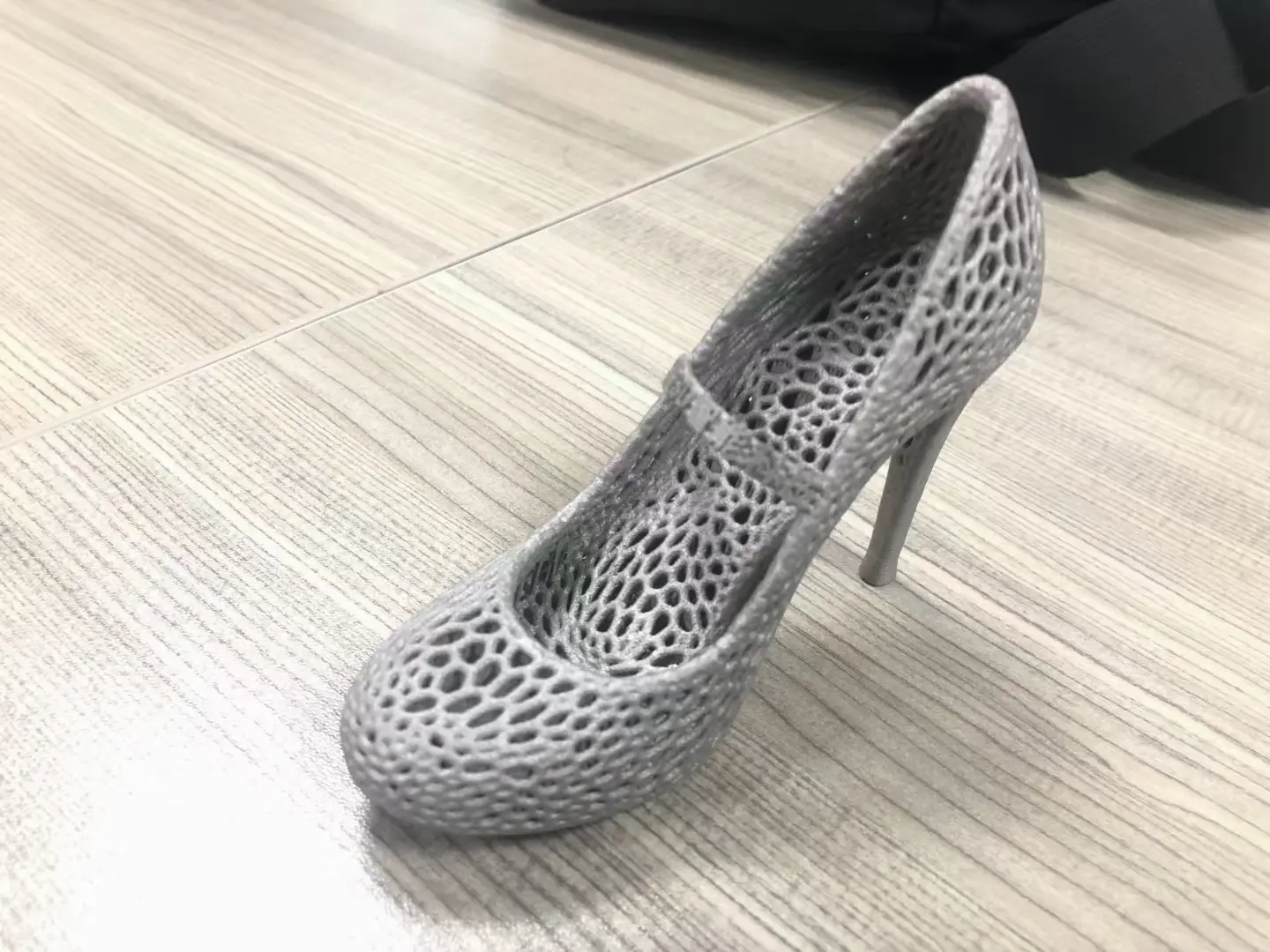
- Standardized model: 20cm3 alignment cube, complex lattice structure and gear assembly.
- Material differences: PLA (baseline), PETG (resilience focused), and Creality’s Hyper PLA (speed optimized).
- index: Print time, layer adhesion, dimensional accuracy and surface finish.
Key findings:
-
Calibration Cube (PLA):
- 300 mm/sec setting: Completed in 18 minutes (competitor average time was 45 minutes).
- Accuracy: Deviation ≤ 0.05mm – negligible for most prototyping needs.
-
Lattice structure (Hyper PLA):
- 500 mm/sec setting: Printing time is reduced by 60% compared to 250 mm/s mode.
- Artifact Note: Slight ghosting at sharp corners – managed with jerk control adjustments.
- Gear assembly (carbon fiber PETG):
- 400 mm/sec setting: 2 hours (older generation printers require 5+ hours).
- Strength: Tensile stress after testing showed no layer separation.
Speed determination: The K1C delivers unprecedented speeds, but the best results occur at settings below maximum. For complex geometries, 350–400 mm/s provides the best balance between speed and fidelity.
Deeper Insights: Beyond Speed
- Accuracy under pressure: At speeds of 500 mm/sec, the printer’s vibration compensation keeps dimensional tolerances within ±0.1 mm, which is impressive for a motion system.
- Material mastery: Thanks to the hardened nozzle, abrasive filaments (such as carbon fiber) flow smoothly. However, TPU requires slower speeds (maximum 250 mm/s) to avoid extrusion issues.
- Software collaboration: Creality’s slicer optimization reduces the risk of rapid cooling, a common pitfall in high-speed printing.
Pros and Cons: Unfiltered Effects
✔️Advantages:
- Best-in-class speed to cost ratio.
- Seamless setup and automatic calibration.
- Solid build quality for continued industrial use.
❌ Disadvantages:
- The noise level reaches 60 decibels at peak speed, which is not suitable for offices.
- Larger prototypes have limited build volume.
The GreatLight Advantage: Beyond Consumer Hardware
While tools like K1C can accelerate in-house prototyping, complex or large projects require industrial-grade solutions. where is this huge light Good at:
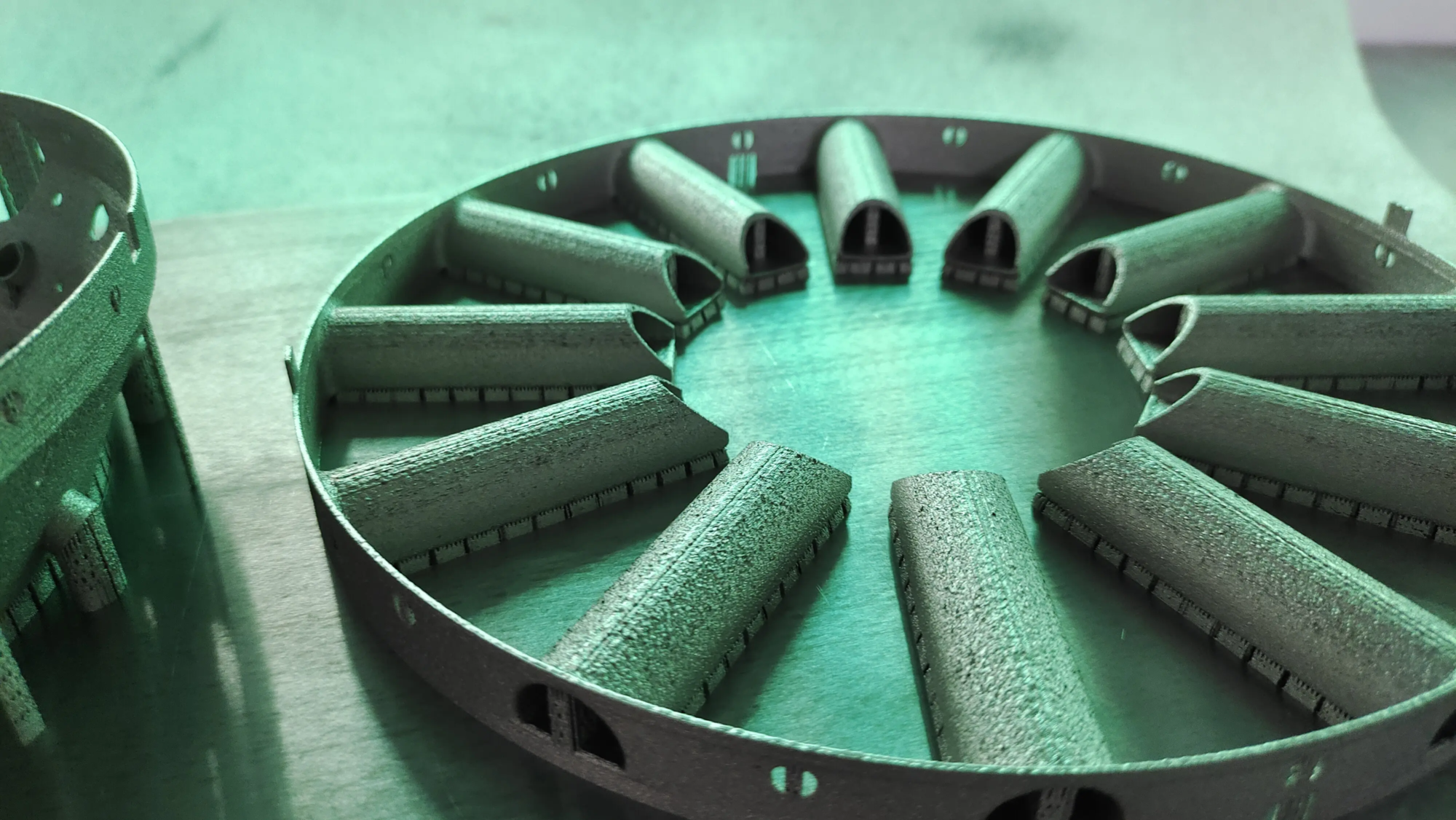
- Enterprise SLM Power Supply: Use metal to 3D print aircraft-grade aluminum or titanium parts.
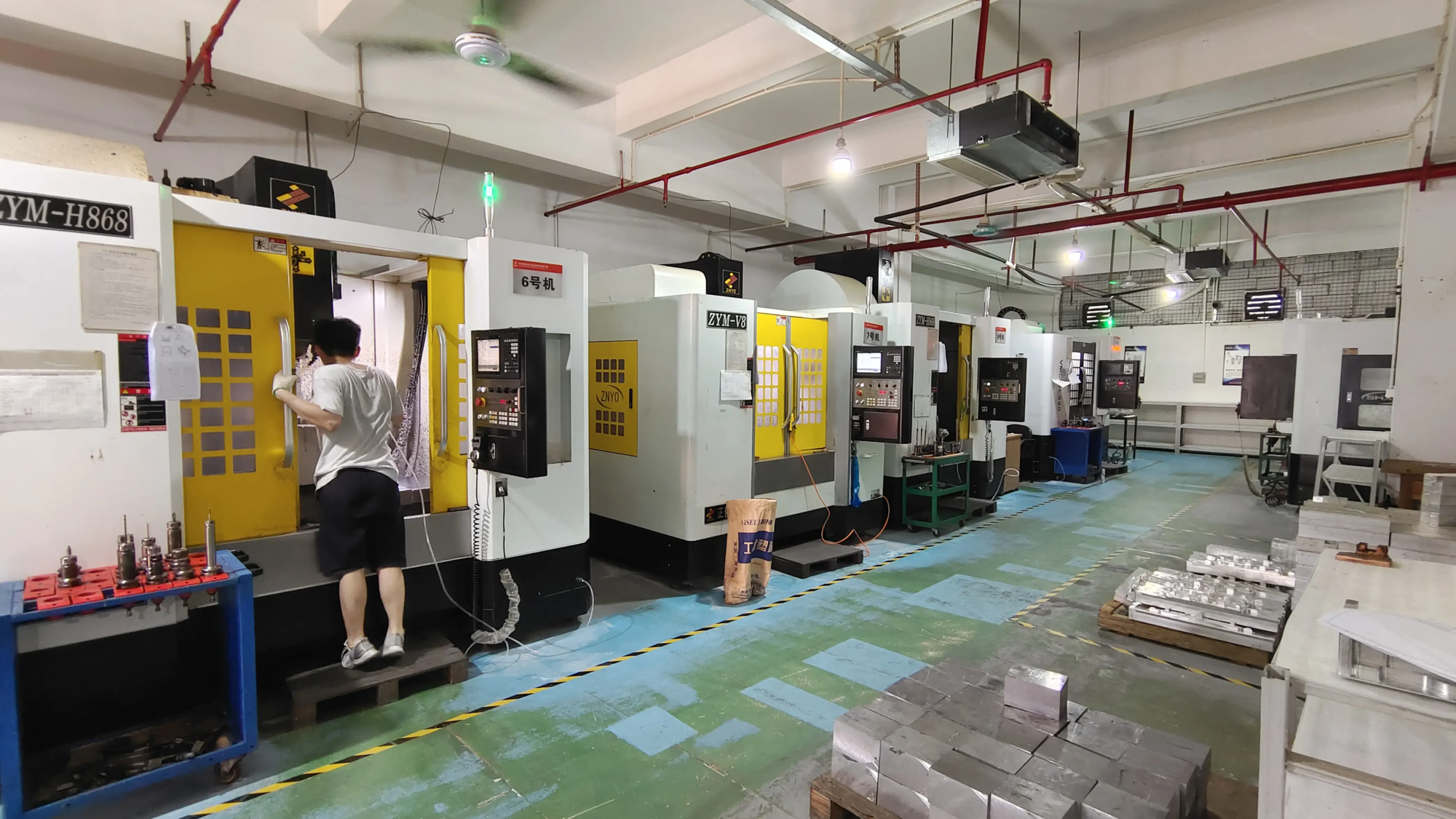
- One-stop post-processing: From CNC machining to anodizing and powder coating.
- Material freedom: Custom formulated alloys or engineering plastics to your specifications.
At GreatLight, we combine cutting-edge SLM printers with deep rapid prototyping expertise to quickly transform concepts into market-ready products.
in conclusion
The Creality K1C reshapes the consumer 3D printing landscape, proving that professional-grade speeds can be achieved without a five-figure investment. This is a compelling solution for functional prototypes, fixtures, or low-volume end-use parts. However, for mission-critical applications that require metal alloys, perfect surface finishes, or ultra-precision (±0.02mm), Professionals turn to professional partners like GreatLight. With industrial SLM systems and complete post-processing chains, we ensure that your prototypes meet aerospace, medical and automotive standards quickly and reliably.
FAQ
Q1: Can K1C really reach 500mm/s in actual use?
Answer: Technically yes, but 350–450 mm/s is practical "sweet spot" Used to maintain the integrity of PLA or PETG details. The speed of carbon fiber printing cap is about 400 mm/second.
Q2: Is K1C suitable for small batch production?
A: Absolutely – for plastic parts under 200mm and with non-critical tolerances. For larger volumes (>100 units) or metallic materials, GreatLight’s SLM printers offer increased throughput and material versatility.
Q3: How loud is the K1C at its highest speed?
A: The peak noise reaches 60 decibels (comparable to a vacuum cleaner). Use enclosures for noise-sensitive environments.
Q4: What are the biggest limitations of high-speed desktop FDM like K1C?
Answer: Physics. Cooling rates and vibrations become obstacles to achieving both speed and micron-level precision, and industrial printers use controlled chambers to alleviate this problem.
Q5: Why choose GreatLight for metal prototyping instead of desktop FDM?
A: GreatLight leverages SLM technology to overcome key desktop limitations and enable complex geometries in titanium, aluminum or tool steel that cannot be matched by FDM. We guarantee ±0.02mm accuracy, comply with ISO standards, and enable seamless scalability from prototype to mass production.
Ready to accelerate your prototyping? Explore GreatLight’s SLM capabilities and instant quotes today.