Seamless synthesis: KAWS, contemporary art and the power of 3D printing
Few names resonate as strongly in the contemporary art world as KAWS. Brian Donnelly, the artist behind the moniker, deftly blurs the lines between high art, street culture and commercial design, captivating a global audience with his instantly recognizable characters – companion, best friend, friend and accomplice. While initially known through graffiti and vinyl toys, the significant evolution of KAWS’s practice lay in his embrace of cutting-edge manufacturing techniques, specifically 3D printing. This technology not only helps production; It fundamentally shaped the aesthetic possibilities and monumental scale achievable in his sculptures. Understanding this synergy is crucial for boundary-pushing artists and makers.
From canvas companion to monumental creation: KAWS’s artistic trajectory
KAWS’ journey began on the streets of New York, where his subversive interventions in advertising attracted attention. His transition into designer vinyl toys in the late ’90s/early 2000s cemented his iconic image: characters like Companion, with X-shaped eyes and exaggerated cartoonish proportions, imbued with pathos and pop culture critique. These limited edition collectibles are often produced using traditional injection molding techniques, creating huge demand.
As his stature continues to rise, KAWS pushes the boundaries of small-scale vinyl. He began to transform his characters into monumental sculptures, turning materials primarily to bronze and increasingly Glass fiber reinforced composite materials Perfect for maintaining clean, smooth surfaces and vibrant colors. This is where 3D printing transformed from a peripheral tool to a central enabler of his ambitious vision.
3D printing: the silent engine behind KAWS’s grand vision
3D printing, or additive manufacturing (AM), encompasses a variety of technologies that build objects layer by layer from digital models. For KAWS, especially when creating large-scale sculptures for museums, galleries and public spaces around the world, polymer-based 3D printing serves several key functions:
- Complex prototyping and form validation: Before committing to costly and resource-intensive traditional molds (especially for large bronze pieces) or complex fiberglass layups, KAWS’s studio utilized high-precision 3D printing (such as stereolithography – SLA or multi-jet fusion – MJF) Produce detailed scale models and sometimes full-size prototypes. This allows for a thorough evaluation of complex curves, interlocking limbs, and the precise placement of iconic features such as skulls or exaggerated gloves forward Eventually production begins. It significantly reduces the risks associated with shape errors or structural defects in the final piece.
- Main mode creation: For sculptures produced by traditional methods such as bronze casting or high-quality fiberglass/polyurethane resin casting, a high-precision master mold is essential. Large-format 3D printing can create these master patterns directly from digital engraved files. This ensures absolute fidelity to KAWS’ original digital designs, capturing every nuance not possible through hand engraving alone. This model can then be used to create molds for casting multiple pieces.
- Implement design complexity: KAWS’ characters often feature intricate detail, smooth silhouettes, and unique balance (such as Companion’s oversized gloves or Chum’s intricate internal structure). 3D printing excels at producing geometries that are challenging or impossible for subtractive methods such as machining. This ability allows KAWS and his studio to conceive and execute forms that were previously impractical on a large scale.
- Material exploration: While resin casting still dominates, advances in large-scale metal 3D printers point to a potential future. Technology such as Selective Laser Melting (SLM) or Direct Metal Laser Sintering (DMLS) It is theoretically possible to directly print complex metal sculptures using stainless steel, titanium or special alloys. While perhaps reserved for specific projects due to cost and scale, it provides access to unprecedented material expression in sculpture.
Beyond prototyping: The rise of printed sculpture?
While KAWS’s major monumental sculptures often rely on traditional casting methods supported by 3D printed patterns, smaller editions and collectibles increasingly employ direct 3D printing as the primary manufacturing method. Stereolithography (SLA), Known for its exceptionally smooth surface finish and high detail resolution, it is a popular choice. After printing, the parts undergo meticulous post-processing—cleaning, curing, sanding, priming, and masterful hand-painting—to achieve a museum-quality finish that is indistinguishable from traditionally manufactured parts. This approach enables flexible production runs and captures extraordinary detail.
Gretel: Precise partners empower artistic innovation
For artists, designers, and studios pushing the boundaries of sculpture and collectibles—whether creating monumental pieces inspired by KAWS or forging entirely new paths—working with a prototyping expert with deep additive manufacturing knowledge and capabilities is non-negotiable. huge light Demonstrates this expertise.
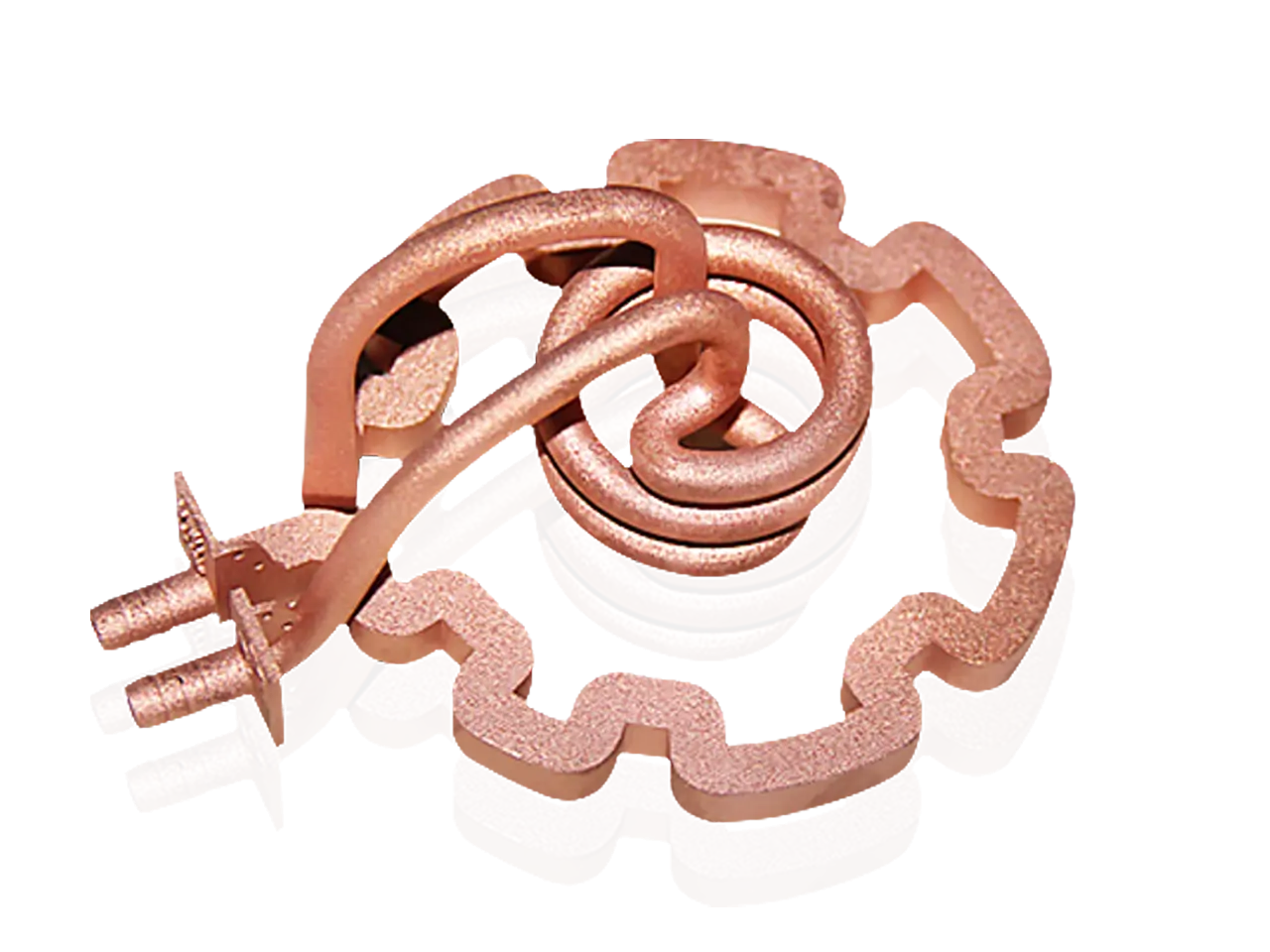
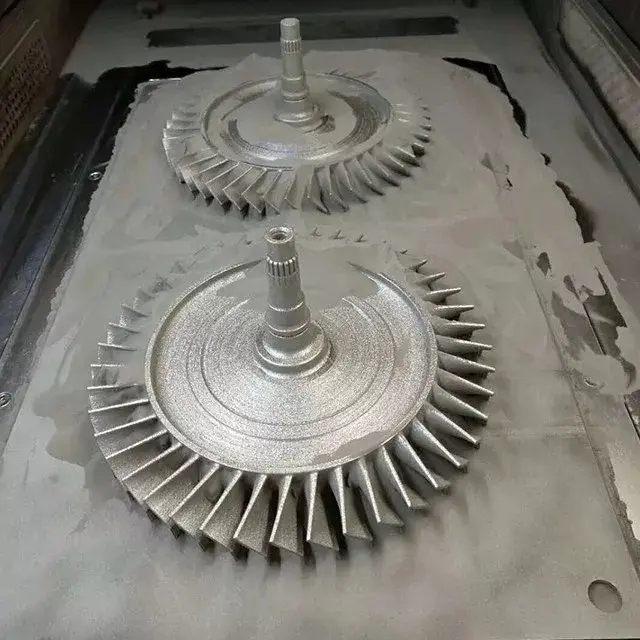
- Advanced SLM technology: GreatLight specializes in metal rapid prototyping, utilizing state-of-the-art technology Selective Laser Melting (SLM) 3D Printer. This enables the direct production of complex, high-precision metal parts. While KAWS primarily works with polymeric materials, artists exploring alternatives to bronze or incorporating custom metal elements can leverage SLM for unmatched metal design freedom.
- Polymer Prototyping Mastery: In addition to metals, GreatLight has extensive experience in high-definition polymer printing technology for complex master patterns, prototypes and small-scale production runs, as well as important steps in sculptural workflows.
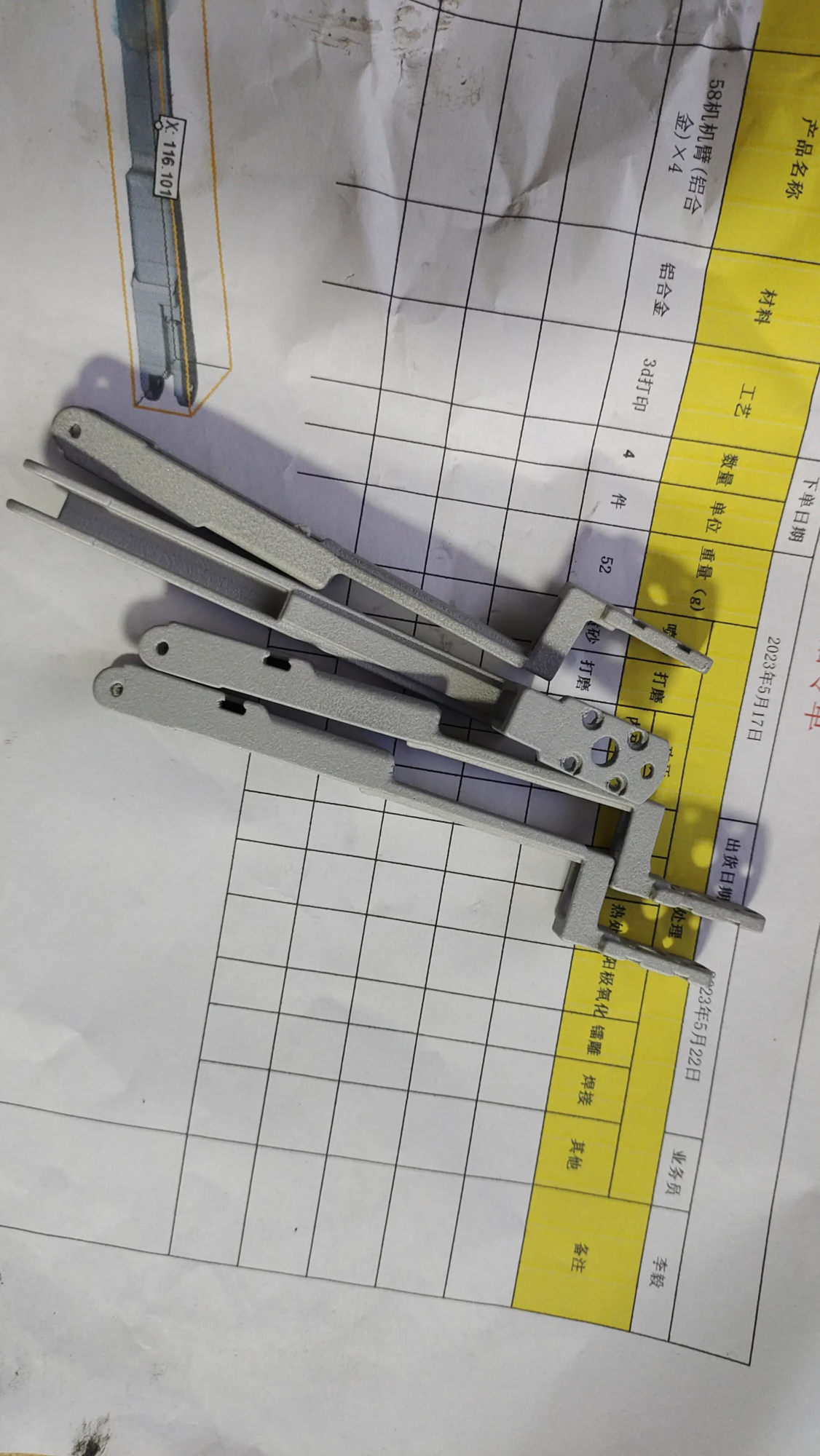
- Comprehensive post-processing: Precision 3D printing is only half the story. provided by Glow Professional one-stop post-processing and finishing services Essential for achieving a gallery-ready aesthetic. This includes meticulous support removal, CNC machining integration, extensive surface finishing (sanding, polishing, steam smoothing), priming, painting, plating and assembly – ensuring the final piece meets the artist’s exacting standards.
- Material Versatility and Speed: Offering a variety of materials—from high-strength metals such as aluminum, titanium, and stainless steel alloys to engineering-grade resins and nylon-like polymers—and utilizing rapid manufacturing processes, artists can quickly iterate on designs and efficiently produce limited editions.
- Solve complex prototyping challenges: GreatLight specializes in solving the complex design issues inherent in ambitious sculptural projects – thin-walled structures, complex internal geometries, optimal support strategies, minimizing deformation during SA or metal sintering, and ensuring the structural integrity of large-scale works.
Conclusion: Shaping the future layer by layer
KAWS’s embrace of 3D printing represents a microcosm of a broader revolution in artistic creation. It demonstrates how advanced manufacturing technologies are not just tools of production but fundamental enablers of creative ambition. By unlocking complex geometries, enabling rapid iteration, validating complex forms, and facilitating prototyping and production, 3D printing enables artists like KAWS to realize their visions at an unprecedented scale and with unparalleled precision.
The seamless fusion of KAWS’s unique pop-surrealist aesthetic with cutting-edge additive manufacturing underscores an important fact: technological innovation and artistic expression are increasingly closely aligned partners in driving the future of sculpture. For artists seeking to successfully navigate this fusion, it becomes critical to partner with highly skilled manufacturing experts, such as GreatLight, equipped with advanced machinery, materials science knowledge, and meticulous processing capabilities.
Frequently Asked Questions (FAQ)
-
Did KAWS invent 3D printing art?
- No, KAWS didn’t invent the art of 3D printing. However, he pioneered the large-scale integration of digital design, 3D printing for prototyping and pattern making, and advanced finishing techniques into industry. contemporary art. His work greatly popularized the potential of these techniques for high-profile sculpture.
-
What materials are KAWS sculptures made of?
- KAWS sculptures use different materials depending on scale and intent:
- Large monumental sculptures: Mainly painted Glass fiber reinforced synthetic materials (such as polyurethane resin) or bronze.
- Casting Prototypes and Master Patterns: HD photopolymer Print via SLA/DLP or print on nylon via SLS/MJF.
- *Small collectible/limited edition: Usually generated by resin castingbut increasingly through direct High fidelity resin 3D printing (SLA/DLP)** comes with professional paint/clear coat.
- Vinyl toys: traditional PVC (polyvinyl chloride) Injection molding.
- KAWS sculptures use different materials depending on scale and intent:
-
Will 3D printing replace traditional carving at KAWS?
- Not exactly. Traditional technologies remain vital. However, 3D printing is indispensable for:
- Create digital models for review before moving onto expensive production.
- Produces precise master molds for fiberglass/bronze casting molds.
- Achieve complex geometric shapes that cannot be carved by hand.
- Make some finished products directly (especially smaller versions).
- Traditional craft techniques remain vital in pattern finishing, mold making, casting and especially meticulous hand painting and finishing.
- Not exactly. Traditional technologies remain vital. However, 3D printing is indispensable for:
-
Does KAWS use metal 3D printing?
- Although metal 3D printing (such as SLM/DMLS) is less common in final monumental sculptures in museums, it has potential applications:
- Advanced bronze casting techniques were used to create intricate ritual patterns.
- Produce complex fixtures/jigs used in the manufacturing of large workpieces.
- Direct printing of custom components or smaller metal sculptures (although not as common as resin/fiberglass/bronze).
- As the technology scales up and costs fall, its role is likely to expand.
- Although metal 3D printing (such as SLM/DMLS) is less common in final monumental sculptures in museums, it has potential applications:
- Why are 3D printing expertise and professional post-processing important to artists?
- Accuracy and fidelity: Ensure physical objects perfectly match your digital design vision.
- Achieve high-end surface treatment: Original 3D prints require superb cleaning, smoothing, priming, painting and sealing skills to meet museum/gallery quality standards. Poor finishing destroys artistic intent.
- Complexity handling: Experts understand how to orient, support, print and finish complex geometries without glitches or visible defects.
- Material knowledge: Choose the right printing materials and post-processing for durability, aesthetics and functionality.
- Reduce costs and risks: Expert prototyping prevents costly mistakes in the final production run.
Pushing creative boundaries? Let Gretel power your vision
For artists pursuing sculptures and collectibles of complexity, scale and precision—whether inspired by giants like KAWS or forging an entirely unique path—expert fabrication partnerships are essential. GreatLight provides end-to-end solutions: Cutting Edge SLM metal printinghigh-fidelity polymer prototyping, unparalleled One-stop post-processingmaterial versatility, and Rapid prototyping expertise. We transform complex digital concepts into tangible, sophisticated realities. Customize your next breakthrough project with precision and quality – [Partner with GreatLight Today].