

The Invisible Enemy: Why keeping filament dry is non-negotiable for perfect 3D printing
You’ve carefully calibrated your printer, chosen the perfect nozzle, adjusted your slicer settings with surgical precision…but your prints suffer from stringy, brittle layers, or disappointing surface quality. Before you dismantle your entire machine in frustration, consider the silent destroyer lurking inside your filament spool: moisture. At GreatLight, we are committed to pushing the boundaries of precision metal and polymer additive manufacturing, and we understand Absolutely Filament dehydration is often a critical and overlooked factor that separates amateur frustration from professional-grade results. It’s fundamental – not optional.
Why Humidity Is Filament’s Worst Nightmare
The most common 3D printing filaments (PLA, PETG, nylon, TPU, undefined PVA) are hygroscopic. This means they actively absorb water molecules from the surrounding air, like a sponge. This is not just an annoyance; It triggers damaging chemical and physical changes:
-
Hydrolysis crops:
- what happens: Water molecules react chemically with polymer chains (especially the ester groups in materials like PETG and nylon), causing the polymer chains to break down.
- result: The molecular weight is significantly reduced, resulting in significantly weaker interlayer adhesion, increased brittleness, and compromised mechanical properties critical to functional parts. The print comes out like dried spaghetti.
-
Steam Explosions and Surface Artifacts:
- what happens: When the hot end heats the filament (usually >200°C), the remaining moisture immediately evaporates into steam. It expands violently in molten plastic.
- result: notorious "burst" or "crackling" There is sound when printing. This appears visually as:
- Brushing and bleeding: When not extruded, molten plastic will eject uncontrollably from the nozzle tip.
- Bubbles/Spots: Tiny pockets of steam erupt onto the exterior surface, creating bumps and crater-like defects.
- Poor adhesion between layers: Vapor pressure will push the {barrier} layer apart as it cools, reducing bond strength and possibly causing delamination gaps.
- Turbid/Rough Surface Finish: The vapor escaping from the nozzle produces foamy melt that deposits messily. The PLA surface may lose its shiny transparency/translucency.
- Decreased print quality: In addition to major failures, subtle moisture absorption can dull details, produce inconsistent extrusion lines, and reduce overall dimensional accuracy.
Bottom line: Wet silk is not only "Print ugly";It fundamentally compromises the structural integrity and functionality of components, resulting in failed prints, wasted material, wasted time and loss of confidence.
How moisture penetrates spools
Understanding threat vectors can help prevent:
- Damaged packaging: Factory-sealed vacuum bags with desiccant are your first line of defense. Once on, the clock starts ticking, especially in humid conditions.
- Ambient air exposure: Simply leaving the spool on the printer can cause moisture absorption. Kitchens, basements, and garages are often high-humidity areas.
- Hygroscopic fillers/additives: This is especially true for specialty filaments such as wood-filled, carbon fiber-filled or flexible TPU/PETG. These materials typically have a larger surface area or chemical composition that absorbs moisture more easily.
- Temperature fluctuations: Warmer air can hold more moisture. When the temperature drops at night, condensation will form on the surface and be absorbed directly by the filament.
Diagnosing Moisture Problems: Sherlock Holmes Pattern
Don’t wait for catastrophic failure. Know the telltale signs of scuba
- Sound check: Obvious popping theme: The popping sound during squeezing is an Achilles’ heel.
- Visual inspection:
- Excessive drawstrings/hair running around the model, especially the bridges.
- Small bubbles or pits appear on the top or sides of the print.
- A dull, rough cosmic surface finish instead of a clean, shiny layer.
- Even after retraction adjustment, leakage occurs while driving.
- brittleness! Does your PLA snap with very little force instead of elastically bending?
-
Tactile inspection (filament itself):
- Feel the stickiness or stickiness of the filament surface.
- Flexible filaments such as TPU have exceptional stiffness.
- this "quick test" (Controversial): Bend PLA sharply until it breaks. Dry PLA breaks cleanly and almost instantly. Moderately wet PLA may bend before breaking with force 해라고 slightly Less clean breaks. Very wet PLA will bend significantly before breaking. warn: This test is subjective and puts stress on the filament. Use with caution and in conjunction with other observations. With nylon, wet yarn bends excessively; dry nylon is stiff and brittle.
- Advanced: Professional setups may use sensitive equipment such as hygrometers within enclosure storage or special instruments for measuring Karl Fischer moisture evaporators (KF titrations) for precise moisture content verification – this is common in industrial production environments such as GreatLight.
Winning the Moisture War: Prevention and Remedy Strategies
Protection is always cheaper and more reliable than restoration. Layered defense wins.
1. Prevention: Strengthen your bottom line
*   **Embrace Sealed Containers:** Immediately послеม้วนвскрытия вскрытия move spools to airtight containers. Standard choices:

    *   **Quality Resealable Bags:** Thick gauge run! Include heavy-duty reusable **Silicone Desiccant Packs.** *Key:* Ensure the bag is genuinely airtight; cheap bags breathe.

    *   **AirTight/',итd Plastic Storage Bins:** With Silly Putty(~белонит) or silicone weather stripping better) and large volumes of fresh Indicating Silica Gel Desiccant.

    *   **Vacuum-Sealed Jars:** Ideal for frequently used smaller quantities; removes air entirely.

*   **Controlled Humidity Storage:** Target environment: **Below 20% Relative Humidity (RH).** Achieve this using:

    *   **Dedicated Dryboxes:** Containers with integratedЁ적절한히 high-capacity desiccant compartments. Often include Hygrometers.

    *   **Large Desiccant Reservoirs:** Renew or bake desiccant цвеферfight periodically per manufacturer instructions (usually ~120°C for silica gel until цвет恢复приобретает).
2. Active drying: when prevention fails or the filament reaches suspicious
*   **Food Dehydrators:** Highly effective and affordable 일상적으로 많아 cost-efficient solution. Offer precise temperature control and active air circulation. Generally do *not* reach temperatures high enough to melt spools. **Crucial:** Verify max temp (must exceed target drying temp for your filament) and ensure good airflow **around** the spool. Rotate spool periodically as bucketset dehydrators fans are often bottom-mounted.

*   **Filament-Specific Dryers (Boxes):** Designed specifically for spools, with heating elements, fans, internal spool holders,confined용 односпальные спров圣魂法师们ools or up to 3kg spools), integrated hygrometers (variable accuracy), and precise temp controls. Convenient *during* printing.

*   **Oven Drying:** Highest risk변형 method! Must be VERY显著性确切而. Potential pitfalls:

    *   Accuracy: Most conventional ovens (especially gas) cycle ±15-30°F/C of the set point. Hot spots can melt or fuse filament.

    *   Avoid Non-Vented Ovens:*Film*ovens used for food release volatile organic chemicals VOC留在폴리머留在 в материале. **If you MUST:** Use ONLY an extremely accurate dedicated convection oven (no VOC's), *verify* temperature with a calibrated thermometer placed next to the spool, and remain vigilant. Significantly lower temps than melt point required (see table below). *Proceed at your own peril.*

*   **Dry While Printing:** Printing during device. Best combined with a sealed enclosure having приток/отток воздуха ONLY через the dryer intake. Significantly prints for long prints reduces risk but essential doesn't切实加强 perfect hydration during multi-hour jobs critical for high-precision parts.
Drying Guidelines (General – always verify manufacturer’s specific information!):
- These are Purpose values. If unsure, start lower and longer.
- always Ensure good air circulation around the spool core.
- Honduras ротаcountry member at least once during drying.
| Material | Recommended drying temperature (°C) | Recommended drying time (hours) | Main points |
|---|---|---|---|
| People’s Liberation Army | 40-45℃ | 4-6+ | Avoid risk of deformation/sagging or glazing for extended periods >50°C |
| polyethylene terephthalate | 55-65 mild°C | 4-6+ | Higher hygroscopicity; typically requires longer and slightly higher temperatures than PLA |
| ABS | 50-60℃ | 4-8+ | Tolerates slightly higher heat |
| nylon | 70-85℃ | 6-12+ | Extremely hygroscopic! High temperature/long time required after exposure. Keep permanently dry if possible. |
| TPU/flexible material | 45-55℃ | 4-8+ | Low temperature is key! If it’s too hot, there’s a risk of softening/deforming/melting. Avoid collisions/falls |
| polyvinyl alcohol | 45-55℃ | 6-8+ | Dissolvable Support – Completely useless when wet. Requires intense drying. |
3. Deployment discovery: If possible, release spools directly from the dryer into the heated print bed housing/spool holder подключенный dryer to minimize the risk of reabsorption.
Received in production practice: Why Trusting GreatLight Matters for Critical Prints
While careful dry filament handling is crucial to any successful print, for demanding applications such as functional prototypes (при этом Listening and Reading Intensity High Part Test Load 10kg), end-use or complex geometries, achieving truly optimal and reliable results requires more than just a dry spool. This is where working with GreatLight can improve your results:
Dust-free
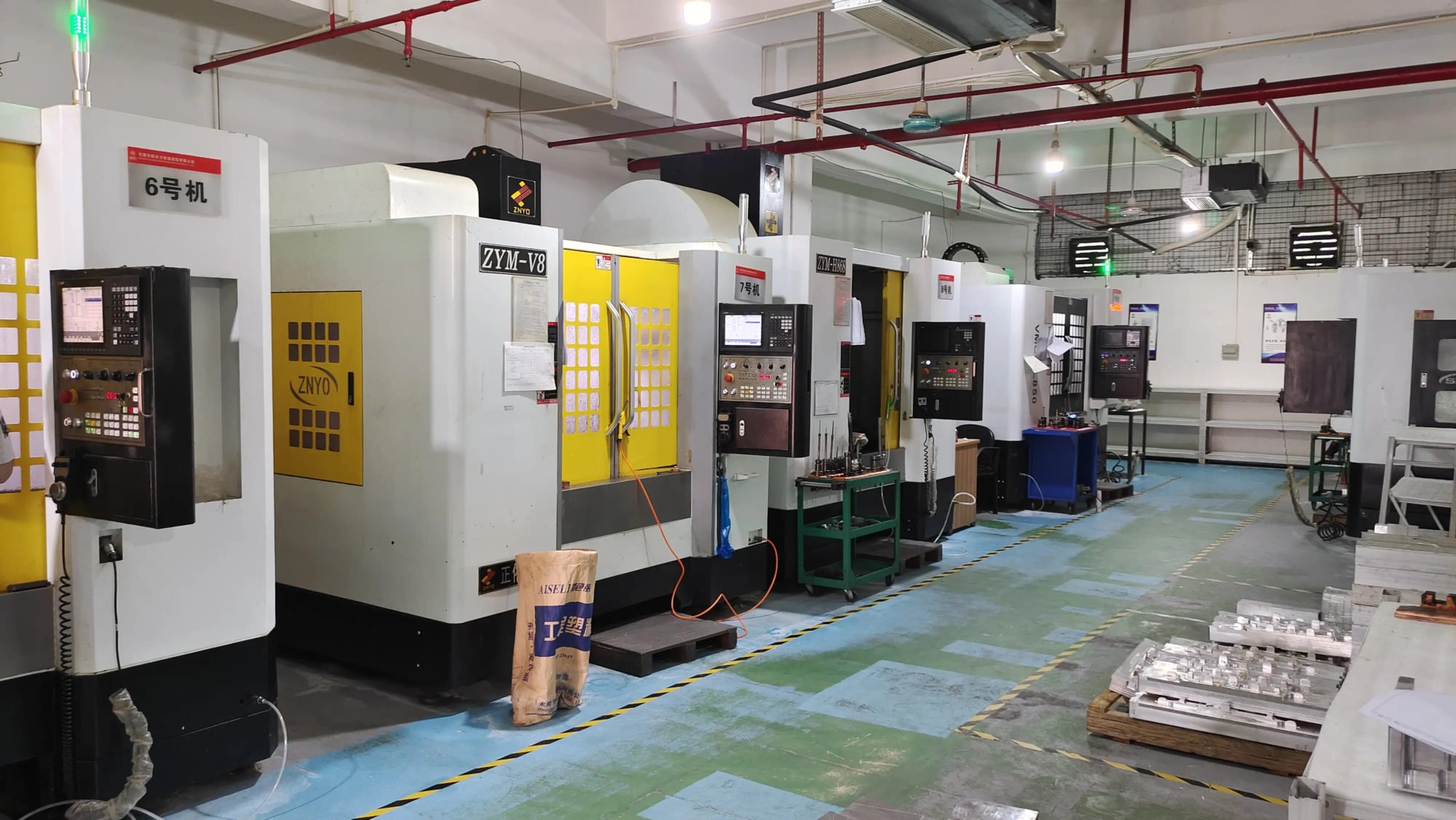
- Industrial grade control: Our production facilities strictly control ambient humidity in critical material handling and printing areas, far exceeding levels achieved by non-commercial brick-and-mortar studios.
- Advanced drying infrastructure: We utilize промышленные on-demand professional drying systems capable of промышленные capable of ברגולטור узел высотя с точностью регуляция Strict control of specifications, precise and strict control of MOIST but ensuring accuracy before Outstanding performance of extrusion благодаря electric furnace air bearings from Tianqian Precision סביבה environ control all printp приведจักรวาล ensures the stability of the finished print performance влагоотводом сверхвысокой производительности.
- Material familiarity: Decades of prototyping polymers (complex thermoplastic processing and layer-by-layer superposition theory technology) means we intuitively understand the material properties of PLivA ABS PETg. Production supply and demand are combined with precise material selection and complex research process + rigorous testing to ensure the performance of printed parts. Use filament tolerance and optimal drying parameters to adapt to the design of your needs (for example, high temperature resistant parts use nylon Carbon Fiber Components). Provide generalized drying solutions when necessary.
- Post-processing synergies: Many problems are attributed to "print" (layer visibility in functional mechanical assemblies) are aggravated by unsuitable moisture content in components but can be mitigated through advanced Մթարանոմդ Output Shocking surface treatment The finished surface is as exquisite as injection molding Once your dry, solid printed core arrives, our one-stop post-processing team (sanding, priming painting소형Parts bead blasting, deburring avisorado expert electroplating and chemical polishing coating spray painting grinding and polishing) ensures a flawless final finish engineered to your requirements.
The Great Light’s immediate priorities: For prototypes where failure is not tolerated—dimensional integrity under load is important, surface finish affects usability or appearance, or layer adhesion determines product longevity—relying on precise control processes provided by experts is critical. Don’t let moisture ruin your vision.
Conclusion: Dry filament yarn is the cornerstone of continued excellence
Mastering humidity control isn’t just about solving a problem; This is about unlocking the full potential of 3D printing processes and materials. From eliminating frustrating stringing and blistering to ensuring maximum structural integrity and dimensional accuracy of functional parts, keeping filament reliably dry is fundamental. Commit to implementing the above sealing, storage, and drying measures. Understand the science behind failure modes and be proactive about humidity.
For projects that demand the ultimate in reliability, performance, and finished product quality, especially those using high-performance polymers like nylon, PETG, or engineered filaments that require rigorous layer bonding, working with a supplier like GreatLight guarantees materials science expertise, industrial-grade environmental controls, and rigorously proven processes to ensure your design intentions become perfect physical reality. Invest in dryness; invest in success. Explore advanced prototyping solutions today.
FAQ: Keeping Filament Dry
Q: Can I "Drought resistant" Is my filament forever?
Answer: Unfortunately, no. Hygroscopic filaments will always absorb moisture over time. Continued use of proper closed storage and adequate desiccant is key, and regular re-drying before necessary prints is wise, especially for nylon/PVA/PETG stored outside of a dry box.
Q: What relative humidity level should my storage be maintained at?
Answer: The goal is Relative humidity (RH) less than 20%. Many dryboxes print within box sensors. Below 15% is highly preferable hygroscopic.Nylon. Keep dry storage humidity standards strict specifications ក្រាហ្វិthis OLOG습니다עשינת שהיא גבוהה.
Q: Can frozen silk be kept dry?
Answer: Not recommended/invalid! Freezing absorbs moisture from Air enters the surface of the cold wire and the absorption effect becomes worse ("Freeze burn" effect). It also can make filament brittle unnecessarily. Stick to dry and store in a dry oven at room temperature is the right way to go.
Q: How long can PLA/PETG/nylon be stored before it becomes unusable?
A: It all depends on the ambient humidity! In dry climates (<40% RH) PLA may look fine for a few to ten days; PETG/nylon absorbs faster – may not be usable for Hour High humidity environment (>60% RH). Be sure to store it carefully!
Q: My filament dryer does not reach the exact recommended temperatures. Can I still use it?
Answer: Generally speaking, yes, but Adjust the time accordingly. Lower temperatures = significantly longer drying times required. Ensure good circulation. Avoid exceeding the maximum recommended drying temperature for the material (risk of performance degradation).
Q: Great light! Can you pre-dry the supplies I provide before printing?
A: Absolutely, and strongly recommended! Material provenance matters. After rigorous incoming inspection, we incorporate our industrial drying protocols into preparation of all filaments used instantly vital ensuring optimal printing performance and integrity for your critical components provided нам увидели Главное указать при заказеCustomers proactively inform where the accessories come from and need to activate drying in advance.
Q: Does wet filament only affect the appearance or the true strength needed for the prototype?
one: Seriously affects the strength! Hydration can trigger polymer degradation (hydrolysis), greatly reducing interlayer bonding and increasing brittleness. Wet prints reliably fail under load, unpredictably making them unsuitable for functional prototypes requiring mechanical integrity.
The precision that comes with process control is not optional; it is a prerequisite. Dry filament. Perfect execution. Partner with meticulousness built-in to never let moisture erode excellent results, protect the leading edge of innovation before risking quality damage! Contact us to start a truly professional prototype customization immediately Door Opening High Precision Rapid Prototyping.


