Leading the way to safe consumption: A comprehensive guide to 3D printing food-safe filaments
In today’s innovation-driven world, 3D printing goes far beyond hobbyist prototypes and industrial tools. From custom kitchen gadgets to custom tableware, additive manufacturing now involves products that come into direct contact with food. However, dealing with the complexities of food safety requires a nuanced understanding of materials, processes and regulations. This guide explains the key considerations to ensure your 3D printed creations are truly safe for consumption – whether you are a designer, engineer or manufacturer.
Why food safety in 3D printing is not an option
3D printed objects interact with food in many ways: mixing spoons, cutting boards, cookie cutters, and even drinkware. Unlike mass-produced foodware, 3D printed parts come with unique risks:
- microscopic pores: Layer lines and internal voids can trap bacteria.
- chemical leaching: Non-food grade filaments can release toxins into acidic or fatty foods.
- thermal degradation: Temperature changes can cause unstable plastics to shed microplastics.
Ignoring these risks is not only irresponsible but could violate international health standards and endanger end users.
Core Principles of Food Safety: Materials, Processes, Design
Achieving food security rests on three interdependent pillars:
1. Choose the right filament
Not all filaments are created equal – even when marketed as "food safety." Key certifications are important:
- PLA (polylactic acid): Popular but problematic. Pure PLA lacks FDA approval indirect Food contact (e.g. packaging). Avoid acidic foods (citrus, tomatoes) as they accelerate degradation.
- PETG (polyethylene terephthalate): Star actor. Meets FDA food contact standards, is oil and alcohol resistant, and is less porous than PLA. Perfect for water bottles or food containers.
- ABS: Does not meet food safety standards. Contains styrene, a potential carcinogen.
- nylon: Need to be cautious. only Special grades such as Nylon 680 or BASF Ultramid® are food safe.
👉 For tips: Avoid using filaments that contain additives (colorants, softeners) – unless explicitly tested by the FDA.
2. Transformative post-processing
Print separately no way Stay safe. Reprocessing combats biological risks:
- smooth: Vapor smoothing (acetone for ABS, ethyl acetate for PLA) seals pores.
- coating: Food grade epoxy resin (FDA 21 CFR Part 175) creates an impermeable barrier.
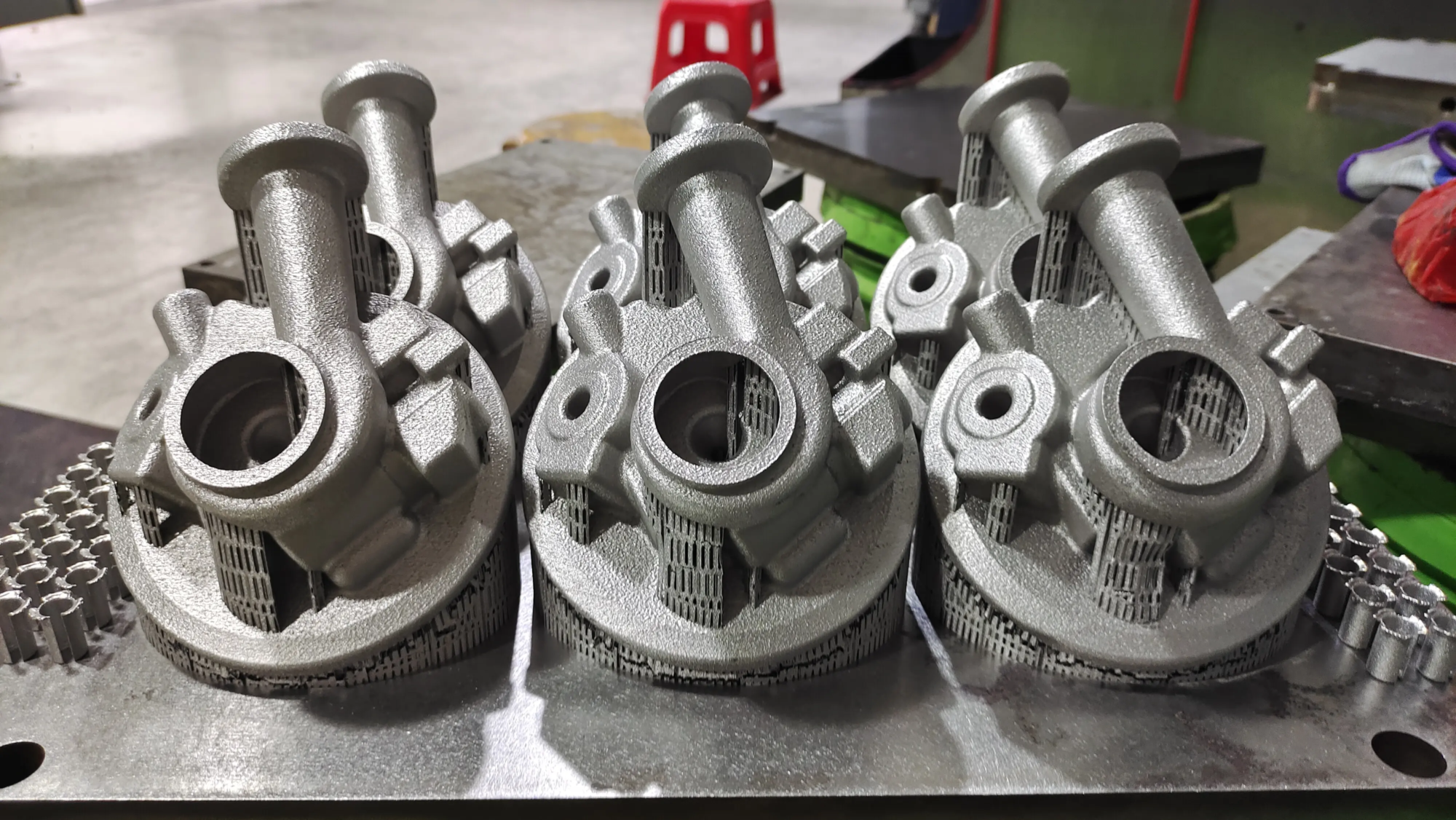
- metal infusion: For SLM printed parts (such as stainless steel), electropolishing can eliminate micropitting.
exist huge lightour state-of-the-art reprocessing laboratory deploys ISO certified technology tailored for food applications. We transform the inherently porous printed mesh into an impermeable surface suitable for cooking environments – whether SLA polymer or SLM metal.
3. Cleanability design
Even with top-quality materials, poor design can undermine safety:
- Avoid debris collecting in sharp corners and threaded joints.
- Prioritize gentle curves and smooth transitions.
- Ensure dishwasher compatibility (for plastics, verify continued heat resistance).