introduce
Have you ever felt restricted by the limited build area on a standard 3D printer? The growing need to create large prototypes, functional parts and complex models has driven the ongoing pursuit of machines capable of larger prints without sacrificing accuracy or speed. Among the different motion systems that address this challenge, CoreXY mechanism has become a prominent contender, especially when scaling to large applications. But what makes this seemingly complex setup so effective for large machines? This article takes an in-depth look at large-format CoreXY printers – explaining their unique mechanics, outstanding benefits, ideal applications, and why they are revolutionizing scalable additive manufacturing.
Uncovering CoreXY: The Motion Engine
At the heart of CoreXY is an elegant motion system that controls the movement of the print head (hot end) within the X and Y axes of a 3D printer. Forget the traditional setup of a motor moving the entire printhead assembly diagonally along two axes.
-
Belt ballet: Two motors, usually installed Fixed On the frame of the printer drives a complex closed-loop belt system arranged on multiple idler pulleys. Key elements include:
- Two belts: A main long strap and a short strap are connected exclusively.
- Coordinated movement actions: Crucially, Both The motors must work together to move the tool head purely diagonally along the X or Y axis. move only A motor produces a combined diagonal motion along the vector sqrt(X² + Y²).
- Exercise formula: The highlight lies in the way motor movement is converted:
- Move only X: Both motors rotate synchronously in the same direction.
- Move Y only: Both motors rotate synchronously exist Opposite direction.
- Diagonal movement: The motor turns at different speeds/directions as needed.
- Z axis: The entire XY carriage carrying the hot end moves independently vertically along the Z axis. Large format printers often come with dual (or more) Z-axis screws/rails to allow for even bed lift.
Why CoreXY excels in large format applications
Increasing the size of a 3D printer involves more than just increasing the frame. Potential drawbacks include vibration, loss of rigidity, print surface stability, and motor strain. CoreXY addresses these issues head-on:
-
Minimize moving mass: The hot end assembly (extruder + hot end) is typically only The main parts move in the XY plane. The heavy-duty motor remains firmly attached to the frame. This greatly reduces inertia, allowing:
- Higher speed and acceleration: Less moving mass means the printer can achieve faster print speeds and faster changes in direction (acceleration/jerk) without excessive vibration or layer shifting, even over large areas.
- Improve precision and surface quality: Lower inertia and reduced vibration directly translate into sharper corners, smoother curves and better overall dimensional accuracy, which is critical for large functional parts.
-
Excellent stiffness and stability: The core of the CoreXY system is rigid in nature. Scaling requires a correspondingly stiff frame (aluminum extrusions are standard), but the CoreXY bracket itself maintains excellent stiffness. This works against:
- Frame distortion: Reduced forces transmitted by moving parts minimize frame bending over long spans.
- Harmonic resonance damping: Fixed motors and optimized belt paths help dampen the resonances that plague large moving beds.
-
Reduce motor strain: The symmetrical belt design distributes the load evenly between the two stationary motors. Unlike systems where a single motor pulls a heavy bed in the Y-axis, CoreXY motors share the workload smoothly, resulting in longer life and less chance of missed steps – a critical factor when traveling long distances.
-
Queen bed stability: The CoreXY design makes the print bed bulky and stationary. This significantly improves stability and simplifies leveling/sticking issues compared to printers where the heavy bed moves rapidly back and forth along the Y-axis ("bed sling"). Large fixed beds also allow for more consistent thermal management.
- Scalability: Even with the increased size, the basic principles remain valid. While frame stiffness must be scaled appropriately, the inherent advantages of low moving mass and distributed motor action still apply effectively to very large build volumes (500x500x500mm+).
Common alternatives to CoreXY and large formats:
- Descartes (Bed Slinger – e.g. i3): Equipped with mobile Y-axis bed. Awkward for large format due to inertia/vibration issues caused by high bed mass resulting in slower/lower mass at scale.
- Descartes (H-Bot): Use a single motor and complex belt wiring. Twisting (twisting) tends to occur under torque, especially over large areas – CoreXY avoids this.
- CoreXZ: Similar kinematics apply to vertical motion; primarily XY is less common.
- delta: Excellent at speed and height, but inherent geometry can cause edge distortion on large objects horizontal Build the board.
Key considerations when scaling up (CoreXY)
Building or buying a large CoreXY requires focusing on specific areas:
- Frame rigidity is critical: An aluminum extruded frame (such as 3030, 4040 or larger) with sturdy corner brackets is essential. It’s better to over-engineer than under-engineer.
- Belt quality and tensioning: Longer belts require high tensile strength and low stretch. A proper tensioning system (ideally adjustable without tools) is critical to preventing play and maintaining accuracy. Reinforced GT2 or HTD belts are common.
- Bed leveling evolution: Transporting a large fixed bed manually is cumbersome. Automatic bed leveling (ABL) with probe-assisted grid compensation is virtually essential.
- Bed heating efficiency: Achieving consistent heat over a large surface, especially with materials like ABS, requires powerful, evenly distributed heating elements and adequate insulation.
- Z-axis notes: Dual or quad motor driven lead screw or belt driven Z systems are standard for stability and prevention of bed tilt. Anti-backlash nuts help improve accuracy.
- Movement components: High-quality linear guides (on the X and Y axes) provide superior stability and service life compared to V-grooves on heavy-duty, large-format machines.
Unleashing the potential: Applications for large-scale CoreXY printers
The capabilities of large-scale CoreXY printers open up possibilities in different areas:
- Functional prototyping: Create nearly full-scale mechanical prototypes for validation testing, no assembly required.
- Automotive/Aerospace: Produces large lightweight structural components, complex piping, custom tooling, intake manifolds and interior models.
- Building and Construction: Detailed scale models, intricate facades, custom formwork elements and bespoke architectural features.
- Art and Sculpture: Produce large-scale art installations, statues and sculptures, or a print in sections.
- Furniture and Decoration: Create custom lamps, large vases, furniture components and unique homewares.
- Casting pattern: Create large models for sand casting or investment casting processes.
- Education and Research: Enable complex scientific models and large-scale educational demonstrations.
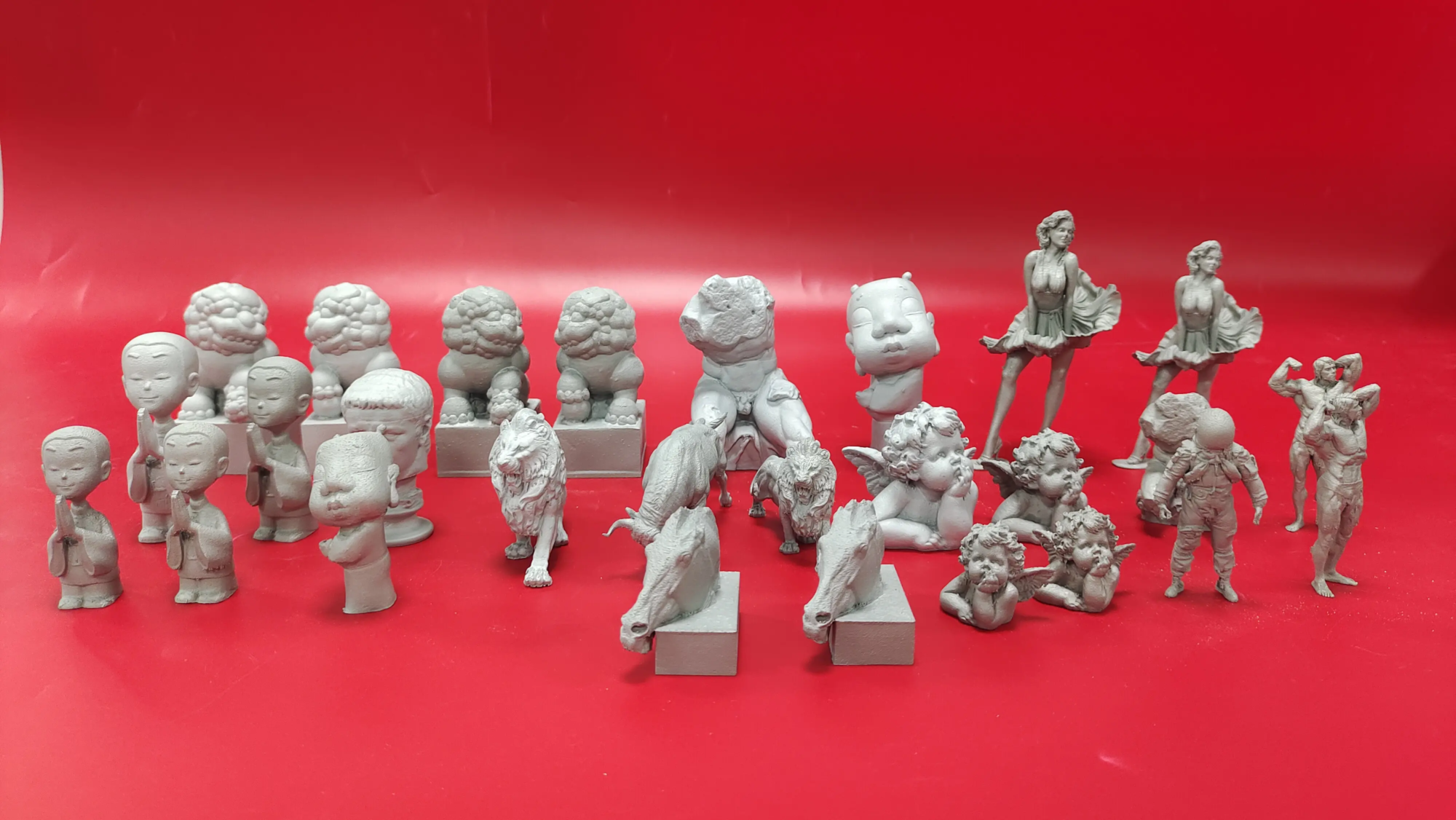
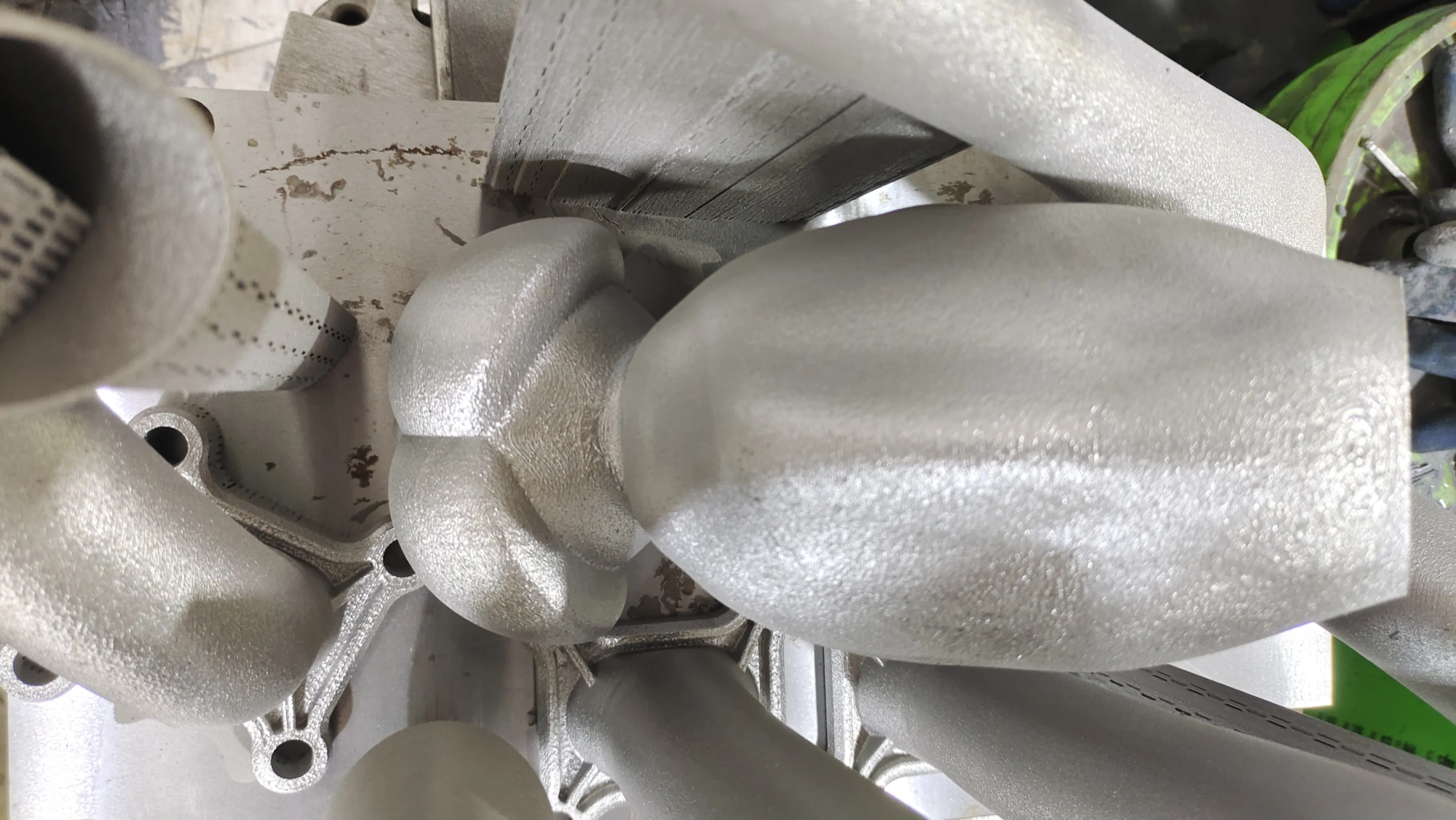
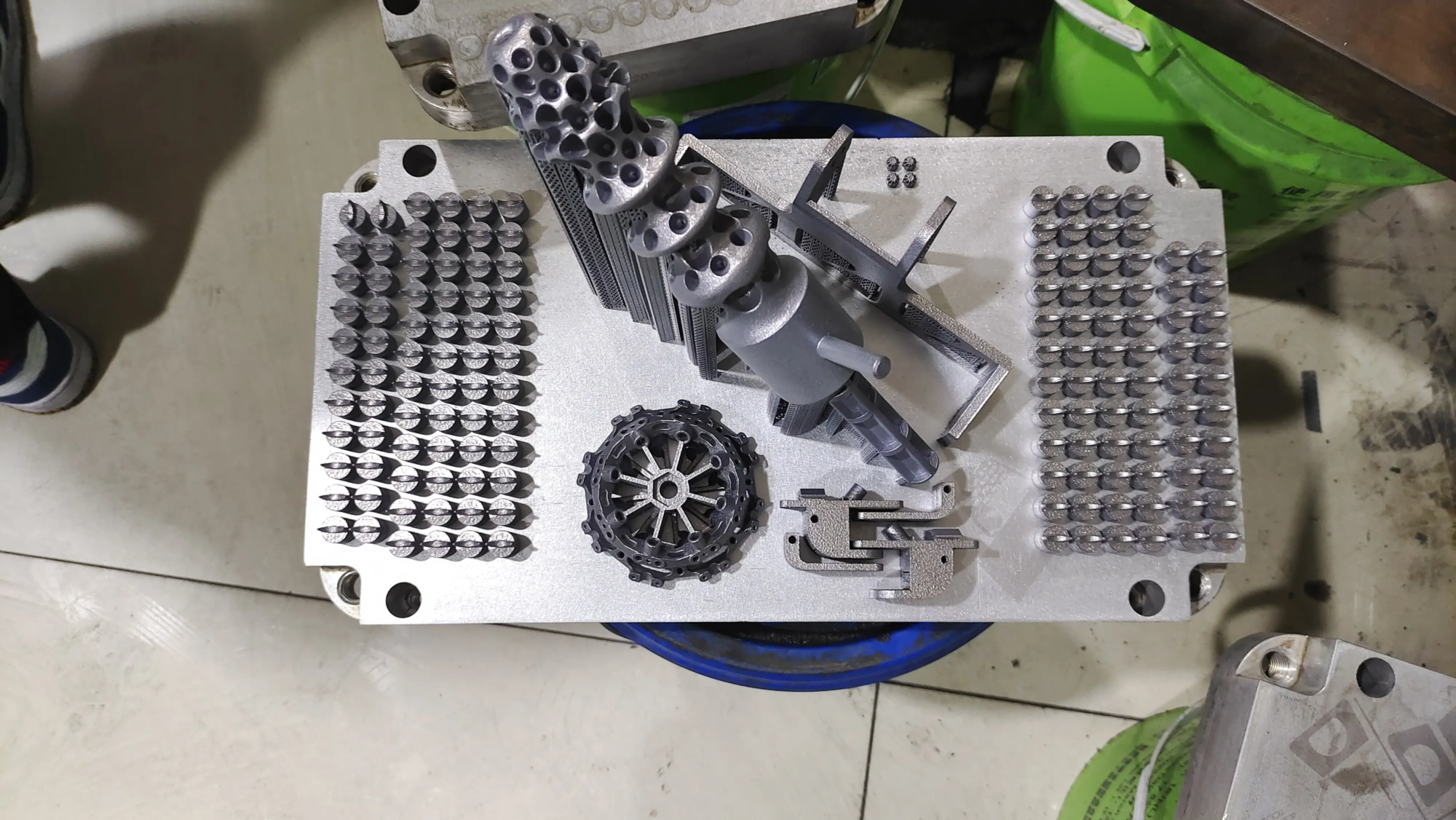
Expertise becomes critical in industries where accuracy and speed are critical for large-scale rapid prototyping, especially in metals. huge light embodies this ability. As a leading rapid prototyping manufacturer, GreatLight utilizes advanced technology SLM (Selective Laser Melting) 3D Printer and cutting-edge production technologies to meet the challenges of prototyping complex metal parts. In addition to printing, they also offer One-stop post-processing and finishing Services—including heat treating, CNC machining precision features, surface preparation and assembly—streamline the entire process from digital design to functional end-use parts. Their ability to quickly customize solutions using a variety of metal alloys has made them the first choice for customers around the world looking for a reliable, high-quality rapid prototyping partner from China. Explore professional prototyping solutions with GreatLight.
in conclusion
Large-format CoreXY printers represent a powerful blend of kinematics and scalability. By immobilizing the motors and minimizing the moving mass in the XY plane while utilizing a fixed bed, they overcame the fundamental challenges of vibration, inertia, and loss of accuracy common when scaling other printer designs. As a result, the platform is able to achieve impressive speeds, exceptional precision and excellent surface finish, even within a massive build volume of over half a meter cubed.
While careful attention to frame stiffness, belt tensioning and thermal management is required, the rewards are huge for applications requiring large, high-quality parts – spanning prototyping, manufacturing aids, artistic expression and functional end-use components. As additive manufacturing continues its march toward mass production, the CoreXY architecture is firmly positioned as a powerful, high-performance foundation to push the boundaries of large-scale 3D printing.
Frequently Asked Questions (FAQ)
-
Q: How big can a CoreXY printer actually be?
one: Technically, CoreXY scales very well. Commercially available CoreXY printers have a build volume of over 500x500x500 mm, while custom builds extend well beyond that. The main limitations are physical frame strength/cost rigidity and maintaining belt tension accuracy over long distances. -
Q: Are CoreXY printers really faster than other types of printers?
one: Generally speaking, yes, especially relative to large format bed slings. By eliminating heavy print bed movement, CoreXY significantly increases potential speed and acceleration while reducing vibration. However, the maximum achievable speed also depends heavily on the extruder capabilities, frame stiffness and overall printer tuning. They are generally competitive with Delta in the XY plane but excel in dimensional stability over larger areas. -
Q: Are CoreXY printers more difficult to build, maintain, or repair?
one: Compared to simple Cartesian setups, they can be slightly more complicated to assemble initially due to complex belt routing and critical tensioning requirements. Maintenance includes regularly checking/adjusting belt tension and keeping the belt clean. Solving issues such as skipped steps or layer shifts often requires understanding the belt interaction between the two motors. However, the design utilizes a belt tensioner to make daily adjustments manageable. -
Q: What materials can the large CoreXY printer process?
one: High-quality, finely tuned large-scale CoreXY printers work with virtually all standard FDM/FFF filaments (PLA, PETG, ABS, nylon, TPU, PC, fiber-filled, wood, metal composites). Some can even handle high-temperature engineering polymers such as PEEK or PEKK, which is critical for demanding aerospace or automotive parts, especially when equipped with an actively heated chamber. Their rigidity minimizes global vibration artifacts. - Q: Do large CoreXY printers require special slicing settings?
one: In general, the slicer handles CoreXY kinematics transparently based on the configuration parameters entered during setup. While slicers are capable of being compatible with CoreXY, optimizing large-scale printing often requires specific adjustments: managing bed adhesion over large areas involves strategies such as edge/raft, fine-tuning speed and acceleration for inertia peaks, applying efficient cooling over wide surfaces, effectively utilizing multiple resolutions/varying layer heights, and properly utilizing grid bed leveling compensation. These requirements arise from the scale/nature of large objects.