Introduction: The integration of light and innovation
Imagine a chandelier, twisting like petals of frozen wind blowing, cascaded with light in impossible curves. Or a lattice pattern with complex reflections of the celestial constellations, glittering and impossible to be delicious. This is no longer limited to the designer’s sketch board, but the reality brought into the 3D printed chandeliers. 3D printing combines centuries of artisticity with cutting-edge technology, fundamentally reshaping the landscape of lighting design beyond mere lighting to redefine the sculptural statements of space. The core of this transformation is the advanced metal additive manufacturing industry, a field, a company like this Greatequipped with exquisite selective laser melting (SLM) technology and expert finishing services, enable creators to transform the most visionary lighting concept into a tangible, breathtaking reality.
From falling crystal to digital dream: The evolution of chandeliers
Traditionally, chandeliers are labor-intensive artifacts that rely heavily on skilled artisans and are limited by the limitations of subtraction manufacturing (such as processing) and casting. Complex geometry is expensive, time-consuming, and often impossible. Designers must browse the physical limitations of molds, tool paths and connection techniques. 3D printing removes these obstacles. Starting with the groundbreaking design in polymers, the technology has rapidly evolved to cover metals, unlocking unprecedented structural integrity, thermal management and aesthetic complexity. Now, complex frameworks were previously unimaginable and could appear layer by layer directly from digital files.
Precision Power Plant: SLM 3D Printing
For chandeliers, strength, refinement and durability are required. Selective laser melting (SLM) As the Prime Minister, 3D printing technology stands out. Greglight Leverages’ state-of-the-art SLM equipment:
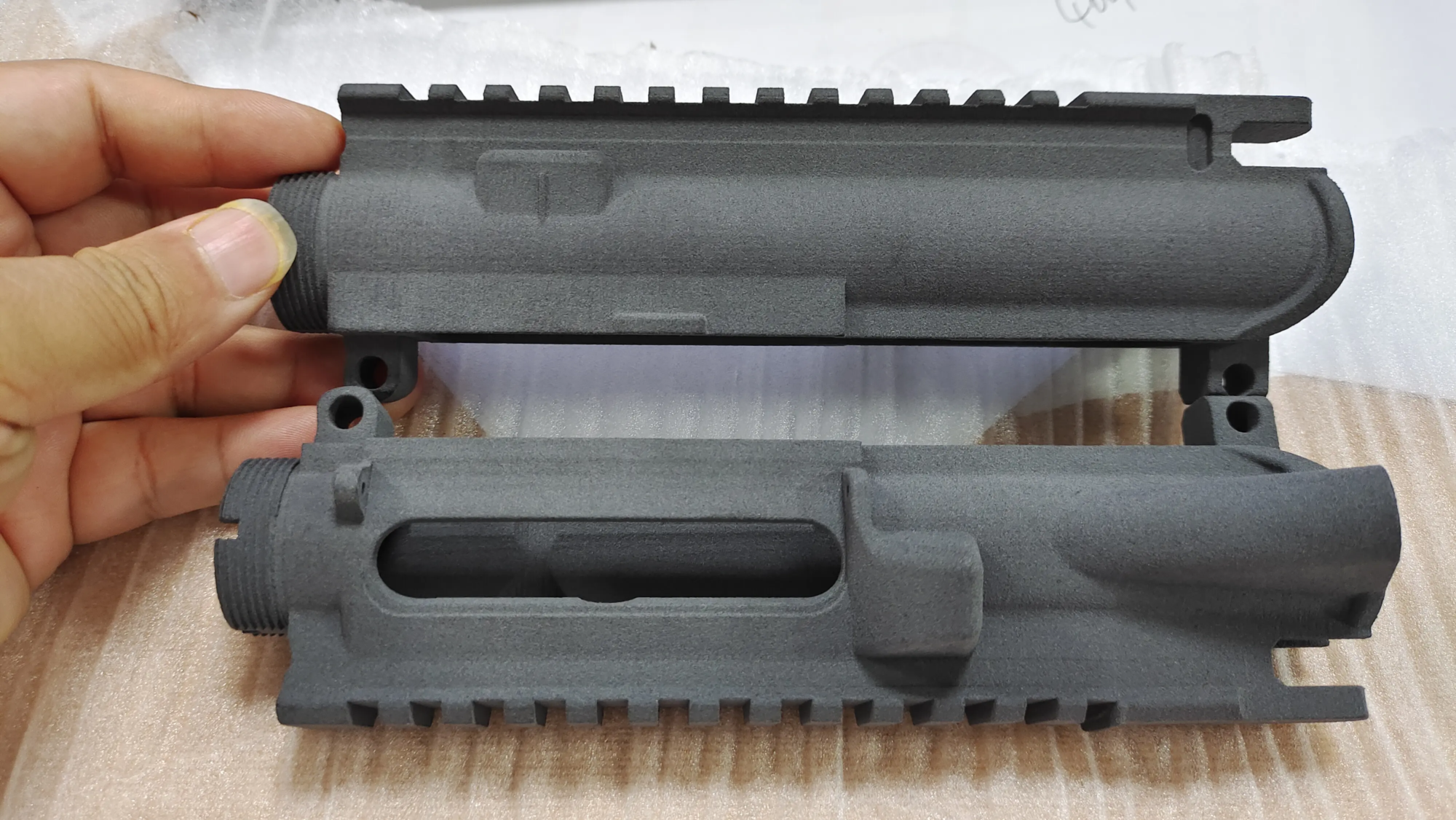
- The process: High power laser selectively melts ultrafine metal powders (such as stainless steel 316L, aluminum alloy, titanium or special nickel alloy) and the component is carefully constructed according to the 3D CAD model.
- Unparalleled complexity: SLM specializes in creating hollow lattice structures (optimized weight and material use), complex in-wiring channels, and organic free shapes with smooth curves and undercuts, without violating traditional manufacturing.
- Material strength: The resulting metal parts have excellent mechanical properties, comparable to or even exceed traditionally made equivalents and are critical to ensuring structural integrity of suspended lighting.
- Perfect for prototyping and production: SLM allows rapid iterations during the design phase, allowing designers to quickly test forms and features before committing to final production. Crucially, the same process seamlessly scales low to medium production, eliminating traditional manufacturing setup costs and delays.
Why 3D printing is revolutionizing chandelier design
The advantages of incorporating 3D printing (particularly SLM) into chandelier creation are convincing:
- Unprecedented design freedom: Complexity is free. The designers free themselves from the limitations of the subtraction method, unlocking bionics, generating art forms, and super-personal geometric forms in metals that were previously unimaginable.
- Massive customization: One-time statements or custom collections are economically feasible. Shadow patterns reflect individual patterns, scale accurately to unique spaces, and infrastructure tailored to a specific design theme – all without jigs or molds.
- Lightweight and material efficiency: Compared to solid milling or casting, the optimized lattice and hollow structure inherent in 3D design significantly reduces material use and fixed amounts of weight, improves safety, reduces transportation costs and reduces environmental impact.
- Rapid prototype and iteration: Explore multiple design changes quickly. Testing features, aesthetics and fittings significantly accelerated time to market before finalization. Greatlight’s rapid prototyping expertise ensures a fast feedback loop.
- Integrated features: SLM allows designing complex internal pathways that seamlessly integrate wiring harnesses and cooling channels into the chandelier’s structure, resulting in a cleaner aesthetic and enhanced design purity.
- Shorten delivery time: For complex designs, 3D printing bypasses tool manufacturing and setup, which means that finished parts can be much faster than traditional methods, especially for complex components.
Palette of possibilities: Materials and finishes
The choice of metal powder significantly affects the ultimate aesthetic, weight, durability and environmental performance of the chandelier:
- Stainless Steel (316L): The main force in harsh environments. Provides excellent corrosion resistance, strength and stylish, modern aesthetic. Ideal for robust frameworks and high traffic/business environments. The polishing effect glows beautifully or can be beaded for a delicate matte look.
- Aluminum alloy (e.g., Alsi10mg): It is highly praised for its excellent strength to weight ratio. Ideal for creating large, lightweight but sturdy constructions – essential for spacious chandeliers. Anodizing provides steel with a wide range of durable, bright colors.
- Titanium (Ti6al4v): Brings excellent strength, incredibly lightness, excellent biocompatibility (hypoallergic) and unique thermal properties. Its natural and delicate grey surface is very much in need of exclusive design.
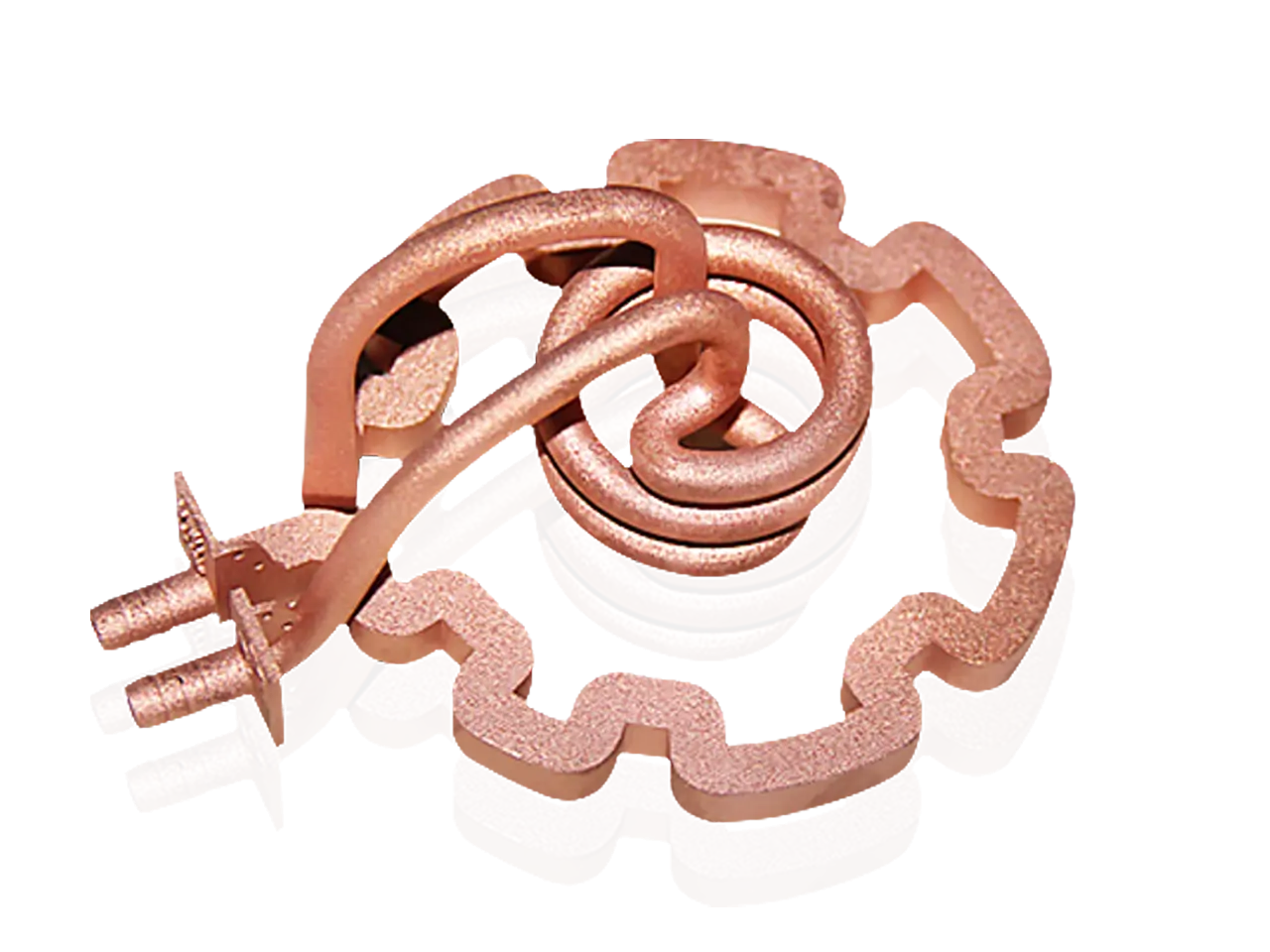
- Copper and bronze alloys: Get rich, warm aesthetics and excellent thermal/conductivity appeal. Provides unique patina possibilities for organic works of art.
Greglight’s Edge: Not only are we good at printing these multiple metals, but it is crucial Post-processing. This includes precise support removal, polishing (vibration, chemistry, manual/mirror), bead blasting, anodizing (for aluminum), coloring, plating (nickel, brass, gold), painting and complex assembly. This ensures that your chandeliers are not only technically reasonable, but visually stunning and ready for their grand display.
Greatlime: Inspired design from concept to completion
Become a leader in rapid prototyping companies Greatlight has professional features that are crucial to bringing the ambitious 3D printed chandelier project to reality:
- Advanced SLM Fleet: The housing tip industrial SLM machine is calibrated with a variety of metal powders and is reusable.
- Deep material expertise: Extensive knowledge when selecting the best materials for your specific design vision and functional requirements.
- One-stop completion mastery: A comprehensive in-house post-processing service ensures that the original printed parts are converted into flawless, upcomingly installed masterpieces tailored to precise aesthetic specifications, from polished splendor to velvety matte or vibrant shades.
- Engineering Solutions: We go beyond printing. Our team provides valuable designs for Additive Manufacturing (DFAM) consultations to optimize your model to ensure structural soundness, minimize support, prevent warping, and maximize efficiency.
- Quick turnaround: Leverage our fast prototyping expertise to agile design development and rapid production execution. We prioritize speed and quality.
- Customized cooperation: Whether it’s a quirky art installation or a limited production run, Greatlight offers flexible, tailored solutions to match the scale and complexity of any project.
Imagine Light: Potential Applications and Case Considerations
Applications of 3D printed chandeliers cover the construction, commercial, luxury residential and hospitality industries:
- Signed architectural statement: Grand, sophisticated fixtures for hotel atrium, company headquarters, museums and high-end retail.
- Custom Luxury Interior: A truly unique core chandelier is designed specifically for residential or penthouses.
- Design-driven hospitality: Create an unforgettable atmosphere in boutique hotels, restaurants and bars with unique brand lighting.
- Compact artistic lighting: Use the same advanced technology, smaller, complex chandeliers or wall lamps.
- Sustainable sculpture lighting: Optimized design minimizes material waste while attracting visual impact to the greatest extent and being consistent with ecologically conscious design principles.
While specific client projects remain confidential, envision a hall core ornament characterized by a reef-inspired flowing titanium lattice, carefully printed by SLM and anodized with soft satin finish. Or consider a series of interconnected aluminum spherical shapes for a high-end restaurant with wired and anodized jewelry tones inside. These illustrate the level of complexity and aesthetic skills that can be achieved with partners.
Conclusion: The future is a bright and complex production
3D printed chandeliers not only symbolize innovative lighting; they represent a fundamental transformation in how we conceive, design and manufacture complex functional art. The synergy of digital design and the accuracy of SLM 3D printing, coupled with expert finishes, unlock the future with distinct possibilities. Designers have the right to push boundaries and create chandeliers that are lighter, stronger, more complex and deeply personal. As a trusted leader in rapid metal prototyping, Greglight is ready to bridge the gap between visionary lighting concepts and excellent physical reality. We have advanced SLM technology, material versatility, and comprehensive post-processing mastery to shed light on your most ambitious designs. Stop compromise on traditional constraints. Work with Greatlight and let us help you redefine the art of light.
FAQ: 3D printed chandelier
-
Is 3D printed chandeliers strong enough?
Absolutely. Using mature metal 3D printing techniques such as SLM (selective laser melting)), chandeliers are made of solid materials such as stainless steel 316L, aluminum alloy or titanium. These materials produce structures that have mechanical properties comparable to or exceed those of traditional manufacturing methods. Design optimization further improves the strength to weight ratio.
-
Can I get a completely custom design?
Yes! This is one of the biggest advantages of 3D printing. Companies like Greatlight specialize in bringing unique design concepts into reality. We collaborate on designing (including DFAM optimization) to create customized pieces tailored to your exact specifications.
-
What other materials can be used besides metal?
Although metal (especially via SLM) is the gold standard for structural integrity, detail and high-end finishes in modern chandeliers, other 3D printing materials such as specific resins and nylon (SLS) can be used for components or specific artistic effects. However, the main structural elements always benefit from higher metals.
-
How do you deal with wiring and electrical components?
The key advantage of SLM 3D printing is the ability to design complex internal channels and conduits directly into the structure. This allows the wire to be seamlessly seamed with inner arms, stems and frames, completely hiding the clean, minimalist aesthetic. Designed for safe ignition procurement and electrical component integration.
-
Are 3D printed chandeliers very expensive?
Costs vary widely based on size, complexity, material and finish level. While highly complex works represent important design and manufacturing investments (similar to high-end hand-made lighting), the technology can also be cost-effectively optimized. For complex geometry, 3D printing can be surprisingly competitive by eliminating expensive tools and reducing skilled labor time. Quantity production of parts can also reduce unit costs. Greatligh’s focus is on balancing the maximum value with quality.
-
What level of end can I expect?
Professional completion is crucial. Greatlight provides a comprehensive set of post-processing services. Starting with a slight support removal, options range from polishing at all levels (satin, brushed, mirror), bead blasting (matte aesthetic), anodizing (for special colors on aluminum), electroplating (e.g., nickel, brass, gold), painting (standard and special effects) to powder coating. We achieved an amazing final look that was not possible with exceptionally smooth surfaces and desktop printing.
- How do I start a custom 3D printed chandelier project?
Contact professional rapid prototyping partners like Greatlime. Bring your concept, sketch, CAD file or simple idea. Our engineering and design support team will guide you through material selection, DFAM optimization for SLM manufacturing, provide quotes, and manage the entire process from document preparation to final exquisite completion.