The Final Guide to Lightweight 3D Printed Wire: Innovating Prototyping and Production
The evolution of 3D printing depends not only on the hardware, but also on the materials that bring the design to life. The most transformative innovation is Lightweight thin silkdesigned to reduce part weight without sacrificing structural performance. For industries such as aerospace, automotive, robotics and medical equipment (counted per gram), these materials unlock unprecedented efficiency and functionality. This guide delves into the science, types, applications and expert tips for mastering light 3D printing.
What is lightweight silk?
Lightweight filaments reduce part density through microstructure engineering. Unlike standard thermoplastics such as PLA or ABS, they are combined Microglycans, hollow particles or low-density polymers Maintain stiffness while eliminating mass. Key methods include:
- Foam technology: The filaments are infused with chemical agents that release gases during printing, creating microscopic bubbles (e.g., LW-PLA and PETG variants).
- Low-density polymers: Innate buoyancy material Polypropylene (PP) or TPUperfect for flexible or shadow-resistant parts.
- Reinforced composite materials: The silk is mixed with hollow glass microspheres or carbon fiber lattice structures to increase the strength-to-weight ratio.
Benefits of weight loss
- Material efficiency: Less filament consumption reduces cost and printing time.
- Energy saving: Lighter components have lower energy demand in mobile systems such as drones or vehicles.
- Enhanced features: Improved buoyancy for marine applications, shock absorption and thermal insulation of sports equipment.
- Sustainability: Reduce material waste and a lower carbon footprint during production and transportation.
Top lightweight filament types and their uses
-
Foamed PLA/PETG (for example, Colorfabb LW)
- Reduce density: 40% lighter than standard PLA.
- Best for: Architectural model, exhibition props and non-load prototypes.
- hint: Print on higher temperatures (210–230°C) to activate the foam.
-
Polypropylene (PP)
- Key Features: Naturally hydrophobic and fatigue-resistant.
- Ideal: Living hinges, fluid handling components and car interior.
- challenge: The chamber and adhesion promoter are required.
-
Microsphere-injected composites (e.g., glass or ceramic)
- density: As low as 0.6 g/cm³ (1.24 g/cm³ of ABS).
- app: Aviation bracket, drone frame and vibration damping mount.
- warn: Abrasives – Use hard nozzles.
- Lightweight TPU
- Advantages: Combine flexibility with low weight.
- use: Wearable technology, ergonomic grips and inflatable construction.
Key printing precautions
Lightweight filaments introduce unique workflow challenges:
- Temperature control: The foam wire requires precise hot end temperature to regulate bubble expansion. Inconsistent heat can cause partial distortion or layering.
- Bed adhesion: Low-density materials shrink more than standard plastics. Use PEI plates with adhesive such as Magigoo and enclosed chamber.
- Printing speed: Optimized flow consistency – Slow speed (30-50 mm/s) ensures uniform foam in LW-PLA.
- Retract settings: Minimize string wires (6-8 mm) in composite wires.
Industry Application: Lightweight filaments stand out
- aerospace: Fuel UAV components, satellite housing and cabin fixtures.
- car: Dashboard elements, HVAC pipes and lightweight fixtures.
- Medical: Portable diagnostic devices, prosthetics and orthotics that reduce user fatigue.
- consumer goods: High-performance sports gear and ergonomic tools.
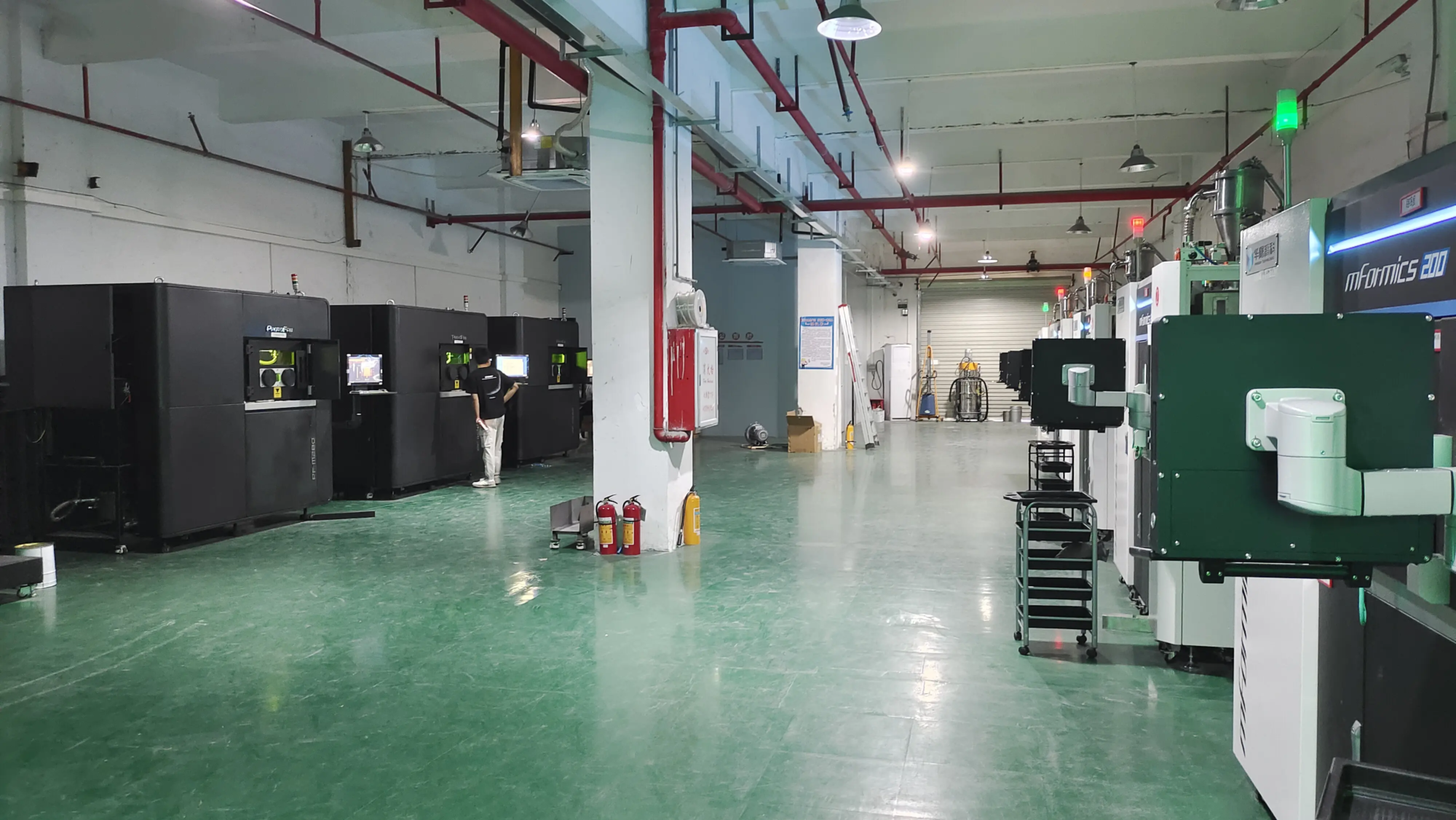
GRESTHILE: Powering advanced lightweight manufacturing
Desktop 3D printing process lightweight prototypes, Industrial-grade applications require tighter tolerances, advanced materials and precise completion. Here is where Greatlight’s expertise changes your vision:
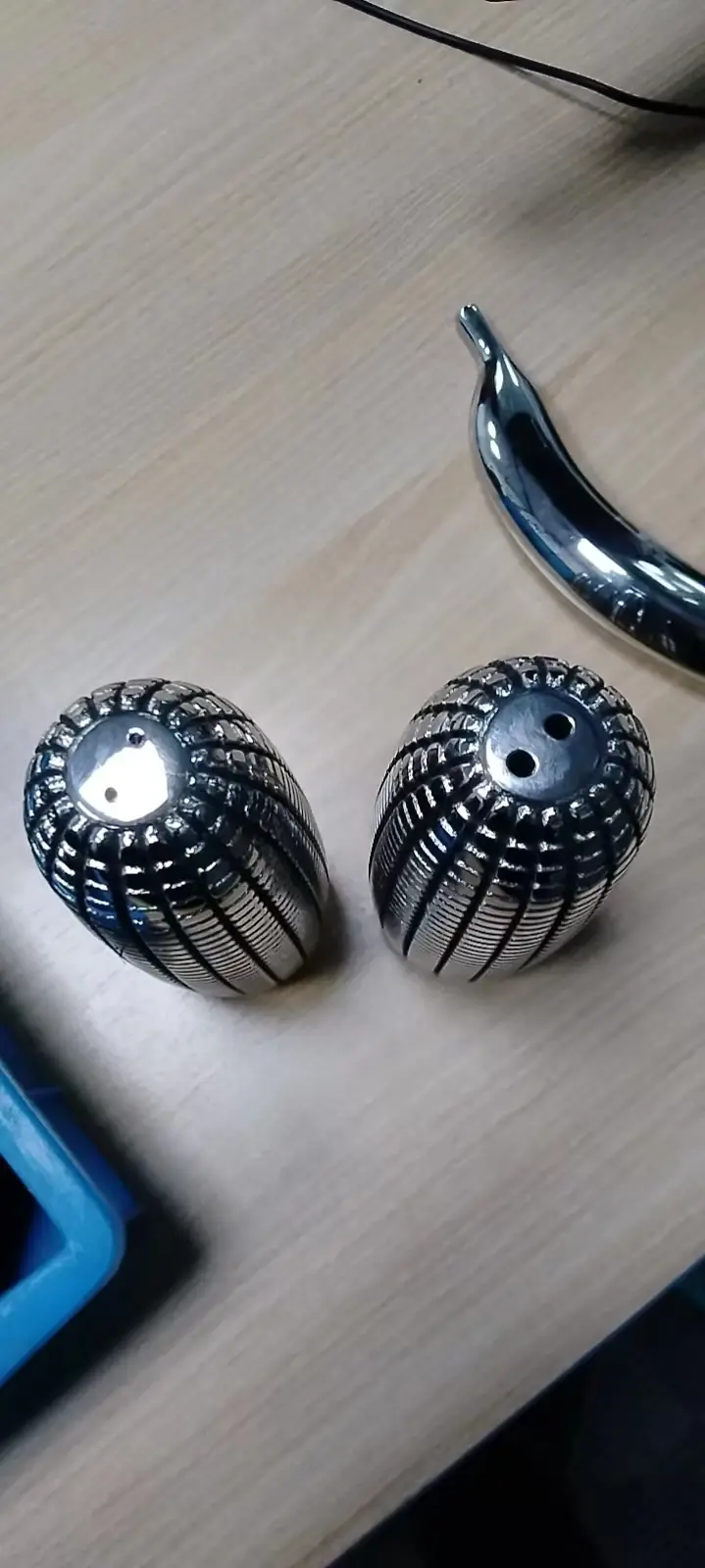
- Rapid Prototyping Excellence: Utilize advanced SLM (Selective Laser Melting) 3D PrinterWe produce complex Metal lightweight parts In aluminum alloy, titanium or inconel, used in aerospace and automotive components.
- Material Innovation: Working with specialty composites and metal foams, we can reduce weight to achieve up to 60% of body weight compared to solid equivalents.
- End-to-end solution: From topologically optimized design consulting to CNC finishes, steam smoothing and electronic coatings, all under one roof.
- Speed and scale: Upload your CAD file for instant quotes; receive functional parts in just 48 hours even under custom volumes.
in conclusion
Lightweight filaments are redefining the limits of additive manufacturing – "Impossible" Geometry forms a feasible and effective solution. Although amateurs place foam conditions in creative projects, the industry relies on engineered composites and metals to meet strict performance benchmarks. Work with professional manufacturers of images Great Accelerate the transition from prototype to production, leveraging cutting-edge SLM technology and post-processing Mission-critical parts have uncompromising accuracy. The future of manufacturing is lighter, smarter, faster – start here.
FAQ: Lightweight 3D printed silk
Question 1: How strong is lightweight wire?
Lightweight composites compete for ABS in tensile strength, but have a 30-80% reduction in density. Metal foam provides optimal stiffness, but requires an industrial printer.
Q2: Can I print lightweight wire on any FDM printer?
Most desktop printers use LW-PLA or PP, with upgraded nozzles (abrasive preparation) and enclosed chamber for temperature control. Industrial materials (e.g., with microsphere peeping) require high-speed systems.
Q3: Will light parts sink into the water?
The density of filaments such as foam PLA or glass-filled PP is <1 g/cm³ and floats. Titanium foam (processed by SLM) is dense, but still has a hollow lattice design.
Question 4: Why choose Greatlime over other manufacturers?
Provided by GRESTLIGHT Large-scale accuracy– Will be fast SLM printing, materials science expertise and comprehensive completion. We ensure that complex lightweight parts are validated for high-pressure environments.
Q5: How to optimize a lightweight printing design?
Use a generative design tool such as Ntopology or Fusion360 to create a hollow lattice. Greatlight engineers specialize in topological optimization to maximize strength-to-weight ratios.
Engineers are smarter. Lighter construction. The ratio is faster.
Ready to change your next project? Visit Greatlight for a quote about custom lightweight 3D printing solutions.