The Evolution of Additive Manufacturing: Understanding Lithography 3D Printing
Modern manufacturing thrives on precision and efficiency, driving processes such as Lithography 3D printing – A cutting-edge technology transforming rapid prototyping. also known as Stereolithography (SLA) or Optical manufacturingphotolithographic 3D printing uses light-activated photopolymer resin to build complex parts layer by layer. Let’s take a closer look at how this technology works, its benefits, and why it’s an integral part of industries that require micron-level precision.
How Lithography 3D Printing Works
Lithography 3D printing uses Ultraviolet (UV) laser Or light projector solidifies liquid resin with high precision. The process unfolds in four stages:
-
3D model preparation:
Digital CAD designs are sliced into ultra-thin layers (as fine as 0.025 mm) using specialized software. -
resin exposure:
A UV laser beam traces the pattern of each layer onto a bath of photopolymer resin. After exposure, the resin solidifies through photopolymerization, forming a solid cross-section. -
layer stacking:
The build platform is gradually lowered into the resin tank. Each new layer is bonded to the previous layer until the part is complete. - Post-processing:
Printed objects are rinsed in a solvent such as isopropyl alcohol to remove excess resin, then UV cured for strength and stability.
Key Benefits of SLA Technology
- UnmatchedPrecision: For complex geometries, resolution can be as low as 10-25 microns.
- surface treatment: Provides an optically smooth surface, eliminating secondary smoothing for beautiful prototypes.
- Material diversity: Supports flexible, tough, castable or biocompatible resins.
- speed: Produce functional prototypes in hours.
Practical application
Lithographic 3D printing excels in areas with attention to detail and dimensional stability:
- medical: Surgical guides, anatomical models and dental braces.
- Automotive/Aerospace: Wind tunnel testing models and lightweight ducting.
- jewelry: Waxless casting of intricate designs.
- consumer goods: Snap-on assembly and ergonomic test model.
Why partner with GreatLight for your SLA needs?
exist huge lightwe merge Industrial grade SLA printing Have complementary manufacturing expertise to solve complex prototyping challenges. Our capabilities include:
- Full cycle workflow: SLM metal printing for functional parts combined with SLA for fine detail prototypes and cast models.
- Material customization: Quickly source over 200 resins suitable for thermal, mechanical or biocompatibility requirements.
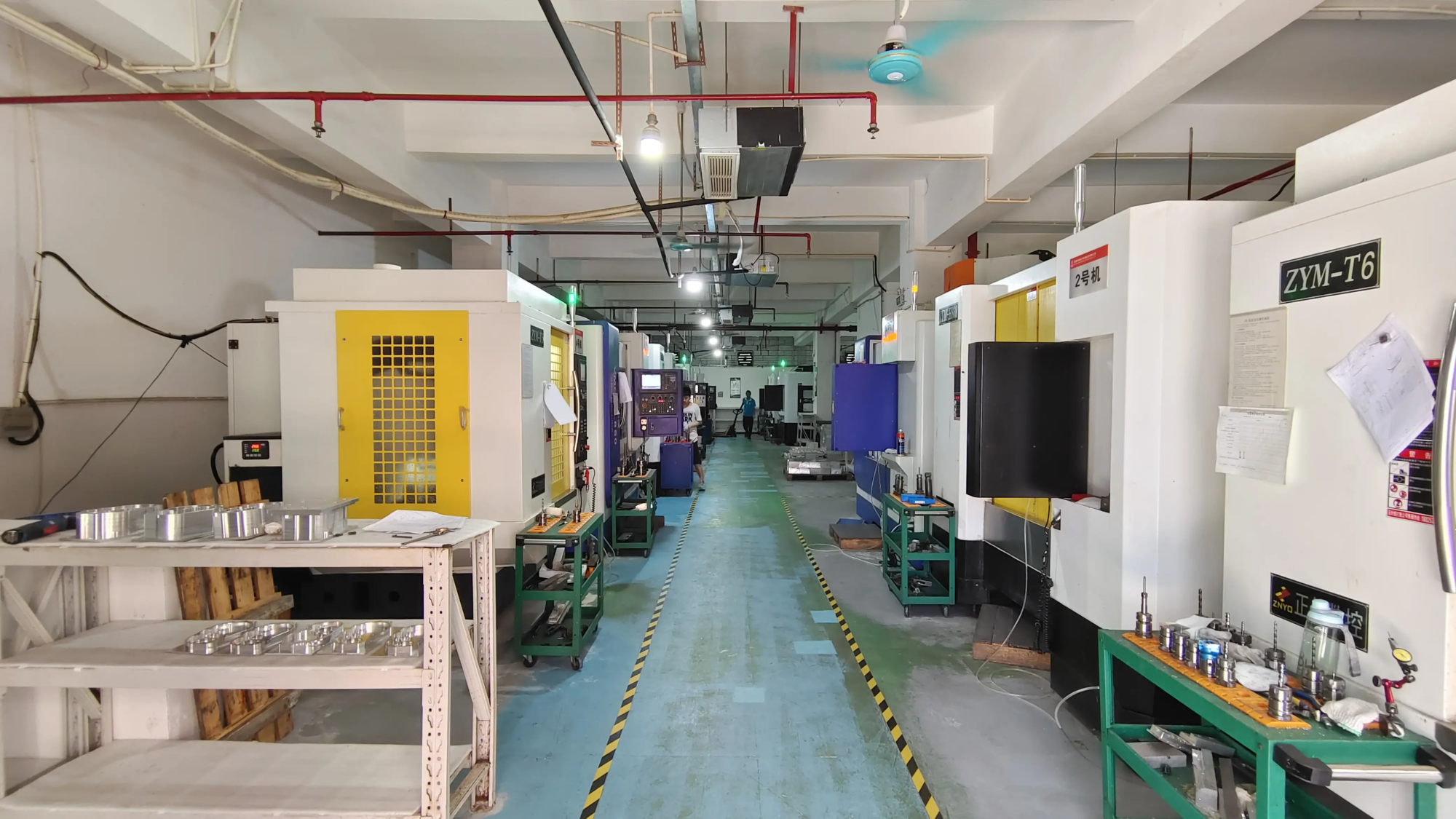
- Excellent post-processing: In-house CNC machining, solvent smoothing, plating and painting.
- speed to market: 24-hour turnaround for urgent projects without affecting the quality of ISO certification.
as a Top Rapid Prototyping Partner in ChinaGreatLight Connection Design and Production – Providing precision components globally at competitive costs.
in conclusion
For delicate, high-precision components that require smooth surface finishes, photolithographic 3D printing remains unmatched. However, its true power is multiplied when combined with metal SLM and professional finishing – a comprehensive package from GreatLight. By understanding your product’s lifecycle needs, we transform raw prototypes into market-ready parts.
Frequently Asked Questions about Lithography 3D Printing
Question 1: How does SLA differ from FDM or SLS?
A: SLA uses UV-cured resin and has finer details and a smoother surface than Fused Deposition Modeling (FDM). Unlike selective laser sintering (SLS), SLA does not require powder processing and excels at processing microscopically detailed parts.
Question 2: What materials are SLA printers suitable for?
A: Photopolymer resins in standard, rubber-like, engineering grade (heat resistant), dental and pourable forms. GreatLight supports the procurement of materials to meet special requirements.
Question 3: Are SLA parts mechanically durable?
A: Raw prints are brittle after curing, but strength can be gained through resin selection or mixed finishing. GreatLight enhances durability by coating, annealing or molding master molds.
Q4: Can SLA be mass produced?
A: It is good at prototyping and small batch production. To meet high-volume demand, GreatLight utilizes SLA patterns for silicone molding, or SLM printing of integrated metal parts.
Q5: Why choose Huilite instead of traditional manufacturers?
A: We accelerate innovation through integrated workflows: SLA/SLM 3D printing, precision CNC machining in a single facility, and global logistics. Our end-to-end solution reduces delivery time by 60%.
Boost your prototyping strategy huge light – Combination of cutting-edge photolithography technology and manufacturing excellence. Contact us today to request a quote or discuss your project’s unique needs!