The Ultimate Guide to Lizard 3D Printing Models: Where Art Meets Precision Engineering
Lizards fascinate us—scales gleaming in the sunlight, intricate toe pads gripping vertical surfaces, tails curled with prehistoric grace. Today, 3D printing breathes life into these ancient creatures, transforming digital designs into tangible art, functional tools, and educational marvels. Whether you are an artist, educator, engineer or hobbyist, Lizard 3D models push the boundaries of creative and technical potential. In this guide, we’ll explore how to master lizard 3D printing, from model selection to material science, and why working with an expert can enhance your horizons.
Why lizards shine in 3D printing
Lizard anatomy is a 3D printer’s playground. Their complex textures—overlapping scales, muscle outlines, and delicate limbs—present a challenge for printers to replicate high-resolution detail. This makes them ideal for:
- Artistic expression: Lifelike sculpture for gallery, nature style decoration or jewelry.
- educate: Biology classrooms use models to teach anatomy, evolution, or ecosystem roles.
- bionics: Engineers replicate gecko feet for climbing robots or glue materials.
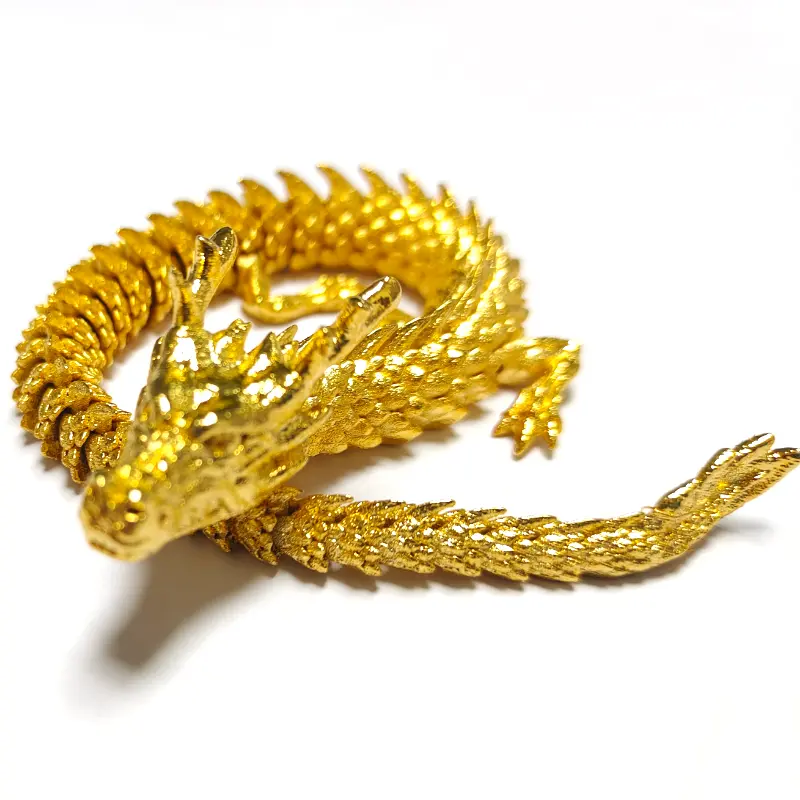
- Pop culture: Fantasy creatures like dragons thrive in game models and collectibles.
Buy your Lizard 3D Model
Start with an existing design or create your own:
- Online repository: Platforms such as Thingiverse, Cults3D or MyMiniFactory offer free and paid lizard models. Filter by species (chameleon, iguana), posture or complexity.
- Customized design: Use sculpting tools (ZBrush, Blender) to create unique models. Optimize geometry to improve printability: thin tails require support; hinge mechanisms require joint clearance.
- Professional assistance: Complex projects benefit from professional CAD designers, especially for functional parts.
Materials: Match the medium to the purpose
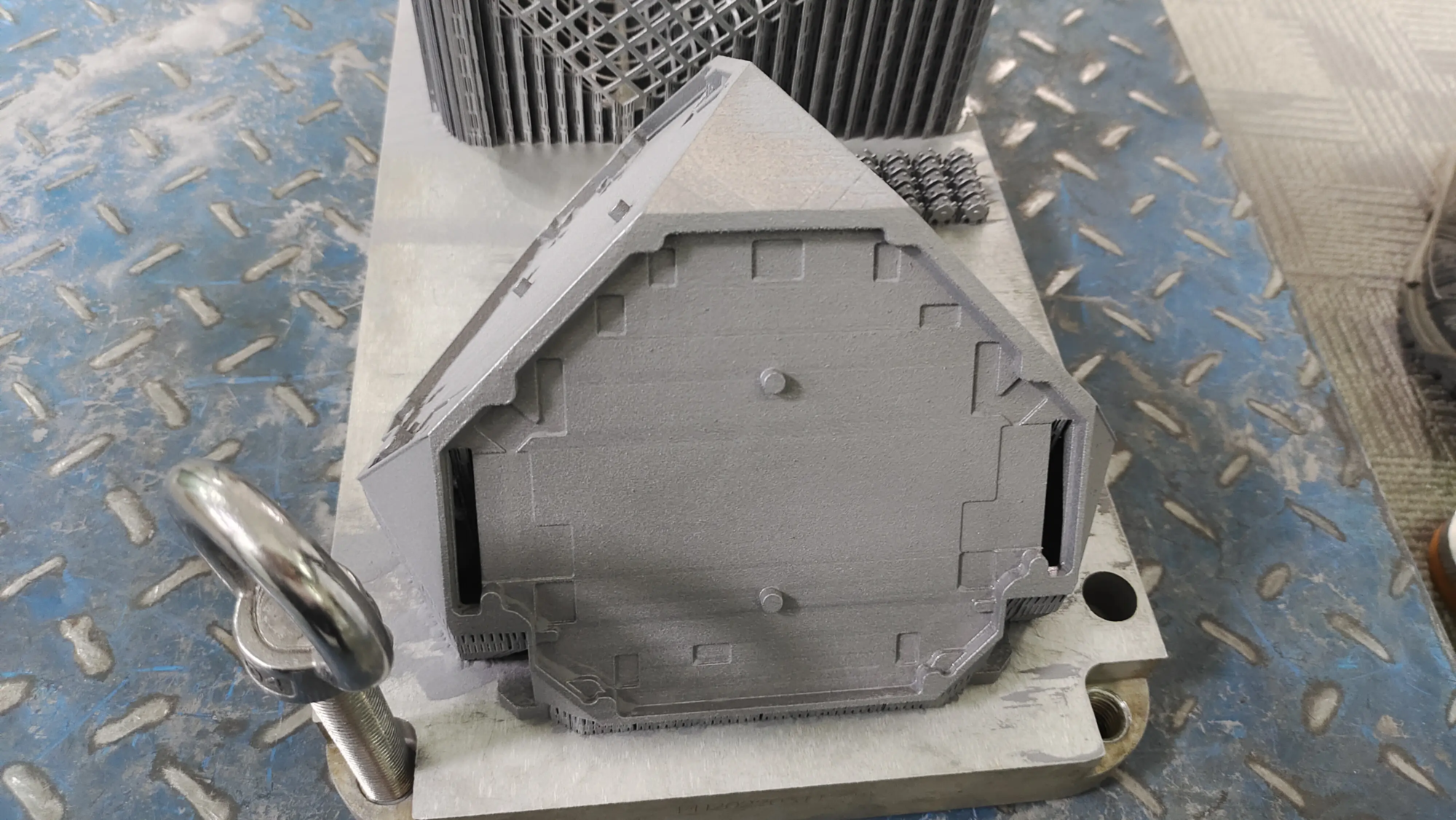
Metal printing (SLM/DMLS): Ideal for durability, precision and luxury finishes. GreatLight’s SLM (Selective Laser Melting) printers excel in:
- titanium: Ultra lightweight model for robotics or aerospace.
- Stainless steel: Weather-resistant outdoor art or industrial prototypes.
- aluminum: Balance the strength and cost of your jewelry or feature piece.
Post-processing Alter the original print: polish for a mirror shine, plate for a gold/silver effect, or sandblast for a matte texture.
Polymer options:
- Resin (SLA/DLP): Implement microscopic scales/veins. Use when detail trumps strength.
- Polylactic acid/ABS: Decorative pieces are budget friendly. Flexible TPU for bendable tail.
- Nylon: Rugged outdoor applications.
Technical tips for perfect printing
- direction: Position the lizard vertically (head up) to minimize support marks on key details.
- support: Use trees to support fragile limbs; use soluble PVAB for resin.
- Floor height: Resin ≤0.1mm; 0.15–0.2mm, used for FDM to capture skin texture.
- Scale management: Magnify tiny features like claws to improve FDM reliability.
Practical application
- Decorative Arts: Bronze Gecko Wall Art in GreatLight Polish.
- Biomedicine: Titanium spinal implant modeled on lizard tail regeneration.
- Robotics: Gecko-inspired gripper printed with flexible resin adhesive.
- Jewelry: Lizard Pendant is crafted from polished titanium.
Case Study: GreatLight’s Complex Lizard Model Approach
The customer ordered an articulated robotic gripper that mimics the adhesion mechanics of a gecko. Our journey:
- design: CAD optimization of movable joints and micro-column textures.
- Material: Stainless steel hinge + TPU soft touch pad.
- print: Hinge SLM accuracy; MJF for flexible parts.
- Post-processing:
- Robotic polishing of friction-free joints.
- Testing custom camouflage colors for jungle robots.
Projects like these demonstrate how expertise can bridge the gap between art and science—efficiently delivering complex, practical results.
in conclusion
Lizard 3D printing combines the ingenuity of nature with cutting-edge technology. Whether creating a museum-quality sculpture or an industrial marvel, material selection, design skills and precision manufacturing determine success. For projects with higher requirements Zero compromiseGreatLight is ready: Our SLM metal printers, vast materials catalog, and in-house finishing services ensure your lizard model (whimsical or revolutionary) exceeds expectations.
FAQ
Q1: Can I print multi-color lizards?
Yes! Use a filament swap FDM printer or paint resin/plastic for post-printing. For metal prints, electroplating or enamel coloring post-processing can add vibrant tones.
Q2: How small/detailed can the lizard model be printed?
Resin printers can achieve details as small as 0.025 mm (such as tiny graduations). Metals using SLM are accurate to ±0.05 mm (such as micro gecko foot pads), making them ideal for microprobes or jewelry.
Q3: What is the best support strategy for fragile lizard tails?
Angled support under tail reduces scarring. SLA’s soluble resin minimizes damage. For metal prints, GreatLight’s support structure uses finite element analysis to prevent deformation.
Q4: What materials can withstand outdoor elements?
Stainless steel (metal print) or ASA/UV stabilized nylon (plastic). Alternatively, the metal is electroplated for corrosion protection.
Q5: How long does it take to print Metal Lizard?
The palm-sized titanium gecko takes 6-8 hours to print + 3 days to polish/anodize. GreatLight expedites custom orders with on-site prototyping tools.
Customized lizard prints await you
Transform digital glamor into tactile reality. Partner with GreatLight – Reptile meets precision. Submit your STL file: HongguangRP.com Instant quotes and exclusive prototyping insights.