Explore Your Community Hub: Why Local 3D Printer Supply Shops Are Crucial (And When They’re Not Enough)
The hum of 3D printers is becoming an increasingly familiar soundtrack in homes, schools, workshops and industry. As 3D printing technology evolves from hobbyist tinkering to mainstream manufacturing, the need for reliable supplies, parts and expert guidance has grown exponentially. While the online giants offer plenty of options, Local 3D printer supply shops play a uniquely important role This cannot be ignored. Let’s explore their enduring value and understand where they stand compared to larger service providers.
Practical Advantages of Local Stores
- Instant gratification and reduced downtime: There are no delays in shipping when you can hop in your car. Running out of necessary supplies, urgently need to replace the nozzles, or discovering damage to the build plate during printing? Your local store has what you need today. Whether you’re a hobbyist meeting a deadline or a small business delivering a prototype, minimizing machine downtime is critical to increasing productivity.
- Expertise you can talk to: Online descriptions and forums are helpful, but nothing can replace face-to-face interaction with someone who understands the craft. Local shops are often staffed by passionate makers and technicians who:
- Understand the nuances between filament brands and types (PLA, PETG, ABS, etc.).
- Use the following to troubleshoot common printing issues your specific machine and settings.
- Provides practical advice on printer calibration, maintenance, and upgrades.
- Recommend customized solutions based on local conditions such as humidity affecting material storage.
- Visual and sensory materials: Buying filament online can be a gamble regarding color accuracy or texture. Your local store allows you to inspect the spool in person before purchasing – get a feel for the quality, measure for accurate color, and check for diameter consistency. This is invaluable for critical aesthetic projects.
- Community Center and Learning Center: Many local shops host workshops, building nights and demonstrations. They foster local maker communities, providing a space to share ideas, get inspired, and learn new technologies. This supportive environment accelerates learning and problem solving.
- Support the local economy: Choosing local businesses circulates capital within the community, supports jobs and fosters an entrepreneurial ecosystem. It builds relationships that go beyond transactional exchange.
- Printer Hands-On Assessment and Demonstration: Considering buying a new printer? Some local stores offer models where you can see them, discuss the pros and cons with knowledgeable staff, and maybe even try a small test print—an experience that can’t be replicated online.
- Small consumables and kit requirements: In addition to filament, the store also stocks essentials like nozzle cleaners, lubricants, adhesives (glue sticks, hairspray), printing plate surfaces and basic tools – the little things you need all the time immediately.
Understanding the Limitations: When Local Isn’t Enough
Local stores are great at supporting user Desktop FDM (Fused Deposition Modeling) printers and sometimes resin printers. However, in some areas even the best local resources may be limited, especially when we enter Industrial grade production and metal printing:
- Material range: Local stores mainly sell plastics (filament, resin). They often cannot offer specialized engineering-grade polymers (e.g., PEEK, PEKK), high-performance composites, or most importantly, metal powder Required for processes such as Selective Laser Melting (SLM) or Direct Metal Laser Sintering (DMLS).
- Equipment scale and cost: Industrial metal 3D printers require significant investments ($100,000 to millions of dollars), requiring specialized infrastructure, controlled environments, and trained operators. Housing and operating this type of equipment is beyond the scope of a typical local retail supply store.
- High-volume prototyping and production: If you need dozens or hundreds of identical prototype parts quickly, especially metal parts, a professional rapid prototyping service with industrial-scale printing and finishing capabilities is crucial. Centralized supply from local shops you Making prints is usually not the mass production of the print itself.
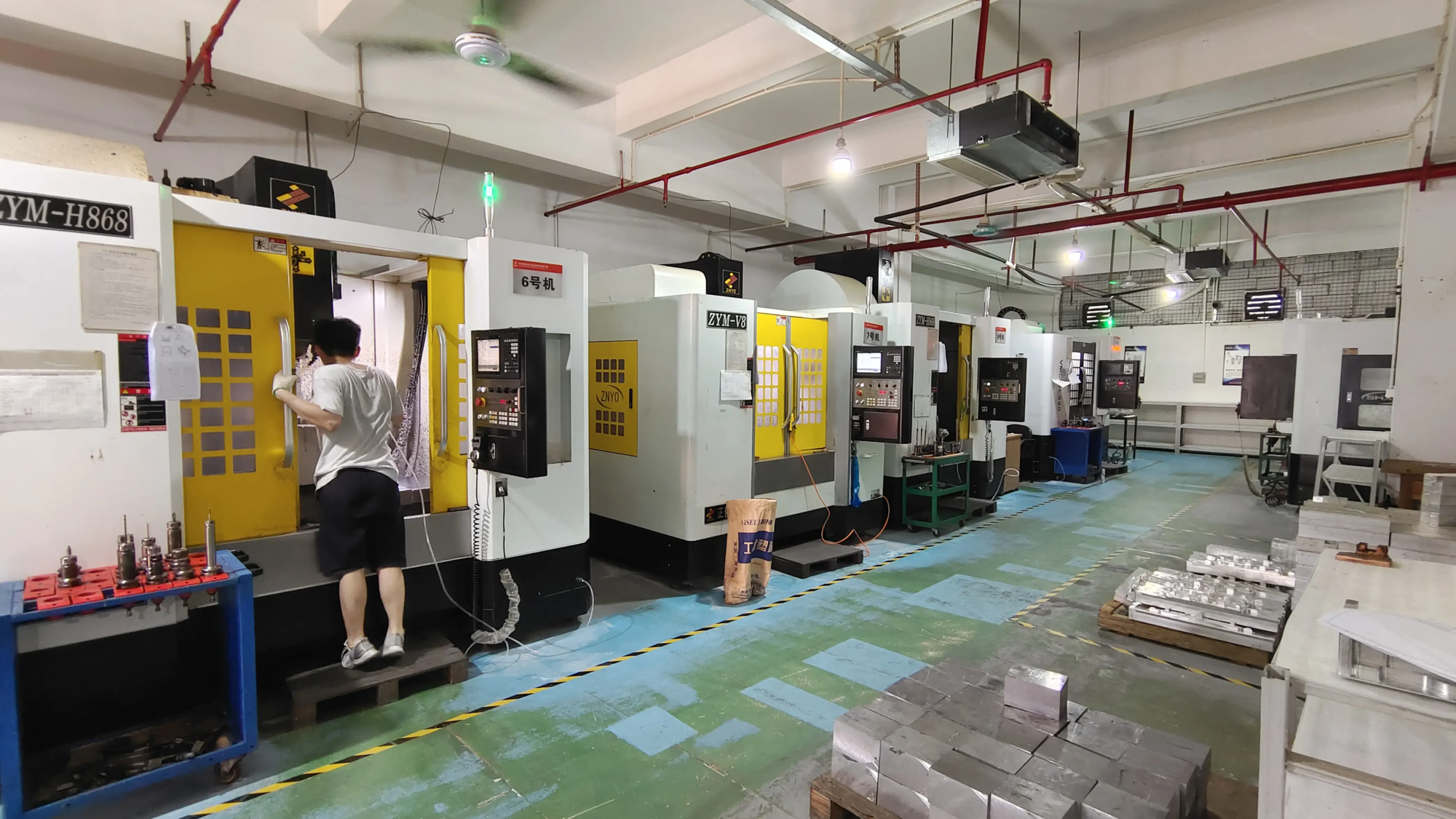
- Complex post-processing: Metal 3D printed parts require complex post-processing: support structure removal, heat treatment (stress relief, HIP), CNC machining to achieve tight tolerances, surface finishing (e.g. sandblasting, polishing, coating). This requires specialized industrial equipment and expertise.
- Deep materials science expertise: Ensuring optimal material properties for functional metal end-use parts requires advanced metallurgical knowledge.
Where a professional service provider like GreatLight fits in
For organizations dealing with complex rapid prototyping challenges, especially Metal parts requiring precision, strength and functional performanceworking with expert manufacturing services becomes necessary. This is what companies like huge light excellent:
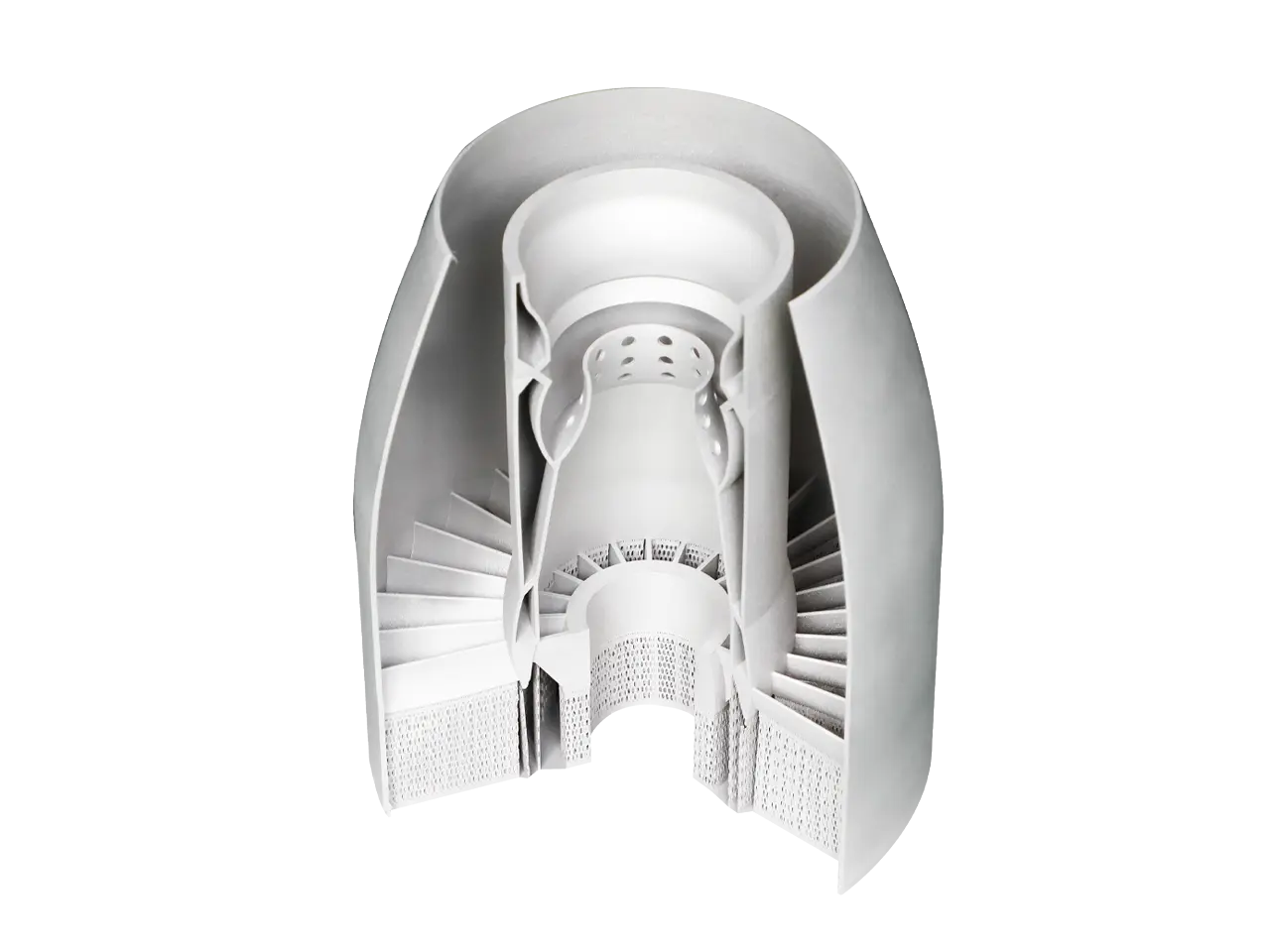
- Advanced SLM Metal Printing: Directly employing state-of-the-art selective laser melting technology, capable of producing complex, dense metal parts using alloys such as titanium, aluminum, stainless steel, Inconel and tool steel.
- Material innovation and customization: Our offerings extend well beyond consumer filament to include a variety of certified specialty engineered metals—often with custom alloy capabilities.
- End-to-end prototyping services: From initial design consultation and file optimization to printing, comprehensive post-processing (including precision CNC machining) and strict quality control – a true one-stop solution.
- Connect prototype to production: Ability to efficiently scale from a single prototype to low-volume production.
- Engineering support: Deep technical knowledge provides advice on design for additive manufacturing (DfAM), material selection to meet specific mechanical requirements and process optimization.
Conclusion: Collaboration rather than competition
Local 3D printer supply shops and professional rapid prototyping service providers play unique but often complementary roles in the broader additive manufacturing ecosystem:
- For benchtop machine operators, educators, hobbyists and small workshops: this Local shops are a must. It provides instant access to consumables, parts, practical troubleshooting, and community support.
- For engineers, product developers, manufacturers and industries requiring high-performance metals, complex geometries or production-scale prototyping: Professional services organizations like GreatLight are the solution. They provide the industrial-grade equipment, advanced materials science, rigorous quality processes and end-to-end capabilities required for demanding applications.
Embrace your local store for everyday supplies, expert advice on machines, and community connections. Recognize that when your project requires industrial metal 3D printing, precision finishing, or volume production capabilities, working with a dedicated rapid prototyping expert is the path to success. Both are important cogs in the incredible engine driving the future of manufacturing.
FAQ: Local 3D Printer Shops and Professional Prototyping Services
Q: Should I only buy supplies locally?
Answer: Not necessarily. Online suppliers offer a wider selection and often lower prices, especially for bulk orders or niche materials that you may not be in urgent need of. Local stores are great at meeting immediate needs, suggestions and tactile/sensory assessments. Mixed approaches are common.
Q: Can a local shop repair my damaged industrial metal printer?
Answer: Unlikely. Industrial metal printers require manufacturer-certified technicians or professional service professionals. The local shop primarily handles desktop/consumer FDM and resin printer repair and maintenance.
Q: Does GreatLight only make metal prototypes?
A: While focusing on and excelling in metal SLM printing, most professional service providers like GreatLight typically return Offers advanced polymer printing (such as SLS or MJF) as well as metal printing. Their core strength lies in industrial-grade craftsmanship of a variety of materials. Check out their specific service portfolio.
Q: Can a local shop print custom metal parts for me?
Answer: Extremely unlikely. Metal printing requires expensive specialized equipment and powder handling protocols that are well beyond the scope of a typical retail store. They stock filament/resin for you Printing, not industrial printing services.
Q: Do prints from services like GreatLight include post-processing?
A: Reputable industrial service providers like GreatLight will often provide comprehensive post-processing as an important part of delivering a functional prototype or end-use part. This includes critical steps such as support removal, heat treatment and precision machining to meet specifications. Confirm service content with provider.
Q: When should I consider switching from local supplies purchases to professional prototyping services?
A: Consider service providers when:
- You need metal or high-performance engineering polymer parts.
- You need complex geometries that are beyond the capabilities of your desktop printer.
- You need stringent mechanical properties or certifications.
- The quantity exceeds what desktop printers can actually produce.
- Precise finishing or machining to tight tolerances is critical.