

London serves the future: a 3D printed steak roll to the menu
London is the epicenter of innovation and culinary exploration, and has moved towards the future of food. Go beyond plant-based burgers and cultured milk; the town’s topic now 3D printed steak. Yes, you read it correctly. Restaurants begin to provide diners with a piece of experience "Meat" Carefully assembled layer by layer through complex 3D printers. This is not science fiction; it is a fascinating blend of culinary art and cutting-edge technology that takes place in the British capital.
From Printer to Panel: How does it work?
While the output is similar to steak, the process owes more to biomanufacturing and advanced materials science than traditional slaughter. Here is a glimpse behind the delicious curtains:
- this "ink": The basis is usually plant-based. Ingredients such as pea protein, soy protein, beetroot juice (for color), coconut or cocoa butter (for marble texture), and binding agents form a nutrient-rich paste. This missed "Bio-Ink" Load into the printer.
- Digital design: Chefs and food scientists work together to design steaks digitally. This includes defining its shape, size and vital internal structure – replicating the muscle fibers and complex fat marble patterns of traditional steaks to texture and juicy.
- Printing process: Conceptually, in the concept similar to selective laser melting (SLM) in metal additive manufacturing, the bio-local workload precisely deposits paste layer by layer despite working at lower temperatures and pressures. The printer’s head moves accurately, creating a complex fibrous structure that mimics animal meat.
- Complete the touch: Printed forms often require additional steps before cooking, such as slightly heating to set the structure or cooling to solidify the fat. Finally, it is seasoned and cooked using traditional cooking methods (barbecue, sear or bake) to deliver the final flavor and texture to the plate. Places like M Restaurant have been creating this experience in London in partnership with Redewe Meat.
Why 3D printed steak? Driver:
London’s embrace of this technology is not only a novel stunt. It is driven by strong global trends:
- Sustainability crisis: Traditional livestock cultivation is a major contributor to greenhouse gas emissions, deforestation and water consumption. Plant-based alternatives, especially when optimizing production through printing, provide a significantly smaller environmental footprint.
- Ethical Diet: Consumers are increasingly aware of animal welfare and are driving the need for cruelty-free alternatives that can replicate the meat experience without sacrificing taste or texture.
- Resource efficiency: 3D printing allows precise material use, minimizing waste in the production process. It can also use plant proteins that may be difficult to effectively structure by conventional processing methods.
- Cooking innovation and customization: This technology enables chefs to create impossible structures and textures with standard ingredients. Imagine that steaks have a specific fat distribution for optimal flavor, even a design of nutrients tailored to individual dietary needs. It opens up new boundaries for food.
- Food Security: As the global population grows, scalable, effective protein production solutions become crucial. 3D printing provides potential viable avenues for future food systems.
Beyond Food: The broader meaning of precisely created layer by layer
The technology that powers these cooking creations is related to the principles of advanced additive manufacturing or 3D printing that are in line with industrial applications, especially metal rapid prototyping. The precise, custom and complex structure required for the convincing printed steak mirror creates challenges solved every day in high-tech manufacturing:
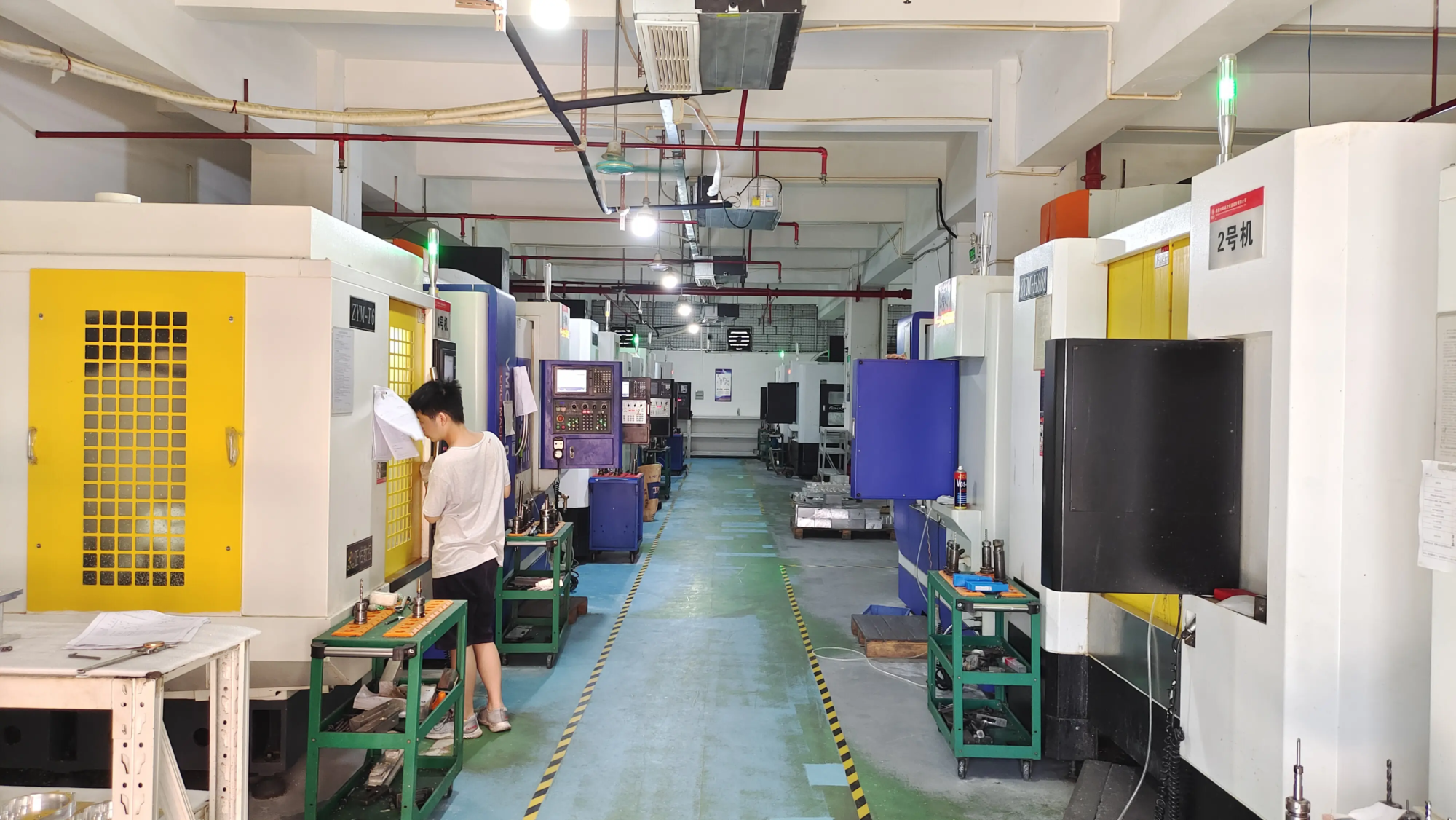
- Materials Science Strength: Just as food scientists develop specialized bioinks, industrial rapid prototyping requires deep expertise in metal powders and polymers. Companies like Greatlight have extensive knowledge in processing materials, such as using advanced SLM (selective laser melting) 3D printers such as stainless steel, titanium, aluminum alloy, inconel, etc. In kitchens and factories, it is crucial to understand how materials behave under heat and pressure.
- Accurate copy: Reproducing the composite material structure of muscle tissue requires the same level of complex control required to print geometrically complex metal parts using internal channels or lattice structures. Greatlight’s industrial-grade SLM equipment enables micron-scale accuracy, ensuring functionality and accuracy are critical to prototype and end-use parts.
- From prototype to production: The journey of 3D printed steaks starts with novel concepts and expands on large-scale adoption, which echoes the process of manufacturing. GRESTLIGHT specialized research Rapid prototypingtransform digital design into tangible prototypes Quicklyallowing for rapid iteration and testing. This accelerates the innovation cycle across aerospace, automotive, medical equipment and energy sectors. In addition, their capabilities extend to low volume production and one-stop post-processing (processing, heat treatment, polishing) to achieve fully functional end-use precision metal parts.
- Customized as standard: 3D printing is thriving in customized solutions. Whether designing plant-based steaks for the exact specifications of the chef or creating highly specific, sophisticated metal components for jet engine prototypes, the technology opens unprecedented potential for tailored solutions. The core strength of Greglight is Customized precision machining and rapid manufacturingprovides fast turnaround and flexibility to meet unique challenges.
- Through efficiency sustainability: Compared to subtraction methods, additive manufacturing minimizes waste (e.g., cut from blocks). This spirit of resource efficiency resonates with the sustainability goals that drive alternative protein development.
Conclusion: The taste of tomorrow, powered by innovation
London offers 3D printed steaks more than just a quirky dining trend. This is a tangible manifestation of how advanced manufacturing technologies penetrate and completely change all aspects of our lives. The ability to assemble complex structures layer by layer—whether it is turning plant proteins into juicy steaks or metal powder into critical aerospace components—represents the fundamental transformation of our creation.
The principles of customization, waste reduction, complex design freedom and rapid iteration are so vividly demonstrated on London’s plates that drive the frontiers of industrial manufacturing. Companies like Greatlight, advanced SLM Metal 3D Printing Ability and expertise Accurate rapid prototyping and Custom finishing servicewhich is the core of this revolution, solves complex production challenges quickly and effectively.
Just as chefs are redefining the possibilities of food, the expertise of additive manufacturing cultivated globally is enabling breakthroughs that shape our physical world. The steak on a London plate is more than just dinner. It is a very compelling symbol that is literally built layer by layer and powered by the unlimited potential of 3D printing technology. The future is printed and it is customizable.
Frequently Asked Questions about 3D Printed Steaks (FAQ):
Q1: Is 3D printed steak actually meat?
A: Most of the 3D printed steaks available in London are 100% plant-based. They are built using plant protein, fat, flavor and color. this "print" Replicate the structure and texture of meat, but does not involve animal cells. Cultivated meat (using actual animal cells grown in bioreactors) is another field, and although it also often uses 3D printing for structures, it has not been widely used commercially in restaurants such as the basic version of the plant.
Q2: Does it taste and feel like a real steak?
A: This is a multi-million dollar question! The technology has advanced. Many consumers report that the texture, especially the fiber bites and texture, is very close to the mid-range regular beef, especially in dishes paired with seasonings and accompaniment. The flavor is achieved through seasonings and plant-based additives to mimic the umami flavor of meat (beer). Supporters believe that while rarely the same as high-quality meat, supporters believe they provide a satisfying and compelling alternative experience.
Q3: Is it safe to eat?
A: Yes, 3D printed food produced in regulated facilities is safe. The ingredients used (plant protein, fat, binder, color, flavor) are all food grade and are approved for consumption. The printing process itself, especially the cold sorting method common in food printing, does not inherently introduce any other food processing plant risks. Strict hygiene and food safety standards apply to their production.
Question 4: Why is it usually more expensive than a regular plant-based burger?
A: Currently, several factors have led to higher prices:
- Technical cost: The printer itself and the research and development behind the precise formulation and printing process are a significant investment.
- scale: Production remains relatively small compared to mainstream processed foods and even plant burgers based on Patty.
- complex: Creating complex marble patterns and muscle fiber structures requires more complex equipment and processing than making homogeneous burger pies.
As technology matures and expands, prices are expected to drop.
Q5: Is it healthier than regular steak?
A: Plant-based printed steaks usually offer some health benefits:
- No cholesterol: Completely free of dietary cholesterol.
- Lower saturated fat: Usually designed with less fat than traditional beef.
- Fiber and Nutrition: Usually contains fiber and can be strengthened with nutrition.
However, they may be high in content and have the potential to deal with. As with any food, check nutrition information. They are often considered healthier options Compared with red meat In terms of cholesterol and fat.
Question 6: Where can I try in London?
A: Favorite restaurant M Restaurant (BBQ) Work with pioneer companies in the city of London and Victoria Redefine meatwas one of the first to feature these steaks on the menu. As adoption grows, it is worth checking with innovative plant-based focus or high-end restaurants. Please keep an eye on the newly released cooking news!
Question 7: How does this have to do with companies like Greatlight?
A: Although Greatlight does not print food, core technology can achieve these steaks – Advanced, accurate, by-layer additive manufacturing (3D printing) – Conceptually similar to what Greatlight uses in industry Rapid prototyping and metal parts production. Their expertise in SLM metal printing, materials science, complex geometric shape creation and precise completion reflects the same engineering principles applied in different fields (food). Both show the transformative potential of architectural complex structures digitally and additively.


