The future is longer: Demonstrating the expanded capabilities of large-format 3D printers
The additive manufacturing landscape is constantly evolving, pushing the boundaries of size, speed and material possibilities. While precision and resolution remain critical, a major shift is taking place: The rise of longer build platforms. These extended frame printers go beyond desktop or even benchtop scale and are opening up exciting new frontiers for prototyping and production. It’s not just about making big Part; it’s about achieving previously impossible designs and revolutionizing workflows.
Beyond benchmarks: Understanding longer build platforms
Longer 3D printers typically have longer build volumes. Key configurations include:
- Extend Z axis: Taller printers can print taller vertical components, such as turbines or tall building models.
- Extend X/Y axis: Wider/longer print beds enable horizontal production of large panels, molds, full-size molds or integrated assemblies.
- Diagonal optimization: Maximize printable length within a given machine footprint by leveraging innovative kinematics and chassis design.
Compatible materials are not just enlarged versions of desktop materials. Advanced systems handle high-performance polymers (e.g., PEEK, ULTEM), composites, foundry sands, and most importantly, Industrial grade metal. This is where platform scale and functionality really intersect.
Unleashing expanded capabilities: more than just size
1. Integrated assembly and parts integration:**
Imagine printing an entire complex mechanism (housing, gears, shafts) as an integrated unit, eliminating assembly time, reducing potential failure points, and optimizing weight. The longer bed makes this very practical for large industrial parts. Consolidating dozens of parts into one can significantly reduce costs and shorten delivery times.
2. End-to-end machining and tooling:**
It becomes feasible to manufacture large tools (jigs, fixtures, drilling templates) or full-size Cecilia molds for small series production directly from CAD data. No more splicing smaller pieces. Tools such as sand molds or cores for large metal castings can be printed in their entirety, speeding up the casting process.
*3. Functional prototype design and testing: For the automotive, aerospace or energy sectors, life-size functional prototypes are essential for rigorous testing. Longer printers can produce full-scale models of complex pipes, vehicle panels or structural components under realistic load conditions.
**4.Customized terminal【oaicite:1】-Parts used: ***
Direct manufacturing of custom, low-volume, large end-use parts is accelerating. Think replacement parts for legacy machinery, bespoke architectural elements, bespoke fixtures for events or retail, or specialized components for scientific instruments – all produced on demand without the need for expensive tooling.
**5.Scale Models and Visualization:***
Urban planners, architects and product designers benefit greatly. Print an entire city model, a 1:1 mock-up of a product shell, or a life-size prototype for ergonomic testing – dramatically increasing understanding and stakeholder buy-in.
**6. Aerospace and Defense Imperatives:***
Building lightweight, strong components such as drone fuselages, aircraft interior panels, or satellite structures often requires dimensions that exceed the dimensions of a traditional print bed. Extended printers utilize materials such as titanium or high-strength aluminum alloys to meet these demanding applications. For suppliers in this field, mastering large-scale metal additive manufacturing is critical.
Design and Engineering Paradigm Shift
Large-scale additive manufacturing designs require transformation:
- Key support strategies: Removing supports from huge parts requires complex planning to minimize waste and ensure structural integrity.
- Stress and warpage management: Thermal gradients are more extreme for larger volumes. Advanced slicing software, optimized printing parameters and careful orientation are essential.
- Material behavior: Understanding how advanced materials perform at extended print times and print volumes is critical to success.
The GreatLight Advantage: Mastering Scale with Precision and Finishing
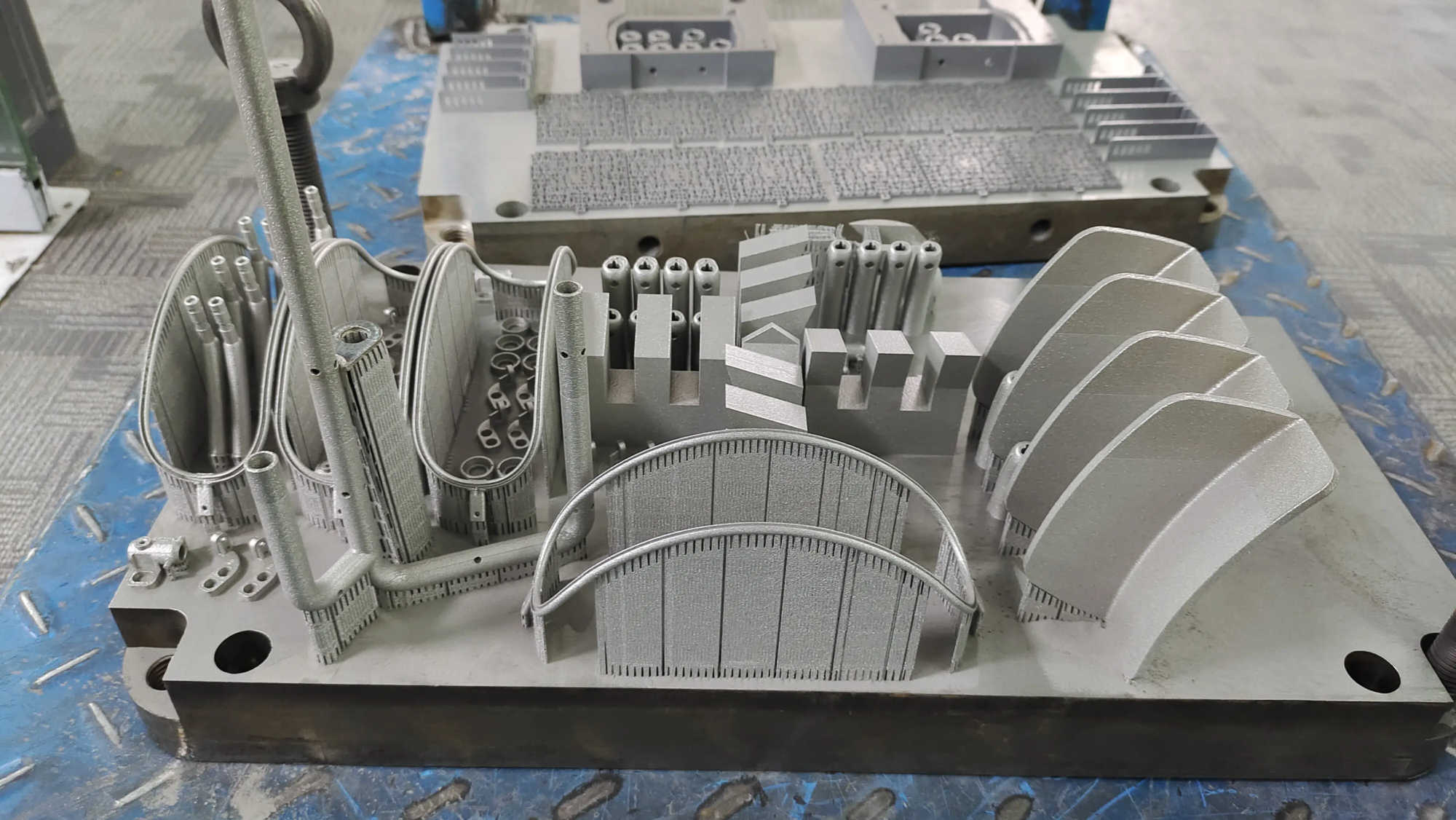
At GreatLight we invest heavily in advanced technology SLM (selective laser melting) metal 3D printing technology Engineered to extend build scope. Why is the combination of size and metal so important?
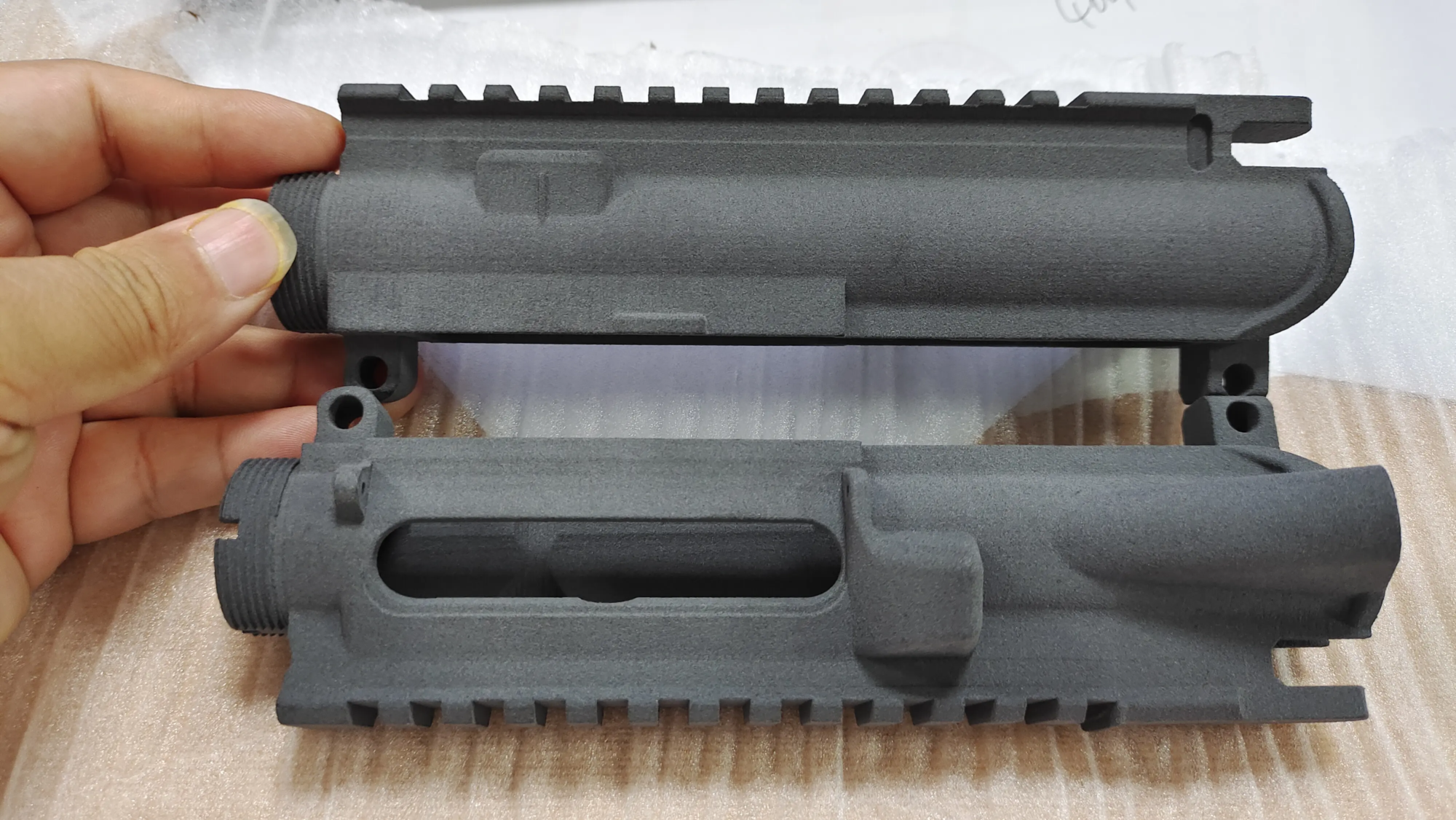
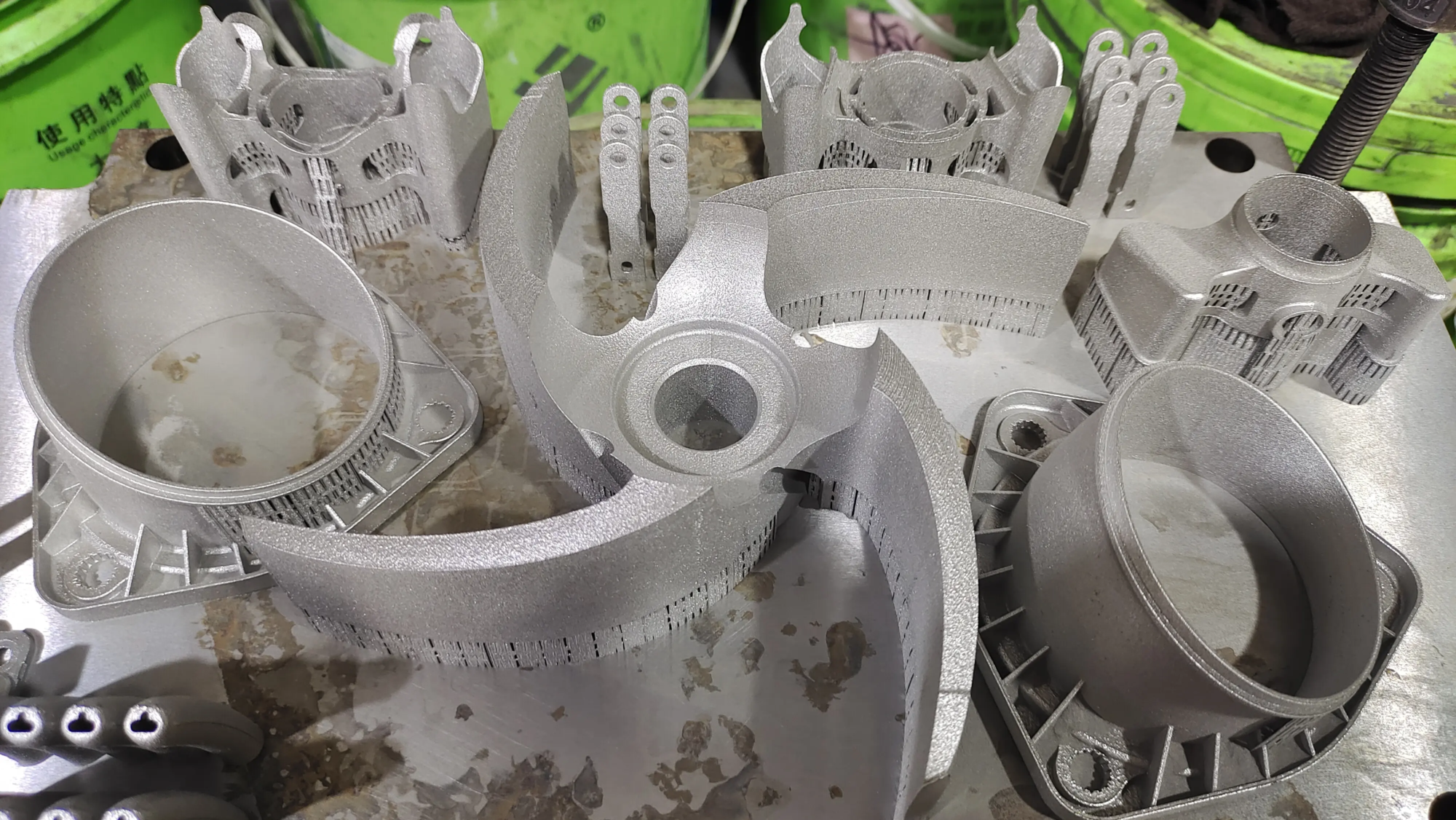
- Unparalleled production of large metal parts: We specialize in manufacturing large, complex, functional metal prototypes and end-use parts using high-performance materials such as stainless steel, titanium, aluminum alloys, Inconel and specialty tool steels, which are beyond the capabilities of many traditional shops.
- One-stop solution: Significant scale introduction Post-processing challenges. We don’t just print; we offer comprehensive finishing – precision CNC machining of key features, meticulous support removal, extensive heat treatment for stress relief and optimal performance, surface preparation (sandblasting, polishing) and meticulous inspection (CMM, dimensional inspection). Handling the entire workflow in-house ensures quality, consistency, seamless communication, and dramatically reduced lead times – critical for large or time-sensitive projects.
- Material proficiency and customization: Our experience covers a wide range of powdered metals. We understand the nuances of grain structure and print parameter optimization for different alloys and large batches, ensuring material performance meets exacting specifications.
- Prototyping and Production Bridge: The capabilities of longer 3D printers blur the lines. Start with a functional large prototype and transition seamlessly to low-volume production runs without expensive tool changes.
- Fast and precise execution: We combine advanced technology with deep technical expertise to deliver structurally sound, dimensionally accurate large parts faster than traditional manufacturing.
Conclusion: Embracing scale for transformative results
Longer 3D printers represent a major leap forward, pushing additive manufacturing directly into large-scale industrial applications. The ability to directly and efficiently create integrated geometries, full-scale functional prototypes, end-use parts and complex tooling is transforming design freedom and production agility.
This evolution requires not just larger machines, but deep expertise in materials science, precise process control, robust thermal management and comprehensive post-processing capabilities to transform the printer’s potential into reliable, high-quality parts. It’s not just about size; It is about unlocking possibilities that were previously considered impractical or economically unfeasible.
GreatLight Rapid Prototyping is at the forefront of this transformation. Our advanced SLM equipment is designed to scale, combined with our extensive metallurgical knowledge and integrated one-stop post-processing services (CNC machining, heat treatment, finishing) to provide a powerful solution for organizations requiring large, complex and precision metal parts – whether for rapid prototyping or end-use production. We turn scale challenges into your competitive advantage.
**FAQ about Longer 3D