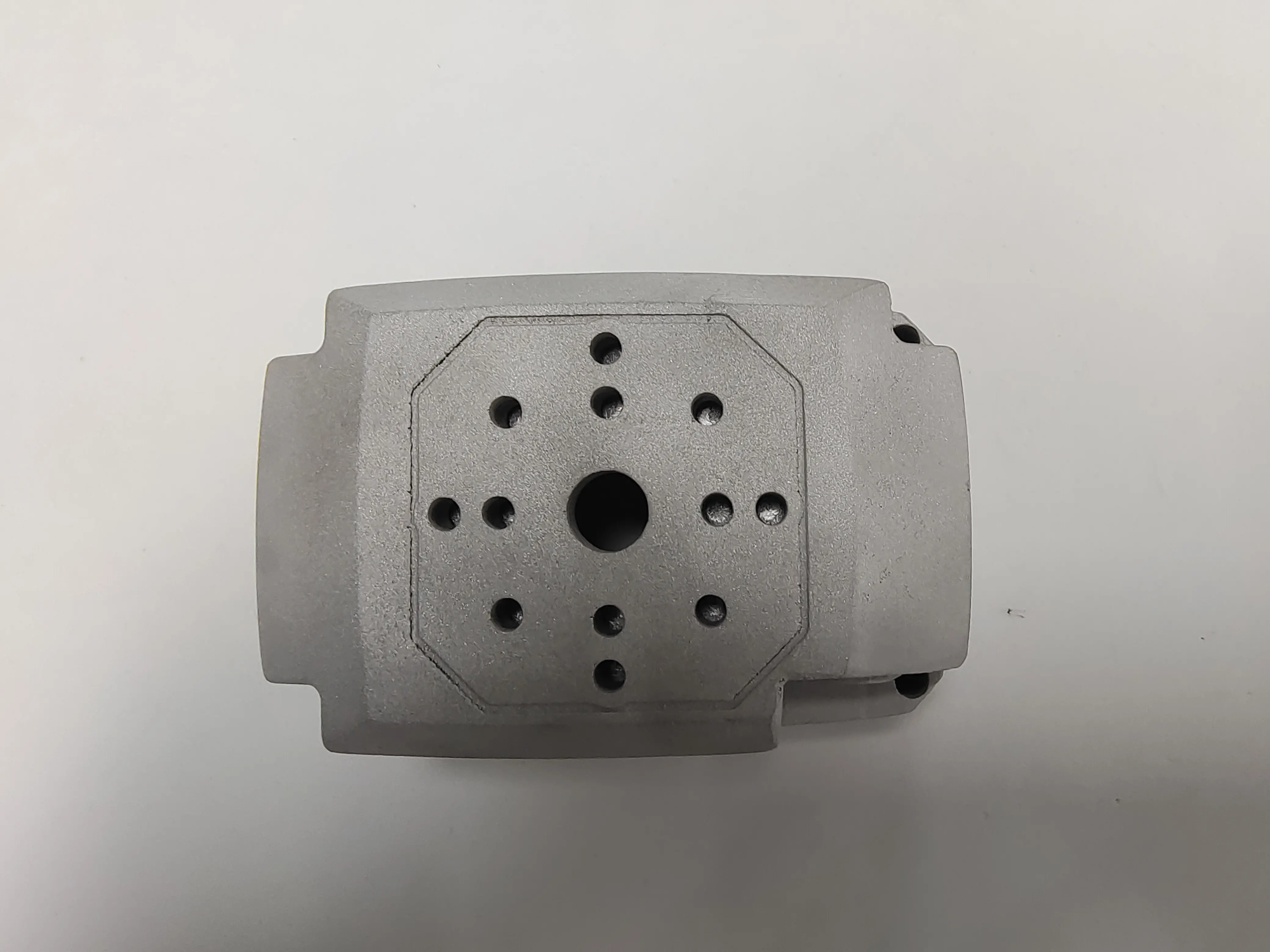
Unleash the potential of magnetism: seamlessly integrate magnets into your 3D prints
The versatile geometry of 3D printing combined with the power of magnets opens up a new dimension of functional design. Embedding magnets in prints enables easy assembly, modularity, dynamic movement, secure closure and innovative sensing applications. Whether you’re a hobbyist creating interactive prototypes or an engineer developing functional end-use components, mastering magnet embedding is a game-changer. Let’s dive into the techniques, considerations, and expert insights for achieving robust, reliable results.
Why embed magnets?
- Easy assembly: Eliminate screws, snaps or adhesives by snapping components together or magnetically securing caps/covers.
- Modularity: Design systems with interchangeable parts that connect instantly (phone holders, tool holders, play sets, configurable cases).
- Dynamic features: Use magnetic fields to create hinges, latches, moving parts (e.g. indicator pins, levers) or tools.
4 citizens Enhanced shutdown: Secure boxes, cabinets or wearables with hidden magnetic hooks. - Sensor integration: (Advanced) Leverage Hall Effect sensors paired with magnets for position detection or triggering operations.
- aesthetics: Achieve a clean design without visible fasteners.
Common embedding technologies:
-
Design cavity (pocket):
- method: Design the pocket directly into your CAD model where the magnet will be.
- advantage: Simple, versatile and maximizes design flexibility.
- implement: Use a CAD tool (Boolean subtraction) to create a groove slightly larger than the magnet (~0.2-0.5 mm diameter/width gap per side, ~0.1-0.3 mm deep) to accommodate the adhesive/tolerances.
- print: Print as part of the main object.
- insert: complete back print. Careful gluing is required.
- Best for: The most common cases, especially PLA, PETG, ABS, nylon.
-
Height pause (embedded during printing):
- method: Program the slicer to pause printing at a specific layer height of the printed magnet pocket ceiling.
- advantage: Encapsulated magnets provide superior retention without relying solely on glue. Hide magnets in prints.
- implement: Hold the magnet in the pocket while paused, making sure the polarity is aligned. Completely cover the magnet with the resume’s wine print layer.
- challenge: Precise timing is required, there is a risk of delamination defects at the pause point, and the magnets must withstand bed/ambient temperatures (to prevent demagnetization). Risks transferred during recovery.
- Best for: Disc magnets (N52, etc.), requiring flush surface/inner magnet designs. Use filament that bonds well from layer to layer.
-
Insert + rivet/pin after printing:
- method: After printing, drill holes (or design holes a little smaller) and press or glue the magnets in. Add reinforcing resin/epoxy shots or printed nails/plugs to lock onto the magnets.
- advantage: Very useful when pocket design is forgotten or impractical.
- challenge: Hand labor, requires precision drilling, may crack, and is weaker than the pockets for which they are designed.
- Best for: Rescue prints, unforeseen magnet needs.
- Overmolding/Multi-material printing:
- method: Embed the magnet into the soft TPU/flexible printed structure that encapsulates it, or print a secondary cover/lid over the magnet placed over the main print.
- advantage: Excellent retention, shock absorption, custom shape packaging.
- challenge: Multiple materials or multiple process capabilities are required, adding to the complexity.
- Best for: Wearable devices, tools that require vibration damping, complex geometries.
Key considerations for success:
- Magnet options: