Unlocking Precision: How to Make Functional 3D Printed Calipers and More
Have you ever reached for calipers only to find they were missing, damaged, or simply not there? quite Suitable for unique measurement tasks? Enter the world of 3D printed calipers. This innovative approach enables makers, engineers, and hobbyists to create fully functional measurement tools based on their specific needs. While commercial digital calipers are affordable, DIY printing offers unparalleled customization, rapid prototyping of specialized jaws, and an excellent entry point into functional 3D printing. Let’s dive in!
Why 3D print your own calipers?
- custom made: Design jaws with unique contours (internal grooves, special curves, odd-shaped parts).
- Cost-effective prototyping: Test measurement concepts before investing in expensive metal tools.
- Quick replacement: Print replacements for missing or damaged plastic parts of existing calipers.
- Educational value: Learn about caliper mechanics first-hand – a great STEM project.
- Auxiliary functions: Provides unique measurement solutions where standard tools fail.
Precision Design: Key Considerations
Creating accurate calipers requires careful design:
-
Material selection is crucial:
- PLA/PETG standards: Ideal for non-critical measurements, educational models or prototypes. Expect wear and potential bending.
- Engineering plastics (nylon, ABS, PC): Provides better stiffness, toughness and dimensional stability. Essential for a functional jaw.
- Resin (SLA/DLP): Print ultra-fine details and smooth surfaces, significantly increasing the accuracy potential of jaws and scales. Great for complex teeth.
- Metal (via SLS/SLM): The gold standard in durability and rigidity, eliminating bending and wear issues common in plastics. Critical for high-precision industrial-grade applications (discussed later).
-
Tolerances and Clearances: Designing moving parts requires precision:
- Sliding fit: A gap of 0.1-0.25mm is typical for smooth sliding between the main beam and the sliding jaw frame. Test printing is essential!
- Gears and Racks: The core of the mechanism. The pitch and tooth profile must be mathematically precise. Scaling is easy with parametric CAD models.
- Spring mechanism: Small compression spring provides consistent clamping force. The cavity is precisely designed to hold it securely.
- Scale accuracy: This is the toughest challenge.
- Comprehensive scale: Print the scale directly onto the beam. need extremely High-resolution printing (like resin or finely tuned FDM) and meticulous calibration. Accumulated errors are prone to occur.
- Individual scale: Design the groove to accept a purchased metal vernier scale (more practical). Or, design for easy attachment of digital calipers.
Building your digital caliper: a step-by-step guide
-
Get the design: Get open source designs. There are many highly regarded models available on platforms such as Printables, Thingiverse and GrabCAD. Look for designs with documented accuracy and clear assembly instructions ([Avoid mentioning specific model names/no active links]). View user feedback on printing success and accuracy.
-
Optimize slicing settings: This is crucial for features:
- Floor height: Dimensional accuracy is as low as possible (<0.15mm), especially on sliding surfaces and gear teeth.
- filling: High infill (>70%) or spiral/polygon mesh patterns maximize rigidity to prevent deformation under pressure.
- perimeter: Increase the number of walls (4+) to strengthen the jaws and beams against bending.
- tolerance: use "horizontal expansion" or equivalent settings to fine-tune the gap (±0.05mm adjustment). Reduce print speed in critical areas.
- direction: Print jaws and beams vertically for maximum strength along the measuring axis. Overhangs may require support structures.
-
print: Use a well-calibrated printer! Ensure bed adhesion and monitor the first layer closely. Also print accessories such as thumbscrews and fastening nuts.
- Post-processing: This improves functionality:
- Support removal: Carefully remove the supports, especially from the rack/pinion teeth and sliding surfaces.
- Polishing: Lightly sand the sliding contact points (beams, interior channels) with high-grit sandpaper to ensure smooth operation. If necessary, use sanding pliers to smooth the surface.
- lubricating: Apply for one tiny Spray a quantity of dry PTFE lubricant or silicone onto the slide rails and gear teeth.
- assembly: Follow the design instructions strictly. Install the spring securely and make sure the clamping nut/screw is secure without binding.
Strengths and Limitations: Setting Expectations
- advantage: Customization, cost of niche applications (versus high-end specialized tools), rapid iteration, ability to fix.
- limit: accuracy: The best DIY printed plastic calipers typically achieve an accuracy of around ±0.1mm – far less than budget ($20) digital calipers (±0.02mm). Flexible plastic jaws flex under pressure meaning repeatability suffers, especially on larger calipers. Wear: Over time, plastic surfaces wear away against each other, reducing accuracy. Scale Calibration: Reliable calibration of integrated printed vernier scales can be challenging.
When plastic isn’t enough: the power of metal
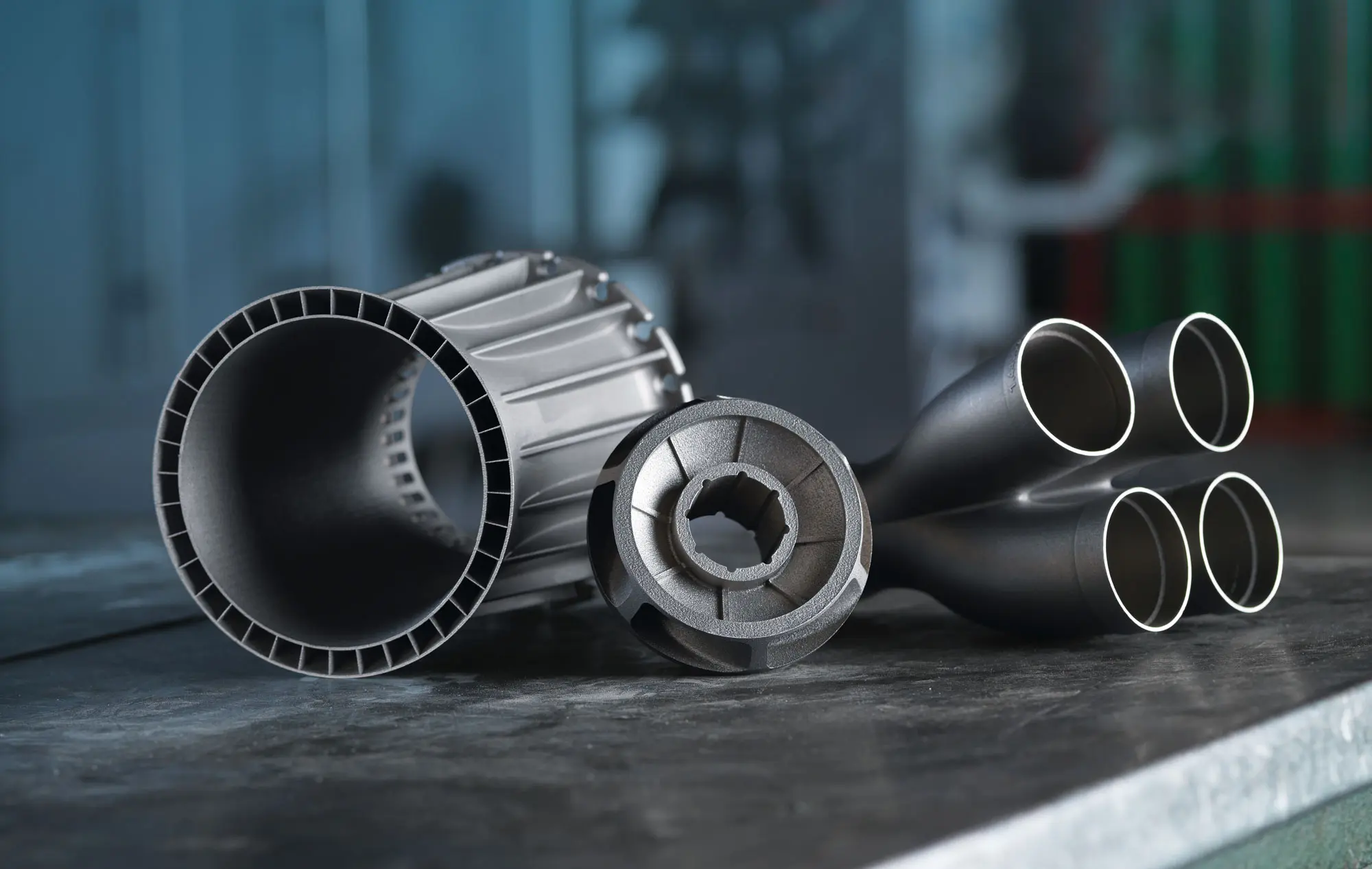
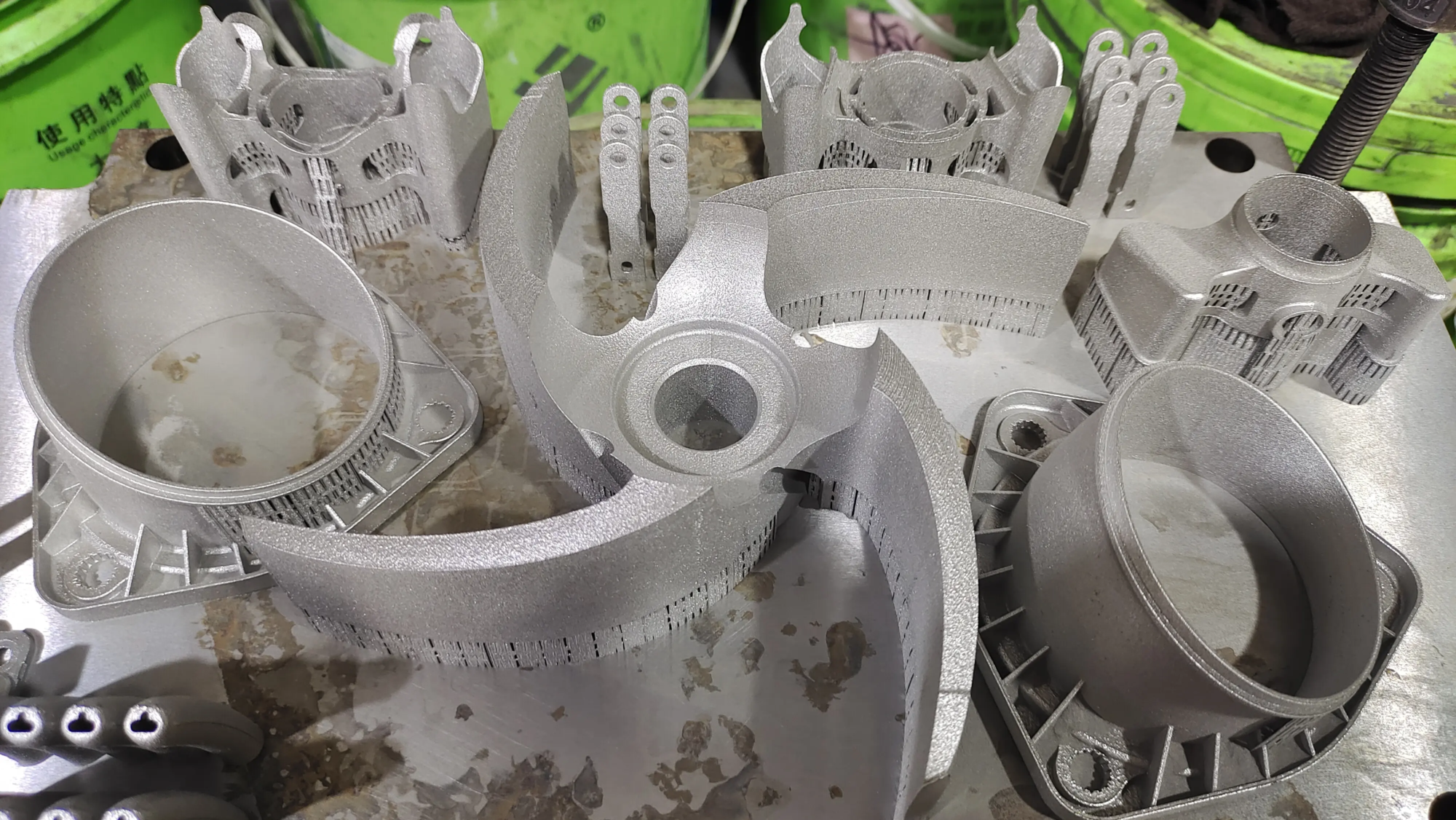
For true precision, rigidity, durability and long-term reliability, Metal 3D printing Transformation proposition:
- Eliminate elasticity: Metal jaws maintain their shape under pressure.
- Minimize wear and tear: Metal-to-metal sliding parts (with lubrication) last much longer than plastic parts.
- Achieve high precision: The metal process accommodates the finer tolerances and smoother surfaces inherent in the printing process, making it suitable for high-precision manufacturing.
- Industrial strength: Ideal for creating specialized gauges, fixtures, and inspection tools that require metrology-grade performance.
in conclusion
3D printing offers an exciting avenue to create custom calipers, unlocking functionality not possible with off-the-shelf tools. While the all-plastic DIY version is ideal for hundreds of applications requiring moderate accuracy (±0.1 mm or better), educators, hobbyists, and rapid prototyping can appreciate its unique advantages. Just remember their inherent limitations in deflection, wear, and high-end accuracy compared to commercial metal tools.
For projects that require micron-level accuracy (±0.01 mm or better), extreme durability under continuous use, or resistance to harsh shop environments, Metal 3D printing is an indispensable solution. where is this glow rapid prototyping Superior performance with state-of-the-art SLM printers and advanced process expertise to manufacture strong, precision metal caliper assemblies or complete specialty tools.
Improve your measurement capabilities. Whether you are iterating on plastic prototypes via desktop FDM or need aerospace-grade stainless steel or aluminum gage jaws calibrated to the exacting standards of low-volume production, Provided by GreatLight. Explore the potential of functional metrology tools for rapid prototyping – Get your custom quote today! Gretel: Your precision manufacturing partner.
FAQ: 3D Printed Calipers
- How accurate are 3D printed calipers? For a well-designed PLA/PETG/resin model on a carefully tuned printer, actual accuracy can be expected to be approximately ±0.1 to ±0.2 mm under controlled conditions. Embedded metal scales improve this. Metal printed calipers can be close to ±0.05mm or better.
- What is the best wire for making calipers? Engineered filaments such as nylon, ABS or polycarbonate provide superior stiffness and strength. Resin (SLA/DLA) provides the sharpest detail for teeth and scales. PLA is common but prone to creep under sustained loads.
- Can I print digital calipers? Printing complex electronics (LCDs, encoders) is out of the question. you able Print the entire mechanical body and jaws and possibly attach an electronics module salvaged from an old caliper (design the housing accordingly), or create a mount for a commercially available digital scale.
- Why do my print caliper jaws feel loose/sloppy? This is because the printing gap needs to be adjusted. Remeasure tolerances in CAD models and reprint parts using adjusted horizontal offset/extension settings. Worn plastic sliding surfaces can also cause tilting over time.
- Are 3D printed calipers safe? For basic measurement and prototyping/hobby tasks under moderate power, yes. Do not rely on plastic printed calipers for critical safety-related measurements, force clamping, or in environments where catastrophic failure could cause injury. Metal calipers are necessary for critical industrial tasks.
- When should I consider using metal 3D printed calipers? Metals are selected for demanding tasks requiring high accuracy (±0.05 mm or better), extreme stiffness/strength, resistance to wear/reuse of chemicals/heat, longevity in production environments, or specialty materials (titanium, maraging steel, copper alloys).
- Can Hongguang print metal calipers? Absolutely! huge light Specializing in the production of complex, high-precision metal parts using Selective Laser Melting (SLM) technology. We can fabricate complex caliper assemblies (jaws, beams, mechanisms) or complete custom caliper/gauge designs using materials such as Stainless Steel 316L, Aluminum, Cobalt Chrome, Titanium and more