The Art and Science Behind Maple 3D Printing: Using Technology to Create Nature
Maple filament turns 3D printing into an artistic hybrid of craftsmanship and digital fabrication. Unlike traditional materials, this filament bridges the gap between organic aesthetics and functional prototypes. Its core is, Maple 3D printing isn’t about carving wood, it’s about designing composites Mimic the tactile and visual qualities of wood while leveraging the precision of additive manufacturing.
How Maple Filament Works: Materials Science Simplified
Maple filament is a complex mixture of:
- Polymer base (PLA/PHA): PLA/PHA is usually biodegradable and ecologically compatible.
- Maple pellets: Finely ground sustainable wood by-product fibers (20-40% by volume).
- Binders and additives: For printability and moisture resistance.
The interaction between polymer and wood particles creates a material with unique advantages:
- Authentic finish: The result of sanding or staining mimics the grain of real maple wood.
- Lightweight yet strong: Retain the ease of use of PLA while adding an organic texture.
- Machinability: Post-process like solid wood by sanding, drilling or staining.
Printing process: precise and practical
1. Printer setup and hardware requirements:
- Nozzle type: Hardened steel nozzle (0.4–0.6mm) withstands wood fibers.
- Bed adhesion: Heated bed (50–65°C) with painter’s tape or glue sticks for gripping.
- shell: Optional but recommended to reduce warping/cooling inconsistencies.
2. Optimize slicer parameters:
- temperature: 190–220°C Melts polymer without burning wood particles.
- Print speed: 30–60 mm/sec to prevent clogging and ensure uniform extrusion.
- withdraw: Aggressive settings minimize stringiness from sticky wood-PLA mixtures.
3. Build layer by layer:
As the layers are extruded, the wood particles become unevenly embedded in the plastic matrix. This randomness mimics organic wood grain and is especially noticeable on angled surfaces. Key considerations:
- Moisture control: Before printing, filaments must be kept sealed or dried; wood fibers absorb moisture.
- Z jump and cooldown: Avoid nozzle drag; reducing part cooling enhances layer fusion.
4. Post-processing secrets:
Improve printing effect "plastic-like" arrive "handmade wood":
- Polishing: Start coarse-grained (120 grit) and end up fine-grained (220+ grit) to expose the wood particles.
- dyeing: Water-based stains enhance particle visibility; oil finishes deepen color.
- seal: Beeswax or polyurethane adds durability and a woody feel.
Why maple stands out in applications
Designers used maple filament to:
- Building model: Scale replica with realistic wood finish.
- Decorative items: Customizable frames, sculptures and furniture accents.
- consumer goods: Ergonomic handles, wearable art and eco-friendly packaging.
Note on limitations: While maple PLA looks great, it lacks the structural integrity or temperature resistance of engineering-grade polymers or metals.
Conclusion: The combination of craftsmanship and cutting-edge technology
Maple 3D printing democratizes woodworking, enabling complex designs not possible with hand carving with minimal waste. Its charm lies in the fusion of organic aesthetics and digital repeatability, but the limitations of the material require strategic use. It’s a game changer for non-structural prototyping; when a project requires End-use durability or extreme precision (e.g. aerospace, automotive), collaboration with industry experts becomes critical.
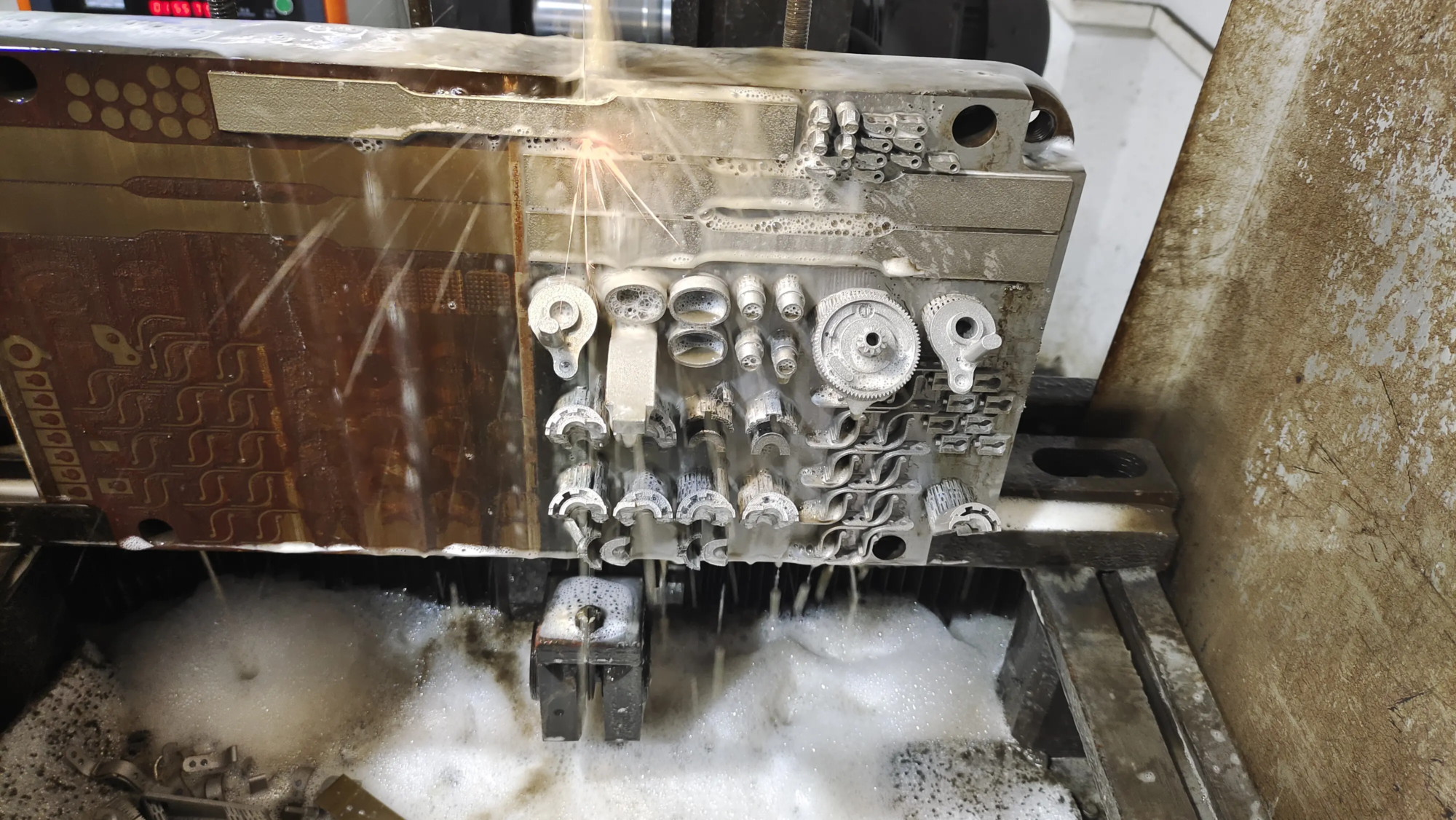
This is the advantage of GreatLight. although Maple wood printing thrives on aestheticsindustries needed Ultra-precision, high-strength metal parts Advanced solutions are required, such as our SLM (Selective Laser Melting) 3D printing. GreatLight combines state-of-the-art metal additive manufacturing with comprehensive post-processing, from CNC finishing to EDM, to deliver structurally robust prototypes and production parts. We help innovators connect decorative visions with functional realities.
Explore unlimited materials from stainless steel to titanium, paired with unparalleled prototyping expertise. [Visit GreatLight to get precision Rapid Prototyping solutions at competitive prices, tailored to your most ambitious projects.]
FAQ: Maple 3D Printing Revealed
Q1: Will maple filament clog the printer?
A: Wood pellets are abrasive. Use hardened nozzles, print temperatures <220°C, and regular maintenance to reduce clogging. Humidity control is non-negotiable - dry filament pre-printing.
Q2: Can I stain 3D printed maple wood like real wood?
Answer: Yes! Light sanding will open the pores in the material; water-based stains penetrate best. Avoid using heavy dyes—they will mask the wood fibers.
Q3: Is the food safe?
Answer: Polymer-based (PLA) is food grade, but the layer lines can easily breed bacteria. Post-processing by sealing makes it safer, but we recommend no cooking exposure.
Q4: How strong is maple wood silk?
A: Comparable to standard PLA – very strong for decorative/low load parts (approximately 50 MPa tensile strength). Avoid high-stress applications; use carbon fiber or metal composites instead.
Q5: Why does my print have a burnt smell?
A: Excessive heat will scorch the wood particles. Print below 220°C to ensure cooling consistency and clean nozzle residue.
Q6: Can GreatLight print maple wood parts?
A: While we specialize in industrial metal prototyping, our network includes polymer partners ideal for hybrid projects requiring decorative wood and engineering-grade metal parts.
Elevate your next prototype with materials that combine form and function. Beyond wood, beyond limits – engineering excellence.