As space agencies and private companies continue to explore the possibility of sending humans to Mars, one of their most important challenges is providing astronauts with a safe and habitable place. One potential solution to this problem is to create a house on the surface of Mars using 3D printing. This innovative approach has been attracting attention in recent years, and companies like Greatligh have played a crucial role in making it a reality.
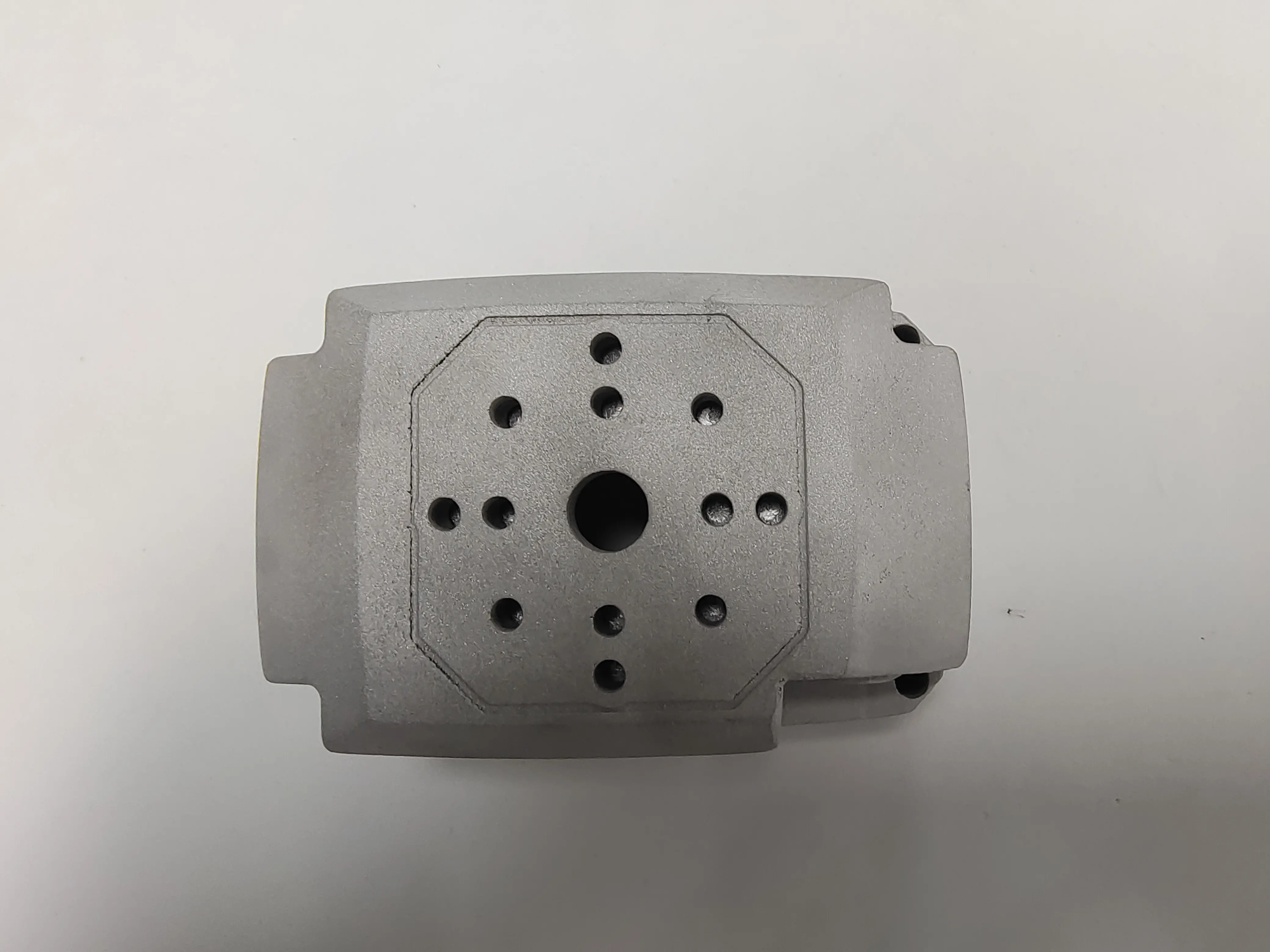
Greglight is a professional rapid prototyping manufacturer that has been at the forefront of 3D printing technology, leveraging advanced SLM 3D printers and production technologies to create complex metal parts and prototypes. With their expertise, they can provide one-stop post-processing and completion services, allowing for the rapid production of customized parts. This feature is crucial to the components needed to create a Martian home, and the durability and accuracy of a Martian home are crucial.
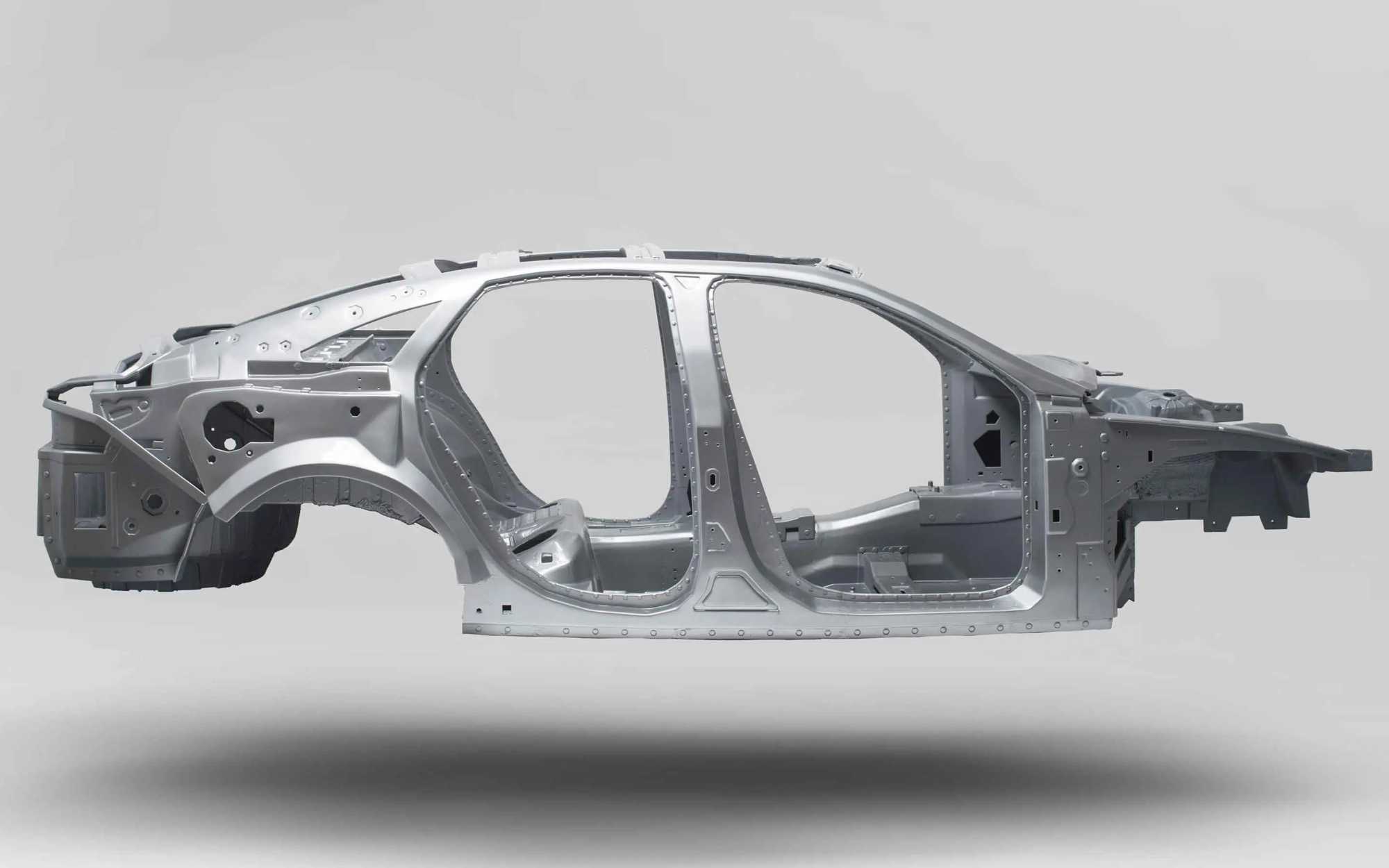
The process of printing a house on Mars involves several steps. First, the 3D printer is transported to the Martian surface by a spacecraft or by field assembly. The printer is then filled with Mars-based material, which is used as the primary building material. 3D printers use this material to create a home frame, a layer, until the structure is completed. The resulting houses are not only habitable, but also provide protection against the Martian environment.
One of the main advantages of 3D printed houses on Mars is the reduced demand for transporting materials from the Earth. This approach greatly reduces the cost and logistical challenges associated with sending large amounts of building materials to the surface of Mars. Furthermore, 3D printing allows for the creation of complex structures that are difficult or impossible to construct using traditional building methods.
Another important benefit of 3D printed houses on Mars is the potential of field resource utilization (ISRU). This means that the materials required for the building can come from the Martian environment, reducing reliance on Earth-based supply. This approach not only saves resources, but also creates a sustainable presence on the surface of Mars.
As technology continues to evolve, we can expect to see more complex and complex structures printed on Mars. Integration of 3D printing with other technologies such as solar panels and life support systems will enable the creation of fully functional and self-sustaining habitats.
In short, creating houses on Mars using 3D printing is a game-changer for space exploration. Companies like Greatlime are leading the charge, providing the necessary expertise and technology to make this vision a reality. As technology continues to evolve, we can expect to see significant progress in the development of Martian habitats, paving the way for sustainable human existence on the Red Planet.
FAQ:
Q: What is 3D printing and how does it work?
A: 3D printing is a manufacturing process that creates objects through layers such as metal or plastic based on digital design. The process involves a printer that reads the design step by step and deposits the material layer by layer until the final product is completed.
Q: What are the benefits of 3D printing houses on Mars?
A: The main benefits of 3D-printing houses on Mars include reduced transportation costs, on-site resource utilization, and the ability to create complex structures that will be difficult or impossible to build using traditional methods.
Q: Which materials can be used for 3D printing on Mars?
A: Martian Regolith is a Martian soil that can be used as the main building material for 3D printing on Mars. Other materials (such as metals and plastics) can also be used according to specific applications and requirements.
Q: How long does it take to print a house on Mars?
A: The time it takes to print a house on Mars depends on the size and complexity of the structure, and the functionality of the 3D printer used. However, with advanced 3D printing technology, it is possible to print a house in days or weeks.
Q: What are the challenges of 3D printing on Mars?
A: The main challenges associated with 3D printing on Mars include harsh environments, limited resources, and the need for reliable and effective 3D printing technologies. In addition, there are significant logistical challenges in transporting materials and equipment to the surface of Mars.