The unsung heroes of 3D printing: How masking tape sparked a quiet revolution
In the dizzying world of 3D printing innovation—with multi-material systems, lightning speeds, and exotic alloys making headlines—one humble household item plays an unexpected and critical role: masking tape. Often overlooked beyond the complexity of printers and slicing software, masking tape has become an indispensable tool that democratizes the reliability of desktop 3D printing and triggers a deeper understanding of material interactions. This is the story of the masking tape revolution, proving how simple solutions can have a profound impact.
Beyond Post-it Notes: Understand the critical role of masking tape
At its core, the challenge that masking tape solves is fundamental: bed adhesion. Early desktop FDM/FFF printers faced problems with prints deforming, detaching during the process, or leaving residue. Enter the masking tape that is applied to the printer build plate. Its rough, porous surface provides the perfect texture for molten plastic, especially PLA, to grip onto during the printing process. Crucially, after cooling, the bond weakens sufficiently that it can be easily removed without damaging the base of the print or the bed itself.
Why is it revolutionary?
- Accessibility and Affordability: Unlike the specialized coatings or expensive heated beds found on earlier machines, masking tape is widely available and very cheap. It transformed an inconsistent hobbyist printer into a pretty reliable tool overnight.
- Easy to use: Application is simple: place the strips evenly on the build plate. It takes a few seconds to replace once it wears out. This convenience significantly lowers the barrier to entry.
- Versatility: Users quickly discovered that blue painter’s tape provided better results (the FrogTape brand, for example, became a community favorite). It works reliably for PLA printing, and can be adapted for PETG and some ABS printing as well.
- Iterative acceleration: By minimizing print failures due to adhesion issues, tinkerers and makers can iterate on designs faster without constant frustration, fueling the rapid growth of the maker movement.
- Basics of Advanced Surfaces: The success of the tape directly influenced the development of modern building surfaces such as PEI boards, textured boards and specialty coatings. These technologies continue to evolve, offering similar benefits with greater durability and temperature resistance, but tape paved the way.
Wider implications: beyond the PLA
While masking tape gained its fame due to filament printing, its principles have had a profound impact throughout additive manufacturing (AM):
- Material interactions: The success of the tape highlights the critical importance of substrate properties (surface energy, texture, thermal conductivity) for additive manufacturing processes and even informs research in the field of advanced metal printing.
- Process reliability: Consistent bed adhesion directly translates into print success rate and part accuracy—these principles are equally important in industrial SLM/SLS processes, where substrate preparation (powder coating, bed leveling) ensures part integrity.
- Problem solving paradigm: Masking tape embodies the maker spirit: identifying bottlenecks, finding workable solutions, and iterating. This spirit continues to drive innovation across the additive manufacturing spectrum.
Evolution and current situation
Due to its simplicity and effectiveness, masking tape remains a highly relevant tool for many desktop users. However, it also has limitations:
- temperature: Foam adhesives degrade at sustained high temperatures (typically <60°C) and are therefore not suitable for unheated beds or high temperature materials.
- Wear and Consistency: The tape needs to be replaced frequently; uneven application will result in inconsistent adhesion.
- Disposable nature: Compared to reusable high-quality printing plates, there is waste.
Advanced alternatives now dominate:
- PEI board (flexible/fixed): Excellent adhesion (especially PLA/PETG), can be demoulded after cooling.
- Textured/BuildTak-like surfaces: Engineered coatings for specific filament adhesion/release.
- Glass plate (+adhesive): Provides a super smooth base, sometimes with the help of a glue stick/hairspray.
- Industrial solutions: Precision ground metal printing plates with specialized coatings for metal additive manufacturing (SLM, DMLS) where surface integrity is critical.
GreatLight: Scaling innovation beyond tape
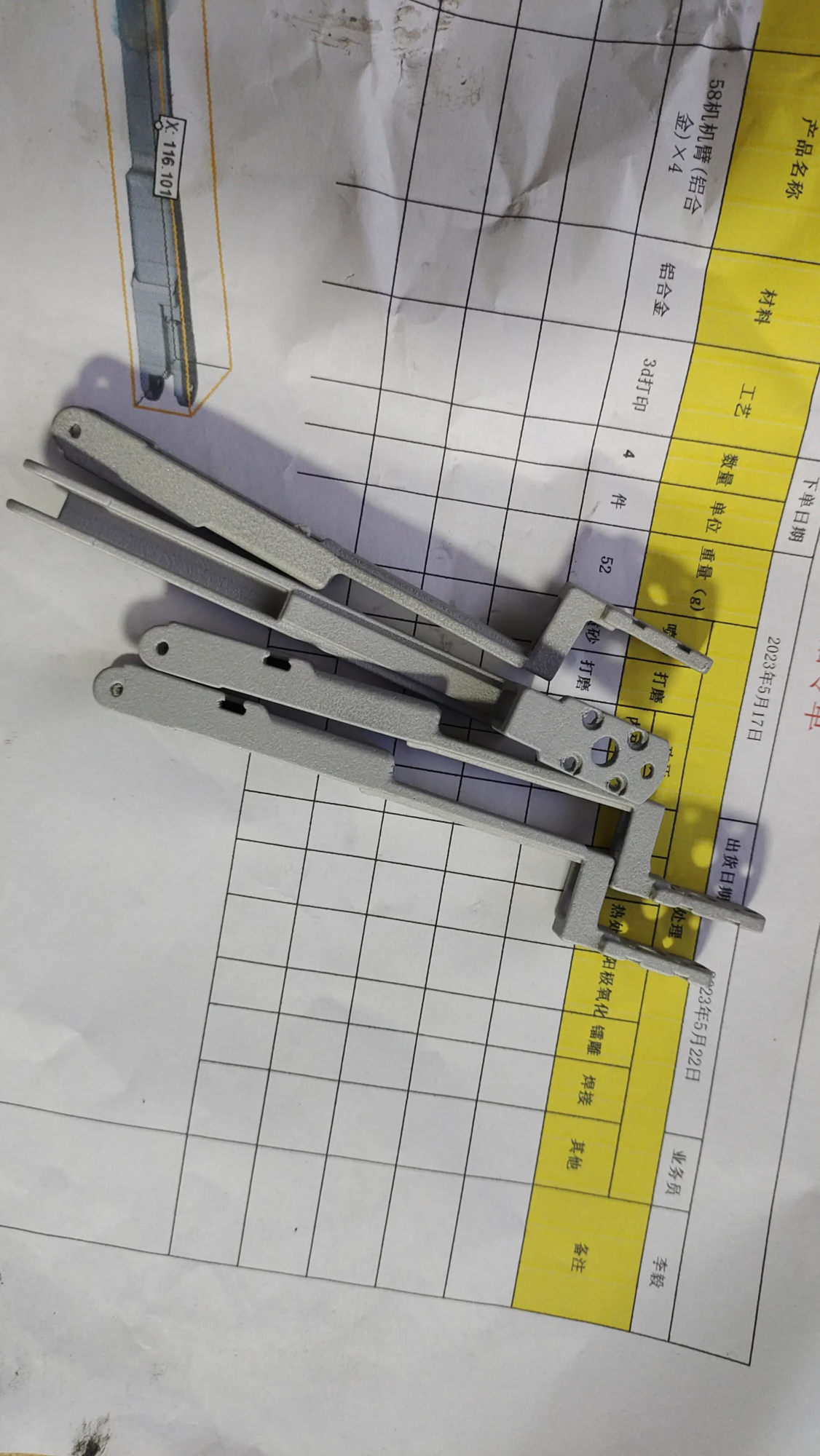
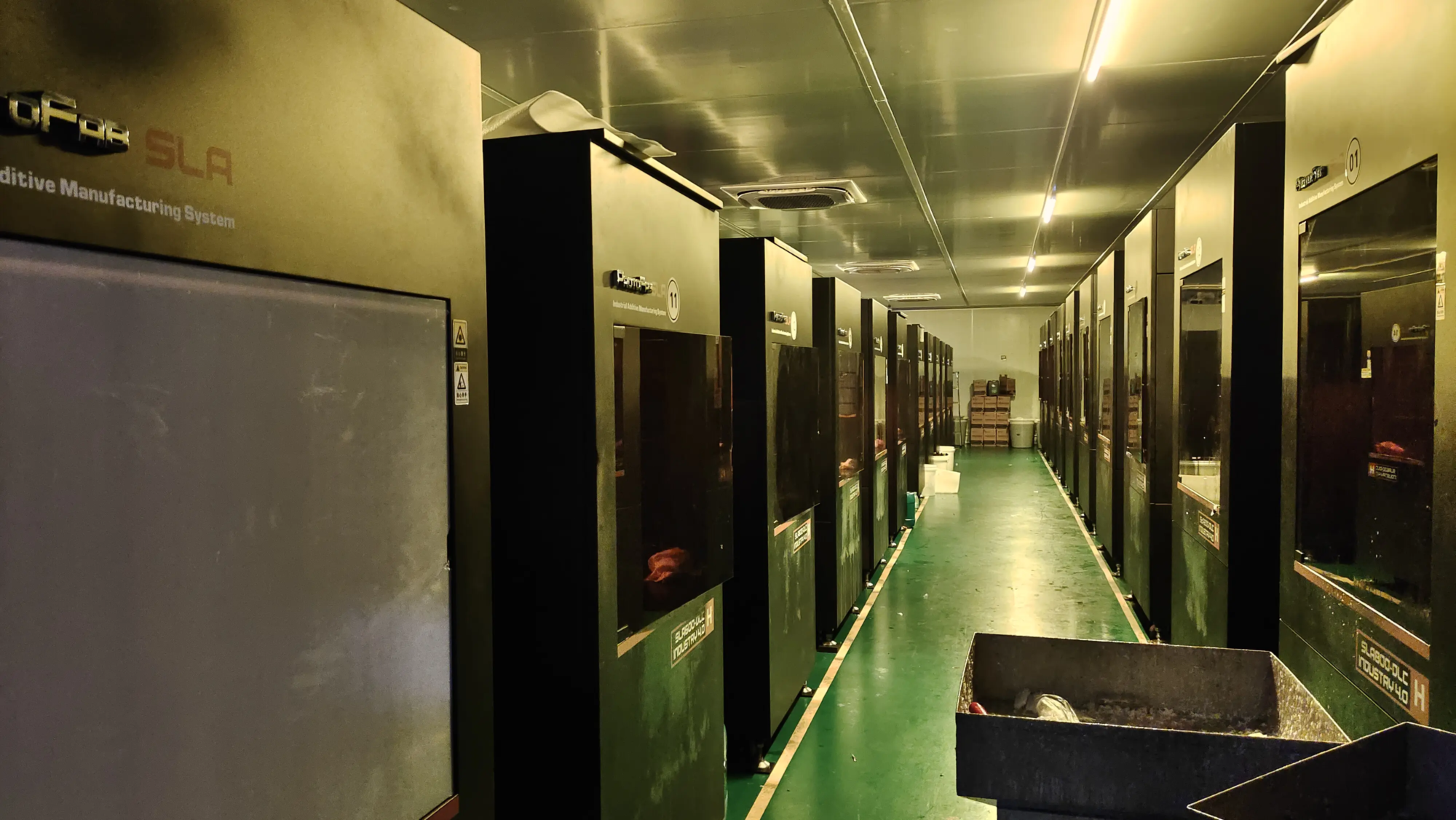
While masking tape solves the bonding problem for hobbyists, professional-grade metal rapid prototyping requires unparalleled precision, materials expertise and integrated solutions. huge light embodies the next level of this evolution. As a professional rapid prototyping leader from China, we utilize advanced technology Selective Laser Melting (SLM) 3D Printer Incorporate advanced production technologies to address complex metal part prototyping challenges.
How GreatLight improves your prototyping:
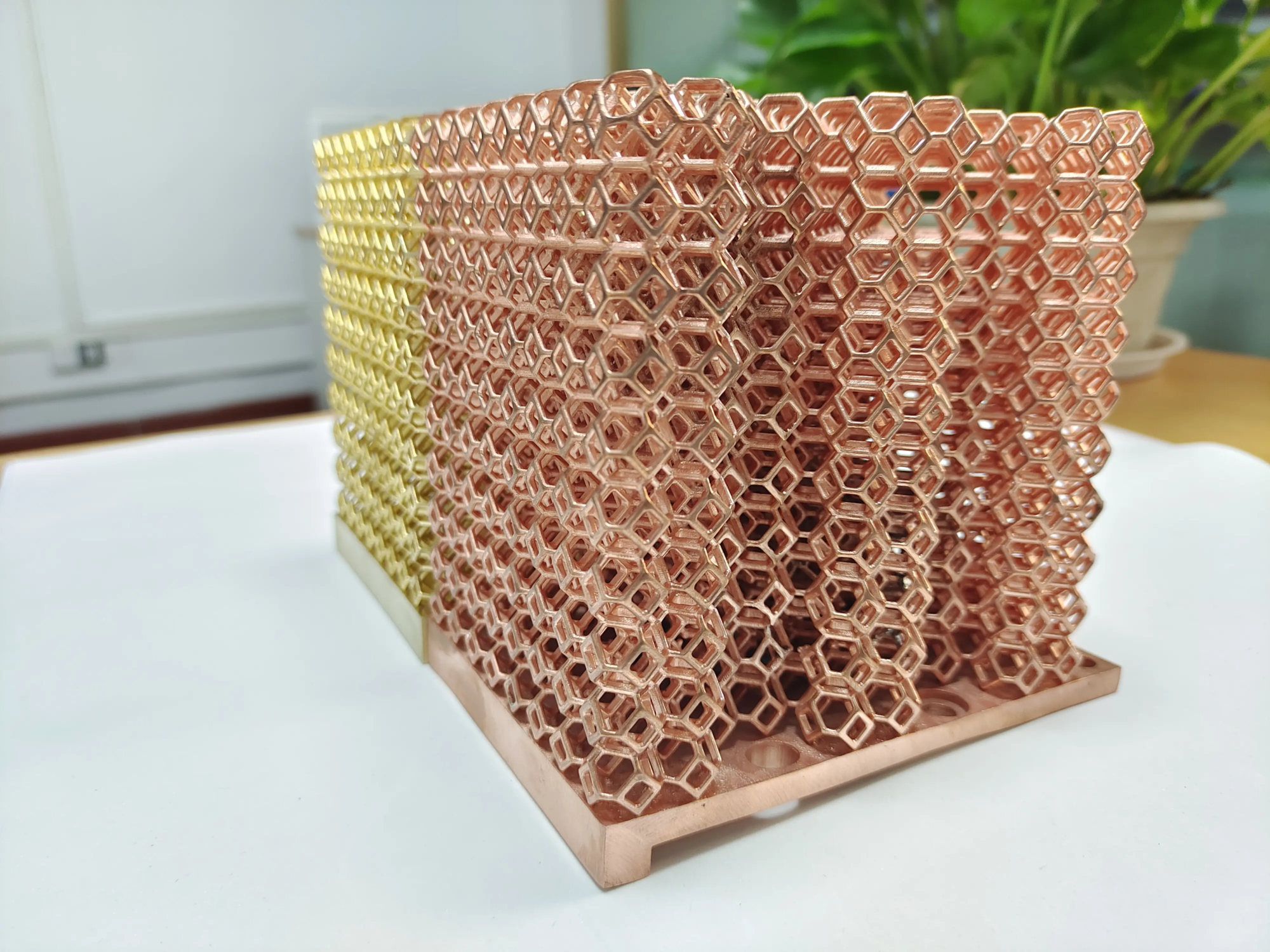
- Cutting-edge SLM technology: Precision laser melting of fine metal powders (stainless steel, titanium, aluminum alloys, Inconel, etc.) builds strong, dense, complex geometries layer by layer.
- Material mastery: Go beyond standard products. We focus on Custom materials to meet unique application requirements—strength, heat resistance, biocompatibility, electrical conductivity—and to process quickly.
- End-to-end expertise: We don’t just print; we deliver One-stop post-processing and finishing services. This includes critical support removal, precision CNC machining of critical features, heat treatment (HIP, annealing), surface finishing (grinding, polishing, sandblasting, coating), and rigorous quality inspection (CMM, X-ray). This integrated approach guarantees that the final part meets functional specifications, not just dimensional accuracy.
- Problem solver: We leverage our deep process knowledge to expertly diagnose and solve the toughest metal rapid prototyping problems – warpage control, support optimization, porosity minimization.
- Commitment to value: As one of the leading prototyping companies in China, we offer Customize precision rapid prototyping parts faster and at competitive prices Does not affect quality.
Just as masking tape makes printing easy, GreatLight leverages high-tech processes to make industrial-grade metal prototyping reliable, efficient, and accessible to innovators around the world.
Conclusion: From Tape to Transformation
The masking tape revolution isn’t just about sticking plastic to a surface; It’s a catalyst. It demonstrates how understanding fundamental interactions (adhesion/release) and implementing simple, easy-to-use solutions can unlock huge potential to accelerate the adoption and innovation of desktop 3D printing. It emphasizes principles such as reliability, ease of use, and material compatibility that remain the cornerstone of all additive manufacturing, from entry-level hobbyist printers to complex industrial metal systems.
While modern building surfaces have largely replaced duct tape for demanding users, its legacy is safe. It democratizes reliability and paves the way for a deeper understanding of additive manufacturing fundamentals. For professional jobs that require sturdy metal parts, companies like this huge light Representing the evolution of this problem-solving spirit, advanced SLM technology, materials science and integrated finishing are applied to transform innovative designs into accurate functional prototypes. It’s a journey from utilizing duct tape in a garage to deploying laser beams in high-tech facilities, driven by the shared goal of bringing ideas tangibly into the world.
FAQ: Masking Tape 3D Printer Revolution and Advanced Prototyping
Question 1: Is masking tape still suitable for modern FDM printers with texture beds?
one: Absolutely! While many printers now come with PEI or coated beds, masking tape remains a popular and affordable backup and troubleshooting tool. When printing PETG (can be melted also and PEI), or for users who prefer replaceable disposable surfaces.
Question 2: Which specific type of masking tape is best for PLA printing?
one: Blue painter’s tape (often sold under brands like FrogTape) is a community favorite. It has excellent adhesion/release properties to PLA and is generally easy to find. Avoid cheap tissue tapes; they tear easily and the adhesive can liquefy.
Question 3: Are there any major disadvantages to using masking tape?
one: Limitations include sensitivity to high temperatures (which can cause melted adhesive residue to stick to the print), the need for frequent replacement due to grain wear, potential unevenness affecting the flatness of the bed, cleanup of surface residue, and waste generation compared to reusable beds.
Q4: What impact does masking tape have on professional metal additive manufacturing technology?
one: While the tape itself is not used for SLM/DMLS printing, the core lesson is: Surface preparation is crucial. Metal AM requires meticulous substrate/sheet preparation – ensuring perfect leveling, uniform powder spreading, ideal surface roughness, and controlled thermal gradients – to guarantee strong layer bonding and prevent warping/cracking. Understanding the basics of bonding learned at the desktop level can be translated into optimizing these industrial processes.
Question 5: When should I consider switching from DIY/low-cost prototyping to a professional SLM service like GreatLight?
one: Seek professional SLM services when:
- you need to Functional metal parts (Not just visual prototypes).
- your design needs High strength, durability or temperature resistance Plastic cannot provide that.
- you need to complex geometric shapes Featuring internal channels, complex lattices or fine details that can only be achieved with metal additive manufacturing.
- Your application requires Specific advanced metal alloys (Titanium, Inconel, Tool Steel).
- You need the parts to fit tightly Dimensional tolerances and surface finish For end use or demanding testing.
- you need to Certified material properties and Fully traceable.
Q6: What are the advantages of Honglaite SLM rapid prototyping technology?
A: GreatLight combines: Cutting-edge multi-laser SLM machine delivers speed and detail, depth Material customization Professional and comprehensive Internal post-processing Capability (precision machining, HIP, surface treatment), strictness Quality controlconcentrated solve problems Suitable for complex metal parts and competitive Pricing Delivering a true end-to-end solution, backed by streamlined, fast-turnaround production.