Unlock the perfect surface: Master VFA in 3D printing for precise prototypes
Anyone who has invested deeply in 3D printing, whether it’s the functional components of a prototype or creating complex designs, may encounter vertical aesthetic artifacts (VFAS). These annoying, consistent ripples or banded patterns appear on vertical surfaces can cause visual appeal, the accuracy of the eclectic dimensions, and even suggest potential structural inconsistencies. At Greatlight, we recognize that impeccable surface quality is crucial, especially when fast prototyping requires parts with precision, aesthetics and performance reliability. Understanding and mastering VFA mitigation is critical and provides important advantages with advanced technologies such as our industrial-grade selective laser melting (SLM) systems.
The mystery of decoding vertical artifacts
VFA manifests itself as conventional, usually subtle horizontal lines, perpendicular to the printing axis on a nominal flat vertical wall. Unlike the inherent layer lines of the layer by layer process, VFA appears at higher frequencies, mainly by The system vibration resonates with the mechanical frequency of the printer itself. Think of it as a tiny, unnecessary buzz that translates into visible flaws.
Why do you care about VFA?
- aesthetics: For consumer products, displaying prototypes or any part of the surface surface is critical, VFA can greatly reduce visual quality.
- Dimensional accuracy: Apparent artifacts may cause deviations from the nominal dimensions on the profile, affecting fit and function.
- Mechanical integrity (potential): While not always the main point of failure, severe VFA can indicate stress concentrations or potential weaknesses, especially under fatigue loads. This will become critical for critical metal prototypes tested under stress.
- Post-processing burden: Removing VFA by grinding or machining requires additional time and cost, which is an important factor in effective rapid prototyping.
Root cause: Where does VFAS spread?
Understanding the culprit is half the battle:
- Stepping motion characteristics: Core driver. The micro-step properties of stepper motors do not produce perfect smooth rotation. At specific rotation speeds, the inherent step frequency aligns with natural mechanical resonance in the printer frame, gantry, tool head and even extruder assembly, resulting in amplified oscillation.
- Mechanical resonance and printer rigidity: Fragile frames, loose belts, insufficient tension lead screws or linear rods, rocking bearings or suppressed motion systems work like tuning forks. VFA is pronounced when the driver frequency reaches these resonance frequencies. This is a key consideration for polymer FDM and metal powder bed fusion systems.
- Motion system friction/statement: Irregular friction (e.g. on linear guides/rods) can cause jerky movements, causing vibrations that appear as VFA.
- Print parameters: Speed is the king. As you increase the printing speed (especially traveling speed and peripheral speed), you run through different stepper motor resonant frequencies. High acceleration and assholes can also stimulate vibrations. Layer height and nozzle temperature can indirectly affect how vibration is converted.
- Toolpath geometry: Sharp directional changes, small features, and even the order of circumference (inside and outside) can affect the vibration mode.
Conquer VFA: Flawless Surface Strategy
The fight against VFA requires a multi-pronged approach. Here is how Greatlight handles it, especially in our Precision Metal AM workflow:
-
Mechanical optimization (basic):
- Maximize frame stiffness: Industrial systems like Greatlight’s advanced SLM printers prioritize incredibly rigid, vibration damping frames made from heavy-duty materials.
- Precision motion components: Take advantage of high-quality linear guides, pre-tensioned ball screws (for Z-axis) and rigid coupling minimizes and rebounds.
- Belt and pulley tension: Make sure the belt is tight (not too tight) and the pulley is good, concentrically eliminating the main source of harmonic excitation.
- Damping Solution: Strategic placement of damping materials on the shaft or frame, such as the restraint layer damping pad, absorbs vibration energy. Direct drive extruders (common in top-level systems) reduce Bowden tube friction, another potential source of oscillation.
-
Firmware and Control Mastery:
- Input molding/resonance compensation: This advanced technology is implemented in complex firmware (such as Klipper, increasingly in industrial printer controllers) that can actively offset vibrations. It works by calculating the resonant frequency of the printer through sensor measurements (accelerometers) or predefined models, and then applies the inverse filter to the motion command to "offset" swing. This is a game changer for VFA suppression without sacrificing speed. Greatlight’s SLM system combines closed-loop feedback and advanced motion control for its specific high quality and high precision mechanics.
- Adjust step driver: Fine-tuning step driver current (eliminating skips and excessive heat/noise) and micro-filling interpolation settings allow smooth movement.
-
Slicer parameter optimization:
- VFA speed calibration: Systematically test the surrounding speed to find "Sweet spots" Position of motor frequency avoid Known resonance points. A tool or script exists to automatically make this adjustment. Avoid the speed at the ringtone/VFA peak.
- Manage acceleration and assholes: Reducing acceleration and asshole values (especially for the outer perimeter) significantly suppresses the forces that cause vibration. These settings are gradually added during the adjustment process.
- Peripheral settings: Printing has a slower perimeter than the filler, and the inner perimeter is a standard exercise. Experimental orders (e.g., inside and outside – inside and outside) sometimes produce different results.
- Layer height interaction: Thinner layers may sometimes reduce vibration slightly, but the main rod is velocity adjustment relative to resonance.
-
Material precautions: In metal AM (SLM/DMLS/Metal FFF), the interaction between laser/energy scanning strategies, powder properties and thermal management can also affect surface morphology. Greatlight optimizes scanning mode, hatch spacing and layer exposure parameters to minimize surface irregularities originating from the melting process itself.
- Excellent post-processing: While preventive measures are ideal, achieving an absolutely perfect surface aesthetically or dimensionally requires completion. Greglight offers a comprehensive one-stop post-processing:
- Complete manually: Skilled handcraft and polish.
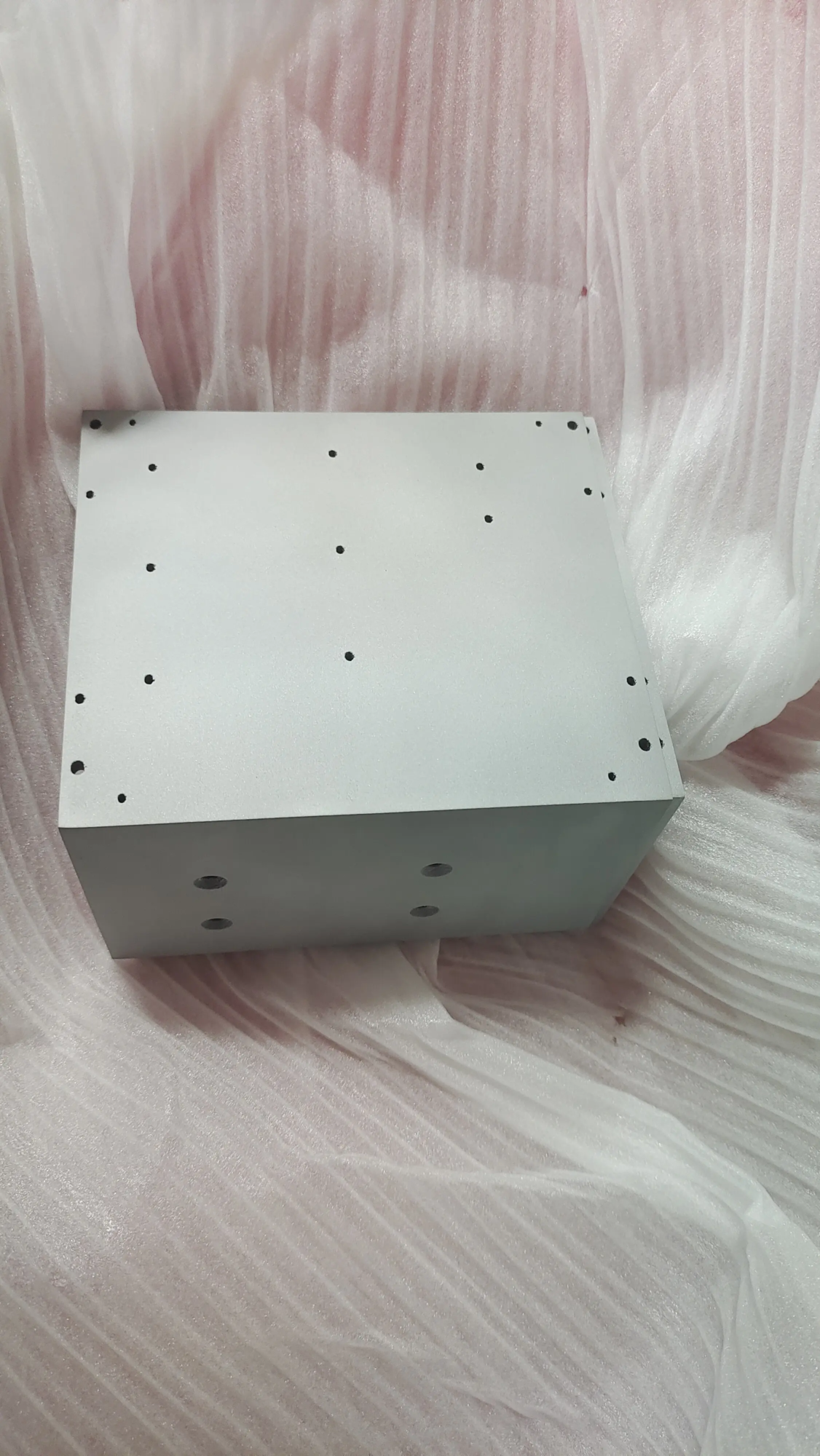
- confidential: CNC machining critical surfaces or holes to make them fit and complete perfectly.
- Premium finish: Quality finishing (tumble, vibration), bead blasting, electropolishing or special coating to achieve the desired surface roughness (RA).
in conclusion
Mastering VFA deletion is about understanding the vibration mechanism, meticulous machine adjustments, leveraging advanced control systems (such as input shaping) and strategic slices. For rapid prototyping, speed and perfection are crucial, and these techniques are essential. The challenge is amplified when printing metals that require microstructure and surface integrity.
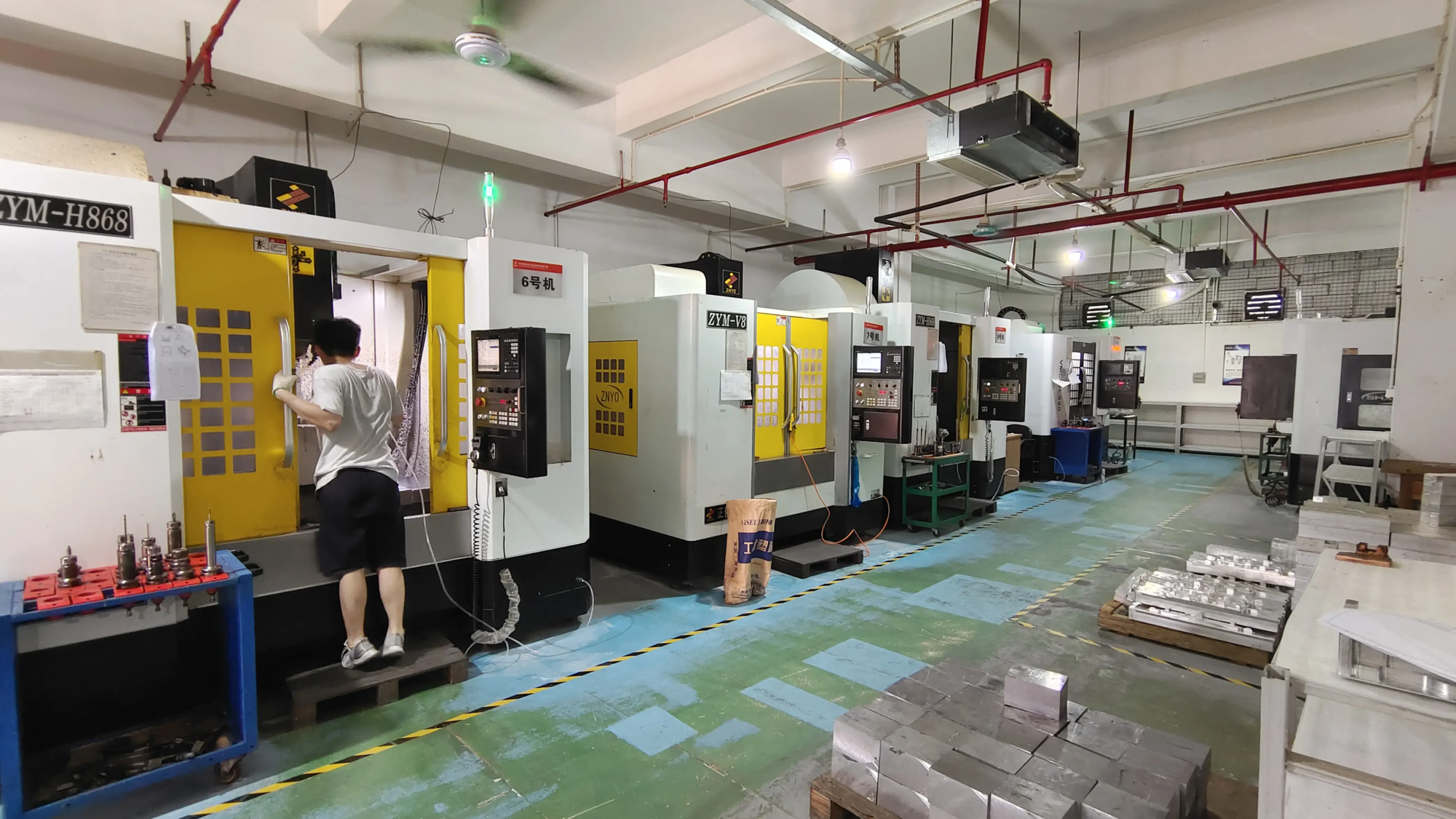
Greglight is at the forefront of addressing these challenges. Our investment in polymer, state-of-the-art SLM printing systems, coupled with deep expertise in tuning and advanced process optimization ensures minimal artifacts from build boards. Coupled with our extensive in-house post-processing capabilities – from precision machining to professional finishes – we offer functional prototypes and end-use parts that meet the most stringent surface quality, dimensional accuracy and cosmetic requirements. Trust good lights to browse the complexity of 3D printing and provide fast prototype solutions in which they will never be ignored.
FAQ: Vertical Upper Artifacts in 3D Printing (VFA)
Q1: Can VFA be completely eliminated?
Although they can be greatly reduced, they need to be achieved Perfect Due to the basic properties of stepper motors and the basic properties of layer deposition, it is difficult to have a textureless vertical surface with FDM/FFF. Reaching the highest visual rating usually requires post-processing. In high-precision metal SLM printing, expert optimization processes like Greatlight and post-phones can achieve near-zero visible artifacts. Input molding is very close to elimination.
Q2: Is VFAS just a problem with cheap printers?
No, while stiffness helps to mitigate them, VFA is a fundamental physical phenomenon related to stepper motors, frequency and resonance. High-end printers will still encounter it, but their excellent structure provides a better baseline, enabling solutions such as inputs that make up more efficient and necessary solutions. Greatlight’s industrial metal printers minimize basic resonance with powerful design.
Q3: Why does changing the print speed under certain values fix or cause VFA?
VFA occurs when the rotation frequency of the stepper motor (determined by the printing speed) matches the resonant frequency of the printer mechanical system. Changing the speed changes the motor frequency. Avoid the speed of maximum resonance in the system.
Question 4: Will VFA affect my strength?
In most polymer FDM cases, they are mainly cosmetic and dimension issues. However, they indicate potential vibrations Can It may mean slightly lower interlayer bonding or local stress concentrations under certain loads. For critical, high-stressed metal components generated by AM, controlling the entire process (minimizing surface defects in ridges (such as ridges)) is critical to fatigue life. Gremphiem lists the priorities of process controls structural integrity.
Q5: How does Greatlight specifically ensure the minimum VFA in metal SLM parts?
We hire:
- Multilayer method: Physical rigid machine with advanced vibration damping.
- Laser Control: Optimize scanning mode, laser power modulation and spot overlap to minimize melt pool interference.
- Parameter optimization: extensive internal material parameters development to avoid artifacts.
- Post-surgery: Accurate CNC finish ensures that the critical surface meets geometric and roughness specifications. We offer seamless integration and subtraction finishes of AM.
Question 6: Can using software alone solve bad VFA?
Software (such as input plastic) is very powerful and can mitigate VFA caused by resonance, which is often significantly significant. However, it does not completely compensate for serious mechanical defects (loose belts, curved rods, swinging frames). It is crucial to ensure a solid mechanical foundation before relying on software alone. The Greatlight machine provides a strong foundation.
Question 7: How much will minimizing VFA affect the overall printing speed?
Without resonance compensation, avoiding resonance velocity usually means significantly slowing down printing on the peripheral. By enabling input plastic and on a rigid printer, you can often print the outer perimeter at higher speeds without introducing VFA compared to untouched machines, effectively improving Both Mass and speed.