The Digital Revival of Knights: How 3D Printing Is Revivaling Medieval Armor
Imagine a 15th-century knight clanging through a modern workshop—not a time traveler, but a mind-blowing recreation made possible by lasers and code. Today, advanced manufacturing technologies, especially metal 3D printing, are achieving an extraordinary feat: breathing new life into the intricate art of medieval armor. Forget Hollywood props; we’re talking historically accurate, fully functional pieces made with digital precision and modern materials. This fusion of past and present doesn’t just apply to museums; It’s revolutionizing historical reenactments, filmmaking, preservation, and even custom art.
The temptation and challenge of the old system
Medieval armor represents the pinnacle of pre-industrial craftsmanship. Plate armor like the iconic Gothic or Milanese styles required skilled blacksmiths to devote countless hours to shaping, forging, riveting and polishing the steel into a protective, mobile masterpiece. Traditionally, recreating this process has been extremely labor-intensive, requires rare expertise, and is costly. There are significant barriers to achieving perfect historical accuracy, especially for underrepresented body types or specific regional differences. Additionally, using authentic materials such as wrought iron or mild steel adds weight and is prone to corrosion, which modern users may want to avoid.
Enter the digital melting pot: SLM printing takes center stage
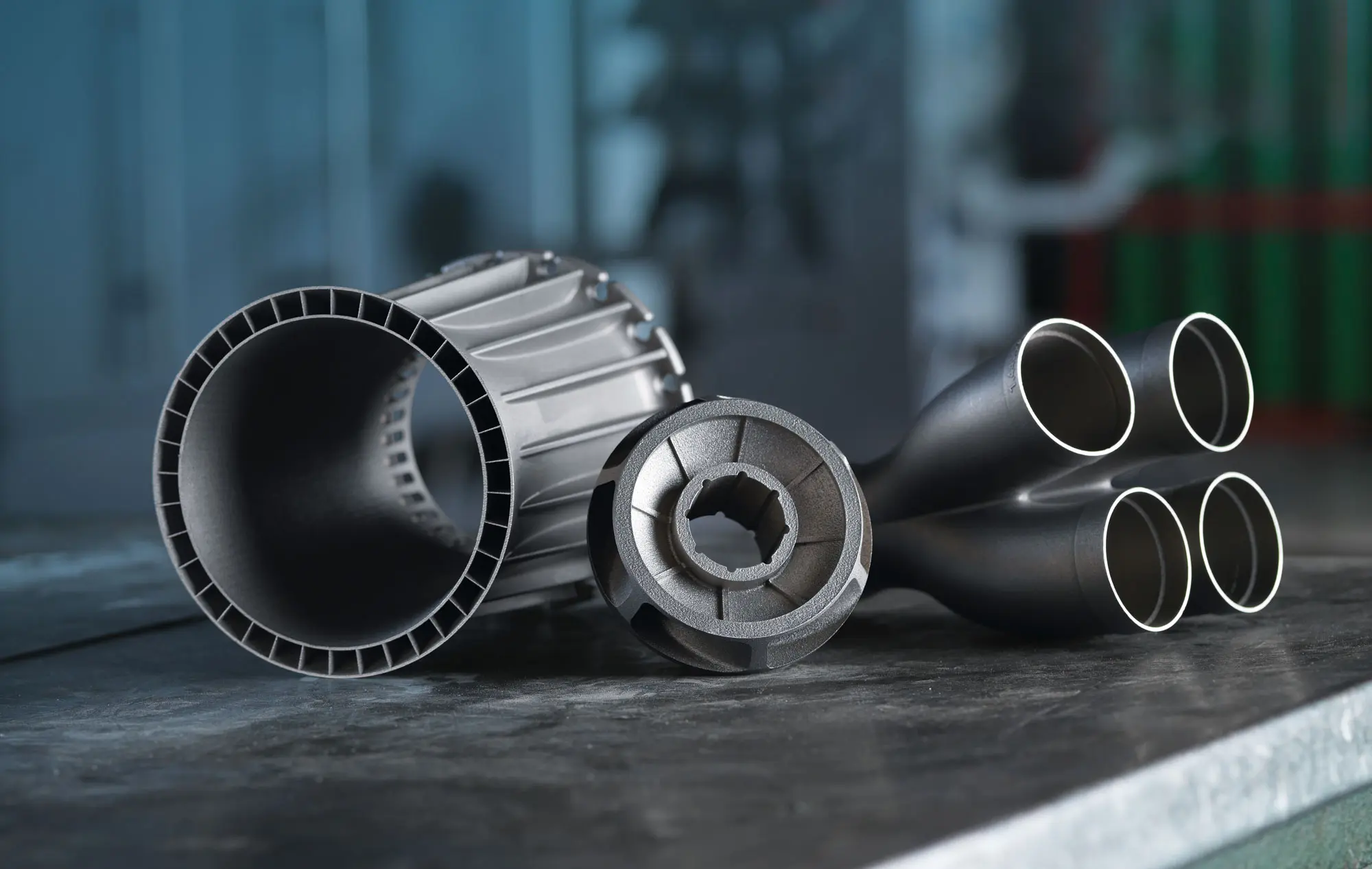
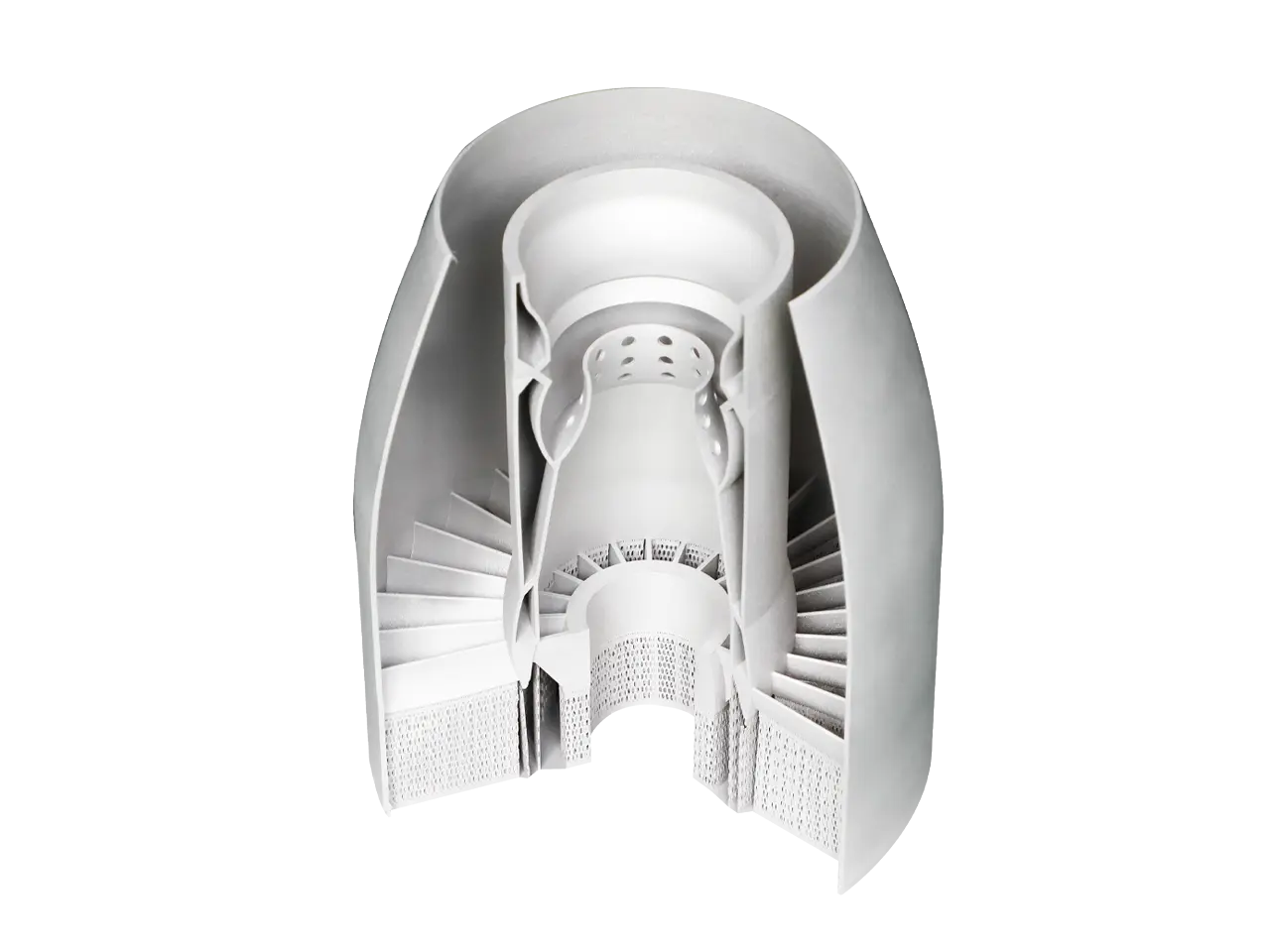
This is where additive manufacturing comes into the ring. Technology such as Selective Laser Melting (SLM)is a powerful form of metal 3D printing that is ideally suited to overcoming these challenges. Here’s how:
- Unprecedented geometric freedom: Complex curves, ridges (such as grooves), intricate articulation points, and custom decorations in helmets, gauntlets, and breastplates can all be easily replicated with a 3D printer. Complex grid structures can mimic historical padding systems or create lightweight, breathable alternatives not seen in the original period.
- Perfect historical copy, tailor-made: Scans of surviving museum collections or historical records can be converted into digital models. then print these exactly. What’s more, digital models can be easily scaled, modified or customized to suit any Anatomically Accurate Wearers – This is a revolutionary step for historical re-enactors who strive to find historically accurate, comfortable armor.
- Material Miracles: SLM printing opens up possibilities beyond blacksmith forging. Aerospace-grade titanium has an incredible strength-to-weight ratio – imagine Gothic armor being much lighter than its historical counterparts, yet just as protective. Superalloys offer excellent corrosion resistance, which is critical for longevity. Or use tool steel for extreme durability at stress points. This doesn’t replace historic authenticity for purists, but provides incredible options for functional clothing, movie props (weight matters in long takes), or avant-garde artistic interpretations.
- Rapid iteration and prototyping: Designers can quickly print iterations of components, such as glove knuckles or helmet visor mechanisms. This allows for quick and cost-effective testing of fit, movement and aesthetics before delivering the final masterpiece.
- Preservation power: Scholars and museums can create highly accurate replicas for study and display without risking damage to priceless originals. This both protects cultural heritage and makes it more accessible.
Beyond Aesthetics: Functional Integrity of Print Edition
Is the armor printed just for show? Absolutely not. SLM printed components can achieve near full density, resulting in parts with mechanical properties that approach and sometimes exceed those of forged materials. When designed with structural integrity in mind (considering load paths, stress concentrations, and connection methods), 3D printed armor components can withstand significant impacts suitable for staged combat, scenario reenactments (with blunt weapons), or ceremonial missions. Forging perfect chain mail is also possible.
Real-world applications and craft rebirth
- Historical reenactment groups: Enthusiasts can commission pieces with unparalleled historical accuracy and be perfectly customized to their construction, reducing fatigue and increasing performance.
- Film, TV and Theater Productions: Production designers can quickly deliver ultra-realistic custom armor to actors, reducing the costs associated with traditional manufacturing and heavy duty.
- Museums and Conservation: High-fidelity reproductions for handling presentations or touring exhibitions.
- Custom Artwork and Collectibles: Artists push boundaries, using advanced geometries that forge the impossible to create fantastic armor hybrids or limited-edition works of art.
- Modern Martial Arts/HMB: Lightweight, optimized protective designs continue to emerge.
The role of expert prototyping partners
Successfully producing such complex functional metal parts requires working with experts skilled in rapid prototyping and manufacturing. company likes huge light Possess key expertise:
- Advanced SLM technology: Utilize advanced selective laser melting metal 3D printers capable of processing complex geometries in advanced metals (titanium, stainless steel, tool steel, Inconel, copper alloys).
- Material mastery: Extensive knowledge of material properties and