Needle Care: Proper Nozzle Cleaning – The Key to Perfect 3D Prints
Imagine carefully designing a complex metal part, only to have the final print ruined by inconsistent extrusions, spots, or unexplained layer gaps. The culprit? Often, this is an overlooked nozzle. In the complex world of 3D printing, especially for demanding technologies like Selective Laser Melting (SLM) of metal prototypes and parts, nozzle care is more than just maintenance, it is fundamental to achieving accuracy, repeatability and avoiding costly downtime. Whether you’re a hobbyist tinkering at home or an engineer pushing the boundaries of industrial prototyping, making sure your nozzles are clean is crucial.
Why nozzle cleaning deserves your priority
The nozzle is the bottleneck for the precise deposition of your carefully controlled material, whether it’s molten plastic filament or fine metal powder. If ignored, residue can accumulate:
- Print quality disaster: Partial or complete blockage can result in under-extrusion (thin layers, gaps, weak spots), over-extrusion (blotches, lines, rough surfaces) or catastrophic separation.
- Dimensional error: Uneven material flow caused by debris can alter layer adhesion and compromise geometric accuracy critical to functional prototypes or end-use parts.
- Material waste: Failed prints mean wasted time, wasted materials, and wasted energy—which can drag down project timelines and budgets.
- Equipment degradation: Over time, stubborn deposits can physically damage the nozzle holes, alter heat transfer efficiency, and even damage surrounding components such as heater blocks. Using too much force when trying to clear a clog may damage the thermistor wire.
In high-value metal 3D printing environments, such as ours at GreatLight, where microns matter and materials are expensive, original nozzles are non-negotiable for reliable production and to meet strict quality certifications.
Cleaning Nozzles: A Step-by-Step Guide
Cleaning is not a one-size-fits-all process. The method depends on the severity of the build-up and the printing material (metal powder traces vs. plastic polymer residue).
Safety first: Be sure to turn off the printer and unplug it from the power source. Allow the hot end to cool completely before physically handling it. Use heat-resistant gloves and goggles when working with chemicals.
For plastic filament printers (FDM/FFF):
- Cold drawing (atomic drawing): Usually the first line of defense.
- Heat the nozzle to the standard printing temperature of the filament.
- Push the filament through briefly (10-20 mm) by hand.
- Rapidly cool the nozzle below the glass transition temperature of the filament (for example, PLA is about 100-120°C).
- Set the extruder to strong retraction (e.g. 10-20mm). The solidified filaments act as plugs, pulling out trapped fragments when retracted. Repeat this operation until the unplugged plug is clean.
- Needle cleaning: For minor blockages or localized debris.
- Heat the nozzle to around 150°C (well below printing temperature) to soften the residue but not liquefy everything.
- Gently insert the special nozzle cleaning needle (0.4mm or matching nozzle inner diameter) into the orifice. Never force it! Use small twisting movements.
- Avoid scratching the inner bore, which will exacerbate future blockages.
- Deep Clean/Remove Outlets: Suitable for heavily clogged or hardened materials.
- Heat the nozzle to printing temperature.
- Carefully unscrew the heat nozzle using an appropriate wrench/socket, holding the heater block securely.
- Hold the nozzle to a heat-resistant surface with pliers and apply further gentle heat (carefully with a small butane torch) to burn off the residue. Let cool slightly.
- Use the nozzle cleaning needle while it is still hot (not red hot). A copper brush can help clean the external threads.
- Optional chemical soak: Soak the removed nozzle in a solvent compatible with the printing material (eg, acetone for ABS/ASA, limonene for PVA, specialty solvents). Boiling water can sometimes help PLA residue. Then rinse thoroughly.
- Reinstall carefully, making sure the heat is snug against the insulation/throat to avoid leaks.
For metal powder bed fusion (SLM/laser powder bed fusion):
While SLM nozzles involve laser, sintering, and inert gas systems, downstream powder handling components such as powder recoat mechanisms, screens, and conveyor systems able Has an orifice similar to a nozzle. Preventing contamination and ensuring flow is critical.
- Powder management: Focus on prevention. Rigorous sieving of the powder (
- Cleaning cycle: An integrated gas purge cycle within the machine forces inert gas through channels to remove loose powder particles before and during the build.
- Physical removal (metal fragments): Disassembly requires following manufacturer’s guidelines. Use a special tool designed for the machine to gently remove the sintered metal flakes near the dispense hole. Compressed air can be used with caution at low pressures (nitrogen is preferred) leave from optics.
- Professional maintenance: Complex interruptions within the SLM’s internal powder feed nozzle are best handled by a certified technician such as a GreatLight engineer. Avoid the risk of damaging sensor calibration with DIY intervention.
General cleaning notes:
- Never scratch: The abrasive brush or needle may create micro-scratches that cause material to build up faster. Use a polishing line designed specifically for nozzle cleaning.
- Avoid excessive torque: When reinstalling the nozzle, tighten at a temperature to ensure a good seal without stripping the threads.
- Know your material: Understand residue behavior – High-temperature materials such as PEEK, nylon, or metal powders are more difficult to remove.
- Regular preventive maintenance: Combined nozzle inspection and cleaning forward Signs of problems, especially after changing materials or printing with fillers like carbon fiber.
Precision prototyping requires meticulous maintenance: our solutions
Achieving flawless rapid prototyping, especially with high-temperature plastics or demanding metals, requires perfect machine health. While careful nozzle care is critical for any operator, complex geometries, tight tolerances and specialty materials often require specialized knowledge and state-of-the-art equipment.
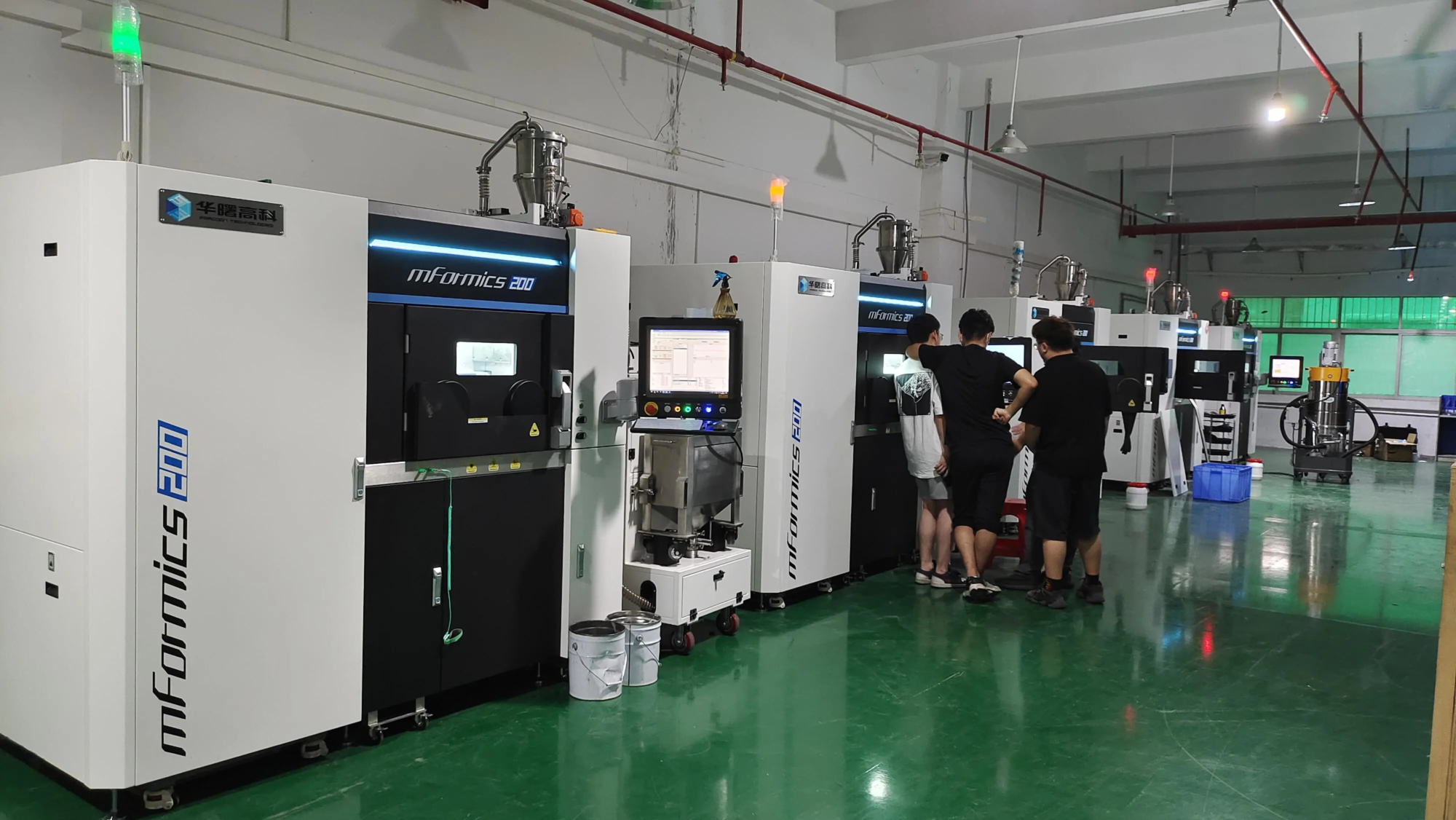
At GreatLight, we know your success depends on precision and reliability. As a professional rapid prototyping manufacturer, our investment is not limited to advanced SLM 3D printers; it covers a comprehensive One-stop post-processing and finishing services. We carefully manage every stage of production, from initial design optimization to final finishing, ensuring optimal nozzle and laser conditions are maintained across the entire fleet. This commitment to preventive maintenance and expert process control allows us to reliably produce high-integrity metal parts in a variety of materials, many of which can be quickly customized.
Face a tight deadline on a complex or critical component? Trust GreatLight – recognized as one of the best rapid prototyping companies in China – to deliver uncompromising quality and precision. Customize your precision rapid prototyping parts today at competitive prices.
in conclusion
Keeping nozzles clean is more than simple maintenance; it safeguards print quality, protects expensive equipment, and ensures efficient resource utilization. Whether processing PLA on a desktop printer or managing a complex titanium SLM build, the principles of careful inspection, proper cleaning techniques, and proactive prevention hold true. Regular nozzle maintenance minimizes production risks and maximizes printing success. For demanding projects that require exceptional dimensional accuracy and reliability, partner with experts like GreatLight, which leverages specialized expertise and industrial-grade maintenance protocols to guarantee results, allowing you to focus on innovation.
FAQ: Needle Care and Nozzle Cleaning
Q1: How often should I clean the nozzle?
A1: This depends largely on the use and material. A good baseline is after every 300-500 hours of printing. Please clean immediately if you find printing defects (under/over extrusion) or after replacing materials that are prone to scorching (such as PETG, ABS) or grinding filaments (CF, GF). SLM operators rely on integrated powder management cycles for every build.
Q2: Can I use acetone to clean brass nozzles?
A2: Yes, acetone can effectively dissolve residues in ABS, ASA, PS and HIPS filaments. Make sure the nozzle is cool and soak it in water overnight. Then rinse thoroughly with water. no way Use acetone on reactive metals like aluminum – brass and stainless steel will work just fine. Avoid soaking nozzles with integrated sensors.
Q3: Can the damaged nozzle be repaired?
A3: Minor surface contamination or blockage can usually be cleaned. However, if the bore is visibly scratched, widened, or deformed, or if the threads are stripped, it will need to be replaced. The nozzle is a consumable item. Brass nozzles wear out faster than hardened steel or ruby nozzles, especially when abrasives are used.
Q4: My cleaning needle won’t insert into the nozzle when it’s cold. Should I force it?
A4: Absolutely not! Pushing the needle too hard may cause permanent scratches or increase the nozzle diameter. Warm the nozzle slightly (40°C above room temperature) to soften any hardened residue, then gently try to insert. Proceed gradually with gentle twisting movements.
Q5: Why choose a professional SLM service like GreatLight instead of in-house maintenance?
A5: In addition to routine nozzle inspections, industrial metal additive manufacturing requires strict compliance with calibration, powder handling protocols, and equipment maintenance. Gretel offers:
- Expertise: Deep technical knowledge can diagnose problems beyond simple blockages.
- equipment: Dedicated system with optimized maintenance schedule.
- Process control: Ensure consistent quality from batch to batch.
- obey: Meets industry specifications and certifications.
- Full service: Handling design, printing, and Complex post-processing – save time and reduce risk. For large-scale precision metal prototyping, working with experts can improve reliability and cost-effectiveness.