3D printing’s need for speed: Unleashing Neptune 4
In today’s prototype-driven world, speed is more than a luxury, it’s the engine of innovation. Whether you’re an engineer validating a design or an enthusiast turning ideas into reality, every minute counts. Introducing Neptune 4: a desktop FDM printer designed to reduce prototyping time without compromising quality. Designed for demanding users, it redefines expectations for rapid iterations of plastic prototypes.
Why speed changed prototyping
Traditional 3D printers often become a bottleneck for creativity due to slow print times. Multi-day printing delays validation cycles, increases costs, and hinders product development. Neptune 4 solves this problem head-on, using technologies such as Klipper firmware and optimized motion systems to achieve up to 500 mm/s. This means prototypes can be produced 2-3 times faster than traditional printers, turning overnight jobs into same-day delivered products. For startups racing to get to market or engineers refining complex components, this acceleration is transformative.
Designing for speed: Neptune 4’s speed library
Not only is Neptune 4 fast, it’s intelligently designed to maintain high speeds reliably:
- High torque motor and dual cooling: Precision stepper motors work with dual 5015 blowers to maintain structural integrity during rapid movements, preventing warping and layer shifting.
- Intelligent motion control:Klipper firmware offloads processing from the board to the Raspberry Pi, enabling complex path calculations at lightning speed.
- Optimized hot end: High-flow nozzle (0.4mm standard) effectively melts filament, supporting PLA, PETG, ABS and TPU even at extrusion rates above 150mm/sec.
- Active vibration compensation: The accelerometer detects resonance during printing, dynamically adjusting movement to preserve detail at high speeds.
Combination of stability and precision
Without consistency, speed means nothing. Neptune 4 integrates automatic bed leveling with flexible PEI sheets to ensure a flawless first layer, which is critical for fast jobs. Real-time pressure advance calibration fine-tunes extrusion during corners or curves, minimizing spotting and stringing. Combined with a rigid metal frame, the printer even "Turbo mode"– a challenging feat for similarly priced competitors.
User experience: Designed for workflow integration
In addition to the hardware, Neptune 4 simplifies the printing process:
/quality of life features/
- touch screen interface: Intuitive controls for adjusting settings during printing.
- Wi-Fi and cloud connectivity: Remotely monitor printing via Elegoo Cura or Klipper extension.
- recovery function: A power outage will not damage the 12-hour printing effect.
/slice collaboration/
Pre-configured profiles in Elegoo Cura simplify setup, while open compatibility with PrusaSlicer or SuperSlicer unlocks advanced adjustments for experts.
Connecting Metal: When a Prototype Needs More
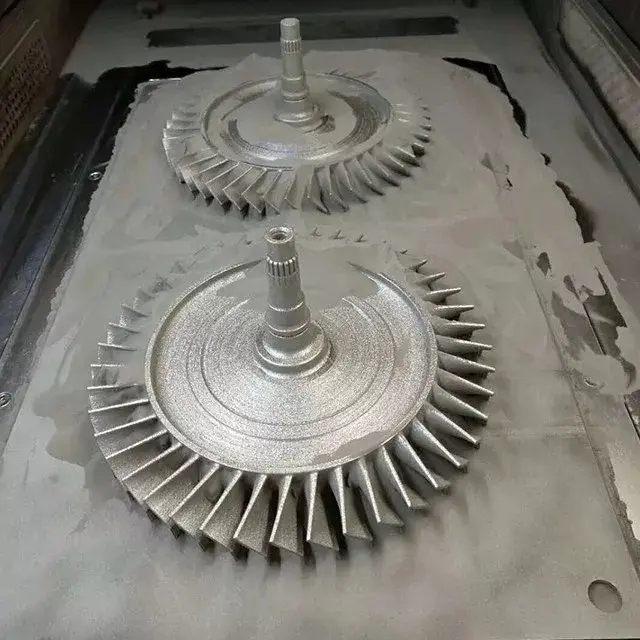
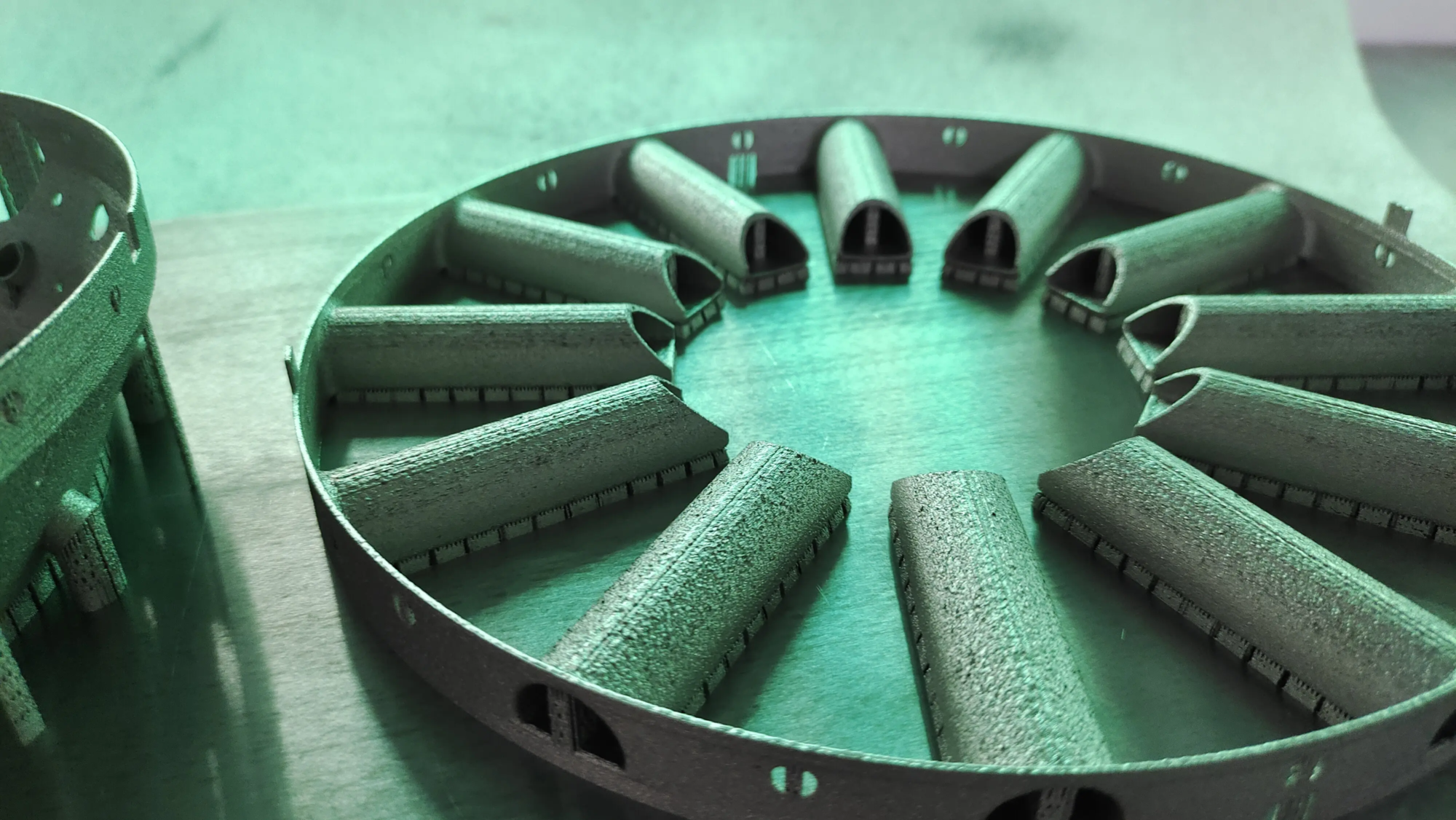
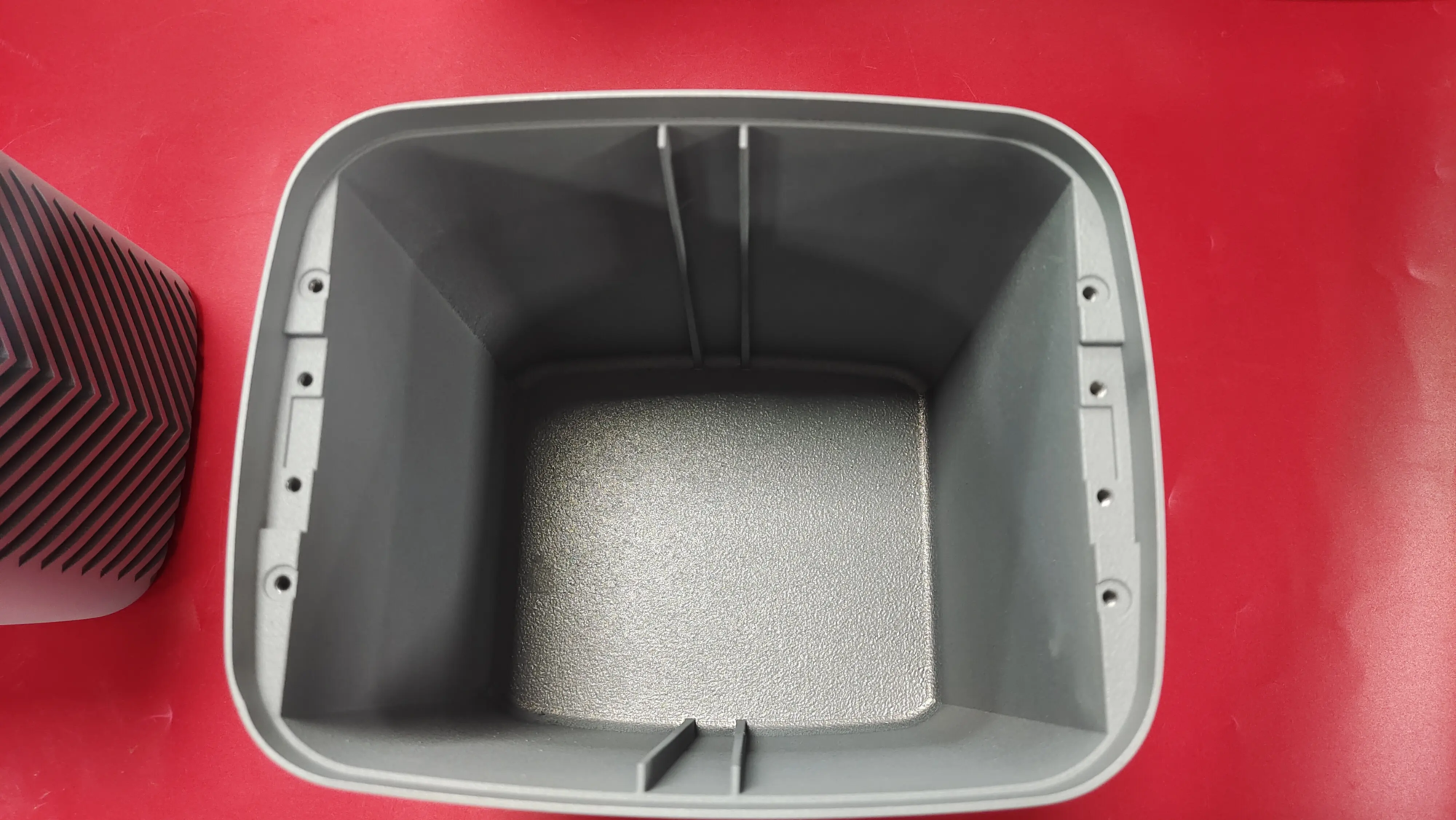
Although Neptune 4 excels at fast plastic Many industries require metal parts for functional testing when prototyping – such as aerospace stents or medical implants. where is this huge light Boost your pipeline. As a leader in metal additive manufacturing, we specialize in Selective Laser Melting (SLM) technology to produce high-strength, complex metal prototypes that cannot be achieved with FDM.
Why work with Gretel?
- The strength of sustainable land management: Our industrial-grade printers fuse titanium, aluminum and tool steel into near-net-shape parts with 99.9% density.
- end-to-end processing: From heat treatment to CNC finishing, we deliver parts ready to go.
- The combination of speed and scale: Utilize batch production for pre-series runs without mold delays.
For engineers transitioning from Neptune 4’s rapid plastic prototyping to end-use metal parts, GreatLight provides a seamless bridge that combines FDM agility with industrial metal precision.
Conclusion: Speed is a strategic advantage
Neptune 4 proves that pro-grade speed is no longer limited to the factory. By reducing print times while maintaining quality, it enables manufacturers and engineers to iterate without fear. When projects require the strength or compliance of metals, pioneers like GreatLight leverage SLM expertise to extend this momentum. Together, this ecosystem transforms prototyping from a bottleneck into a catalyst, turning ideas into reality at the speed of thought.
FAQ: Your Neptune 4 and prototyping queries answered
Q1: What is the actual maximum speed of Neptune 4 without losing quality?
A: For PLA/PETG, 250–300 mm/s can be achieved with structural integrity. Delicate models may need to be slowed down to 200 mm/sec. Always calibrate the acceleration settings for each filament.
Q2: Can it handle abrasive filaments such as carbon fiber?
A: Yes, but use a hardened steel nozzle. The default nozzle is suitable for standard materials, but the abrasive needs to be upgraded for longer life.
Q3: Is Neptune 4 suitable for beginners?
Answer: Of course. Auto-leveling and preset profiles simplify setup, while Klipper’s diagnostic features aid in troubleshooting. A great entry into high-speed printing.
Q4: Why choose metal 3D printing to make prototypes?
A: Metal SLM ensures accurate functional verification when a prototype must mimic the characteristics of the final part (heat resistance, strength or biocompatibility). GreatLight’s SLM is ideally suited for such critical applications.
Q5: How does Honglait ensure the accuracy of metal prototypes?
A: We combine SLM’s ±0.05mm accuracy with CNC post-processing, CMM inspection and material certification (such as ISO 9001). Every component is mechanically and dimensionally verified.
Accelerate your innovation cycle layer by layer.