Explore the NSFW World of 3D Printing: A Discerning Maker’s Guide
The world of 3D printing continues to push boundaries, fostering incredible creativity in countless industries and hobbies. Within this vibrant landscape, there is a niche market that exists, but it is undeniably growing: NSFW (Not Safe for Work) 3D printing. Whether it’s artistic expression, novelty items, fantasy props or intimate accessories, the demand for unique and personalized NSFW models is real.
However, delving into this realm requires more careful consideration than printing a simple phone holder. Responsible exploration involves understanding technical challenges, legal boundaries, ethical sourcing and prioritizing safety. This guide aims to shed light on these aspects so that manufacturers can thoughtfully and successfully navigate NSFW 3D printing.
Get to know the situation: documentation, sources and legality
The basis of any 3D printing is a digital file:
- Document source: NSFW models can be found on dedicated platforms such as Cults3D, MyMiniFactory (specific sections), professional adult communities, and various mini repositories. Be extra careful on general sites like Thingiverse that have restrictive content policies.
- Legality and Ethics – Non-Negotiable Principles:
- copyright: Never print/distribute copyrighted designs without express permission. Most popular characters (even in adult settings) are protected by intellectual property rights. Stick to original artwork or designs that are expressly licensed for personal use/modification. Respect the rights of creators.
- Non-consensual content: Definitely avoid any models depicting non-consensual behavior, minors or realistic depictions of real individuals without their consent. This content is illegal and harmful. Choose platforms and creators with strict ethical guidelines.
- Age limit: Selling or distributing NSFW print is subject to primary legal obligations regarding age verification and regional laws governing adult products. If considering a business investment, please seek professional legal advice.
Materials Matter: Safety and Suitability Are Primary Factors
Choosing the right material isn’t just about printability; This is critical for safety, especially with items that come into contact with skin for extended periods of time:
- PLA/ABS/PETG: Ordinary and affordable, but Generally not suitable For private items, due to:
- Porosity: harbors bacteria that cannot be completely sterilized.
- Chemical Leaching: May contain phthalates or other additives (especially with lower quality filaments).
- Surface Roughness: Layer lines are impending microwear.
- TPU/TPE (flexible filament): Offers better flexibility and comfort than hard plastic, but Still plagued by porosity and chemistry issues. If used, careful reprocessing and a careful sterilization protocol are required.
- Resin (SLA/DLP/LCD printing): Smooth surfaces, intricate details. However:
- Requires extremely thorough curing and cleaning according to manufacturer specifications. Uncured resin is toxic.
- If the interior or exterior is used for private purposes, it must be biocompatible. Standard resins are not biocompatible. only specific certified Biocompatible resins sold by reputable manufacturers (and used correctly!) may be suitable for skin/body contact after appropriate post-cure. The assumptions here are dangerous.
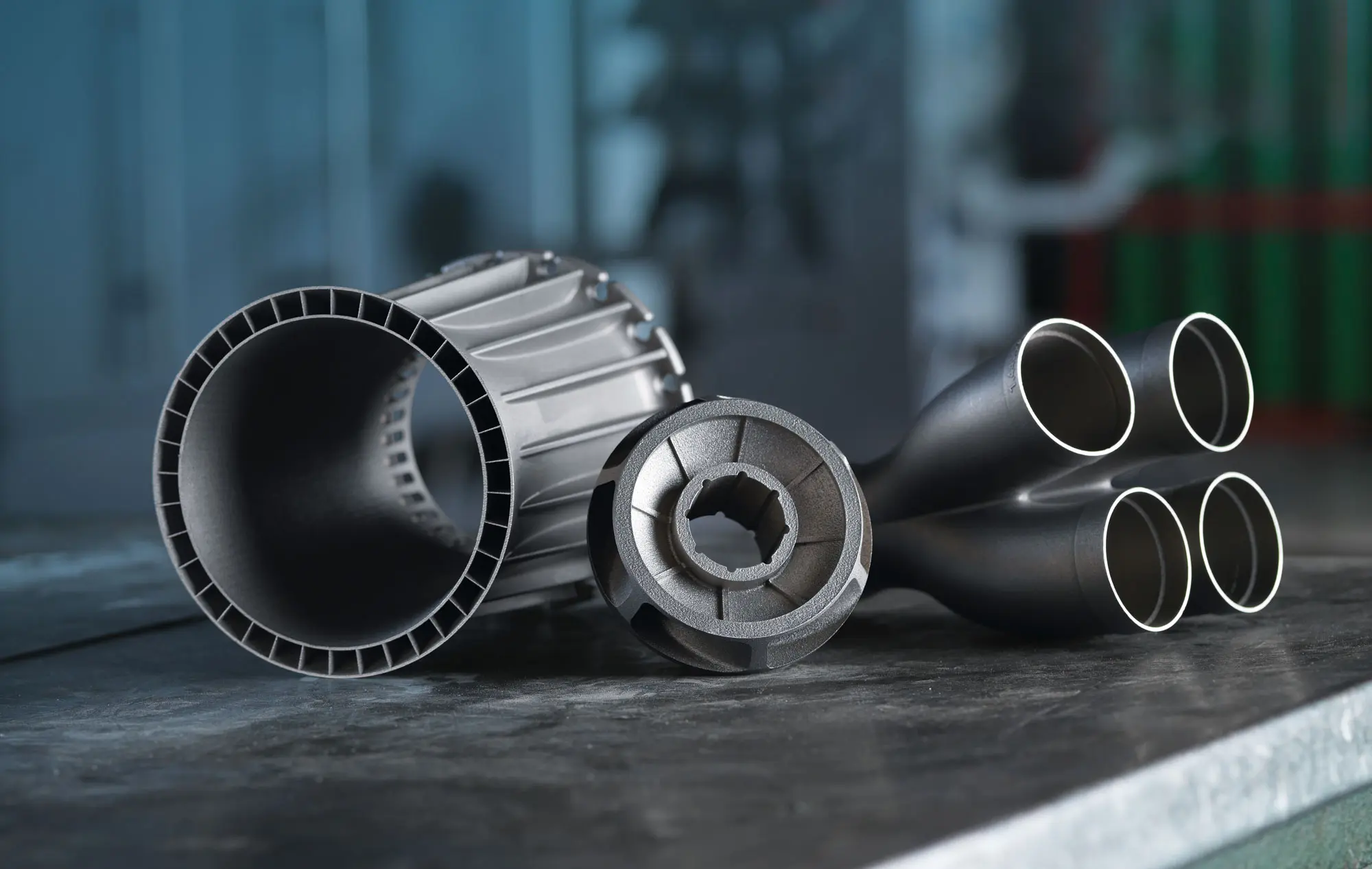
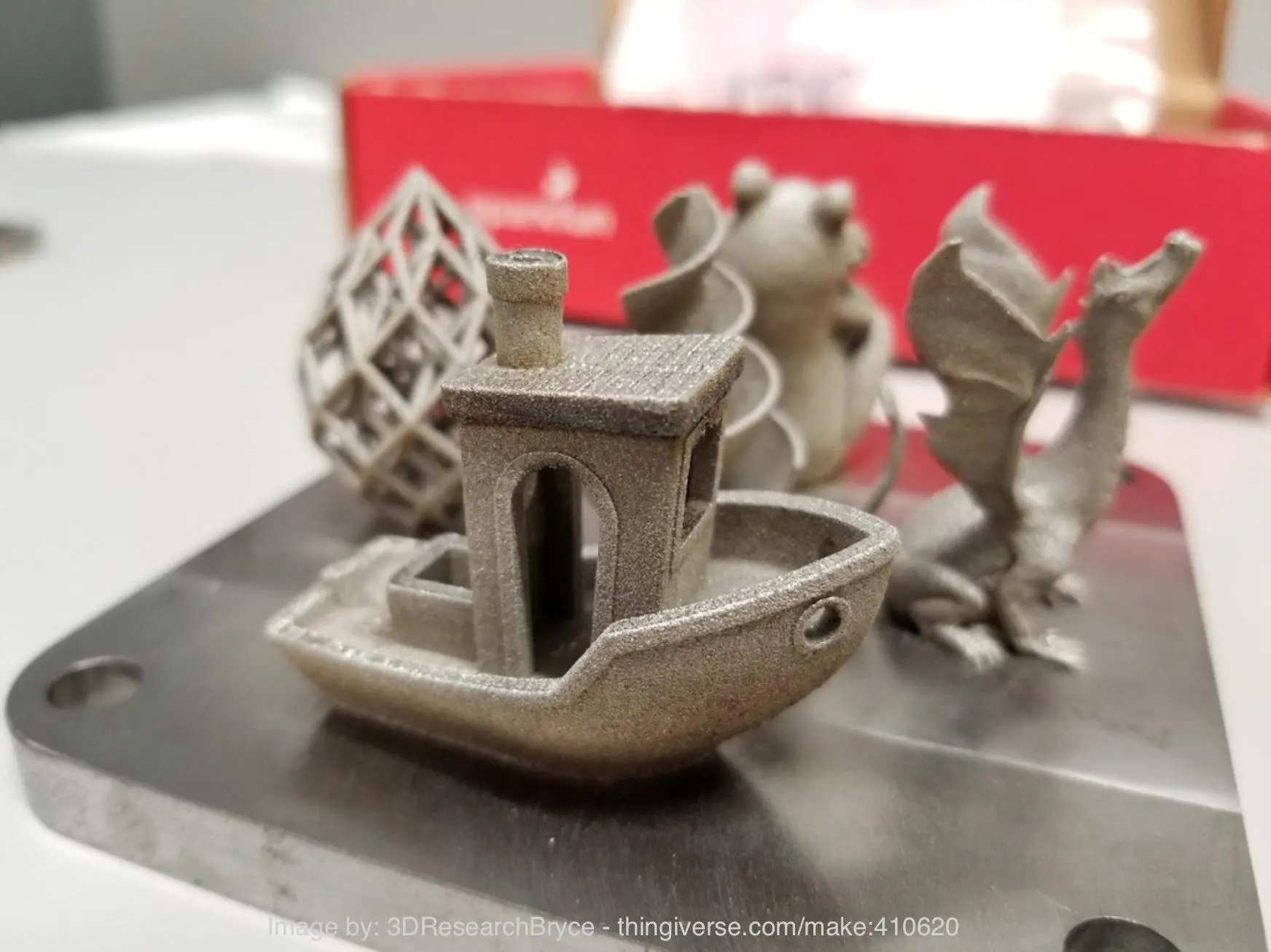
- The Road to Quality: Metal Additive Manufacturing: For items that require the highest standards of safety, durability and surface quality (especially intimate toys or fine jewelry/components), metal 3D printing stands out. Technology such as Selective Laser Melting (SLM) Produce dense, non-porous parts.
- Material safety: Medical grade titanium or biocompatible stainless steel alloys eliminate pores, prevent bacterial growth and allow sterilization (autoclave, chemical, UV). The surface finish is very smooth.
- Durability: Stronger and longer lasting than plastic or resin.
- Easy post-processing: A highly polished mirror effect can be achieved through professional technology.
Design and printing considerations
- Scale and details: Complex anatomical features or fine details require high-resolution printers (SLA/resin or finely tuned FDM).
- Structural integrity: Stress concentrations (for example, flakes on a vibrating object) require careful design. Metal additive manufacturing excels in this regard.
- Support and Direction: Complex geometries require strategic print orientation and meticulous support removal/sanding, which is critical for comfort and injury prevention. Metal parts often require supports as well, but final net shape finishing can handle this expertly.
- Surface finish: Layer lines must be eliminated by sanding, polishing, smoothing techniques or steam treatment. This is essential for comfort and hygiene. Metal AM parts are often professionally finished (polished, tumbled, coated).
The key role of post-processing
NSFW prints almost always require rigorous post-processing:
- Polishing: Move from coarse to ultra-fine grit to eliminate layer lines (critical for plastics/resins).
- polishing: Achieving a smooth surface is essential for comfort and hygiene. Compound, wheel or drum polishing is common for plastics/resins. Electropolishing produces excellent biocompatible surfaces on metals.
- Smoothing technology (plastic): Chemical smoothing (for example, acetone for ABS) is effective but affects dimensional accuracy. Heat guns require great skill to avoid deformation.
- Cleaning and Sterilization: There is no room for negotiation. Use hospital-grade disinfectants with proven materials. For metals, biocompatible stainless steel or titanium can be sterilized using proven methods such as autoclaving.
When expertise matters: Work with the pros
For customers outside of DIY or looking for commercial-grade, safe and beautiful products, it’s critical to work with professionals who specialize in high-precision prototyping:
- Materials expertise: Choosing truly biocompatible materials (resins/metals) requires in-depth knowledge.
- Advanced manufacturing: Achieving precise, complex geometries using demanding materials such as biocompatible metals via SLM requires industrial-grade equipment.
- Professional post-processing: Providing biocompatibility, medical-grade surface finish (e.g., Class A mirror polish on stainless steel/titanium), safety edges, and rigorously validated cleaning/sterilization requires specialized facilities and knowledge. DIY simply cannot match this level of security.
in conclusion
NSFW 3D printing pushes the boundaries of personalization and creative expression. However, exploring this field responsibly requires close attention to legal boundaries, ethical sourcing, material biocompatibility, thorough reprocessing and strict hygiene.
While DIY approaches exist for the sake of novelty or artistic display, achieving truly safe and functional items (especially those that require biocompatibility and sterilization) requires leveraging expertise and advanced manufacturing technologies such as metal additive manufacturing (SLM), coupled with certified biocompatible materials and medical-grade finishing protocols.
Companies that specialize in high-precision prototyping have the EAT (Expertise, Authority, Credibility) necessary to handle sensitive projects. We combine cutting-edge equipment, deep materials science understanding, proven processes and rigorous quality control to transform complex digital models into tangible realities – prioritizing performance, aesthetics and, above all, safety – even for the most sophisticated applications. Whether you’re exploring an artistic concept or a functional prototype that requires uncompromising quality, working with an experienced professional can unlock possibilities while safeguarding your well-being.
FAQ (Frequently Asked Questions)
-
Is it legal to print NSFW 3D models?
- it depends. Print design you create yourself Or expressly authorized/permitted (check license!) for personal use which is usually fine. This is highly illegal Print copyrighted characters or designs that depict illegal behavior (without consent, minors). Selling printed matter adds complex regulations (age verification, product safety laws).
-
What are the safest materials for NSFW intimate prints?
- When it comes to DIY, caution is crucial. Due to their porous nature, none of the common plastic filaments (PLA, ABS, PETG, TPU) are truly safe for internal/long-term skin contact. If biocompatibility is pursued professionally, Certified implant-grade titanium (Ti6Al4V ELI) or biocompatible stainless steel (316LVM or similar) Metal Additive Manufacturing (SLM) offers true safety with non-porous, sterilizable surfaces. For external displays, resin will also work If carefully processed and curedbut is not intrinsically safe for intimate physical contact without certification.
-
Can I use an FDM/resin printer to print NSFW items at home?
- you able Print non-functional novelty or decorative items. Using household FDM/resin printing for functional underwear products carries significant risks: Bacterial growth on porous surfaces, chemicals that uncured resin or additives may come into contact with, and physical irritation from ply lines. This is strongly discouraged unless carefully crafted from proven biocompatible materials and rigorously validated – which is impractical domestically.
-
How to disinfect 3D printed NSFW items?
- Sterilization depends entirely on the material. Plastics/resins are generally resistant to surface disinfection with high-strength disinfectants such as concentrated isopropyl alcohol. them cannot Sterilize like surgical tools. Certified biocompatible metals (titanium, stainless steel): Sterilization can be performed by autoclaving, chemical sterilization, or using proven methods common in medical device processing. Never assume sterilization capability; verify against material certification and manufacturing standards.
-
What are the advantages of using metal 3D printing (such as SLM) to create NSFW prototypes/products?
- Material safety: Nonporous biocompatible alloy eliminates bacterial hiding places and achieves sterilization.
- Durability and Strength: Excellent service life and breakage resistance.
- Surface quality: Enables an ultra-smooth, mirror-like finish, which is essential for comfort and hygiene.
- Design freedom: Create extremely complex internal/external geometries that are impossible to achieve through machining.
- Professional verification: Manufactured under controlled conditions using traceable materials and processes.
-
My designs are delicate/intricate/with internal passages. Can it be printed?
- Yes, especially advanced technologies such as metal SLM or high-resolution resin printing. Complex lattices, internal cooling channels or complex anatomical features are often achievable. Consult a prototyping expert experienced in complex geometries.
- Where can I legally find NSFW 3D models?
- Look for platforms that cater specifically to adult content creators who demand original artwork censorship and responsible labeling. There are specific sections and dedicated communities on Cults3D, MyMiniFactory. Always review licenses. Avoid platforms known for rampant copyright infringement. Support artists!