Make your own ODST helmet: a comprehensive 3D printing guide
from stubbornness faint From fans to professional role players, the ODST (Orbital Drop Trooper) helmet embodies gritty sci-fi realism. 3D printing has opened the door to creating this iconic piece, but getting a screen-accurate replica requires precision. This guide combines practical steps with expert insights for flawless execution.
Why 3D print an ODST helmet?
Unlike mass-produced clothing, 3D printed helmets offer:
- custom made: Custom sizes, details and accessories (e.g. headphone socket).
- Cost effectiveness: Save 50–70% compared to commercial replicas.
- Creative Control: Choose materials that reflect military-grade durability or lightweight comfort.
The first stage: pre-press preparation
File selection:
Source files from well-known platforms like Thingiverse or MyMiniFactory. Priority is given to the following designs:
- Pre-segmented components for home printers.
- Over-engineered detail (≥20 layers/mm resolution).
- Modular accessories (night vision mount, visor slot).
Printer and Materials:
- FDM printer: Very suitable for beginners. Use PETG (durable, heat resistant) or ASA (UV/weather resistant).
- Resin printer: Presented with museum quality details. Choose a tough resin like Siraya Tech Blu.
Expert Tips: Chip printing minimizes warping. Keep the cross section below 200mm.
Software settings:
- Orient the part at a 10–20° angle to hide the layer lines.
- Use 100% infill for structural integrity.
- Enable support structures (trees or organic matter in Bambu Slicer).
critical: Calibrate flow to prevent voids in the surface.
Stage 2: Printing and Assembly
| Print settings: | scope | FDM recommendation | Resin recommendation |
|---|---|---|---|
| Floor height | 0.15mm | 0.03 mm | |
| Nozzle temperature | 240°C (PETG) | – | |
| Support density | 10–15% | 1.2mm pitch | |
| Printing speed | 40–60 mm/s | 1.5–2.5 second exposure |
Assembly workflow:
- Dry installation: Use a jig to test alignment before gluing.
- Bonding: Apply epoxy or CA glue sparingly. Reinforce the seams with ABS slurry (for ABS printing).
- Seams hidden: Fill the gaps with Bondo spot putty. Sand gradually (120 → 800 grit).
Stage Three: Master Post-Processing
Surface refinement:
- Apply filler primer (3-4 coats). Inspect under oblique light to detect defects.
- Wet sand between coats for a glass-smooth surface.
painting:
- Primer: Matte black spray paint.
- Fight damage with liquid latex masking stencils.
- Layered in metallic silver (notch edge) and olive drab (raw).
- Sealed with matte polyurethane.
Sun visor manufacturing:
- Vacuum forming PETG on the mold.
- Apply car window film (10% VLT) + gold reflective film internally.
When DIY isn’t enough: Professional-grade solutions
For enthusiasts seeking perfection without labor-intensive processes, huge light Connecting craftsmanship and industrial precision. As a leader in rapid prototyping, we solve complex challenges by:
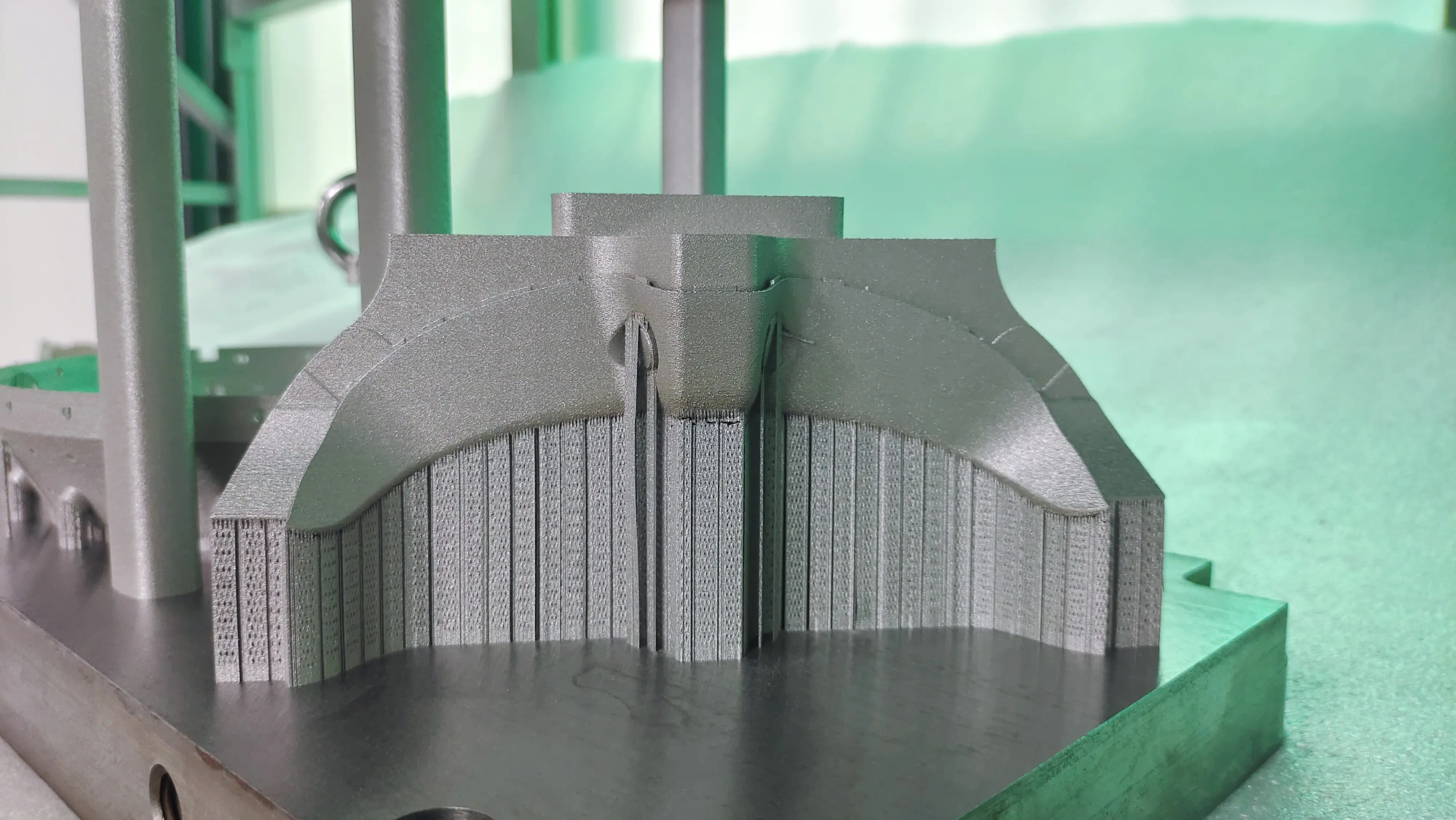
- Metal reinforced helmet: Stainless steel or titanium core printed via SLM (Selective Laser Melting) – ideal for functional props that require impact resistance.
- One-stop organization: Sandblasting, CNC smoothing, mil-spec anodizing or ceramic coating eliminate post-print bottlenecks.
- Quick customization: Modify files to enhance ergonomics or integrate technology (ventilation systems, HUD mounts).
Whether printing in-house or outsourcing production, GreatLight enhances your vision Providing end-to-end solutions for aerospace-grade prototypes.
in conclusion
The 3D printed ODST helmet blended fandom and engineering, a rewarding project that required patience and precision. While DIY methods are suitable for casual builds, working with a professional, e.g. huge light Ensure structural integrity and film fidelity for mission-critical applications. Remember: the difference between “homemade” and “screen-ready” is post-processing. So put on your armor, stay resilient, and keep your feet on the ground and get creative!
FAQ: Your questions about ODST helmets answered
Question 1: Can I print the ODST helmet on a bed-slinger printer?
Yes, but slice vertically. Use brim and set seam alignment to "rear" to minimize visible defects.
Q2: How long does the whole process take?
- Printing: 80–120 hours (depending on resolution).
- Post-processing: 30-50 hours (sanding, priming, painting).
- Choosing GreatLight’s expedited service can reduce turnaround time by 70%.
Q3: What security features can I integrate?
Add a silver-coated face shield for UV protection, or an activated carbon 3D-printed filter housing for regular wear.
Q4: Is helmet resin stronger than FDM?
Resin provides excellent detail but is brittle. Molten PETG is better able to withstand drops. For combat-grade durability, GreatLight’s SLM printing of titanium Beyond both.
Q5: How do I adjust the helmet to fit my head size?
Measure the cranial circumference. Scale the 3D file evenly (leaving a 20-30 mm gap for filling).
Q6: Can GreatLight handle printing on multiple materials?
Yes. Combines steel reinforcement with a nylon composite shell in one structure for weight distribution and armor resiliency.
Q7: What is the maximum size of a helmet?
Home printer: ~300mm³. Industrial SLM printer: 500mm³ and above