The tangled web of Odysee, 3D printing, and guns: Navigating the risks
The digital landscape continues to reshape how information is shared, and platforms like Odysee have emerged as alternatives that offer different models, especially around the censorship resistance that comes with blockchain integration. This intersects strongly with the world of 3D printing (particularly in firearms) and is often controversial. While technological capabilities are advancing rapidly, the proliferation of digital blueprints ("CAD files") raises profound technical, legal, safety and ethical issues for 3D printing guns through platforms like Odysee. It is critical to understand the multifaceted risks.
Beyond the Hype: Fundamental Risks of 3D Printed Guns
1. Serious safety hazards and functional defects: This is arguably the most immediate danger.
- Material restrictions: Consumer printers typically use thermoplastics (PLA, ABS) or low-strength resins. These materials are fundamentally insufficient to contain the explosive pressure generated by firearm cartridges. Professional use metal printers exist (SLM/EBM/DMLS) but require significant expertise, a controlled environment, and are expensive and inaccessible outside of regulated industrial environments. Printed parts often lack the ductility and tensile strength of milled steel or forged alloys.
- Layer adhesion and structural integrity: Printing layer by layer creates inherent weaknesses between layers, seams, and potential voids ("layered"). Under high stress or pressure differentials, parts can break catastrophically, posing a significant risk of injury or death to the user.
- Accuracy and reliability: Achieving precise aperture dimensions (critical for accuracy and preventing dangerous pressure spikes), consistent chamber specifications, and reliable locking mechanisms for printed parts is incredibly difficult. Components that are not professionally manufactured are likely to suffer from failures such as battery discharge or blocked barrels.
- Lack of testing and certification: Traditional firearms undergo rigorous stress testing (proof testing) and quality control. Printed guns completely lack this in the amateur environment. Each print is essentially untested, making each "put up" Potentially dangerous.
2. Legal minefield:
- Illegal possession: In most countries (including the United States, EU countries, the United Kingdom, Australia, Canada, etc.), it is illegal to manufacture or possess a firearm without a proper license, regardless of the method of manufacture. Downloading a blueprint does not confer legality. Possessing a firearm with an unserialized receiver/firearm frame or receiver (FFL core component) is also against the laws of many jurisdictions.
- Undetectable firearms: Printed plastic firearms have the potential to evade metal detectors. Under laws such as the U.S. Undetectable Firearms Act (UFA), it is patently illegal to manufacture weapons that are intentionally designed to be undetectable.
- Export control violations: Sharing firearm CAD files internationally on platforms such as Odysee may violate arms export control regulations (e.g., ITAR – the United States’ International Traffic in Arms Regulations), which carries severe penalties.
- Platform liability issues: Although the decentralized nature of Odysee possible If protections are provided, platforms hosting weapons blueprints may face greater scrutiny and potential legal challenges under aiding and abetting or similar doctrines, depending on the jurisdiction and actions taken.
3. Ethical and social issues:
- Circumvention of established safeguards: Firearms regulations often involve background checks, waiting periods, tracking serialization, and sales through authorized dealers. 3D printing, especially through distributed platforms, bypasses these critical mechanisms designed for safety and accountability.
- Persons prohibited from entering: Digital Blueprint makes it possible for individuals who are legally prohibited from owning firearms (felons, people with restraining orders, people with dangerous mental illness) to obtain firearms.
- this "ghost gun" Dilemma: Untraceable, unserialized firearms complicate law enforcement investigations and hinder efforts to solve crimes involving such weapons. The anonymity provided by platforms like Odysee facilitates this.
- De-stigmatization: Easy access to blueprints online may inadvertently normalize or downplay the seriousness of unregulated gun manufacturing.
4. Situational manufacturing capabilities:
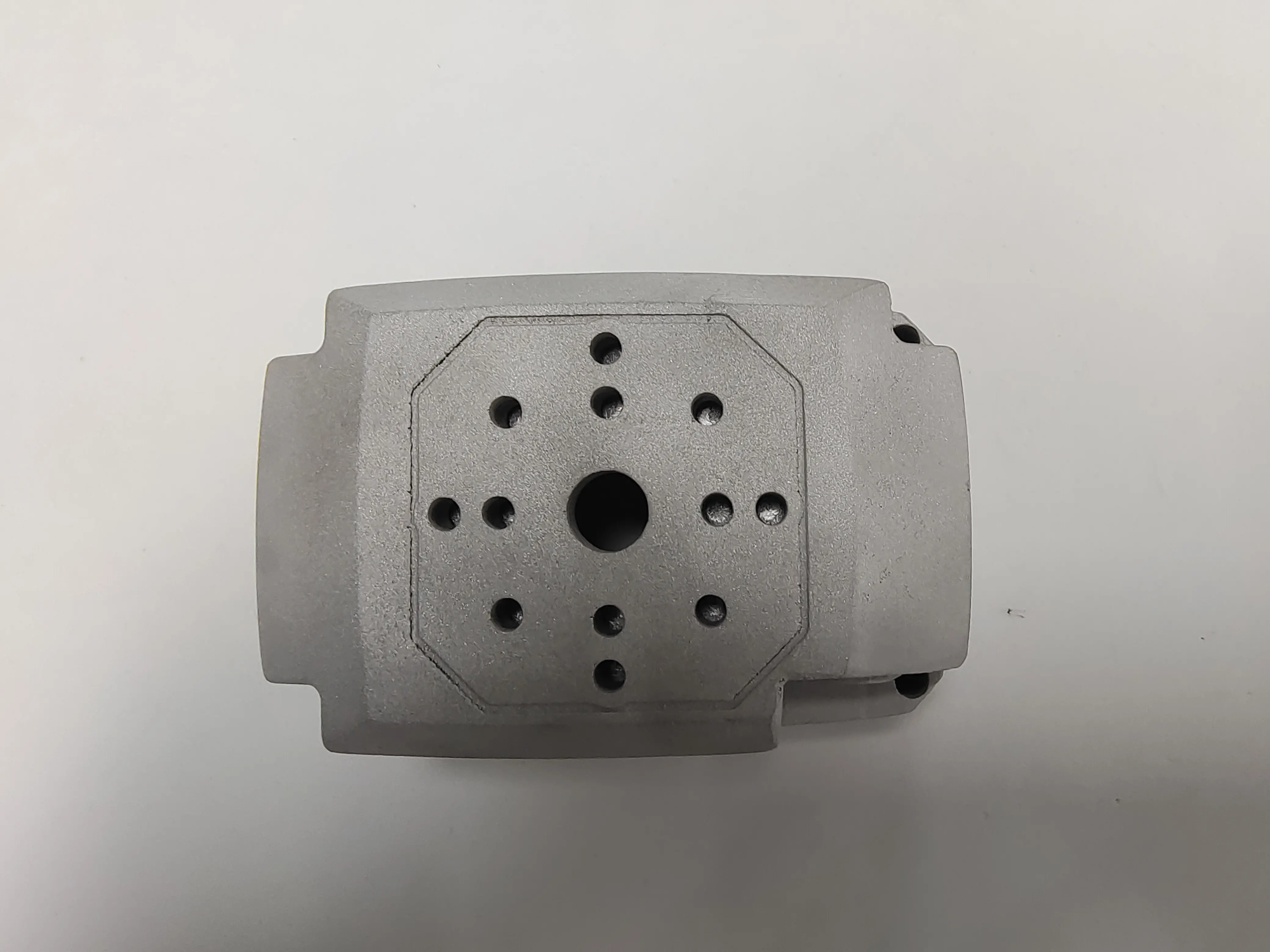
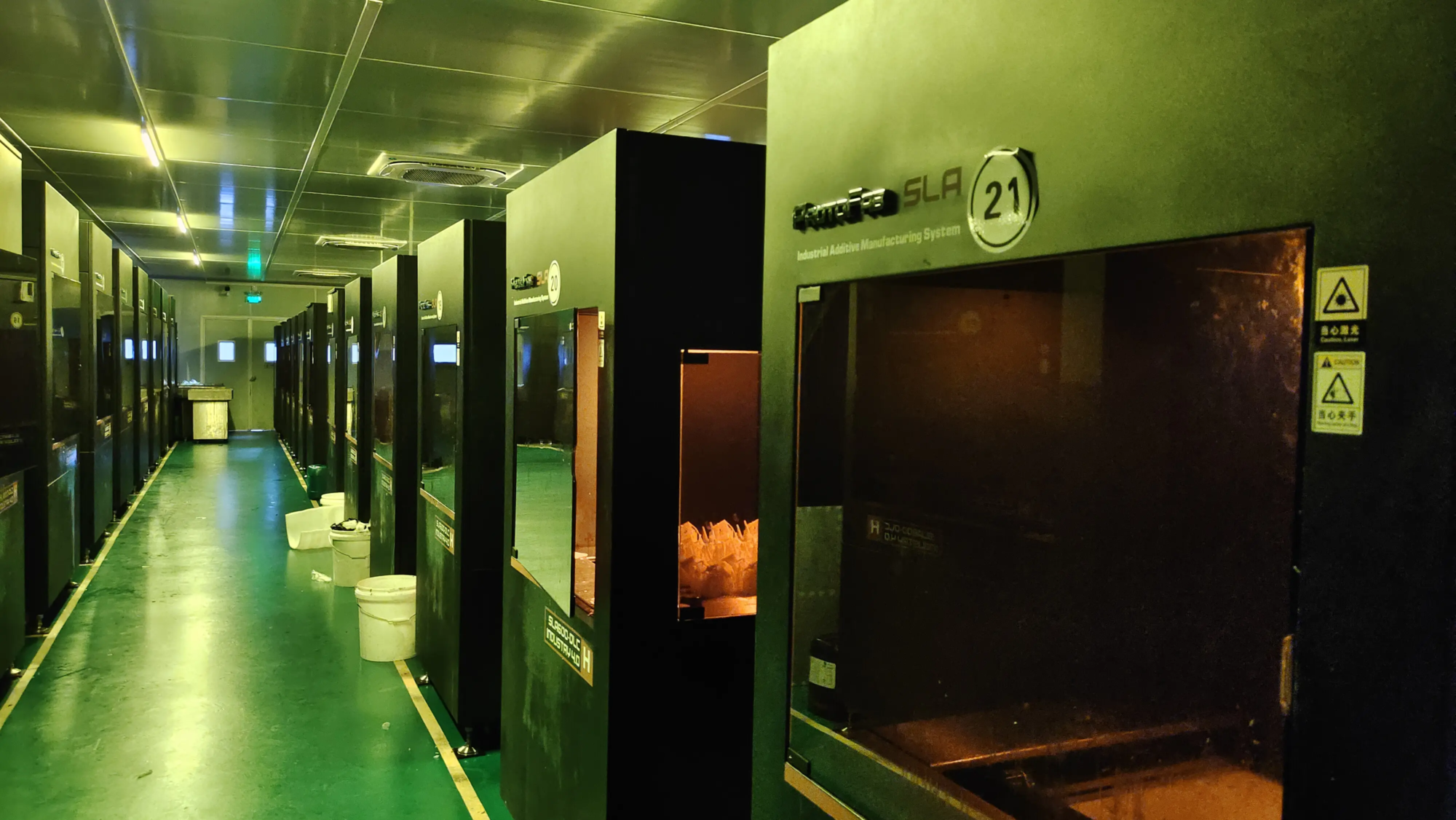
It’s important to differentiate between consumer-grade plastic printing and professional-grade metal additive manufacturing. company likes huge light Specialize Industrial metal 3D printing (SLM/DMLS/Ethods) Equipped with advanced SLS machines. They operate within strict legal frameworks and industry standards, producing Precision prototypes and end-use parts Ideal for demanding applications such as aerospace, medical implants, high-performance engines and complex tooling.
- contrast: Unlike downloadable home printing, GreatLight utilizes:
- Production grade metal alloys.
- A precisely calibrated SLM printer can achieve near full density.
- Comprehensive post-processing (heat treatment, HIP, precision CNC machining).
- Strict QA/QC procedures including dimensional inspection and material testing.
- Strictly adhere to compliance protocols and customer reviews.
Their focus is Legal, industrial and business innovationsolving complex engineering challenges that require strength, precision, and reliability—qualities apparently lacking in simple plastic guns printed from the web. Home printers simply lack the capabilities, materials science, or controlled environment to safely replicate this level of manufacturing fidelity.
Conclusion: The double-edged sword of technology
The decentralized access championed by platforms like Odysee collides explosively with the technical complexities and social norms of firearms. While there is power in sharing knowledge, sharing the means to create inherently dangerous and unreliable weapons carries unacceptable risks.
The allure of printing guns masks a stark reality: The technology is nowhere near sufficient to safely manufacture guns at the consumer level. The risk of catastrophic failure due to material defects and poor construction is extremely high. At the same time, the legal consequences of manufacturing or possessing such unregistered weapons are severe.
Professional metal 3D printing by companies like GreatLight takes place in an entirely different realm – precision, engineering rigor, regulatory compliance and legal industrial applications. This is in stark contrast to the dangerous experimentation that comes with unrestricted blueprint sharing. Understanding these differences and the inherent dangers of untested 3D printed firearms is critical to promoting a debate centered on safety, legality, and responsible technological advancement.
Frequently Asked Questions (FAQ)
Q: Is it legal to download gun blueprints from sites like Odysee?
A: Download the file itself possible Not illegal everywhere Howeverdepending on your location and local laws (although export control laws such as ITAR complicate the situation). However, use These documents are used to manufacture the actual firearm without the required license is illegal Almost all jurisdictions. It is also illegal to possess an unregistered firearm manufactured under these documents.
Q: Doesn’t the 3D printed gun look like "liberator" Reliable?
Answer: No. Designs like the Liberator were notoriously dangerous and highly unreliable. They are experimental proof-of-concepts, not functional "reliable" arms. They suffer from the inherent material weaknesses and structural flaws of printed plastic parts that are subjected to explosive pressures. Using them poses serious risks to the user.
Q: How is industrial metal 3D printing different?
Answer: A company like this huge light Process high-strength metal alloys (titanium, tool steels, high-temperature alloys) in controlled inert atmospheres using specialized selective laser melting (SLM/DMLS) machines worth hundreds of thousands of dollars. Parts undergo extensive post-processing including heat treatment (annealing, stress relief), hot isostatic pressing (HIP) and precision machining to achieve density, strength, dimensional accuracy and surface finish that meet strict industrial specifications. This bears no resemblance to desktop plastic printing.
Q: Can metal 3D printers make reliable guns?
A: Advanced metal additive manufacturing able It is possible to produce gun parts that meet strict quality standards, but only in highly regulated industrial settings:
- Deep engineering expertise and meticulous process control are required.
- Parts must undergo rigorous testing and verification (NDT, verification testing).
- Serialization and compliance with firearms manufacturing laws are mandatory.
- It remains complex, expensive and difficult for consumers to adopt.
Q: What is the biggest safety issue with printing guns?
one: Catastrophic failure. Plastic parts under the pressure of a firearm are prone to exploding or shattering when fired. This risk still exists even if design considerations are taken into account "Stronger." Pressure bottlenecks, thin layer adhesion, or material defects can cause the weapon to explode, causing serious injury.
Q: Are there legal uses for 3D printing related to firearms?
A: Licensed manufacturers, gunsmiths, and designers sometimes use 3D printing sparingly and under controlled conditions to quickly prototype ancillary parts (non-pressure-bearing parts such as grips, stocks, optic mounts, etc.) or specialized fixtures/gauge tools. Manufacturing critical pressure-containing components (barrels, bolts, slides, FCG housings) remains highly inadvisable without industrial processes and expertise. Platforms that facilitate uncontrolled distribution of complete gun designs significantly exacerbate the risk.