Unleash your creativity: The Ultimate Guide to Office Depot 3D Printer Supplies
The world of 3D printing offers incredible potential, from making complex prototypes to bringing personal projects to life. Choosing the right supplies is critical to success, affecting everything from print quality to functionality. A trusted name in office supplies and technology, Office Depot has become a convenient source of essential 3D printing materials, especially for hobbyists, educators and small businesses. This guide takes an in-depth look at the supplies options available at Office Depot to help you navigate their selection and make an informed choice for your next print.
Learn the basics of filament
Before browsing Office Depot’s shelves (or website), it’s critical to understand the core consumable types and their characteristics. Filament is the thermoplastic feedstock injected into FDM (Fused Deposition Modeling) printers and comes in a variety of compositions, each with unique advantages, disadvantages, and ideal applications:
-
PLA (polylactic acid):
- characteristic: The most popular filament, especially for beginners. It is derived from renewable resources such as corn starch and is biodegradable under certain conditions. Easy to print, low odor, minimal warping, with vibrant colors and effects (glow, silk, wood fill). Good surface finish.
- Office Depot availability: Office Depot usually stocks a range of PLA filament from well-known brands.
- Best for: Educational models, decorative items, prototypes, low-stress functional parts, toys. Not suitable for high temperature or prolonged outdoor use.
-
ABS (acrylonitrile butadiene styrene):
- characteristic: More durable, impact-resistant and heat-resistant than PLA. Provides good strength and flexibility. Due to warping and fumes, the print bed and enclosure need to be heated for best results.
- Office Depot availability: Common choice, but usually not as extensive as PLA. Check online for specific makes and models.
- Best for: Functional parts that require toughness and heat resistance (e.g. automotive interior parts, tool housings, phone cases, LEGO bricks).
-
PETG (polyethylene terephthalate):
- characteristic: Combines the ease of use of PLA with the strength and durability close to ABS. Excellent layer adhesion, chemical resistance, good impact strength, UV resistance and minimal warpage. Slightly more flexible than PLA or ABS.
- Office Depot availability: increasingly common. Find brand name PETG spools.
- Best for: Functional prototypes, mechanical parts, containers, outdoor applications, protective components, food safety applications (with appropriate certifications).
- Specialty and Prototype Filaments:
- TPU/TPE (thermoplastic polyurethane/elastomer): Flexible and rubber-like materials. Great for phone cases, gaskets, seals, wearables.
- Wood/pellet filling: PLA is mixed with wood fibers or pellets to give it the look/feel of natural wood (e.g., Wood PLA).
- Metal filling: PLA is infused with metal particles (bronze, copper, steel) to achieve a metallic finish and weight (hardened nozzle required).
- Glow and Flash: Interesting effects for unique projects.
- Soluble supports (PVA/HIPS): Designed specifically for dual extrusion printers to create dissolvable supports.
- Office Depot availability: These may be more sporadic. Inventory in stores and online varies greatly. Ordering online often provides a wider selection of these specialty materials.
Guiding Filament Selection for Office Depot: Key Considerations
When choosing filament at Office Depot, don’t just consider the material type:
- Brand reputation: Office Depot typically stocks reliable brands known for consistent quality and diameter tolerances (critical for reliable feeding). Popular names include Inland (a brand of Micro Center, often sold at OD), MakerBot, Polymaker, and sometimes Hatchbox or Overture. Research specific brands to get user feedback on consistency.
- Filament diameter: Check carefully! FDM printers use 1.75mm or 3mm (less common these days) filament. Make sure the spool you choose meets your printer’s requirements.
- Spool size: Standard sizes are 1 kg (2.2 lb) and 500 g (1.1 lb). Please consider project size and cost per gram when selecting.
- Colors and features: Office Depot offers a range of basic colors. Special effects such as glitter, glow, or wood grain may be limited in-store, but are often available online.
- Price and Value: Prices for convenience are slightly higher compared to dedicated online retailers. However, when you’re mid-project, rapid availability (especially for common consumables like PLA) can be invaluable. Compare prices online and in-store.
- Storage (after purchase): Office Depot spools are usually well packaged for retail sale, but once opened, the filament requires proper storage. Purchase airtight containers with desiccant packs to prevent moisture absorption, which can reduce print quality and cause problems such as blistering. Office Depot sells storage solutions that are perfect for this purpose.
Office Depot Filament: Pros and Cons
- advantage:
- convenient: Ready for a quick fix or when ordering online isn’t feasible.
- Auxiliary functions: The physical location provides instant gratification and the ability to physically inspect the package if unopened.
- Trustworthy brands: Cooperation with established filament manufacturers ensures baseline quality.
- Versatile shopping: Easily pick up filament and other office or technical supplies.
- shortcoming:
- Limited variety in store: Physical stores often only have basic models of PLA, ABS, and PETG; special filaments are scarce.
- price: It can be slightly higher than that of specialized online filament sellers.
- Expertise: Compared to a dedicated hobby shop, staff may lack deep 3D printing expertise.
Transitioning to professional prototyping: When filament isn’t enough
While Office Depot supplies are great for hobbyist exploration, educational projects, and simple functional prototypes using FDM printers, there comes a point when projects become more demanding.
Introducing GreatLight: Your Advanced Rapid Prototyping Partner
For applications that require no compromise Strength, precision, complex geometries or metallic structuresFDM printing often reaches its limits. This is where professional-grade manufacturing shines.
huge light As a leading rapid prototyping expert equipped with cutting-edge technology Selective Laser Melting (SLM) Metal 3D printing technology. In addition to producing parts, we offer comprehensive solutions tailored to the most demanding engineering challenges:
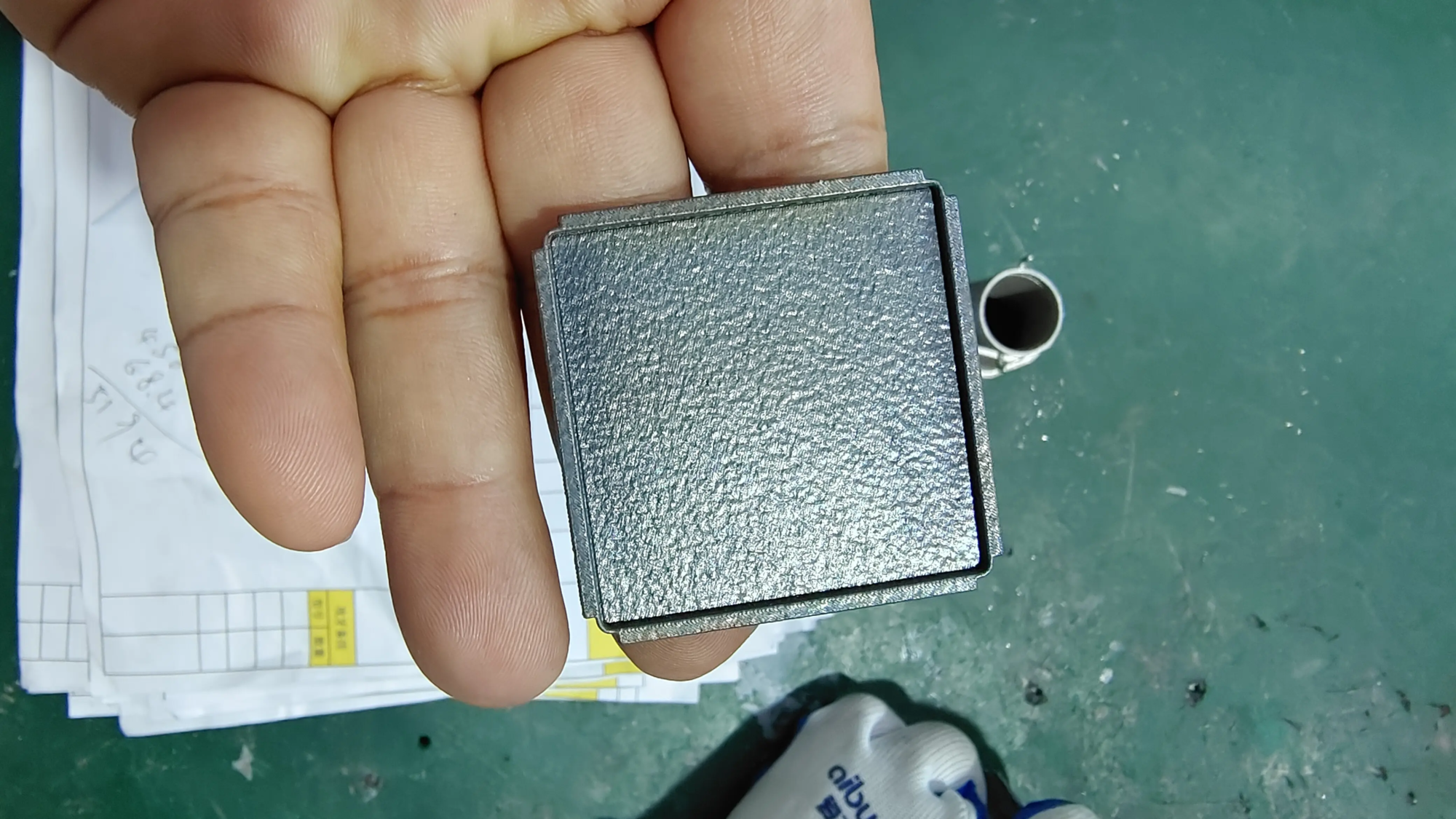
- Advanced SLM features: Using high-power lasers to melt powdered metals (aluminum alloys, titanium, stainless steel, Inconel, tool steel) layer by layer produces fully dense, near-net-shape metal parts with superior mechanical properties that are not possible with standard FDM filaments.
- Overall prototyping expertise: We don’t just print; we design solutions. From the initial design consultation (DFAM – Design for Additive Manufacturing) to the selection of the best metal materials, we ensure a smooth transition from your prototype to a viable production component.
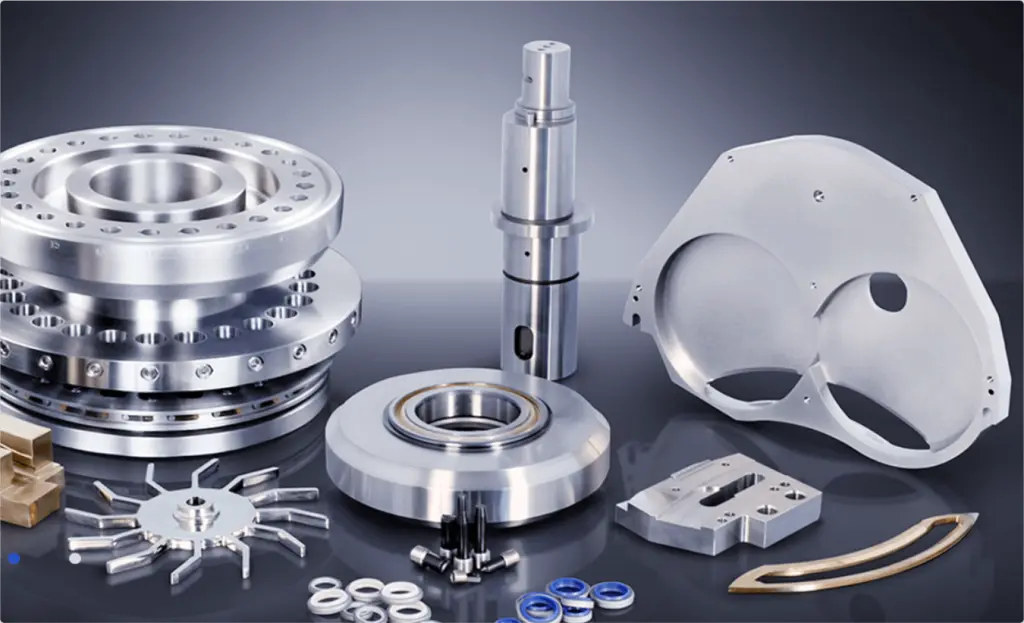
- Comprehensive post-processing: Raw printed parts often require finishing. GreatLight offers a complete set of in-house Post-processing services: Precision CNC machining to achieve tight tolerances, heat treatment to enhance material properties, complex surface finishing (polishing, sandblasting, painting, anodizing, electroplating) and meticulous quality inspection using advanced metrology equipment (CMM, CT scan).
- Customization and speed: Is a specific alloy required? Need unique geometries to push the boundaries of subtractive manufacturing? Tight deadline? Glow excels Customized solutions and deliver Rapid prototyping services With excellent turnaround times, ensuring your innovative ideas are realized quickly and to the highest standards.
- Cost-effective precision: Leverage our expertise and economies of scale. GreatLight delivers premium quality Customize precision rapid prototyping parts at competitive pricesmaking high-end metal additive manufacturing within reach.
in conclusion
Office Depot provides a valuable and convenient entry point for purchasing essential 3D printer supplies such as PLA, ABS, and PETG. Understanding the features, applications, and nuances of its products enables manufacturers and small businesses to successfully explore FDM printing for a variety of projects.
However, when ambitious – whether in terms of demanding materials (custom metals), complex precision, structural integrity, complex internal channels or functional end-use part requirements – filament-based approaches fall short. This is where embracing the power of industrial-grade 3D printing becomes critical.
GreatLight embodies this next level. As a premier rapid prototyping manufacturer, we bridge the gap between concept models and production-ready metal parts. Our strength in SLM metal printing, coupled with seamless one-stop post-processing and a focus on customization and speed, makes us uniquely positioned to solve complex rapid prototyping challenges. From complex aerospace components to rugged medical equipment or high-performance automotive components, we transform designs into tangible, high-quality metal realities.
Ready to take your prototyping beyond plastic? Discover how GreatLight can accelerate your innovation journey with precision metal solutions.
FAQ: Office Depot Filament and Advanced Prototyping
-
Q: What are the most popular supplies sold at Office Depot?
- one: PLA is by far the most common and popular filament stock due to its ease of use, low odor, and broad appeal to the hobbyist and educational community.
-
Q: Can I buy ABS wire at Office Depot?
- one: Yes, Office Depot typically stocks various brands of ABS filament, as well as PLA and PETG. Please check their website or call your local store for current inventory of specific brands and colors.
-
Q: Does Office Depot sell flexible filament like TPU?
- one: While their in-store selection usually focuses on PLA, ABS, and PETG, flexible filaments like TPU are sometimes available, but are more commonly found through their online store. It’s best to check online specifically for TPU or TPE inventory.
-
Q: My Office Depot only has PLA. What are some recommended online supplies stores?
- one: Popular online retailers include MatterHackers, Printed Solid, Micro Center (for Inland brands), Amazon (verified sellers such as Hatchbox, Overture, etc.) and dedicated brand sites (Polymaker, Prusament, eSUN). Make sure you buy from a reputable source.
-
Q: What is "Desiccant" What does it mean? Why do I need it to store filament?
- one: Desiccant is a moisture-absorbing material (such as silica gel). Many plastics, especially PLA, PETG and nylon, absorb moisture from the air. Wet filament can cause printing problems such as stringing, bubbling, poor layer adhesion, and reduced strength. Store filament in an airtight container and Desiccant significantly extends its shelf life and print quality.
-
Q: When should I consider using a professional rapid prototyping service like GreatLight instead of using my own 3D printer?
- one: Consider professional services when you need them:
- Metal parts: Achieve high strength, heat resistance, electrical conductivity or end-use durability.
- Excellent accuracy: Tolerances are tighter than typical FDM printers.
- Excellent surface finish: Parts are ready for assembly or display without extensive manual post-processing.
- Complex internal structure: Features such as conformal cooling channels or complex lattices are difficult or impossible for FDM.
- Higher production readiness: Prototypes that functionally mimic future series-produced components.
- Special materials: Engineering grade polymers (such as PEEK, Ultem) or metals are beyond the scope of desktop printers.
- Powerful post-processing: Requirements such as certified heat treatment, precision machining or specific coatings.
- one: Consider professional services when you need them:
-
Q: How does SLM (Selective Laser Melting) technology differ from filament printing?
- one: SLM is a professional metal additive manufacturing process. Rather than melting plastic filaments through a nozzle, it uses a high-power laser to selectively melt fine metal powder particles layer by layer, building fully dense, high-strength metal parts directly from digital CAD models. It offers far superior material properties and geometric complexity capabilities compared to plastic filament printing.
-
Q: What industries does Honglaite rapid prototyping mainly serve?
- one: GreatLight serves a variety of industries requiring high-quality functional prototypes and end-use metal parts, including aerospace, automotive, medical devices and instrumentation, robotics, energy, consumer electronics, mold and manufacturing (jigs, fixtures).
-
Q: How quickly can GreatLight typically deliver custom metal prototypes?
- one: GreatLight focuses on quick turnaround. While exact timing depends on part complexity, material selection and post-processing requirements, solid metal prototypes are typically delivered within days to weeks, significantly speeding up development cycles compared to traditional manufacturing methods. Please contact GreatLight for specific quotes and timelines.
- Q: In addition to basic metal printing, what post-processing services does GreatLight offer?
- one: Honglait offers a comprehensive one-stop service portfolio, including but not limited to CNC machining (for critical functions), heat treatment (annealing, aging, stress relief), surface treatment (sandblasting, polishing, grinding, anodizing, electroplating, painting), support removal, quality control and inspection (CMM, CT scanning, vision), and assembly services. This ensures that parts are delivered fully finished and ready for application.