Leading the future of manufacturing: why commissioning professional 3D printing is crucial
The product development and manufacturing landscape is undergoing a revolution. Gone are the days when creating complex prototypes or functional metal parts required months of lead times and high tooling costs. Advanced technologies such as metal 3D printing, especially Selective Laser Melting (SLM)has become a game changer, enabling unprecedented design freedom, speed and precision. However, realizing the true potential of these technologies requires more than just a desktop printer; It requires collaboration with expertise. This is where commissioning professional 3D printing services becomes not just an option, but a strategic necessity.
The power of professional metal additive manufacturing
Commissioning mature rapid prototyping manufacturers’ 3D prints goes beyond simple part production. It involves leveraging a complex ecosystem of technology, materials science and engineering knowledge to transform your concepts into tangible, functional realities.
Leading suppliers such as huge lightutilizing state-of-the-art industrial-grade SLM printers. SLM works by using a high-power laser beam to meticulously fuse fine metal powders layer by layer, building fully dense, complex geometries that are far beyond the capabilities of subtractive machining. This technology excels at rapid prototyping of metal parts, with the following key benefits:
- Design Liberation: Create complex internal channels, lightweight meshes, organic shapes, and integrated components that cannot be machined with traditional machining methods.
- Speed to market: Dramatically shorten prototyping cycles from weeks/months to days/hours. Quickly iterate designs based on real-world test feedback.
- Material properties: Use high-performance alloys such as titanium (Ti6Al4V), stainless steel (316L, 17-4PH), Inconel (718, 625), aluminum alloy (AlSi10Mg) and cobalt-chromium alloy. These materials provide strength, heat resistance, corrosion resistance and biocompatibility, which are critical for demanding applications in aerospace, automotive, medical devices and energy.
- Reduce waste: AM is fundamentally about additive manufacturing—material is deposited only where needed—minimizing waste compared to machining from a solid block.
Beyond printing: the key role of post-processing
A professional commission does not end once printing is complete. The real value lies in seamlessly integrating experts Post-processing and finishing services. GreatLight embodies this one-stop approach, handling all necessary steps to deliver parts ready for end use or further evaluation:
- Support removal: Precisely remove the structures required during printing.
- Heat treatment: Processes such as stress relief or hot isostatic pressing (HIP) enhance material properties and eliminate internal stress/porosity.
- Surface treatment: Techniques include machining, polishing, sandblasting, anodizing (for aluminum), electropolishing and electroplating to achieve desired functional or aesthetic surface quality and dimensional tolerances.
- Non-destructive testing (NDT): Optional inspection services, such as X-ray CT scans, verify internal integrity and dimensional accuracy according to strict standards.
This holistic approach eliminates supply chain complexity, ensures quality consistency, and significantly accelerates your overall project timeline.
Why collaboration matters: Expertise that can’t be ignored
Commissioning 3D printing is about entrusting complex manufacturing to experienced experts. Reputable companies such as huge lightrecognized as a leader china rapid prototyping companybringing indispensable assets:
- Deep technical mastery: Expertise in optimizing printing parameters (laser power, scan speed, layer thickness) for different materials and geometries ensures optimal part density, mechanical properties and surface finish.
- Design for Additive Manufacturing (DfAM) Insights: Work with engineers experienced in DfAM principles to optimize your design specifically for the SLM process – reducing cost, minimizing supports and maximizing performance.
- Material optimization: A guide to selecting the best metal alloy for your functional requirements and cost goals, often supporting custom options.
- Strict quality control: Implement robust QA/QC protocols throughout the entire workflow to ensure dimensional accuracy, metallurgical integrity, and compliance with specifications.
- Speed and scalability: Leverage advanced equipment and optimized workflows to achieve rapid turnaround of prototypes and scalable production of low to mid-volume volumes.
Conclusion: Unleashing potential with professional commissioning
In today’s competitive environment, speed, agility and innovation are critical. Commissioning professional 3D printing services, especially for complex metal parts, is no longer a niche luxury but a key strategic lever. Work with specialist manufacturers e.g. huge light Providing cutting-edge SLM technology, a broad material portfolio, indispensable engineering guidance and comprehensive post-processing – all under one roof. This integrated approach ensures unparalleled accuracy, speed, cost-effectiveness and reliability for your rapid prototyping needs. Don’t just print a part; commission solutions designed to drive your innovation.
Commission your next innovative metal prototyping project with GreatLight today and experience the difference expertise and advanced technology make.
Frequently Asked Questions (FAQ) about debugging 3D printing
Question 1: What types of industries typically benefit from metal 3D printing debugging?
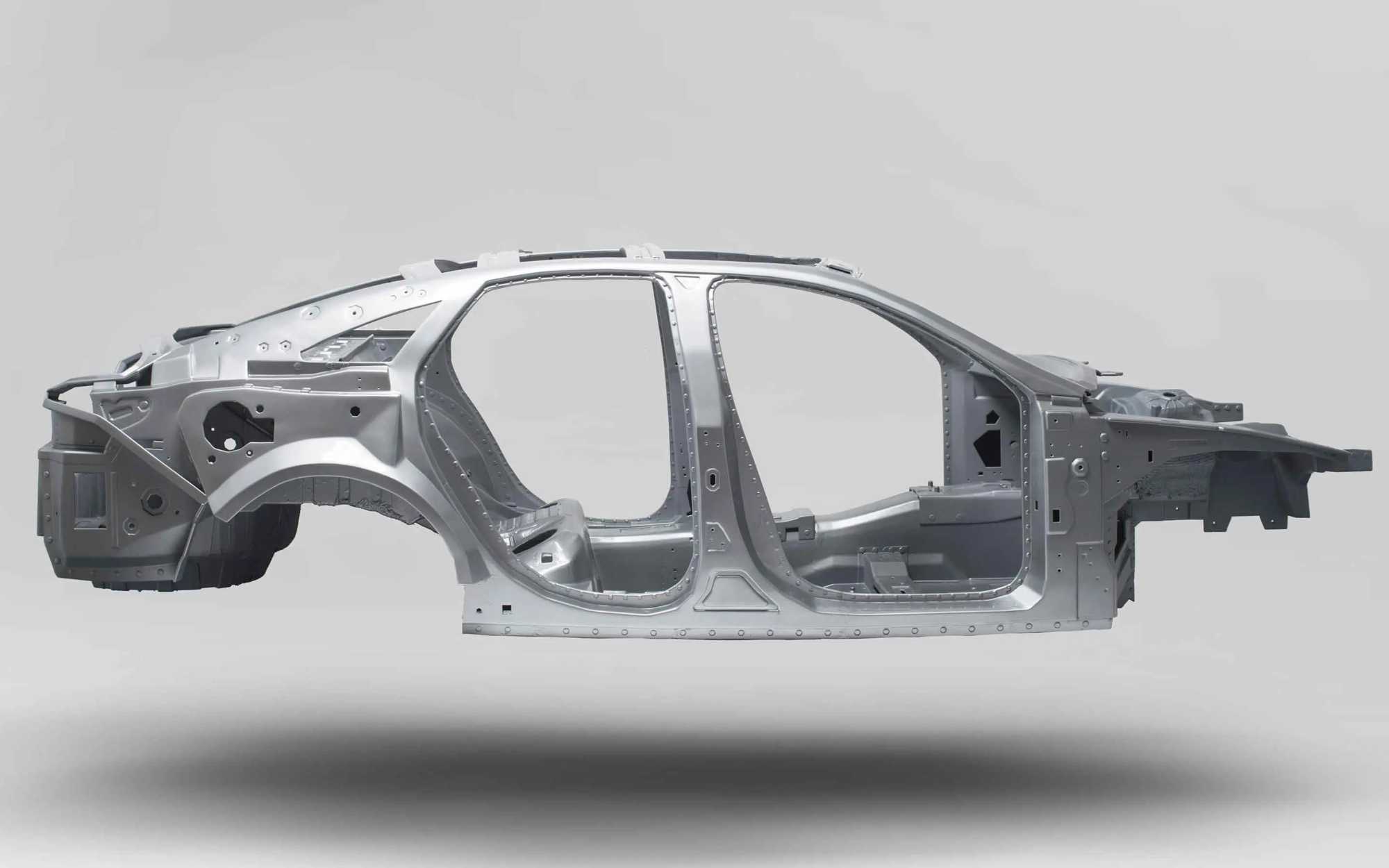
A1: Industries that require complex, high-strength or custom metal parts see tremendous value. This includes aerospace (flight-critical components, lightweight structures), medical and dental (custom implants, surgical instruments), automotive (high-performance components, jigs and fixtures), oil and gas (corrosion-resistant downhole tools), industrial machinery (complex internal structures, wear parts) and energy (turbine blades, heat exchangers).
Q2: What materials can I use to print parts?
A2: Professional services like GreatLight offer a range of high-performance metals tailored specifically for SLM:
- Titanium alloy: Ti6Al4V (level 5, level 23), Ti CP
- Stainless steel: 316L, 17-4PH, 15-5PH, 304L
- Nickel superalloys: Inconel 718, Inconel 625, Hastelloy X
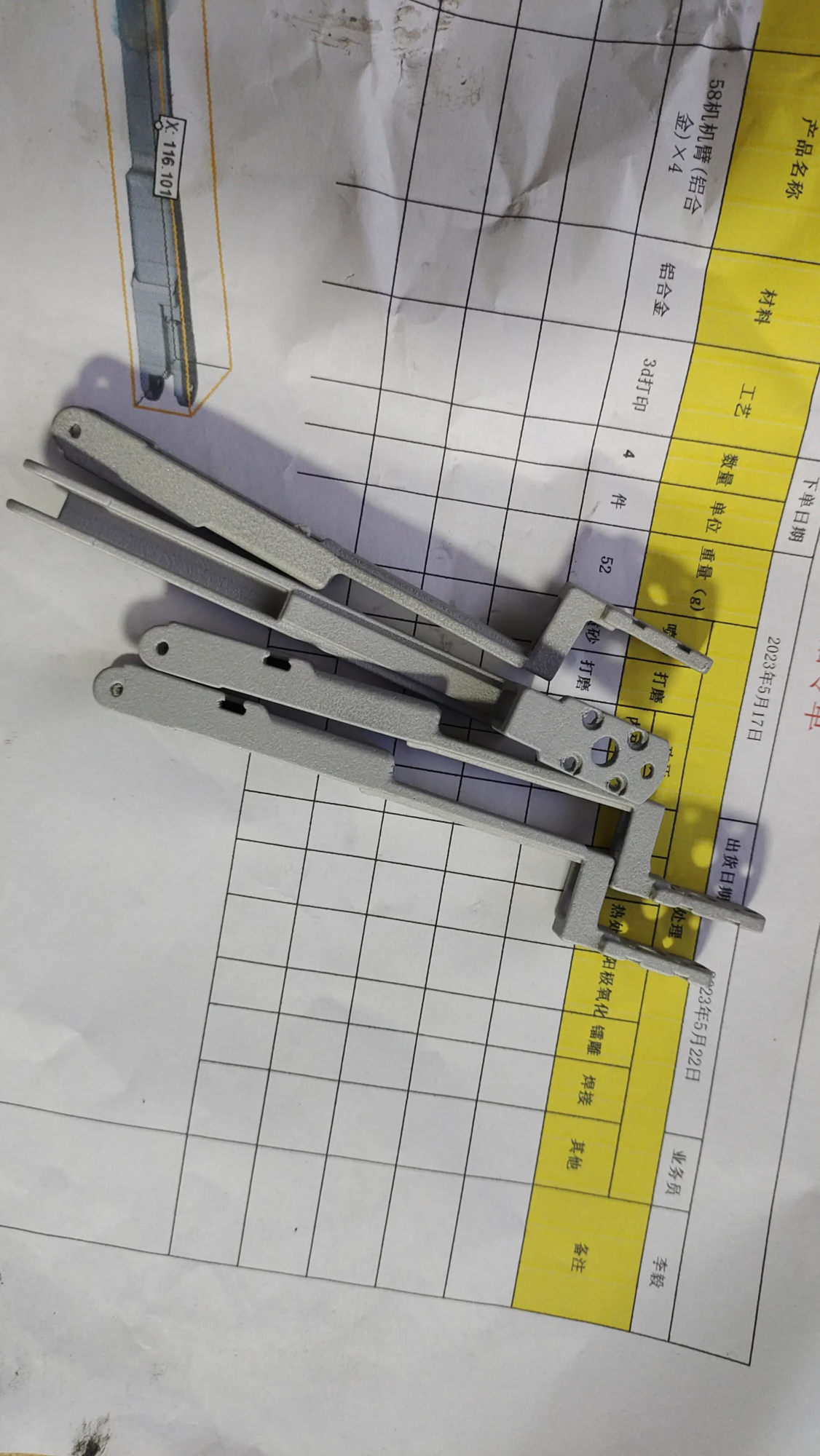
- Aluminum alloy: AlSi10Mg, AlSi7Mg
- Tool steel: H13, maraging steel (MS1)
- Cobalt Chromium Alloy: CoCrMo
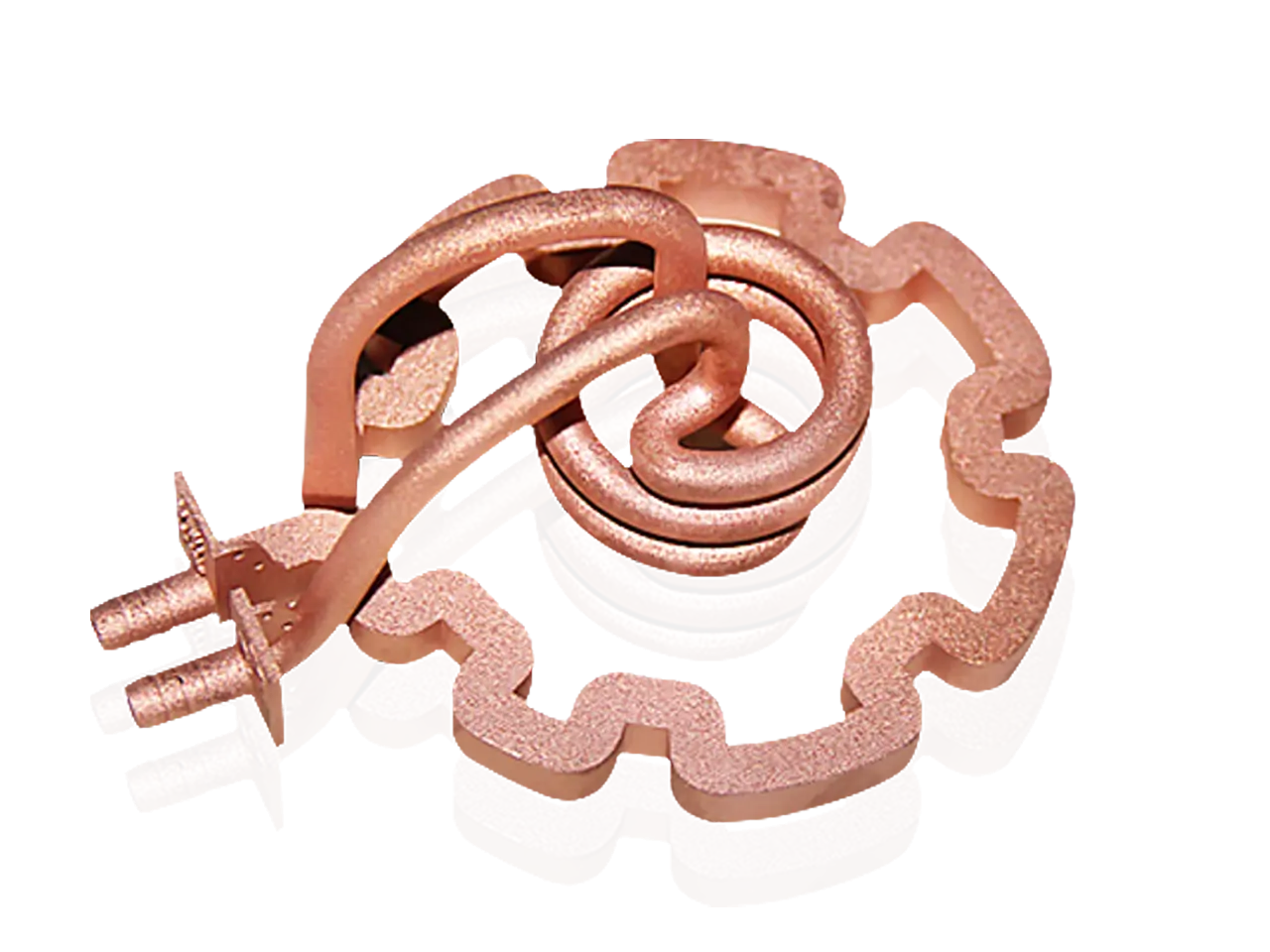
- Copper alloy: pure copper, CuCrZr
Custom material requests can usually be made.
Question 3: How fast is “rapid prototyping” with metal 3D printing?
A3: Although the machining speed of complex parts is significantly faster than traditional machining, it is true that "Rapidity" Depends on part size, complexity, volume and post-processing required. Professional services prioritize turnaround. Simple prototypes ship within 2-5 business days after design approval; more complex projects that require intensive completion may take 1-2 weeks. This is still much faster than the tool-driven approach.
Q4: Are the commissioned metal 3D printed parts strong enough for functional use?
A4: Of course. SLM produces parts to near full density (typically >99.5%), which means that their mechanical properties (tensile strength, fatigue life) meet or exceed those of equivalent forged materials after appropriate heat treatment. SLM is widely used in critical industries for functional prototyping and even direct production of end-use parts.
Q5: How to ensure that my design is suitable for SLM printing?
A5: This is where partner expertise is critical. Reputable manufacturers offer Design for Additive Manufacturing (DfAM) consulting. They analyze your CAD model, provide recommendations on best orientations to minimize supports, recommend design modifications to enhance printability/reduce cost (e.g. wall thickness, overhang angles, hole geometry), and provide simulation insights. Work together early for the best results.
Q6: What format of files do I need to provide?
A6: The generally accepted standard format is STL (Standard Tessellation Language). Make sure your CAD models are exported as high-resolution STL files. Some vendors may also accept native CAD formats (e.g. STEP, IGES) for in-house conversion, but STL remains the safest option.
Q7: How much is the debugging fee for metal 3D printing?
A7: Cost depends on several factors: quantity of material used (part size/density), material selection (precious metals cost more), labor intensity (support structure, complexity), level of post-processing required and order quantity. A major benefit of professional commissioning is cost optimization – experts help minimize waste and increase efficiency. Requesting a quote directly from the service provider using an STL file is the most accurate method. Many, like GreatLight, are known for offering Competitive pricing without affecting quality or speed.
Q8: What level of surface finish and dimensional accuracy can I expect?
A8: Printed SLM parts have a unique rough surface texture and an inherent tolerance of approximately ±0.1-0.2%, with a lower limit of approximately ±0.1 mm. However, through skilled Post-processingallowing for significantly tighter tolerances (machining) and improved surface finishes (polishing, sandblasting, etc.). Discuss your specific requirements with the manufacturer in advance.
Q9: Can Professional Services handle larger volume production rather than just prototyping?
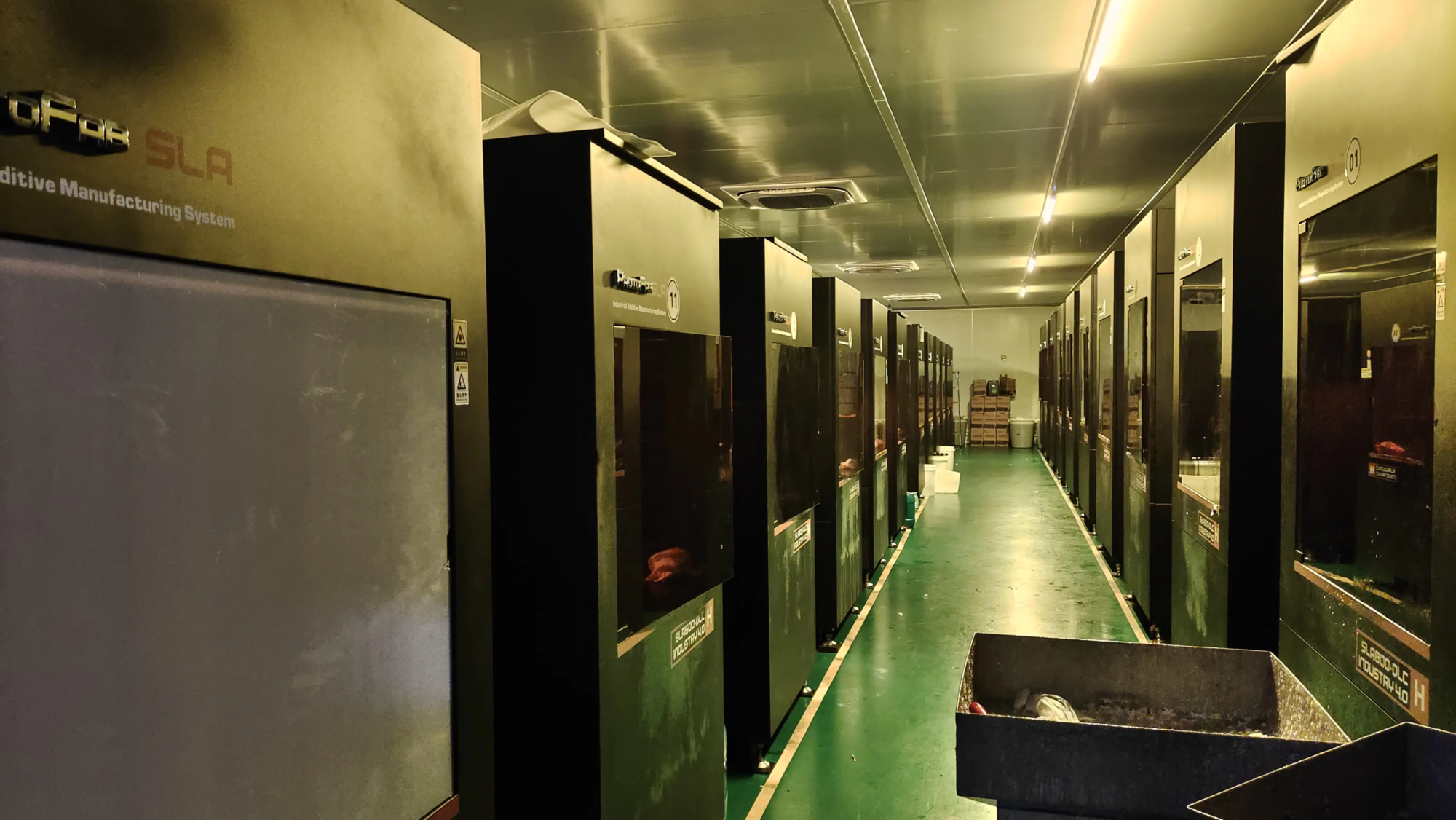
A9: Yes! One of the main advantages of SLM and professional services is Mass production capacity. Services are not limited to a single prototype. Manufacturers equipped with multiple printers and optimized workflows can efficiently produce small to medium-sized batches (tens, hundreds, or thousands of parts), bridging the gap between prototyping and mass production.