Clearing up the chaos: How custom toolbox STL can transform your 3D printing workflow
If you’re deep into the world of 3D printing, you’ve no doubt experienced the aftermath of a creative sprint: benches buried under spools, nozzles hidden in corners, calipers tangled with hex keys, and tiny parts scattered like confetti. Not only is this confusion frustrating, it reduces productivity and risks damaging delicate components. Thankfully, 3D printing offers a great meta-solution: print your own custom organizing system. enter ToolboxSTL— A versatile, printable organizer designed to simplify your workspace and increase your productivity.
Why tissue is important in 3D printing
Cluttered spaces can lead to wasted time, misplaced tools, and poor print quality. Imagine having a 12-hour print interrupted because you couldn’t find a specific wrench or lost a critical screw in the shuffle. For professionals who prototype functional parts, this confusion can escalate into costly mistakes. Structured organization:
- save time: Less hunting, more creating.
- protect investment: Proper storage can extend the life of your tools.
- Improve accuracy: Calipers, probes and nozzles remain calibrated when stored safely.
- Reduce stress: A tidy workspace improves concentration.
Introducing Tool Box STL: Your digital manager
Tool Box STL is a parametric CAD file (usually shared as STL or STEP) that allows you to 3D print modular compartments for tools, hardware, and microprints. Unlike ordinary storage boxes, these boxes are designed Created by makers, for makerswith customization as the core. Here’s why they’re revolutionary:
Main features:
- Parametric design: Adjust dimensions to fit precise tool dimensions via microtome settings or CAD software – supports everything from tiny screws to bulky drives.
- Modular stackability: Interlocking lid and base allow you to build vertical storage towers to maximize desk space.
- Special pallet: Nozzle, bearings, electronics (Pi board, sensor), filament samples and calibration tool section.
- Material flexibility: Printed with PETG for durability, TPU for shock absorption, or recycled PLA for sustainability.
- Accessibility first: Label slots, removable dividers and clear design provide instant visibility.
How to deploy a toolbox system: a step-by-step guide
- Get your STL: Find customizable designs on platforms like Printables or Thingiverse (search "Parametric toolbox"). Choose folders with an adjustable grid of compartments.
- Custom size: Use CAD tools (Fusion 360, Tinkercad) or slicer scaling to adjust the bay size for a specific tool. Example: Scaling the Z-height to accommodate tall Allen wipers.
- strategic printing:
- wall: 3+ layers, 25% infill for stiffness.
- direction: The printing base faces down to make the carriage floor smooth.
- Material: Use PETG for chemical/shock resistance where tools may come into contact with solvents.
- Post-processing: Use sandpaper to smooth down rough edges; use inserts such as foam or magnets for sensitive electronics.
- Organize intuitively: Grouped by frequency – everyday tools (knives, tweezers) in the top tray, niche items (nozzles, spacers) below.
GreatLight’s professional-grade solutions
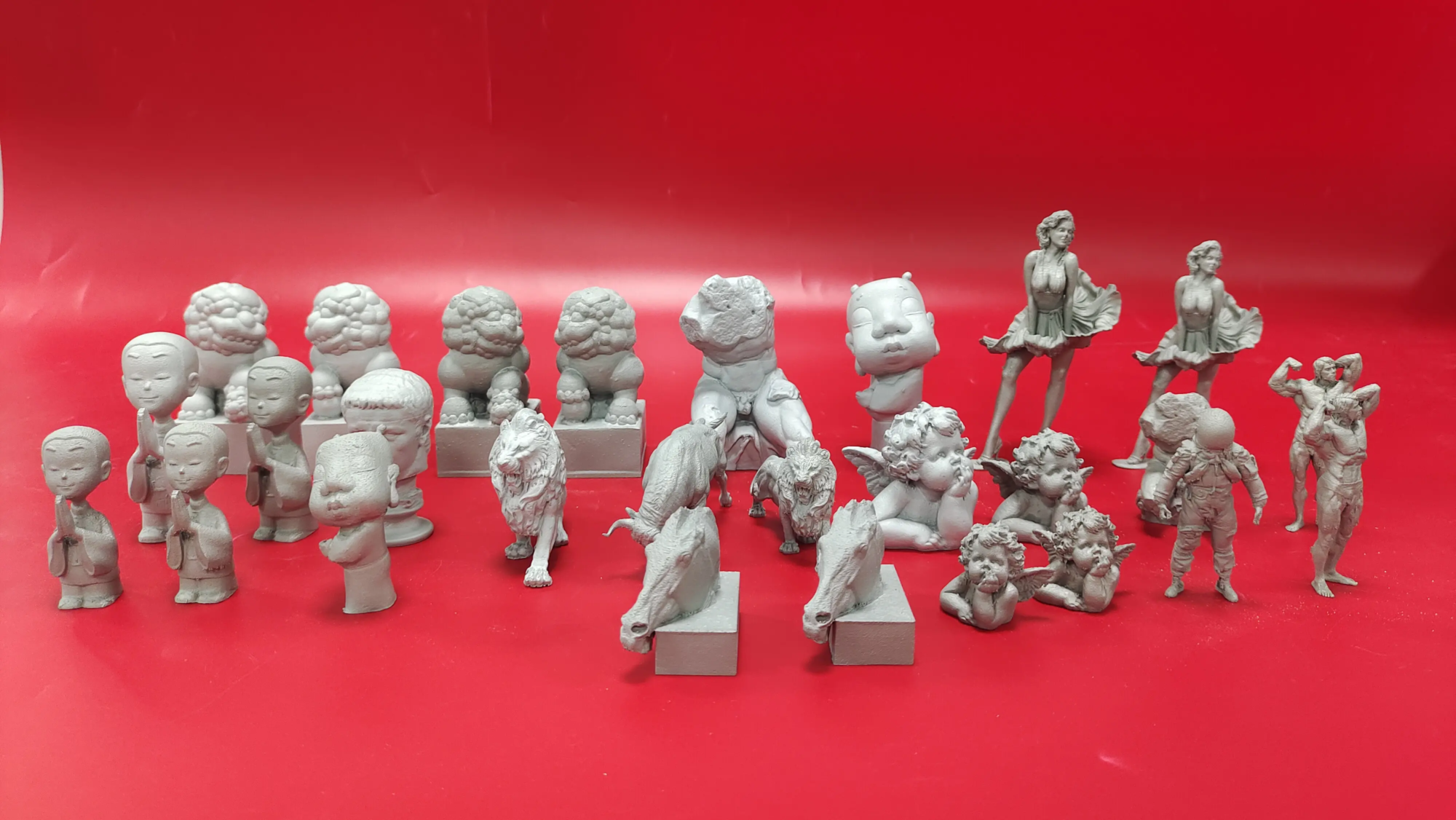
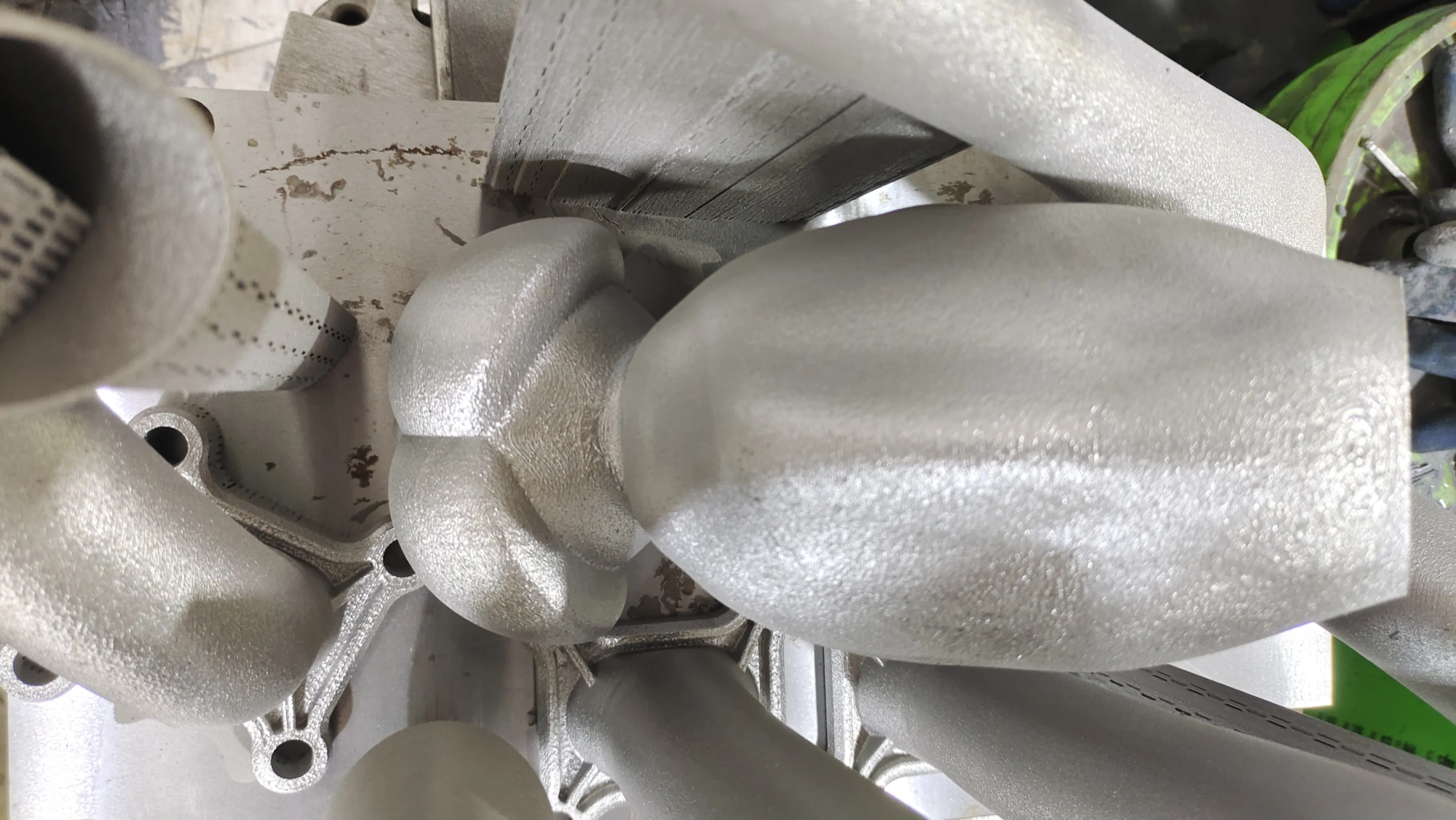
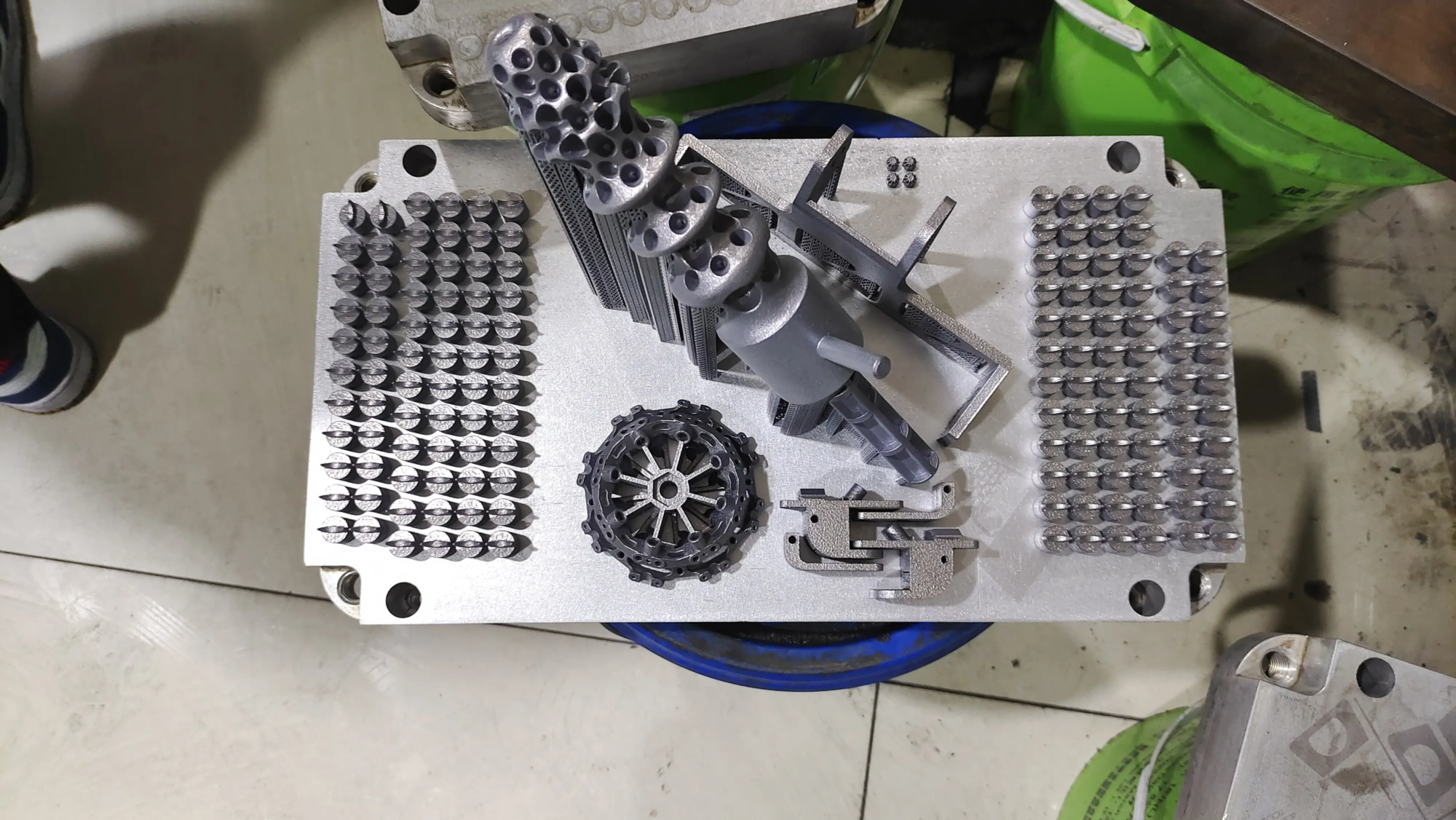
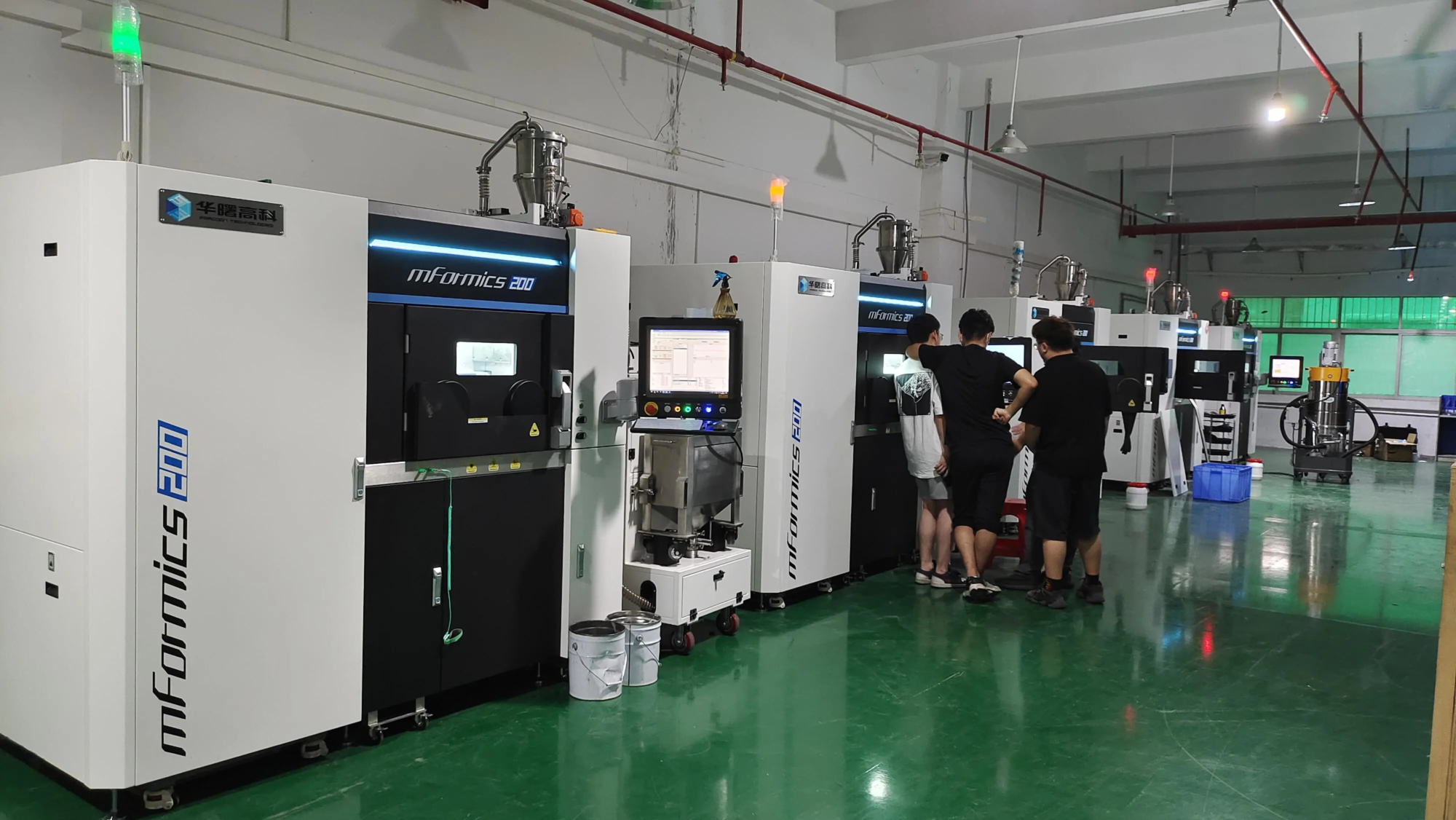
While DIY kits are great for everyday tinkering, complex or mission-critical projects require industrial rigor. where is this huge lightthe leader in rapid prototyping, bridges this gap. Specialize in Metal 3D printing (SLM), advanced finishing and precision machining, GreatLight transforms messy concepts into flawless realities.
Why work with Gretel?
- Cutting-edge SLM printer: Manufacturing complex high-strength metal parts (stainless steel, titanium) with tolerances up to ±0.05mm.
- End-to-end service: From prototyping to post-processing (heat treatment, polishing, coating) – all under one roof.
- Material mastery: Rapid custom sourcing—including aerospace alloys and medical-grade metals.
- Speed and scalability: 24-hour expedited prototyping and seamless transition to production batches.
- Excellent diet: Trusted by Fortune 500 companies for strict quality control (ISO 9001) and engineering expertise.
GreatLight has proven to be indispensable for projects that require:
- Functional metal prototypes (gears, brackets, fluid manifolds).
- Clamps/fixtures capable of withstanding the pressures on the factory floor.
- Customized housings for electronic products with EMI shielding.
in conclusion
Chaos may be inherent to innovation, but it shouldn’t destroy it. Printed Tool Box STL keeps your creative process organized – saving time, protecting tools and improving your workflow. For enthusiasts, it’s a game changer; for professionals facing complex challenges, GreatLight offers heavy-duty artillery and its precision metal prototyping and finishing capabilities. Whether you’re organizing a small screwdriver or launching a product line, structure leads to success. So fire up the printer (or your supplier portal) and turn confusion into clarity.
Ready to print? Design your box and share it with the community – we’d love to see your creations!
FAQ: Organizing 3D printing with Tool Box STL
Q1: Can I print Tool Box STL on any printer?
Answer: Yes! Most toolbox STLs are suitable for FDM. Bed sizes as small as 120x120mm can handle sectional designs. For ultra-fine dividers, resin printers improve accuracy.
Q2: How to customize the compartment?
Answer: Use parametric controls in CAD: Edit sketch dimensions. In slicers like Cura, compartment depth can be adjusted by scaling by axis. First try calibrating the cube!
Q3: What filament is best?
one: polyethylene terephthalate is ideal (durable, chemical resistant). Avoid using PLA with heavy tools—it will creep under pressure. TPU is suitable for protecting plug-ins.
Q4: Can Glow professionally print these tool boxes?
Answer: Of course. Their SLM printers can create aluminum or steel boxes for industrial use that are more heat/impact resistant than consumer plastics.
Q5: How to label the compartments?
A: Use embedded tags Variable layer height text When printing or gluing on laser etched plates. For metal boxes, GreatLight offers permanent engraving.
Q6: Is it cost-effective to organize small screws?
Answer: Yes! Printable boxes cost pennies compared to commercial organizers. For high-value components, such as piezoelectric components, the importance of prevention far outweighs the cost of replacement.
Q7: What if I need a box that can withstand chemicals or extreme heat?
A: Print with resin/PEKK filament or select metal via GreatLight. Their PEEK or titanium boxes can withstand harsh environments.
Q8: Can GreatLight handle large tool organization systems?
A: Yes, they typically provide enterprise customers with custom machined modular racks with integrated RFID tracking.
By combining DIY ingenuity with professional prototyping capabilities, chaos becomes a solvable equation. Leverage synergies and move toward a productive future.