introduce
Imagine starting a complicated 3D printing just before bed, just realizing it won’t be done until dawn. Should you pause overnight to mitigate risks such as fire hazards or noise, or leave it unattended? This dilemma is common among amateurs and professionals. As a leader in industrial additive manufacturing, Great Process printing for customers around the world for multiple days every day. Here we dissect the science, risks and best practices of pausing 3D prints, especially overnight so you can make informed decisions.
Why pause? reason
- Safety: Minimize unattended operations (fire risk).
- Noise/comfortable: The printer can be disturbed during sleep or work.
- Energy saving:Power the heater overnight.
However, pause is not just about pressing a button. This process can affect printing integrity, especially with the use of thermally sensitive materials such as ABS or Nylon.
Technical Reality: What happens when you press "pause"?
Pause to stop the printhead and may disable the heater. Here’s what’s happening inside:
- Temperature drops:
- When recovering, nozzle cooling can cause filaments to cure, risk clogging or poor layer fusion.
- Bed cooling (±20°C+) triggers warping due to uneven shrinkage.
- Mechanical movement:
- Stepper motor DePower, may place the printhead at 0.1-0.5mm.
- Platform vibrations (e.g., doors that hit doors) can replace the model.
- Material degradation:
- Materials such as TPU absorb moisture overnight; hygroscopic wire becomes fragile.
Greglight Insight: In our SLM metal printers, pauses are strictly avoided. Thermal gradient causes residual stress to damage the integrity of the lattice structure. Although desktop FDM printers are tolerant, physics remains consistent.
Pause or not? risk assessment
✅Acceptable cases
- In a low pink environment, the PLA has a short rest (<3 hours).
- Pause during non-critical sections (low pressure cross-section).
- Using the printer Reliable power recovery (e.g. Prusa, Bambu Lab).
❌High-risk scenarios
- Large/flat model: Increase warpage of the bed/cooling cycle.
- High temperature materials: ABS, PETG or composite material.
- Metal FDM/Industrial Printing: Metal polymer wire twist.
Best Practice: How to Safely Pause (and Recover)
-
Temporary Agreement:
- Retract the thin silk: Pull backward for 10–20mm to prevent nozzle clogging.
- Pause the middle level: Avoid joints at pressure points; use G-Code commands such as
M0orM25Pause after withdrawal. - Keep the bed hot: Set the bed to 15–20°C below the operating temperature (e.g., PLA: 40°C).
-
Save overnight:
- Seal the printer in the fence to block drafts.
- Place the desiccant packaging to reduce humidity effects.
- Fixed moving parts: Use tape to lock the dragon avoidance.
- recover:
- The preheat nozzle is initially 5–10°C high to reflux the suspension layer.
- Reheat the curved edges using a scraper or glue stick.
Professional Solution: Avoid pauses altogether
For mission-critical prototyping – medical equipment, automotive components or aerospace brackets – Not feasible. Here is where Greatlight Steps is:
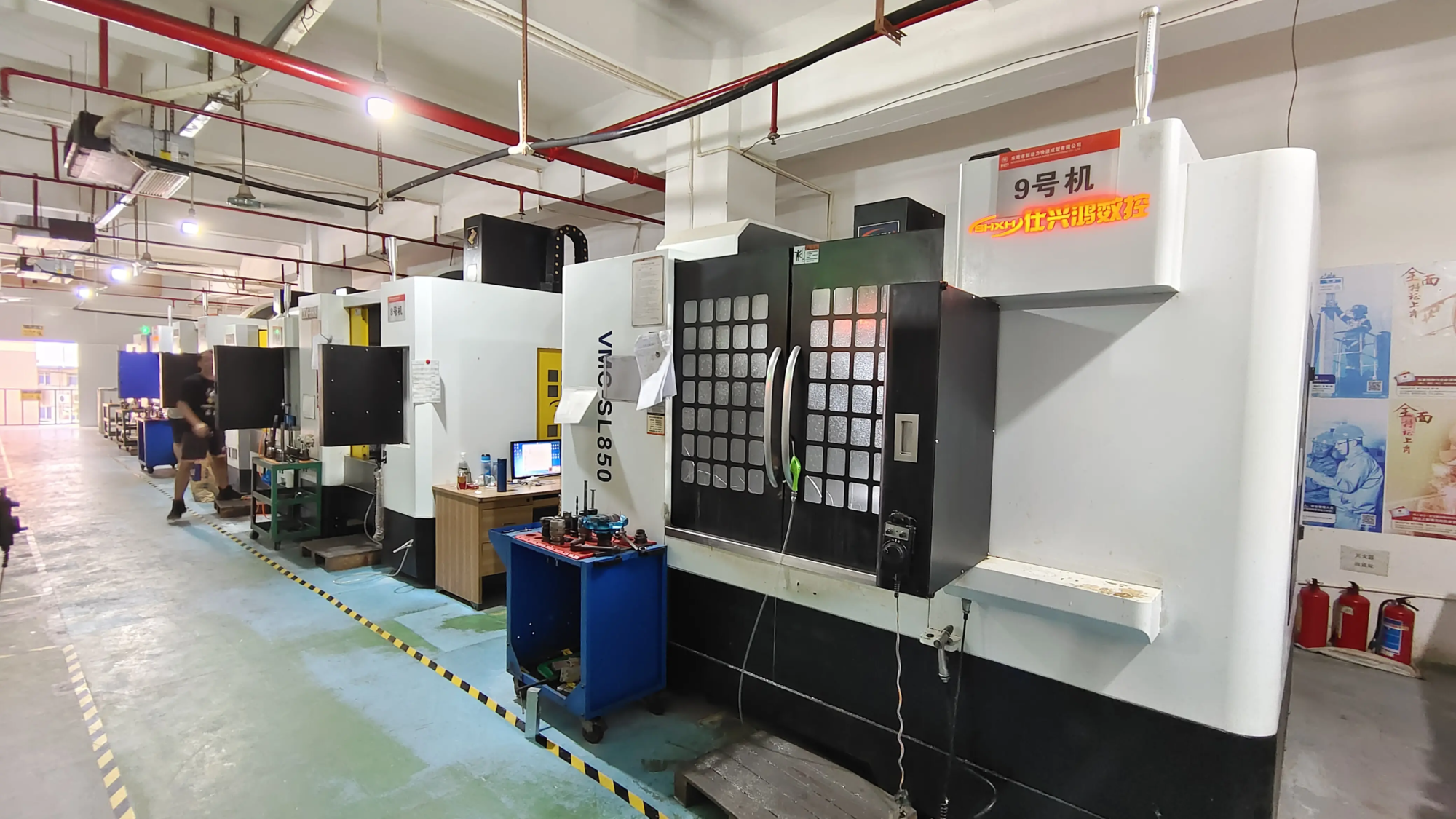
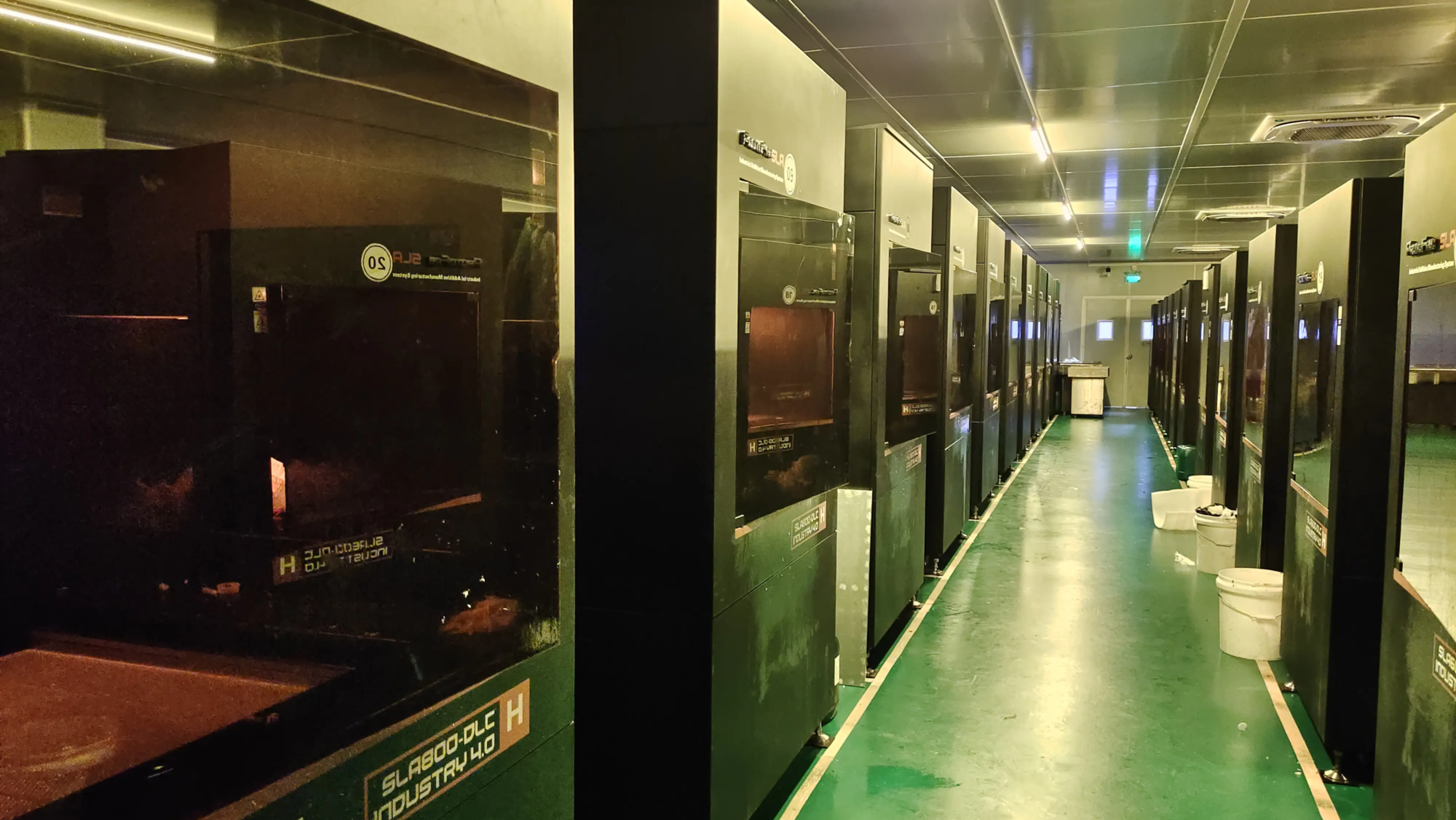
- Industrial SLM printers: Our metal 3D printers operate 24/7 in a climate-controlled facility, eliminating inconsistencies in layers through uninterrupted sintering.
- EOS & GE Add System: Achieved an accuracy of ±0.01mm in construction over 72 hours.
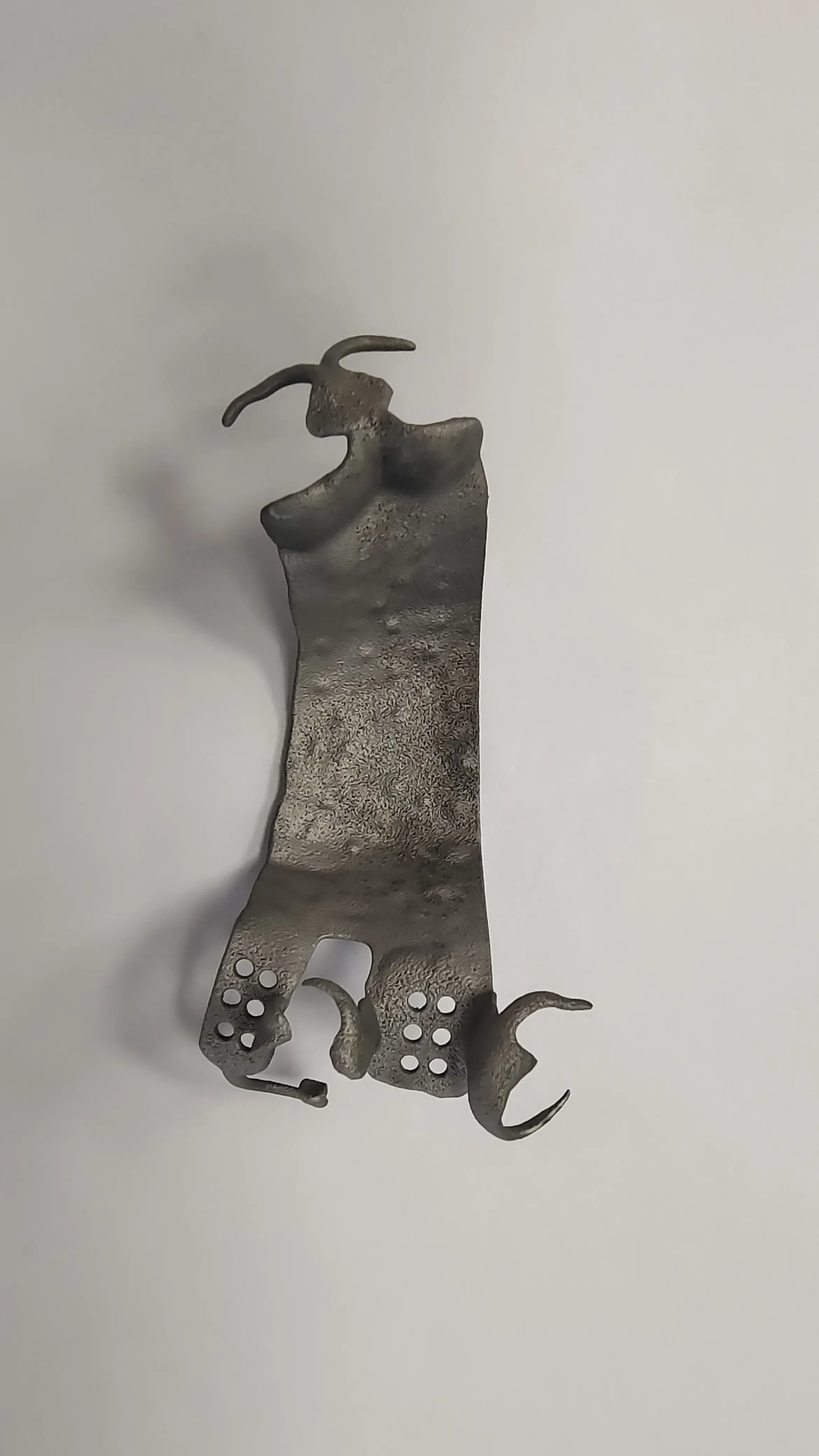
- Post-processing: Automated surface smoothing, CNC machining and heat treatment ensure rich time fidelity.
Case study: The customer needs a turbine blade overnight. Our HEPA filtering SLM meeting hall completes it without pausing the layer with DIY attempts to suffer from layering attempts.
Conclusion: Balancing feasibility and reliability
Pause 3D printing able Work with meticulous execution – but it’s a gamble. For PLA benches or low risk hooks, please follow our protocol. End-use parts require perfection? Work with experts.
At Greatlight, we address the unpredictability of long prints. Using more than 50 industrial grade SLM machines and ISO 9001 certified workflows, we ensure dimensional accuracy below ±5 µm and post-processing mechanical integrity. Skip the anxiety of pauses; unload complex work to professionals with priority accuracy.
➡️ Custom metal prototypes today: Submit your CAD file on Greatlighttrapid.com to get instant quotes.
FAQ: Overnight 3D printing pause
Question 1: Will the pause weaken the last part?
Yes. Layer adhesion is affected at pause points – usually reduces tensile strength by 10–30%. Avoid using load-bearing parts.
Q2: Can I turn off the printer and restart it later?
only Power deceleration recovery. Most consumer printers save nozzle position rather than thermal conditions. Always restart manually by heating.
Q3: Which printers are best to pause?
Model with reliable bed sensor (Bltouch) and G-code recovery (e.g. PRUSA I3). Industrial printers optimally manage pauses through closed rooms.
Q4: How to avoid pauses in metal printing?
The SLM printer uses inert argon-filled chamber to achieve continuous sintering.
Q5: Should I pause ABS printing overnight?
Not recommended. The ABS shrinks sharply during cooling, resulting in stratification. Use shell and continuous printing.