Embrace customization: Your 3D Printing Guide to the Perfect Raspberry Pi 5 Box
The Raspberry Pi 5 represents a leap in single-board computing power, inviting endless DIY projects. But its exquisite circuitry requires strong protection. Why settle down the wall when you can Design and 3D printing custom cases Fully tailored to your vision? Whether you’re adding unique accessories for cooling, or matching project aesthetics, 3D printing unlocks unrivaled personalization. This guide will take you through every step from design to post-processing, while tailoring professional insights for manufacturers and engineers.
Why 3D Print Your Raspberry Pi 5 Case?
- Final Customization: Integrated mount for cameras, radiators or cables.
- Enhanced cooling: Design an optimized airflow channel to prevent popular throttling.
- Cost Efficiency: Print prototypes for pennies before finalizing the design – an ideal for iterative development.
- speed: From hours rather than weeks from CAD to physical parts.
Guide to creating cases step by step
Follow this workflow to avoid common pitfalls and achieve professional results.
1. Design Phase: From Concept to CAD
Option A: Use existing model
Platforms like Thingiverse offer free PI 5 templates, but make sure they are:
- Can accommodate GPIO pins, USB-C Power and microSD slots.
- Includes clearance for active cooling modules or caps (adding tolerances of ≥1mm).
- Featured ventilation holes (target ≥10% open area for passive heat dissipation).
Option B: Custom Design (recommended)
For customization requirements (e.g., industrial shells or IoT prototypes), tools like Fusion 360 or Tinkercad let you:
- Model snapshot connector (0.3-0.5mm interference is best for PLA).
- Merge thermal simulation plug-ins to optimize airflow.
- Add embossed labels or ports to external sensors.
hint: Export design is.STLFiles with resolution ≤0.1mm.
2. Material selection: balancing power, aesthetics and functionality
| Material | The best | Printing temperature | limit |
|---|---|---|---|
| PLA | Low-cost prototyping | 190–220°C | Twisting above 60°C |
| Petg | Durability and heat resistance | 230–250°C | Need to dry |
| asa | UV/Weather Resistance | 240–260°C | Smoke needs to be exhausted |
| Metal (SLM) | Industrial Applications | Laser illustration | Complex post-processing |
When to select metal (printed via SLM):
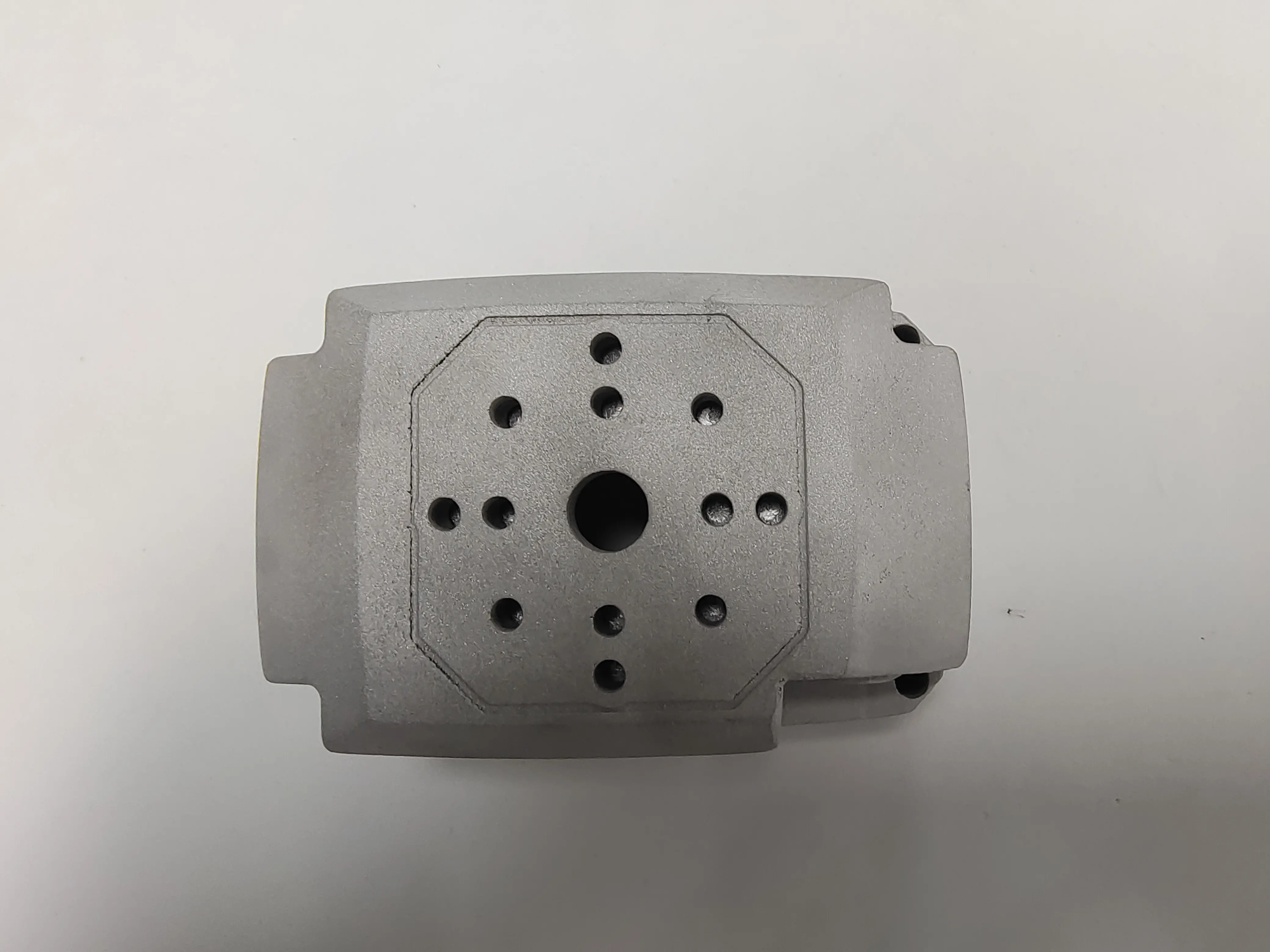
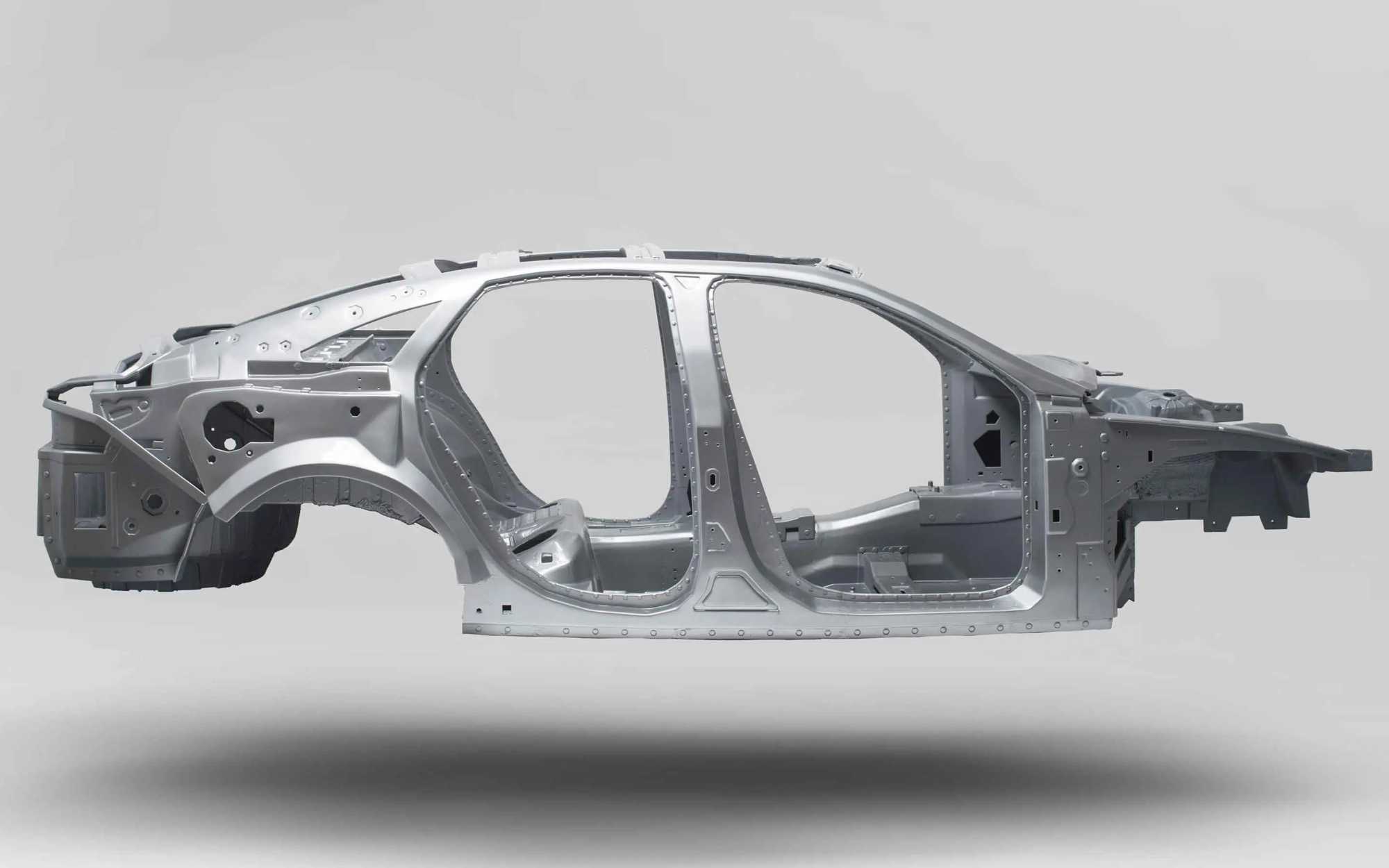
For EMI shielding, extreme heat resistance (> 150°C) or vibration resistance, Aluminum or titanium alloy Better than plastic. Greatlight Leverages Selective Laser Melting (SLM) technology can create lightweight, high-intensity cases – ideal for drones, automotive integration or exterior deployment.
3. 3D Printing: Optimize Settings
- Layer height: Smooth finish 0.1-0.2mm; quick draft 0.3mm.
- filling: Structural parts are 15-20%; 100% screw mount.
- support: With overhang > 45°, use the support of the tree (for minimal scars).
- cool down: PLA’s 100% fan speed prevents sagging; reduces to 30% of ABS/PETG.
troubleshooting: A twisted corner? Make sure the bed temperature is 60°C (PLA) or 85°C (ABS) and apply adhesive.
4. Post-processing: promotion is completed
- Grinding: Start with 200-grain sandpaper; the progress reaches 2000-grain luster.
- Steam smooth (ABS/ASA acetone): Dissolved layer line, but risk dimensional accuracy – test first.
- Professional Completion Options:
- For plastics: Greglight offers primer, UV-resistant coating and water immersion.
- For metal: plating, anodizing or precision CNC finish (as required for port/screw).
Conclusion: From prototype to perfection
3D Print Your Raspberry Pi 5 Case blends creativity with engineering to provide unparalleled flexibility for hackers, educators, and professionals. Desktop printers are good at plastics and rapid prototyping, and requirements are required projects Shock resistance, thermal stability or IP rate seal Industrial-scale solutions should be utilized.
Why collaborate with Greatlight?
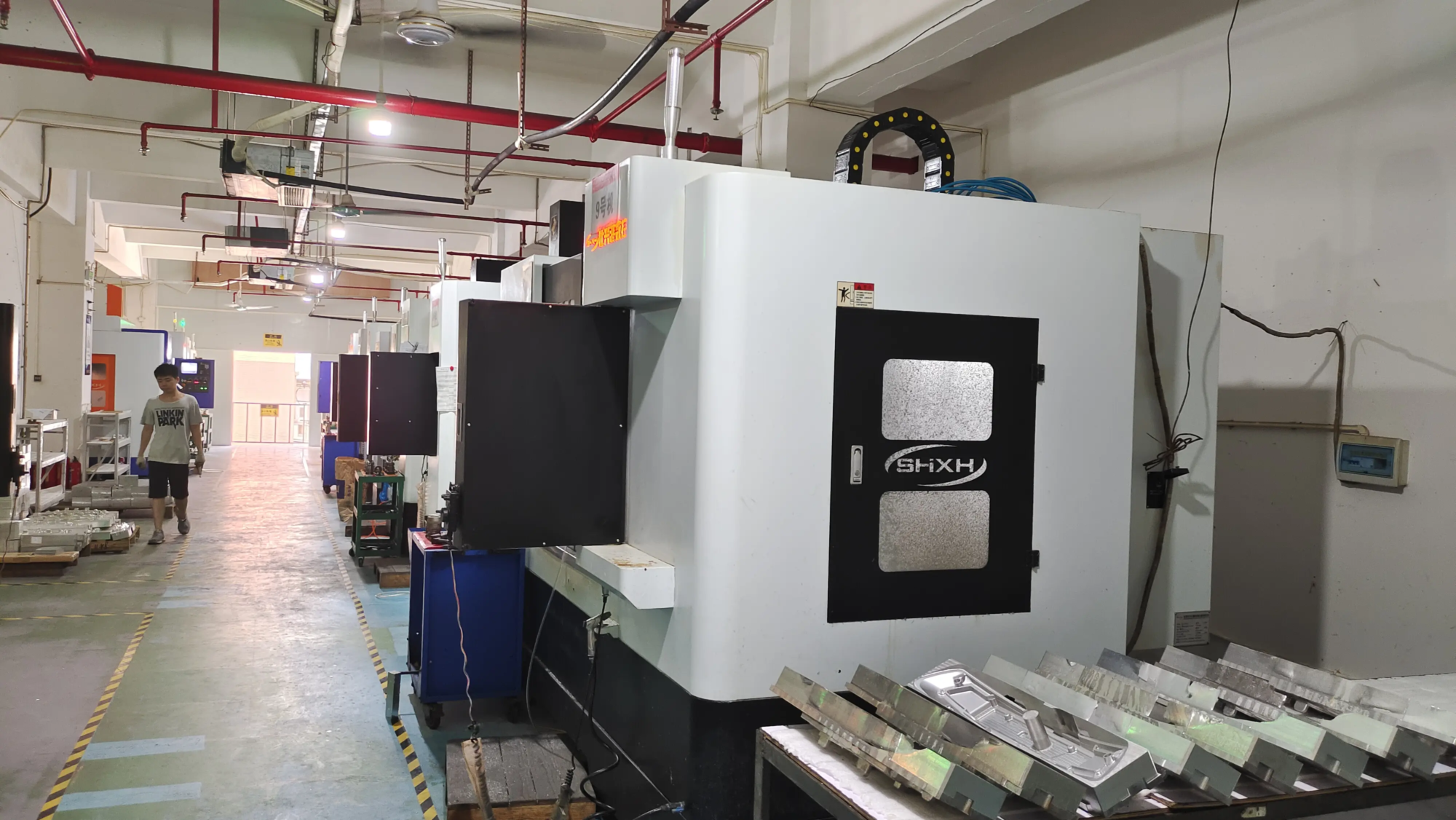
As a leading rapid prototyping expert, we merged SLM 3D printing with subtraction CNC workflow to deliver:
122→High-strength metal shell (titanium/aluminum) with biocompatible or EMI shielding effect.
122→ Turnkey Post-processing – From bead blasting to precision milling.
122→48 hours of customized parts delivery time and passed ISO 9001 quality control verification.
Whether you iterate over the PLA prototype or scale to a hardened aluminum housing, Greatlight turns the idea into the perfect component. Visit us to explore customization options – designed exactly to your specifications.
FAQ: Raspberry PI 5 case 3D printing
Q1: What are the best beginner materials?
one: PLA is perfect for first-time users: low warpage, minimal odor and extensive printer compatibility. Avoid getting close to heat sources (for example, a closed server).
Q2: How does metal 3D printing boxes compare to plastic?
one: SLM-printed metal shells have 3-5 times thermal conductivity, better EMI/RF shielding efficiency, and have an advantageous voltage resistance. However, they weigh 30-50% and require specialized manufacturing (provided by Greatlight).
Q3: I am a newbie to CAD. Can I design a case without expertise?
one: Yes! Start with the parameter template (e.g., Printables’ “PI 5 Case Builder”). For complex needs, Greatlight engineers can convert sketches into production-ready models within ≤24 hours.
Question 4: How to prevent overheating in closed situations?
one:
- Ventilation holes located above the CPU and PMIC chips.
- The 40mm fan mount is aligned with the JST connector of the PI 5.
- For metal cases, add internal aluminum pins to transfer heat externally.
Q5: Are 3D printing cases durable enough for permanent use?
one: PLA degrades outdoors within 1-2 years. PETG/ASA in the last 5 years. Metal SLM printing lasts for decades – the idea of embedded systems. Pair with protective sealant for harsh environments.