Unlocking Precision: Master PID Auto-Tune for Perfect 3D Printing
Temperature control is not only important in 3D printing; This is the basis. Whether extruding plastic or sintering metal powder, maintaining precise temperatures is critical for layer adhesion, dimensional accuracy, and preventing warping or print failure. At the heart of this delicate balance lies the PID (Proportional-Integral-Derivative) controller – mastering its automatic adjustments can transform your print quality from frustrating to flawless. This guide demystifies PID auto-tuning, explaining its important role, how it works, and how to leverage it to achieve consistent, high-quality results.
Why PID Control is the Unsung Hero of 3D Printing
Imagine driving on a bumpy road. You don’t just keep your foot on the gas pedal forever; you can constantly adjust the pressure based on hills, speed, and obstacles. The PID controller does this electronically for the printer’s heater block or heated bed. Its goal is to minimize your want temperature (set point) and actual Regulate the temperature (process variable) as quickly and stably as possible. Failure means:
- Overshoot: Temperature spikes above the set point may degrade filament performance or cause leaks/clogging.
- Undershoot: Sudden temperature drops, causing poor adhesion between layers or extrusion issues.
- oscillation: Continuous temperature fluctuations, leading to inconsistent extrusion and surface artifacts.
Decoding PID: P, I and D simple explanation
- Proportion (P): It works like current mistake. A large difference between the target temperature and the actual temperature produces a strong heating response. However, high P alone can cause oscillations.
- Points (1): Address persistence "bias" P missed error. It accumulates errors over time. If the temperature continues to be low (indicating heat loss), I increase the heat command until the error disappears. Too much I will result in a slow swing.
- Derivative (D): predict future The error is based on rate of change. If the temperature rises too quickly towards the set point, D will apply brakes to prevent overshoot. If D is too large, the system will be too sensitive to noise.
Tuning Challenge: Why Choose Autonomous Driving?
Manually finding the optimal values for Kp (proportional gain), Ki (integral gain), and Kd (differential gain) is complex and time-consuming. It requires deep technical understanding and meticulous tuning. Enter PID automatic tuning.
How PID Autotuning Works its Magic
Autotune automates the optimization process. It typically does the following:
- trigger: You can use the printer firmware menu or G-code commands (for example,
M303), specifying the target temperature and sometimes the thermal cycle range. - interference: The controller intentionally causes oscillations. It quickly turns the heater fully on until the temperature significantly exceeds the target (e.g., 10-20°C), then shuts off completely and lets it drop below the target (e.g., 10-20°C).
- Measurements and calculations: Throughout the controlled chaos, the controller carefully records:
- The magnitude of overshoot/undershoot.
- The time period of each oscillation cycle.
- The responsiveness (gain) of the system.
- Algorithm analysis: The firmware uses proven control theory algorithms such as Ziegler-Nichols or Åström-Hägglund to analyze the recorded data. It calculates the mathematical relationship between oscillations and determines specially calibrated Kp, Ki and Kd values to minimize overshoot and settling time That heater and That Thermal environment on That printer.
- Storage: The calculated PID constants are saved to the printer’s firmware (usually via
M500Order).
Performing PID Autotuning: A Practical Guide
- Prepare: Make sure your printer is clean, assembled correctly, and at room temperature. Close the case if used. Are you wearing thermal socks? Let them continue!
- Extruder adjustment:
- Preheat the nozzle slightly (e.g. 100°C) to ensure extrusion is ready when needed.
- Start nozzle auto-tuning (
M303 E0 S<target_temp> C<cycles>For example. ,M303 E0 S220 C5). C5 means run for 5 cycles to get a better average. - It is crucial to: Observe the first heating. There must Overshoot and cooling. Do not interrupt unless the temperature significantly exceeds safety limits. Trust the process.
- Heated bed adjustment:
- The bed responds slowly. Use a command like
M303 E-1 S<target_temp> C3(E-1 usually designates bed). - First make sure there is an empty bed. Just add the build surface; the full print surface masking tape/PEI is part of the normal calibration load.
- The bed responds slowly. Use a command like
- Post-tuning: always
M500(Save settings) After auto-tuning is completed! Run PID Heating Test (M303 S<temp> L1) or simply observe the temperature graph when heating normally – it should settle faster and have minimal/no oscillations.
Troubleshooting common auto-tuning issues
- Excessive overshoot (30°C above target): Indicates that the differential effect is insufficient or the tuning start time is higher than room temperature. Make sure cooling fans (especially parts cooling!) are turned off. Verify that the thermistor is secure and reading correctly. Refocus the goal a bit reduce initial temperature. If it persists, please manually lower the Kp value of the automatic adjustment value slightly.
- Never hits target/severely falls short of target: Indicates heater capacity or communication issues. Check heater cartridge power versus printer voltage (for example, 24V cartridge in a 12V system?). Verify that the heater core wires are securely connected (no crimping/solder breaks) and the MOSFET is functioning properly. Make sure the thermistor is not loose on the block/bed (bad contact = inaccurate reading).
- Unstable oscillation after tuning: Possible thermistor noise issue (check wiring for interference). Cooling fans blowing directly on the heater may disrupt the regulation of the hot end. System gain may be too high – manually reduce Kp slightly.
- Autotune failed/exited early: Make sure the firmware supports PID auto-tuning (
M303). Check the grammar carefully. Verify that the thermistor does not fail intermittently.
Beyond Auto-Tuning: Advanced Considerations
- Silicone socks: Highly recommended! They significantly reduce heat loss fluctuations and stabilize temperatures. Only remove it to clean/unclog clogs. tune and That’s it.
- shell: Adjustments made using the included printer replicate an actual printing environment. If you print the enclosed content, adjust the enclosed content.
- Major changes: Switching from PLA (200°C) to ABS (240°C)? A PID value adjusted at 200°C may overshoot slightly at 240°C. Adjust the most common high temperature nozzle settings. While the controller is linear, adjustments near the top of the range can widely improve stability.
- Fine-tuning: If the autotune response is good but not perfect (slight wobble), use the manual adjustment steps to consult the tuning guide based on Use the autoscale value as a starting point.
Conclusion: Precise temperature control gives better printing results
Mastering PID auto-tuning is one of the most impactful steps towards achieving consistent, high-quality 3D printing. Eliminating temperature fluctuations directly translates into better dimensional accuracy, stronger layer adhesion, smoother surfaces and fewer failures. It transforms your printer from a moody hobby machine into a reliable tool.
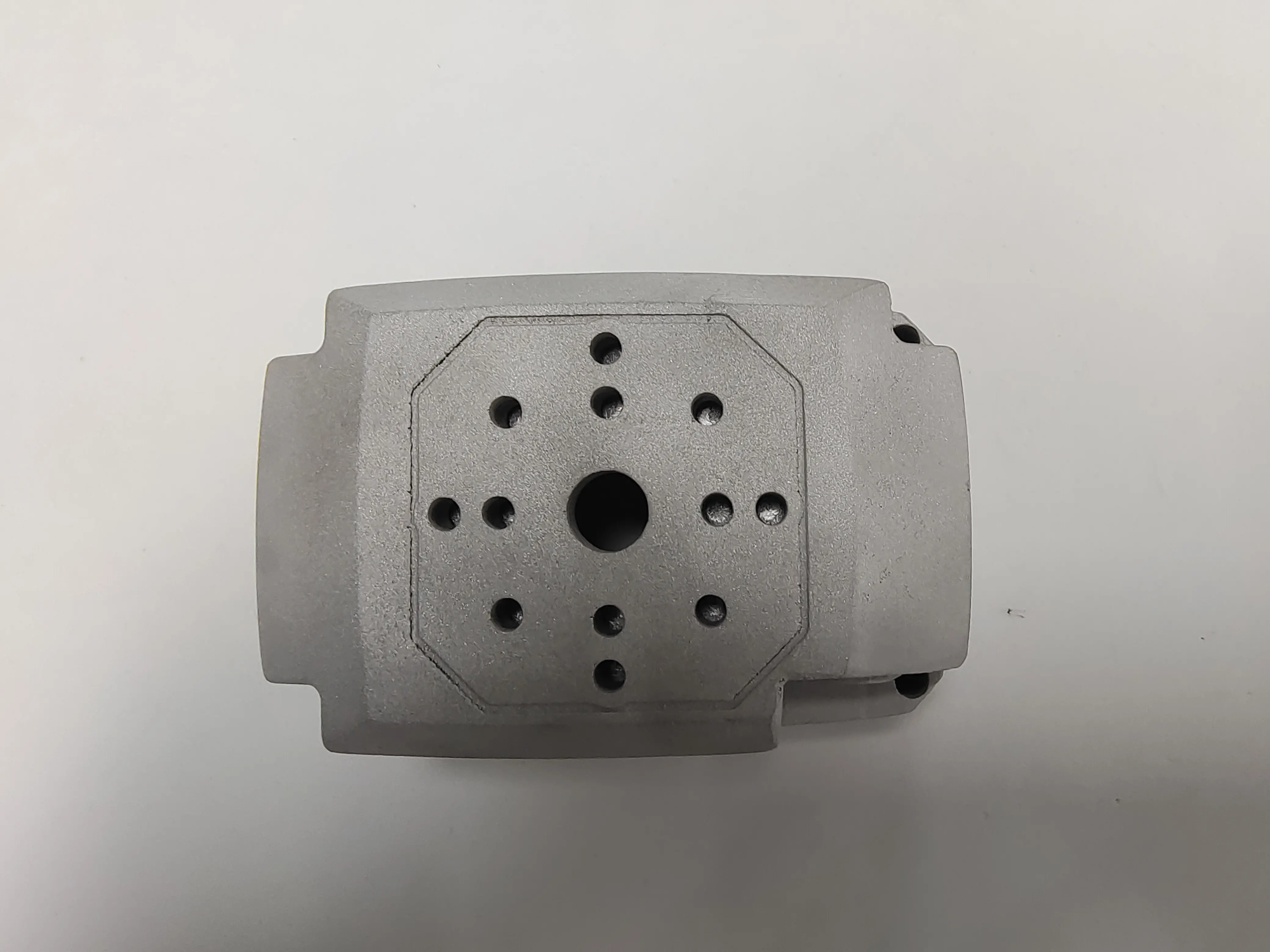
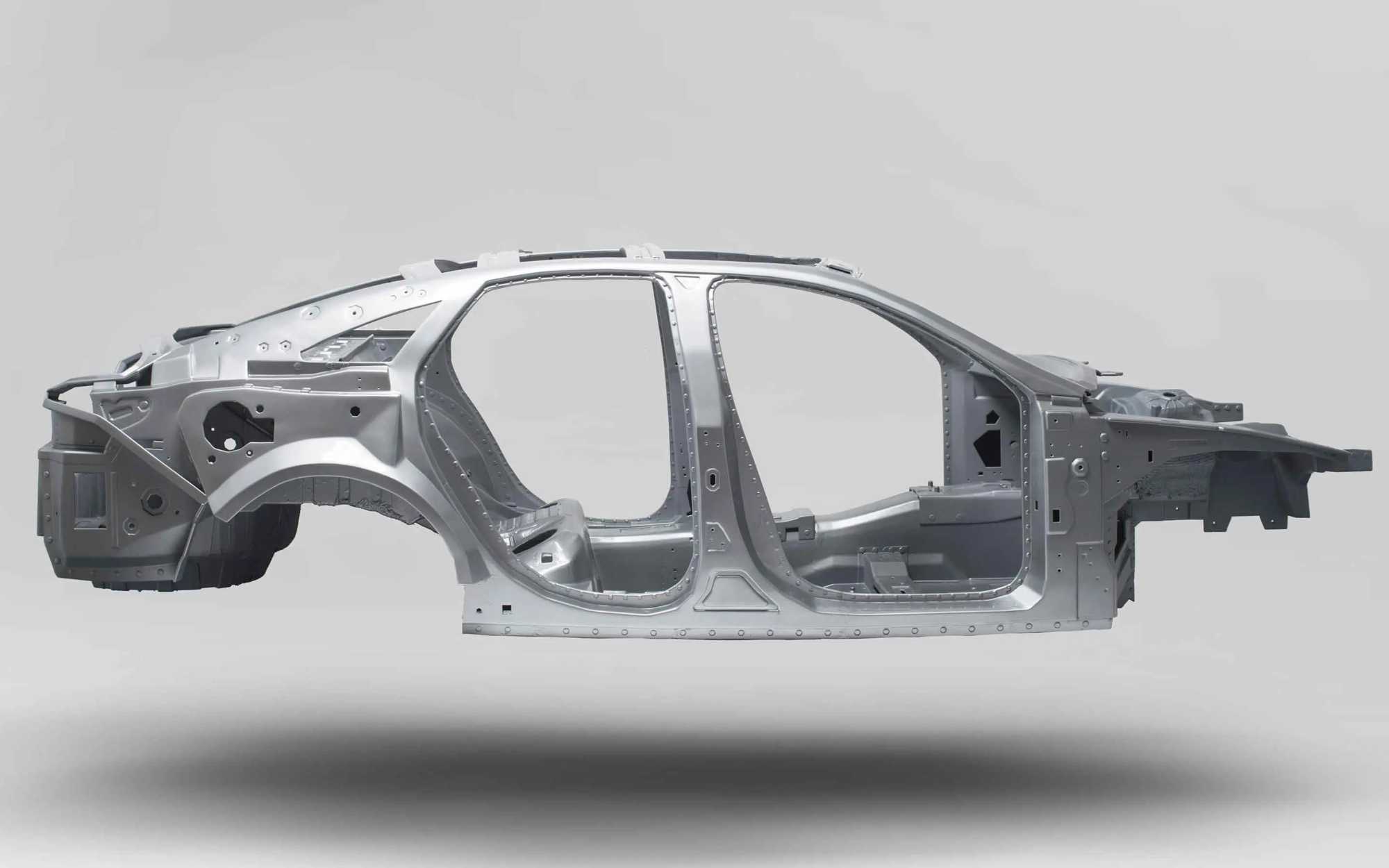
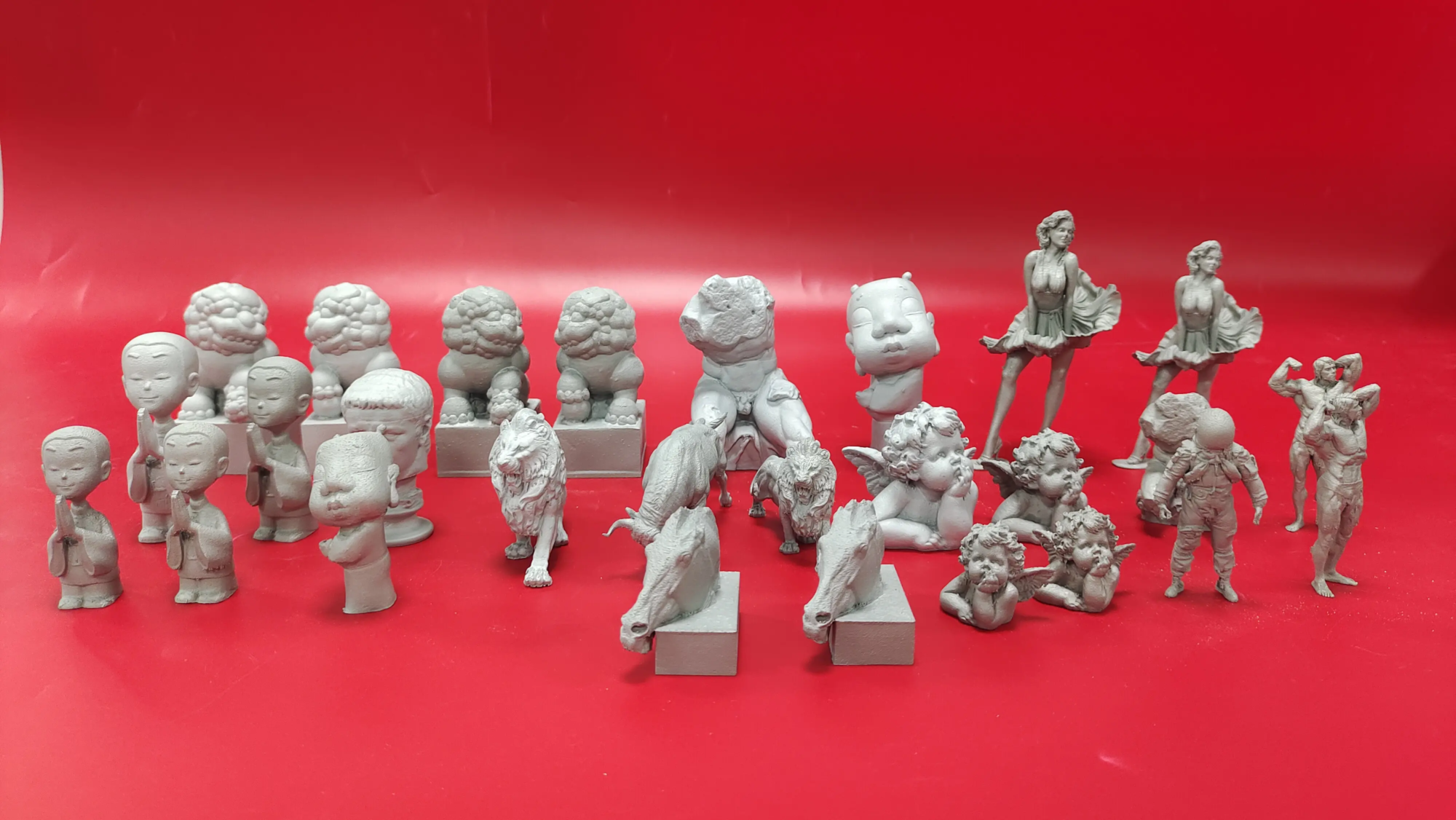
This relentless pursuit of thermal stability and process control reflects our commitment Hongguang 3D printing service. Just as precise PID tuning unlocks the potential of personal printers, GreatLight leverages cutting-edge technology SLM (Selective Laser Melting) 3D Printer and decades of expertise to solve complex problems Rapid prototyping of metal parts challenge. We know that perfection depends on controlling countless complex variables—temperature being the most important.
In addition to printing, our Comprehensive one-stop post-processing and finishing services Ensure parts meet the most stringent functional and aesthetic requirements. Whether you need complex geometries made from highly specialized alloys or fast, cost-effective prototypes made from common metals, GreatLight delivers superior accuracy. Discover faster iteration cycles and superior end-use parts – Contact Gretel now Customize your Precision Rapid Prototyping Projects are of unparalleled value.
FAQ: Demystifying PID Auto-Tuning
-
Q: How often do I need to run PID auto-tuning?
one: Usually only after hardware changes that affect heat flow: replacement of heater cartridge/thermistor, installation of new nozzle/silicone sleeve, major changes in cooling settings, switching printer environments (e.g. addition/enclosure). Otherwise, carefully tuned values will persist indefinitely. Run it once a year to ensure stability. -
Q: Will the filament type affect PID tuning?
one: Not directly. The characteristics of PID tuning are Thermal inertia and response Physical heater block/heater box/sensor system. Heating a piece of brass/molten plastic behaves differently than heating empty brass, but any adjustment will minimize the error. Tuning while nozzle is loading only If firmware requires; generally, conditioning or loading sacrificial wire to avoid dripping is standard. -
Q: My printer firmware does not have PID auto-tuning (
M303). what can I do?
one: This feature must be enabled in the firmware configuration (eg Marlin). If using precompiled firmware without it, you will need to learn manual PID tuning techniques using step response diagrams – which is a more complicated process. It is recommended to upgrade to firmware that supports PID automatic adjustment. -
Q: Should I make adjustments with the part cooling fan on or off?
one: always with Some cooling fans are turned off. Part cooling can introduce unpredictable external disturbances that disrupt tuning algorithms. System tuning focuses on isolated hot end/bed response. -
Q: Why does PID auto-tuning require multiple cycles?
one: Multiple cycles (C parameters) allow the algorithm to collect more data points and average results. This improves reliability, filters out anomalies, and produces more robust constants, especially for systems with high thermal inertia such as heated beds. A minimum of 3 cycles is recommended. - Question: Can PID adjustment improve print quality?
one: Absolutely! Improper adjustment of the bed PID can cause initial layer temperature fluctuations. This affects initial adhesion, bed material behavior (such as PEI stickiness), and may cause warping or lifting. A consistent bed temperature is crucial.