The Ultimate PLA Filament Guide for 3D Printing Beginners
If you’re new to 3D printing, exploring the world of filament can feel overwhelming. Among dozens of options, PLA (polylactic acid) stood out as the undisputed champion for beginners. In this comprehensive guide, we’ll demystify PLA 1.75mm filament (the most commonly used diameter for desktop FDM printers) and give you the basics for successful printing from your first spool.
What exactly is PLA?
PLA is a biodegradable thermoplastic derived from renewable resources such as corn starch, sugar cane or cassava roots. Unlike petroleum-based filaments, PLA is environmentally friendly without sacrificing printability. When heated, it melts smoothly at relatively low temperatures (usually 180-220°C) and solidifies quickly when cooled. This non-toxic material produces minimal odor (subtly sweet), making it ideal for home or classroom settings.
Why PLA is supreme for beginners
- Easy printing experience: PLA flows effortlessly through the nozzle without significant warping or shrinkage, allowing for minor bed flattening imperfections.
- Low printing temperature: Only ~200°C (±20°C) is required, reducing the risk of component overheating or thermal issues.
- Excellent bed adhesion: Reliable adhesion to build surfaces (glass, PEI, BuildTak) when moderately heated (50-60°C).
- Versatility: Available in countless colors, translucent, luminous variants and specialty blends (marble, wood, silk).
- Non-toxic and odorless: Suitable for everyday use around children and pets; no ventilation system required.
Decode PLA attributes
While being user-friendly, PLA has distinctive features:
- Strength and stiffness: Stronger along the ply lines than materials like PETG, but more brittle (low impact resistance). Not suitable for functional load-bearing parts.
- Thermoelasticity: Softens at about 60°C. Avoid high temperature applications such as automotive interiors or dishwashers.
- Biodegradability: Compostable under industrial conditions but does not break down in typical landfills (despite misconceptions).
- Finishes and details: Delivers crisp details and a smooth surface right on the bed – perfect for prototypes, art and display models.
Print like a pro: Setup and best practices
Perfect PLA printing starts with optimized settings:
- Nozzle temperature: 190-220°C (depending on the consumable brand, adjust +/- 10°C by test printing)
- Bed temperature: 50-60℃; use cooler/glass plate bonding aids (glue stick, hairspray)
- Print speed: 40-60mm/s ensures reliability; slower speed (25mm/s) enhances complex features
- withdraw: Enable retraction (~6mm, 25mm/s) to eliminate stringing during movement
- cool down: Maximum cooling fan behind first level allows for clear overhang
Ontology: If exposed to moisture, dry PLA in a food dehydrator (50°C, 4 hours) – moist filament bubbles/cracks.
Solve common PLA problems
Even the People’s Liberation Army encounters occasional setbacks. Quickly resolve these issues:
Problem: Thin Layer Bonding
Solution: Increase the nozzle temperature by 5-10°C; make sure the cooling fan temperature is not too high.
Problem: Fragile prints
Solution: Reduce cooling slightly; store PLA in a dry place to prevent water absorption from weakening the bond.
Problem: Nozzle clogged
Solution: Preheat the nozzle to purge above 220℃; clean it regularly ("cold drawn"). Avoid overheating of PLA to prevent degradation.
Problem: Printing separates midway
Solution: Thoroughly clean bed with IPA; recalibrate shipping/leveling. If the edges peel prematurely, increase the bed temperature by 5-10°C.
Beyond PLA: Transitioning to Advanced Materials
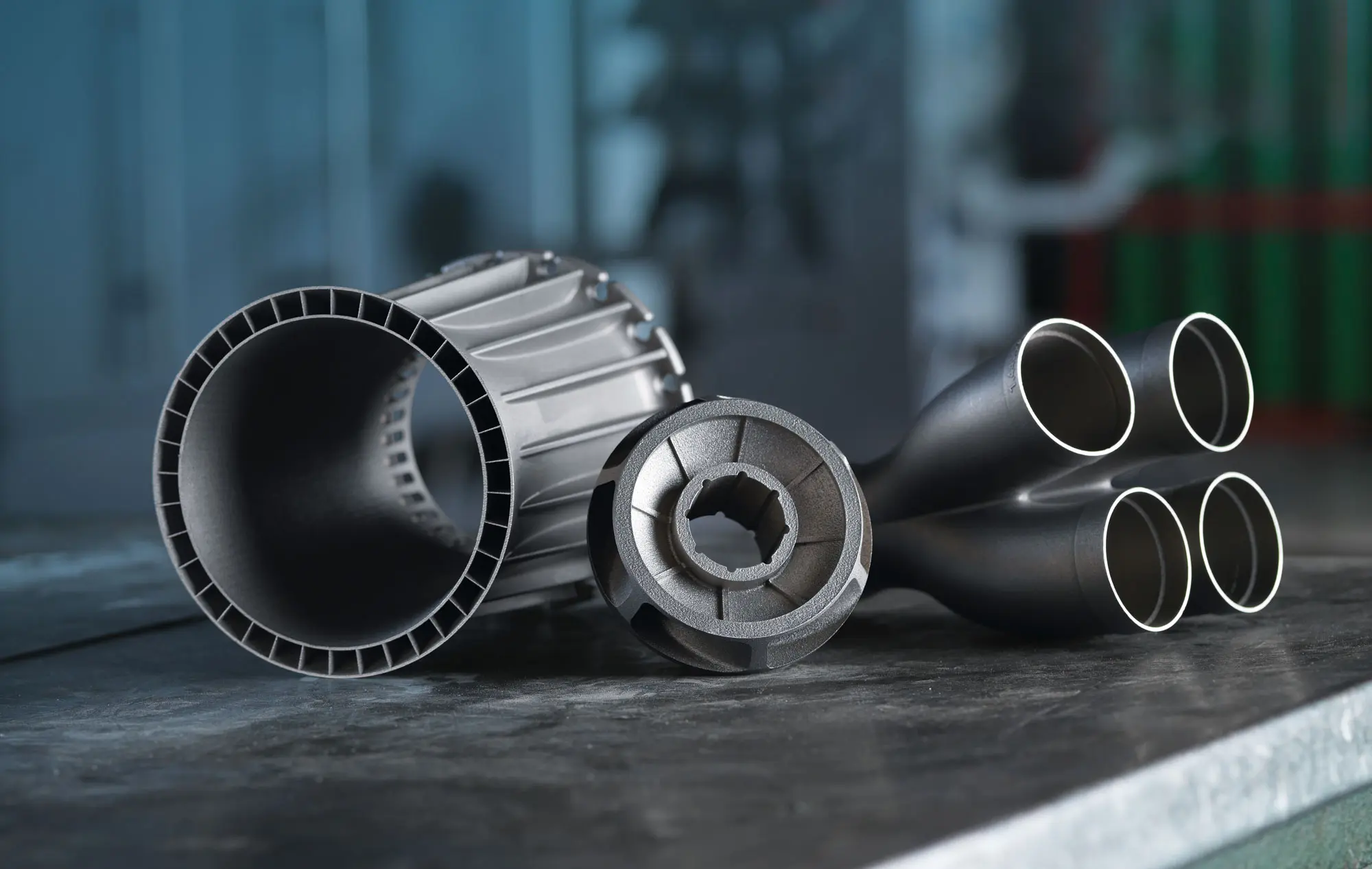
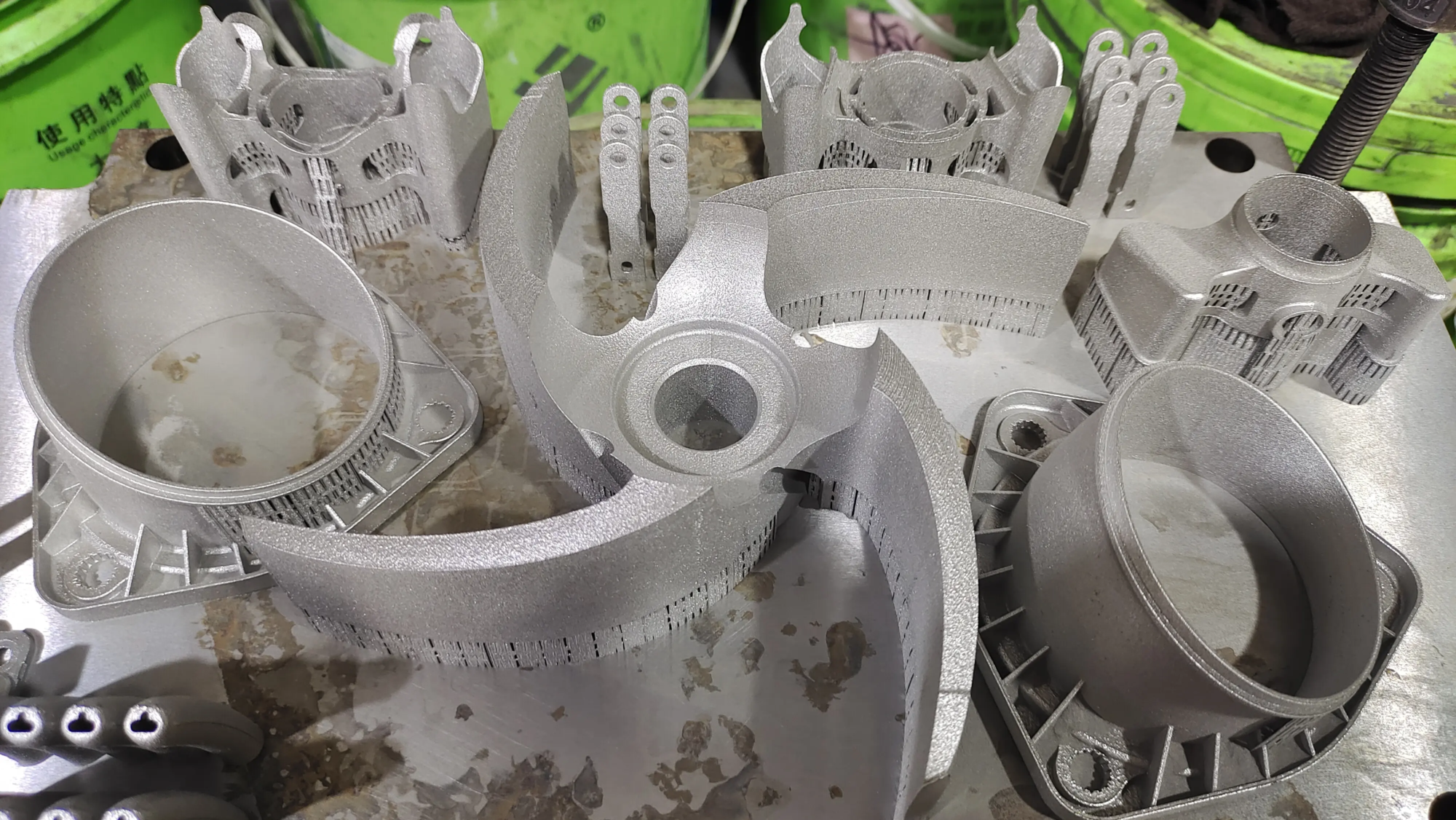
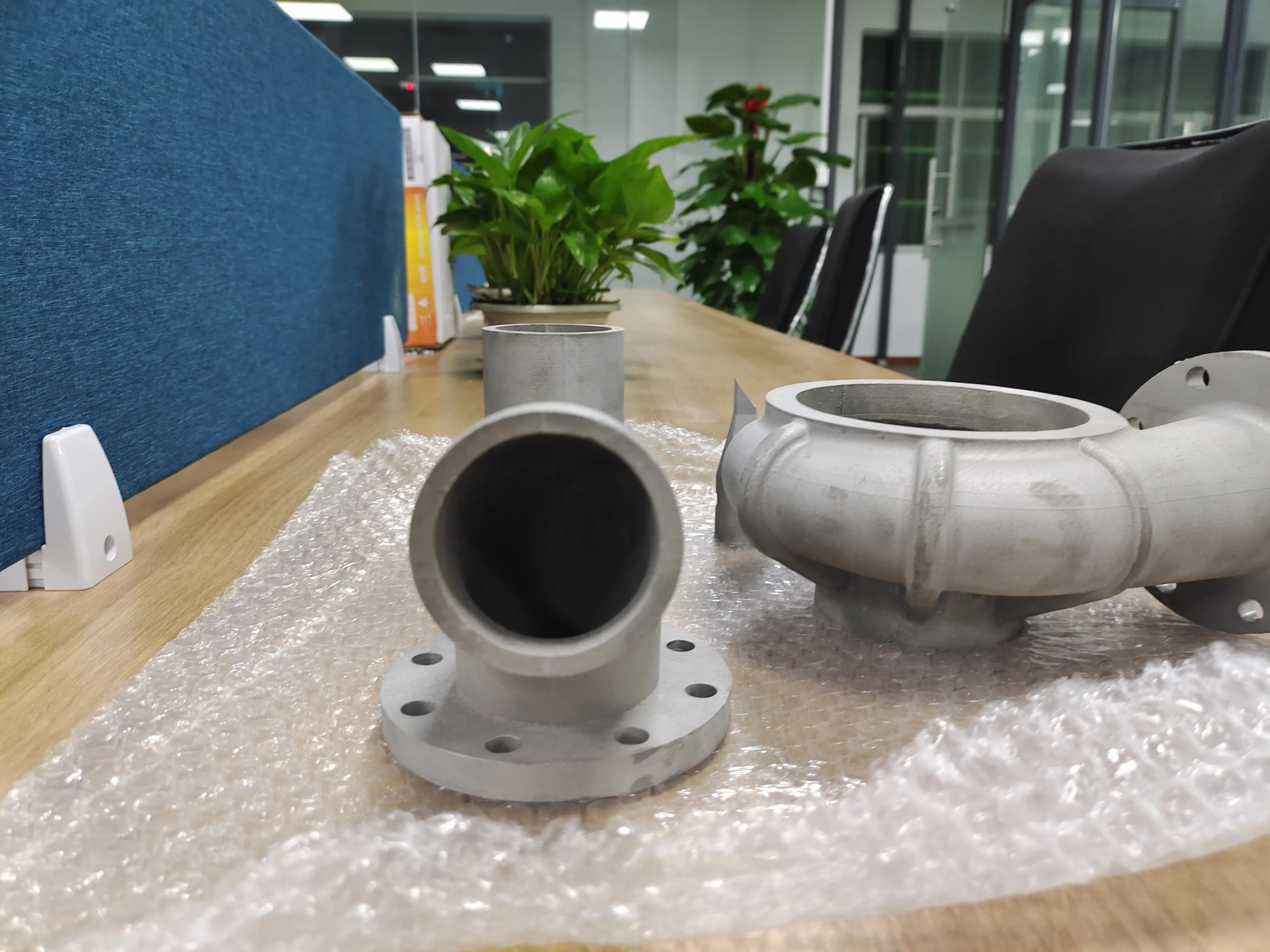
Mastering PLA opens the door to a variety of functional filaments, such as ASA for UV resistance, TPU for flexibility or nylon for engineering purposes. For demanding industrial applications requiring metal-grade strength – aerospace tools, medical implants, automotive prototypes – Metal 3D printing Totally better than plastic. This is where expertise becomes crucial.
in conclusion
For hobbyists and aspiring makers, PLA 1.75mm filament offers unparalleled ease of use without compromising print beauty or detail. Its minimal ecological impact and foolproof workflow make it the perfect training ground for 3D printing proficiency. As you move beyond PLA projects, remember that scaling to functional metal prototypes requires industrial-grade equipment and expertise – aspects that are expertly managed by teams like ours at GreatLight.
Utilizing Selective Laser Melting (SLM) printers and precision CNC post-processing, huge light Providing start-to-finish prototyping solutions from plastic to aerospace grade titanium. We connect hobbyist success with industrial execution – handling fast-turnaround customs jobs requiring micron precision, thermal stability or critical tolerances. When a project calls for excellence, start simple, dream big, and trust the professionals. Visit GreatLightAdditive.com today to explore our features.
FAQ
Q1: What is the shelf life of PLA filament?
Sealed and stored in a desiccant, PLA can be stored for 1-3 years. Signs of brittleness, easy breaking, or surface bubbles indicate degradation or moisture absorption. Please dry before using again.
Q2: Can PLA hold liquid?
Short term: Yes (vases, flowerpots). Long term: PLA degrades slowly through hydrolysis and may leak after several months. Use PETG or coated PLA+ for waterproofing.
Q3: Can PLA be recycled?
domestic? rare. Many cities exclude PLA from recycling bins. Commercial composting facilities manage disposal best. Seek PLA recycling programs through your filament supplier.
Q4: How strong is PLA?
The tensile strength is comparable to ABS (~50MPa), but is more likely to break upon impact. Annealing (heating the printed part at 80-100°C) increases strength by approximately 40%.
Q5: Why choose GreatLight for metal prototyping instead of DIY printing?
Desktop printers are good at printing plastic materials, but lack the safety, inert atmosphere and laser precision required for metal workflows. We design functional titanium, Inconel® and aluminum parts with certified mechanical testing, CNC machining integration,