introduce
For the collectors of Pokémon Card Card, the stimulus that pulls this rare holographic Charizard is only the challenge of organizing the growing collection. Traditional adhesives and universal storage boxes are often lacking in the case of accommodating featured cards, different card conditions or custom display requirements. Enter 3D printing– A game-changing technology that changes how enthusiasts sort, store and display their precious cards. With precise custom features and robust material selection, 3D printing provides every collector with tailored solutions. In this guide, we will explore how to leverage 3D printing of Pokémon cards and when to leverage professional services to achieve advanced results.
Why is there insufficient storage space available
Standard storage options lack the flexibility required to carefully collect. You may struggle:
- Non-standard card: Extra large promotion, thicker "Giant" Cards in cards or protective loaders are rarely suitable for prefabricated solutions.
- Fragile gems: Rare mint condition cards require safe, vibration-resistant compartments.
- Display aesthetics: Holo Cards should be viewed in stages, not just stacked storage space.
- Scalability: Collection development, but most organizers are not used to it.
3D Printing: Your Custom Sort Toolkit
Unlike mass-produced products, 3D printing allows you to design the right organizer your Exact demand. Benefits include:
- Pixel Perfect Accuracy: Create partitions, custom trays or wall-mounted displays with 0.1mm accuracy.
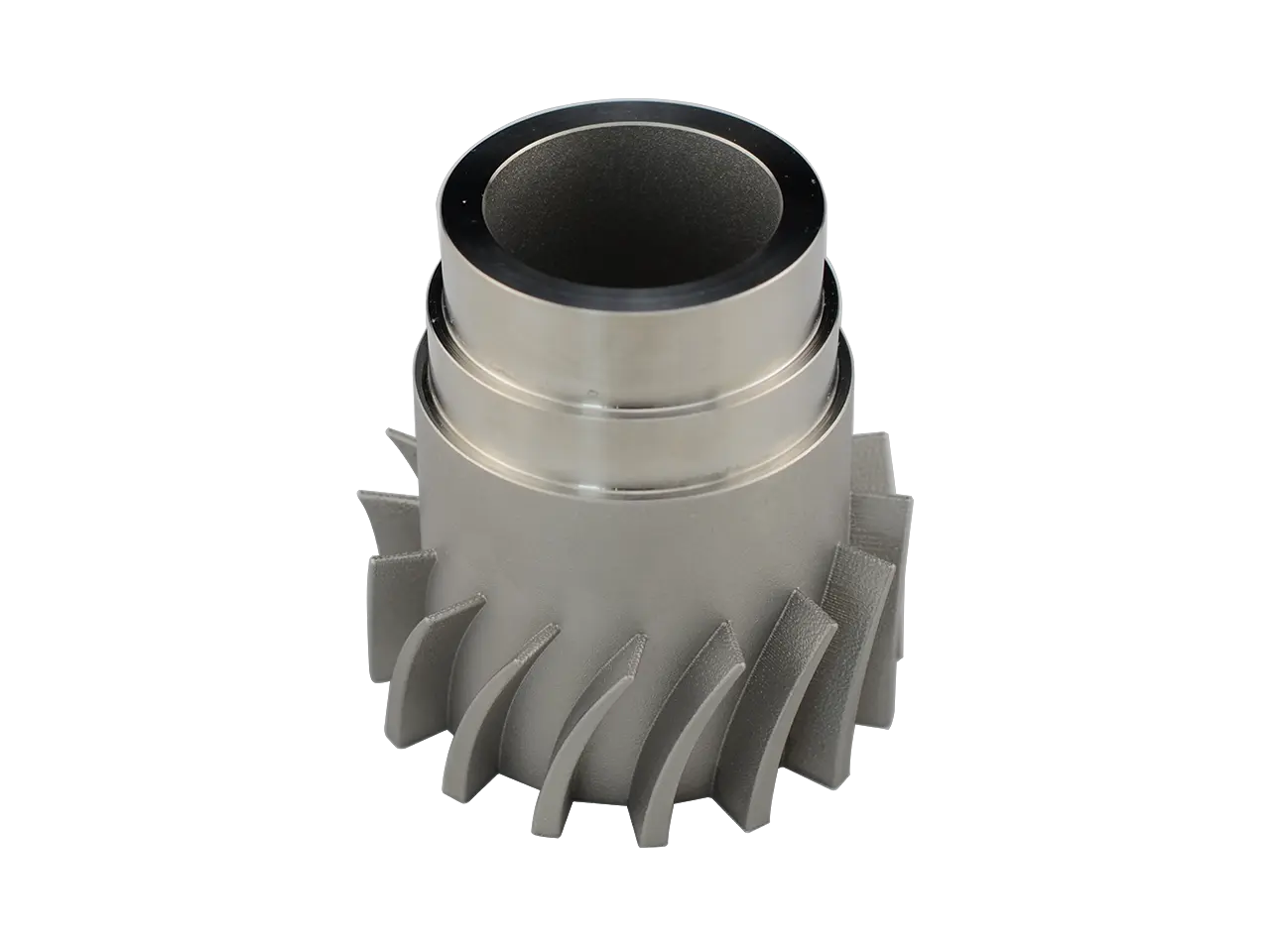
- Material versatility: Use a lightweight PLA for basic box, durable PET, reusable, and even Stainless steel Print heirloom quality display via SLM.
- Modular: Design stackable trays or interlocking units that can grow with collections.
- Enhanced protection: Integrate the grooves of the silicone packaging to control humidity.
Step by step: Design your Pokémon Card Organizer
1. Evaluate your collection
- Measure card size (standard: 63x88mm) and note exceptions.
- Classify cards by type (e.g. Holos, Energies, Trainers) and determine accessibility.
2. Draw your design
- Simple startup: Separate the system? Rotate the display rack? Sealed file box?
- Includes features such as Finger Notches that allow easy access or tag holder.
3. 3D Modeling
- Use free tools like Tinkercad or Fusion 360.
- Key Measurements:
- Slot width: 0.5–1mm wider than the card thickness (0.3mm) for smooth insertion.
- Wall thickness: Plastic stiffness ≥2mm; Metal ≥1mm.
- Avoid overhangs > 45° – Use support when needed.
4. Material Selection Guide
| Material | The best | Durability | Complete Options |
|---|---|---|---|
| PLA | Lightweight divider, display rack | ★★☆ | Paint, matte or gloss |
| Petg | Heavy Duty Storage Box | ★★★ | Translucent or grinding |
| Resin | Detailed decorative elements | ★★☆ | Super smooth, high tail |
| Metal (al/ss) | Permanent display, security cases | ★★★★★ | Polishing, anodizing, plated |
5. Optimize printability
- Convert stress points (for example, hinge link heads) into separate quick fit components.
- Scale design of the build volume of printers – divides large models into interlocking parts.
Case study: Hybrid storage system for hybrid collections
challenge: A collector needs to store more than 500 standard cards next to 40 graded boards and giant cards.
Solution:
- Basic Pallet (PETG): Grid slot for standard card with removable middle section.
- Modular add-ons (metal): The laser-mounted aluminum frame of the magnetic card is magnetically fixed to the base.
- Finish: Black against metal components for UV protection smoke.
Results: The space is effective, scalable and worthy of the museum.
When to trust professional 3D printing services
Hobbyist printers can be used when small plastic parts, Complex or metal design Need expertise. This is where your partner likes Great Improve your project:
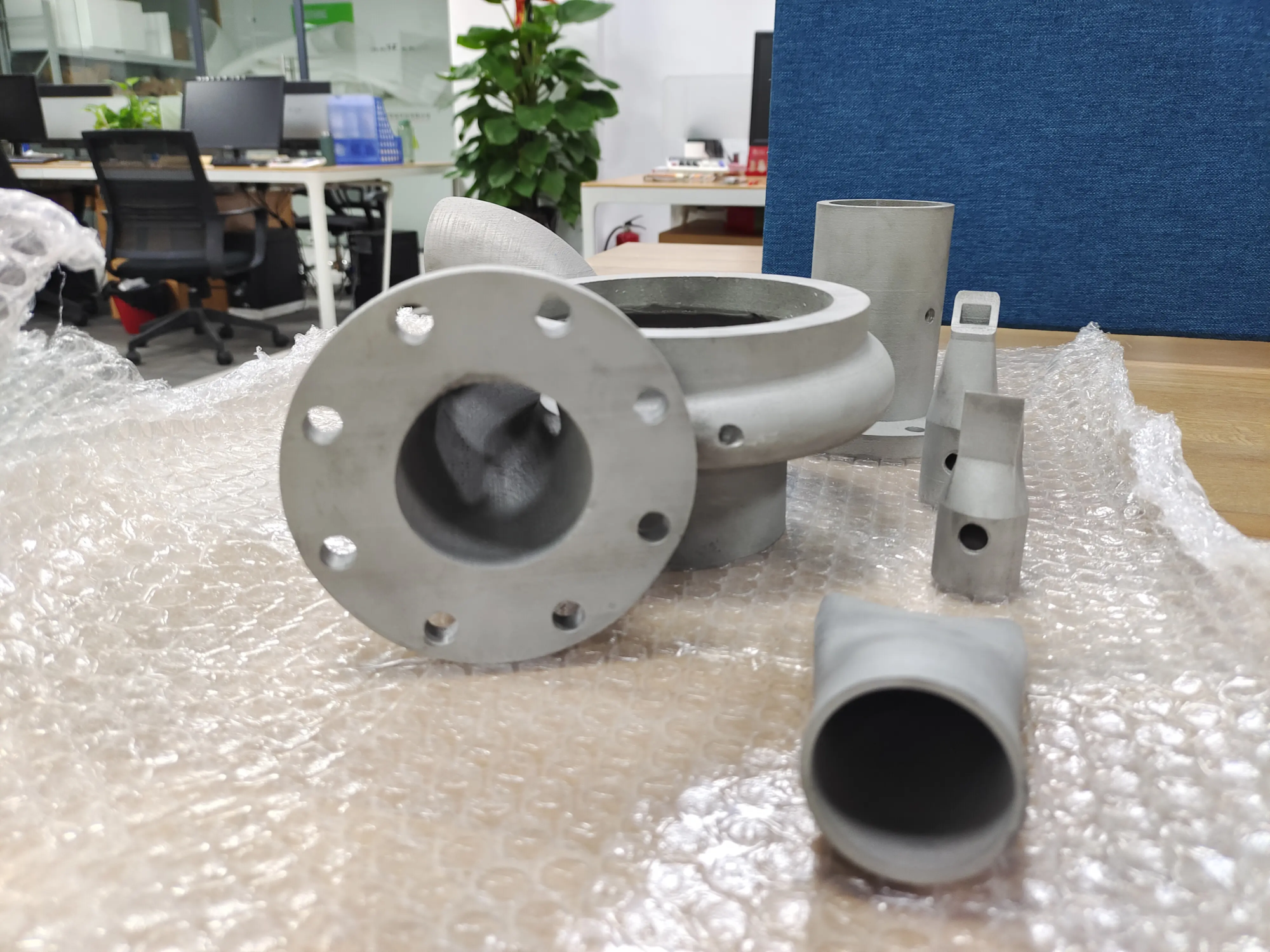
- Advanced SLM Printing: For titanium, aluminum or stainless steel parts with structural integrity.
- One-stop post-processing: Used for grinding, polishing, plating or custom tinting for advanced aesthetics (e.g., the gold-plated Pikachu logo).
- Rapid prototyping: Iterative design is fast – Greatlight provides functional prototypes in 3-5 days.
- Materials Science Proprietary Technologies: We guide hygroscopic polyamides to be used for easy humidity or chemical resistance.
in conclusion
3D printing unlocks unprecedented freedom for Pokémon collectors – no more squeezing treasures into unqualified boxes. Whether you’re a simple divider or working with professionals for a museum-grade display cabinet, customization is key. For designs that require metal precision or perfect finishing, please consider using GreatProficiency in industrial grade SLM printers and post-processing. With the right approach, your storage solution can be as extraordinary as your favorites.
FAQ
Question 1: Can I 3D print organizers for graded cards?
Absolutely! Flat plates (e.g. PSA/CGC cases) usually measure ~125x170mm. Design slots with 2mm tolerance gap and add foam lining to absorb shock absorption.
Q2: How much does it cost to customize metal display?
A small aluminum stall starts at about $50. Larger systems (e.g., wall-mounted grids) cost anywhere from $150-500, depending on complexity and finish.
Question 3: Is it OK to 3D printed plastic damage card?
If the design is correct! Use circular edges to avoid friction points and select non-assigned materials such as PETG. Avoid ABS (may release micro-erosive agent).
Question 4: What is the turnaround time for professional prototype production?
At Greatlight, SLA prototypes are shipped within 3 days. Metal SLM parts take 5-7 days and have a standard finish.
Question 5: Are 3D printing organizers worth currency and commercial products?
For common needs, prefabricated is cheap. For professional displays or older collections, 3D printing is cost-effective for long-term cost-effective due to durability and scalability.
Question 6: How do you deal with humidity control in 3D printing boxes?
Designed for use in silica gel cartridges or materials that integrate humidity-resistant (such as ASA). For metals, anodizing increases corrosion protection.
Transform your Pokémon series from a mess to a curated gallery. Explore Greatlight’s rapid prototyping service in industrial quality 3D printing – every EX card can be saved as it deserves.