From Resin to Reality: A Comprehensive Guide to Cast Resin 3D Printing
Have you ever stared at an intricate piece of custom jewelry or a precisely-fitted dental crown and wondered how such intricate geometry was created? The answer increasingly lies in a powerful combination of technology and art: Pourable Resin 3D Printing. This advanced technology bridges the gap between digital design and the creation of stunning, durable metal objects. It’s revolutionizing workflow for jewelers, dental labs, and even industrial designers pushing the boundaries of complex metal parts.
Learn about the Foundry Revolution
Traditional lost wax casting is a thousands of years old technique that involves creating a physical wax model (front) of the desired object. The model is encapsulated in investment material to create the mold. Then melt the wax ("lost") out, leaving a cavity into which the molten metal is poured. Once the metal solidifies and the investment is removed, you have a metal part.
Castable resin 3D printing replaces hand carving or molding wax patterns. Instead, a specialized photosensitive resin is printed layer by layer using a stereolithography (SLA) or digital light processing (DLP) 3D printer. The resulting resin model act like wax During the casting process, it burns cleanly with minimal ash residue, leaving a pristine mold cavity ready for high-quality metal casting.
The secret of casting resin printing process:
- Design and preparation: The entire journey begins with digitization in CAD software. Precision is crucial. The design takes special account of features necessary for casting: gates (channels through which the metal flows), adequate vents (for gases to escape), and slight geometric changes that cause the metal to shrink. Strategically add supports to enable printing.
- print: Using an SLA or DLP printer, place the build platform into a vat of liquid castable resin. A UV light source (laser or projector) precisely cures the resin layer by layer based on a digital model of the slice. Bracing holds the drape in place.
- Post-processing (resin model): After printing:
- move: printed "waxy" The model is carefully removed from the build platform.
- clean: Wash off excess uncured resin using IPA or a specialized cleaning solution in an ultrasonic cleaner.
- Support removal: The brackets are carefully separated.
- Maintenance: A final UV cure ensures the resin is completely hardened.
- examine: Check the model for flaws or inaccuracies.
- Pouring and embedding: Attach a clean resin model to wax or plastic "sprue base" Use more castable resin or hot glue. This forms "Tree" It acts as a conduit for molten metal. The entire tree is then immersed in a special plaster-like slurry (investment material) inside a casting bottle. The investment hardens, forming a heat-resistant mold.
- Burnout: The flask is placed in the burnout furnace following a precise temperature profile. This slowly heats the flask, allowing the resin model to completely evaporate. Crucially, high-end casting resins have virtually zero ash residue, preventing mold defects.
- casting: Once the burnout is complete and the flask is hot, the molten metal (gold, silver, platinum, bronze, etc.) is poured into the cavity vacated by the resin.
- Destruction and finishing: After cooling, the investment mold breaks away, exposing the metal tree. The casting is cut from the sprue, further cleaned (pickled), and then polished or otherwise finished.
Star Player: Castable Resin
Not just any resin will do. Pourable resin Specifically formulated for:
- Clean, ash-free burnout: Engineered to completely decompose at specific temperatures, leaving no carbon residue that could damage the casting.
- High detail fidelity: Capture the intricate textures, undercuts and fine features necessary for jewelry and dental work.
- Low thermal expansion: Simulate the expansion/contraction behavior of wax during heating cycles to avoid investment mold rupture.
- Proper intensity: Strong enough to handle during sprue and investment processes, but brittle enough to burn out completely.
Why choose cast resin printing? Advantages released:
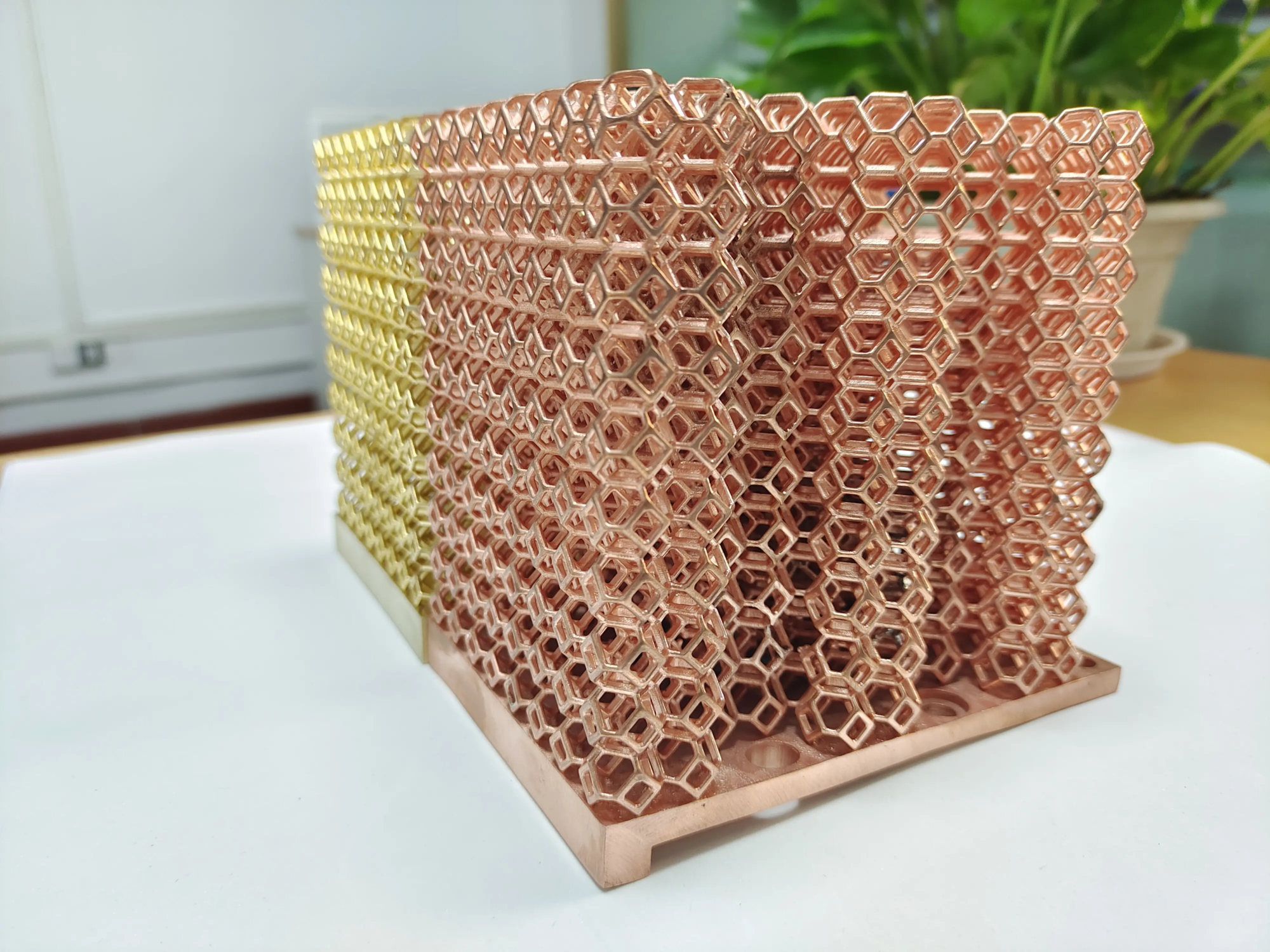
- Unlock complex geometries: Design complex internal channels, lattices, organic shapes that would be impossible to achieve with traditional wax sculpting/modelling.
- Speed and efficiency: Models can be created faster than hand waxing; multiple patterns can be printed in batches at the same time.
- Unparalleled accuracy and repeatability: Ensure consistency across multiple copies of complex designs.
- Reduce material waste: There is minimal waste compared to milling metal directly.
- Simplified prototyping: Rapidly produce iterations of functional metal prototypes before using expensive tooling.
- Design freedom: Offering the possibility for truly customized, personalized items.
Key considerations and challenges:
- Design expertise: An in-depth understanding of casting principles (sprue placement, orientation, shrinkage allowance) required to be integrated into the CAD model and printer setup.
- Printer accuracy: High-resolution printers (usually micro SLA/DLP) are required to capture fine details.
- Resin processing and post-processing: The cleaning and curing process must be meticulous to avoid surface defects and ensure a clean burn.
- Investment and burnout capabilities: Success depends critically on choosing the right investment materials and executing a precise burnout cycle.
- cost: High-resolution printers and specialized resins are an investment; best suited for businesses with adequate throughput.
Highlights of Pourable Resin Printing: Applications
- Jewelry manufacturing: Dominates the world of intricate rings, pendants, chains, custom engagement rings and mass customization.
- Dentistry and Orthodontics: Produces crowns, bridges, braces, partial dentures, and orthodontic appliances.
- Advanced prototyping: Functional metal prototypes requiring complex geometries or internal features.
- Art and Sculpture: Create detailed sculptures and artwork for casting a variety of metals.
- Industrial casting: Special metal parts are produced in small batches.
Bringing it all together: the future of complex metal parts
Castable resin 3D printing is more than just a tool; This is a transformative workflow. It enables designers and manufacturers to push creative boundaries and achieve things previously unimaginable with traditional methods. The journey from digital concept to gleaming metallic reality involves a complex dance – precise printing, meticulous cleaning, expert investment and controlled casting. Success requires high-quality materials, advanced equipment and deep process knowledge.
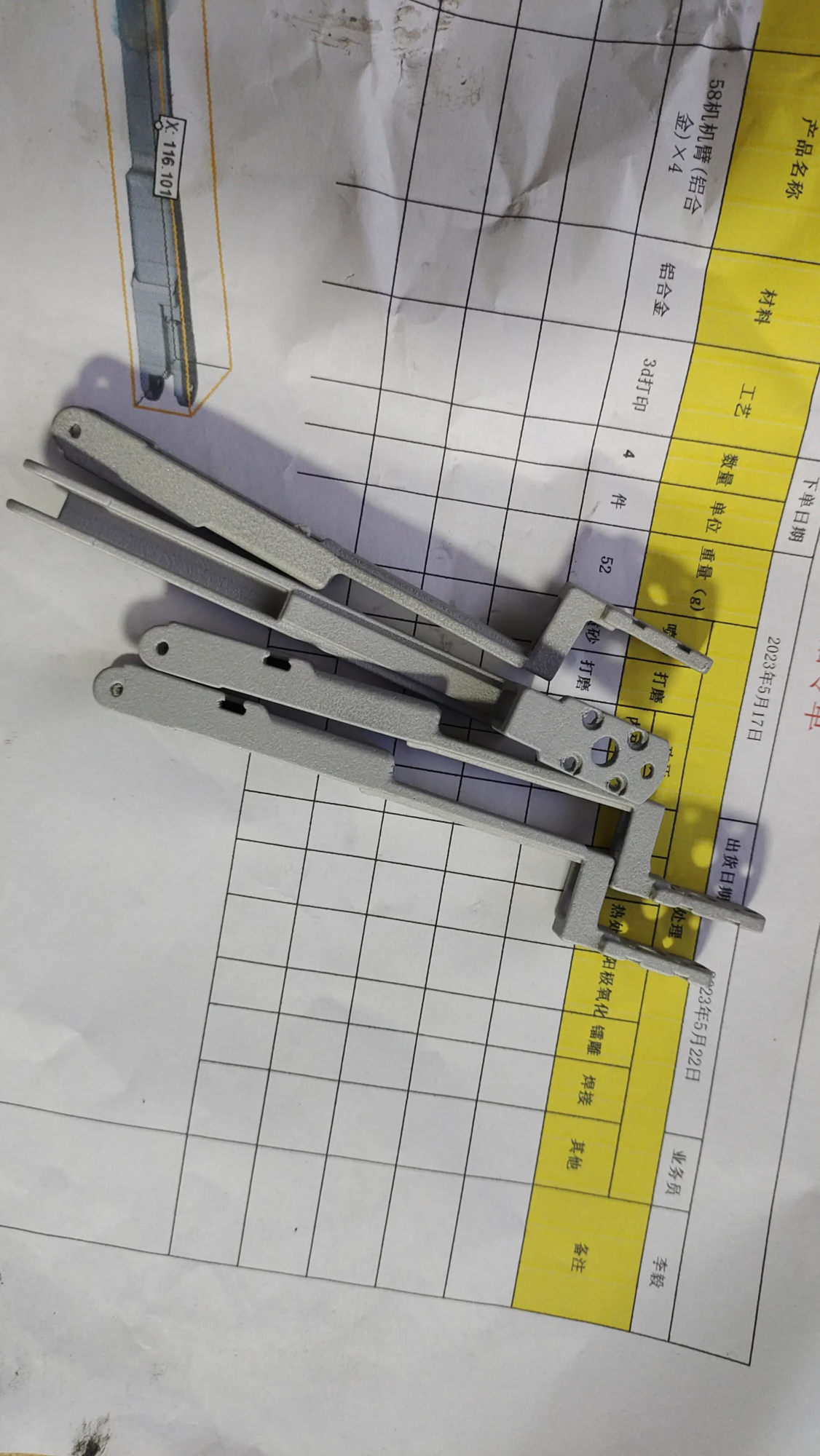
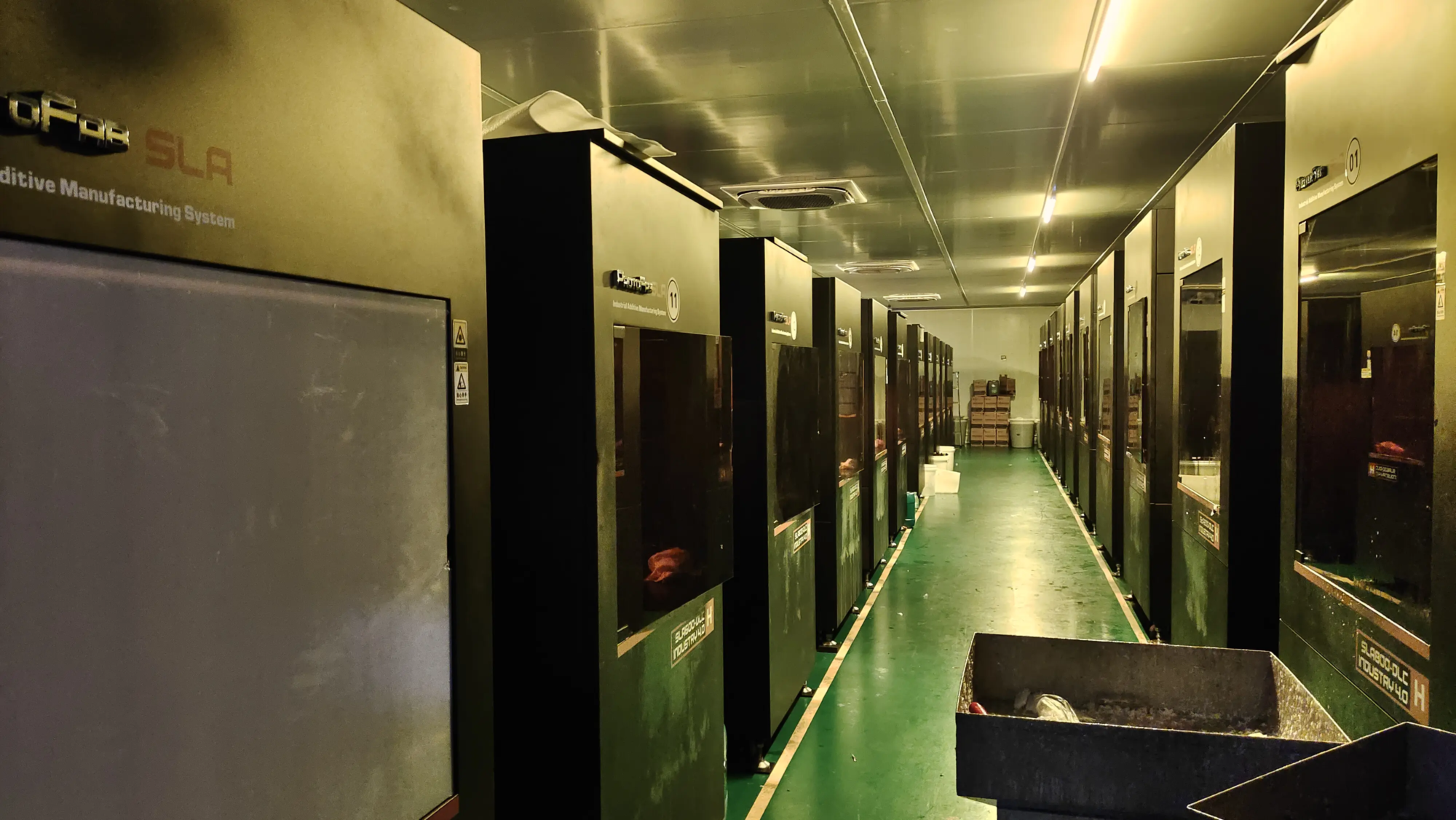
This is where expertise comes in, e.g. huge light become priceless. As a specialist rapid prototyping manufacturer, GreatLight utilizes cutting-edge SLM 3D printers and deep expertise in resin-based casting workflows. We don’t just print; we specialize in solving complex metal part rapid prototyping problems. From understanding the nuances of casting resin selection and print optimization to providing comprehensive post-processing (cleaning, casting, investment coordination, finishing), GreatLight offers a true one-stop solution. Whether you need a single complex jewelry prototype or a small batch of complex industrial parts to be cast, we can make customizations quickly and cost-effectively. Experience the precision and reliability that make Greite one of the best rapid prototyping companies in China. Ready to transform your CAD dreams into tangible metal masterpieces? Customize your precision rapid prototyping parts today at the best prices!
in conclusion
Castable resin 3D printing is at the forefront of modern manufacturing, combining timeless casting techniques with cutting-edge additive technologies. It unleashes unprecedented design freedom, accelerates workflow and democratizes the creation of complex metal parts. Understanding its principles, materials and processes is key to unlocking its potential. Despite the challenges, the rewards in terms of complexity, speed and precision are huge, pushing industries such as jewelry and dentistry into exciting new frontiers. By partnering with experts like GreatLight who have advanced capabilities and end-to-end service, businesses can effectively leverage this powerful technology to ensure their complex metal designs become flawless realities.
FAQ: Cast Resin 3D Printing
Q: What is the difference between regular resin and cast resin?
A: Ordinary resin will cure permanently and will not burn completely. Castable resins are designed for high temperature burnout, complete decomposition with minimal ash/residue, preventing mold defects during the pouring process. They also have the ability to mimic wax and preserve fine detail.
Q: Can I use any SLA/DLP printer to print castable resin?
Answer: Although technically feasible, high resolution printer is essential. Jewelry and dental applications require feature sizes typically below 50 microns. Standard resolution amateur printers often lack the required precision. Professional micro SLA/DLP printers are highly recommended.
Q: What metals can I cast using resin printing?
A: Almost any metal alloy suitable for investment casting can be used: precious metals (gold, silver, platinum, palladium), non-ferrous alloys (bronze, brass), cobalt-chromium alloys, stainless steel, and even aluminum. The point of resin burnout is to create a clean mold cavity; the choice of metal has nothing to do with the printing process itself.
Q: Why? "Ashless" Is burnout so important?
A: Any ash or carbon residue left after burnout will take up space within the mold cavity. As molten metal fills the mold cavity, these residues create defects—roughness, voids, bubbles, or inclusions—that destroy the surface quality and potentially compromise the structural integrity of the final metal casting.
Q: How durable are castable resin prints before casting?
Answer: They do Some Fragile compared to traditional wax, but usually strong enough to be handled, poured and embedded with care. However, they are still more fragile than engineered resins. Removal of supports requires care.
Q: How complex can a design actually be?
Answer: Very complicated! Castable resin printing excels at intricate filigree, lattice structures, undercuts, internal channels and fine surface details that are either unachievable or prohibitively expensive with traditional methods. The limitations tend to lie more in the casting process itself (metal flow, venting) than in printing.
Q: Is cast resin printing expensive?
A: The upfront costs are high: high-resolution printers and specialized resins are not cheap. However, for applications requiring complex geometries, customization, or repetitive production, the speed, waste reduction, and design advantages compared to traditional wax pattern making can often result in significant cost-per-part savings, especially in high-volume or complex designs.
Q: Can GreatLight help with the entire process, not just printing?
Answer: Of course! huge light Focus on rapid prototyping as a total solution. We can advise on casting resin selection, accurately print your models on state-of-the-art equipment, and provide a comprehensive service One-stop post-processing This includes cleaning, pouring, arranging expert investment/firing/casting services through specialist partners and finishing of metal components. Let us handle the complexity while you focus on the design!