Understanding and preventing thermal runaway in 3D printing: Safety Commands
Thermal escape is one of the most critical safety hazards in 3D printing, a self-enhanced chain reaction, where the printer’s heating elements are out of control and reach dangerous high temperatures. Most severely, this can lead to electric fire, release of toxic smoke or catastrophic damage to expensive equipment. For professionals and amateurs, understanding and preventing heat escape is not just beneficial, which is impossible for safe operation.
What causes heat to runaway?
When the printer’s temperature feedback system fails, thermal runaway occurs, resulting in uncontrolled heating. Common triggers include:
- Sensor failure: Disconnected, damaged or incorrectly installed thermistor (temperature sensor) send false "Low temperature" signal that prompts the heater to keep the heater heated.
- Firmware failure: Outdated or poorly configured firmware may ignore security checks or misread sensor data.
- Electrical problems: Short circuit, damaged wiring or failed MOSFET (control heater power) may cause continuous flow to the heater.
- Block airflow: Dust builds up around heating elements or enclosed printers without ventilation traps.
- Material burning: Some plastics (e.g., ABS) release flammable gases when overheated, increasing fire risk.
Mitigation strategies: Hardware and firmware essentials
Preventing thermal runaway requires active hardware maintenance and smart firmware guarantee:
Hardware best practices:
- Thermistor integrity: Check regularly for damage to the thermistor or loose connection. Secure the sensor tightly in the heater block using a high temperature adhesive.
- MOSFET upgrade: Replace the inventory MOSFET with components that exceed the specification to prevent burnout. Make sure all wiring is shielded and away from moving parts.
- Fusion and protection: Install a thermal fuse on the heater as a fail-safe. If the temperature exceeds a threshold (e.g., 250°C), these automatically reduce power.
- Shell management: The housing used for the heat pipe exhaust fan. Never leave the print unattended in a sealed room with flammable filaments.
Firmware and software protocols:
- Enable thermal runaway protection: Modern firmware like Marlin or Klipper includes this feature –Make sure it is activated In your settings! It constantly compares the sensor readings to the expected values and stops heating if there is a difference.
- Calibrated PID adjustment: Perform conventional PID (proportional integrated derivative) automatic adjustment to optimize heater response to temperature targets.
- Software monitoring: Take advantage of tools such as Bapurin with security plugins (for example, Rich) Remind the user for exceptional situations and allow remote shutdown.
Great Commitment: Industrial Safety in Additive Manufacturing
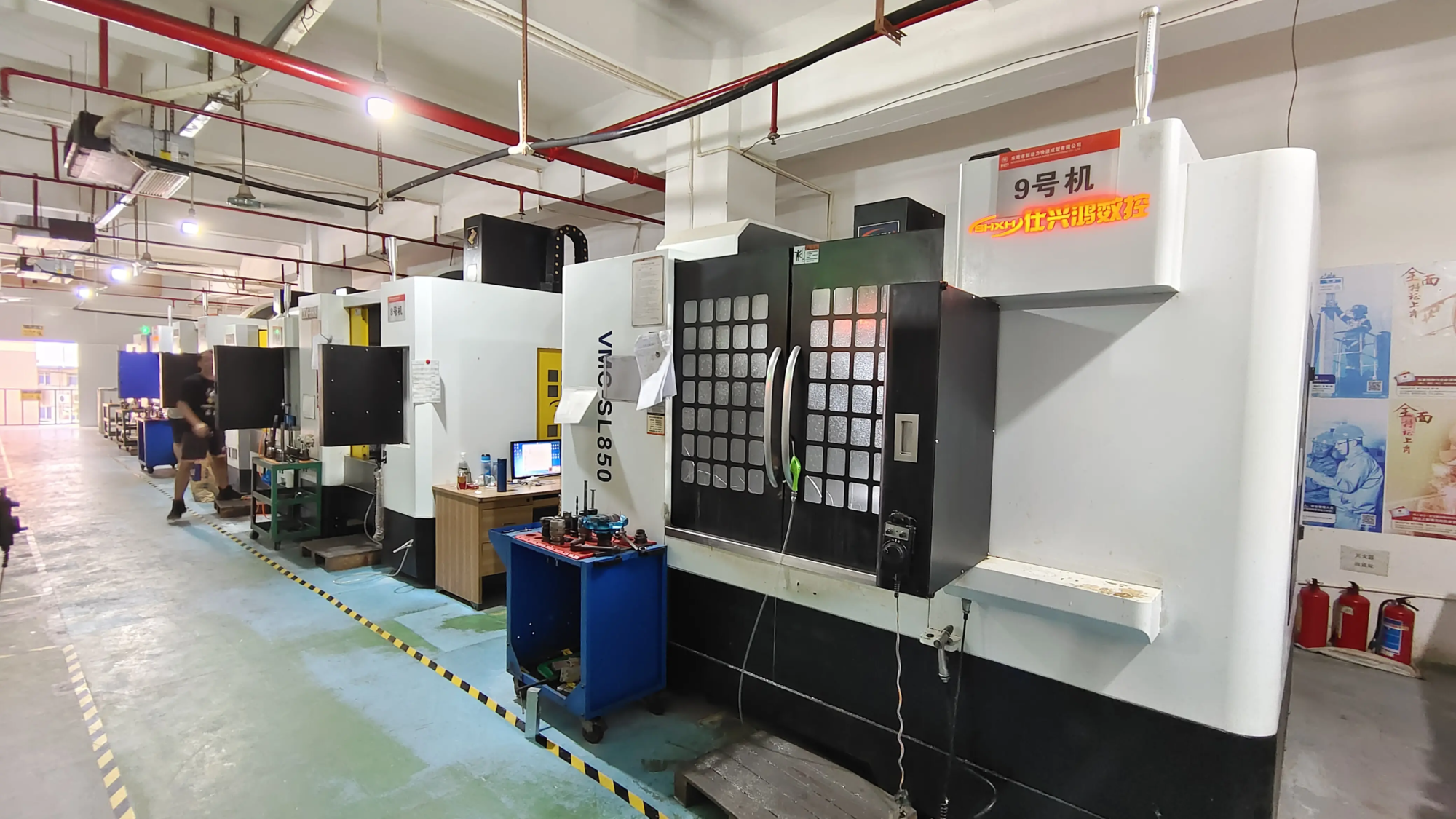
exist GreatChina’s leading rapid prototype innovator, thermal safety is designed in every project. We operate advanced industrial SLM (Selective Laser Melting) 3D printers equipped with multi-layer protection:
- Triple sensor: The critical components use multiple thermocouples to cross-verify temperature data to prevent single point failure.
- Automatic shutdown system: If an exception occurs, proprietary firmware triggers instant cuts and inert gas flooding in the room.
- Strictly maintained calendar: Printer is performing weekly wiring integrity, sensor calibration and firmware updates.
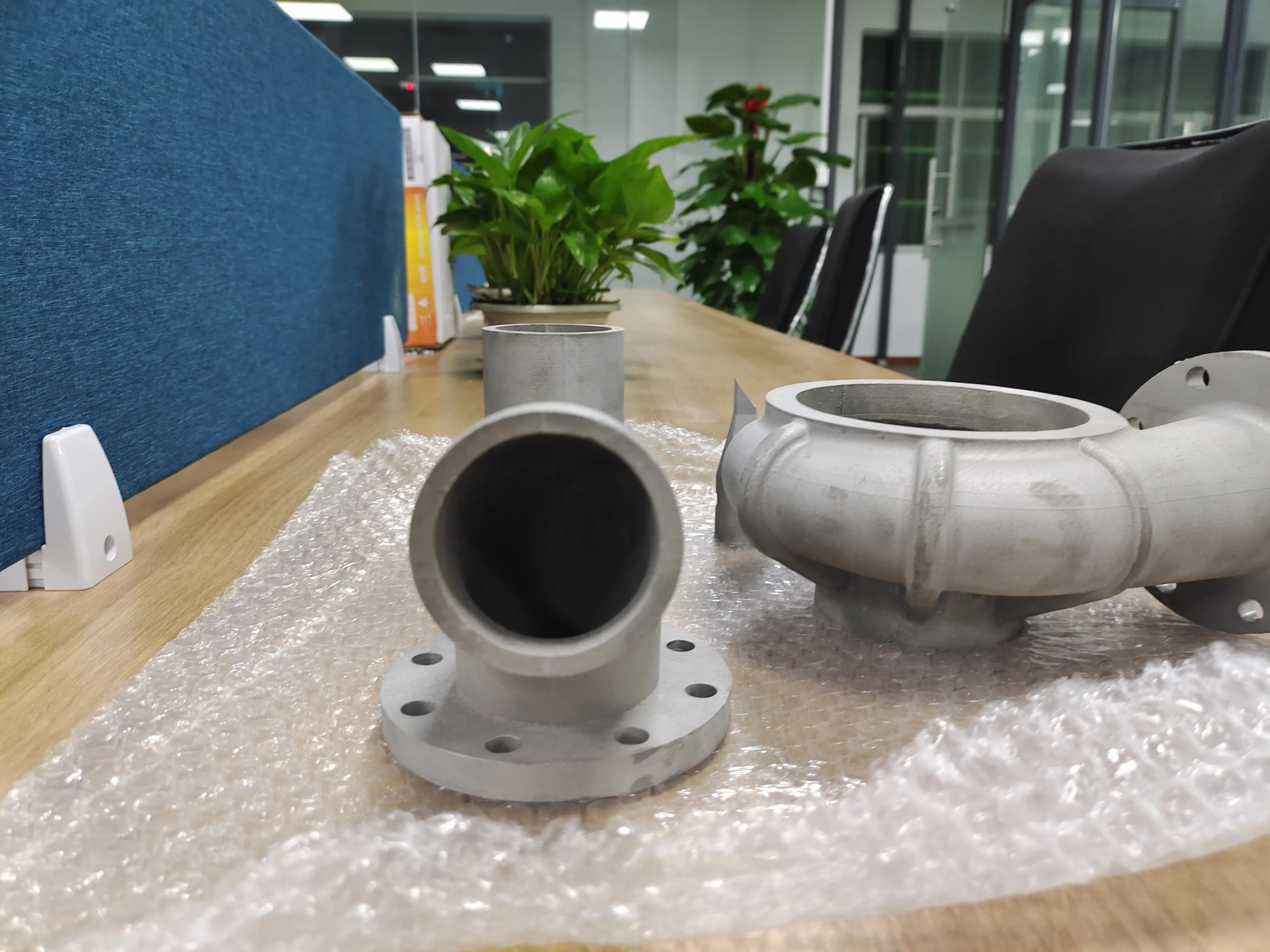
In addition to safety, our professional rapid prototyping services solve complex metal parts challenges – one-stop solution from design to post-treatment (heat treatment, CNC finish, surface coating). From titanium alloys to tool steel materials, we offer precision parts tailored to the aerospace, medical and automotive industries – reliable, reliable, and safe.
in conclusion
Preventing thermal runaway is the cornerstone of responsible 3D printing – whether it is running at home or in industry. By combining vigilant maintenance, smart firmware configuration and industrial-grade assurances, such as those used by Greatlime, users can greatly mitigate risks. In the worst case, negligence leads to fire; at best, printer damage and productivity damage. Prioritizing thermal safety can protect your investment, the environment and most importantly yourself.
FAQ About 3D printer thermal runaway
Q1: Will the bed and heater get heated out of control?
A: Yes. If both the nozzle heater and the printing bed can experience out of control if their temperature feedback cycle fails. Always activate protection Both System in firmware.
Q2: How do I know if my printer has thermal runaway protection enabled?
A: Compile and run firmware tests (for example, "M123" In Marlin) or trigger a manual test by disconnecting the thermistor during preheating (only in a controlled environment!). The printer should stop within a few seconds.
Q3: Will fences increase my risk of thermal runaway?
A: The casing can capture heat, increase ambient temperature and add pressure to the cooling system. When printing high-temperature materials such as ABS, use a fence with a ventilated fan and avoid using an airtight setting.
Q4: What fire safety equipment should be around my 3D printer?
Answer: Keep it c Nearby fire extinguishers (rated as electric fire). Smoke detectors and remote kill switches are also recommended.
Q5: How often should I perform a safety check?
A: For amateurs: Check wiring and test firmware monthly. Industrial operators (like Greatlight) recommend checking the calibration records weekly.
Q6: Will thermal runaway damage part of my printing?
Answer: Absolute. Overheating can distort the printing, resulting in layer separation or reduced mechanical properties, especially in engineering resins or metal powders during the SLS/SLM process.
Q7: Modern thermal runaway is a risk "off the shelf" printer?
A: Newer models usually have protection enabled, but always verify the firmware settings yourself. Budget printers can sometimes reduce the cost of MOSFETs or wiring – be careful and upgrade components if needed.
Improve the safety and accuracy of your next project. Cooperate with it Great– Rapid prototyping is in place where uncompromising quality. Contact us today for custom metal parts with excellent design.