Double-Edged Sword: Exploring the Reality of 3D Printed Guns
The emergence of affordable 3D printing technology has unlocked huge potential in countless industries, revolutionizing prototyping, manufacturing and customization. However, its accessibility also intersects with a highly sensitive area: gun production. "printing guns" – Guns made using additive manufacturing processes – have sparked fierce debate around safety, legality and ethical responsibility. Navigating this complex landscape requires a clear understanding of the significant risks and the complex web of laws that govern them.
Deconstructing printed guns
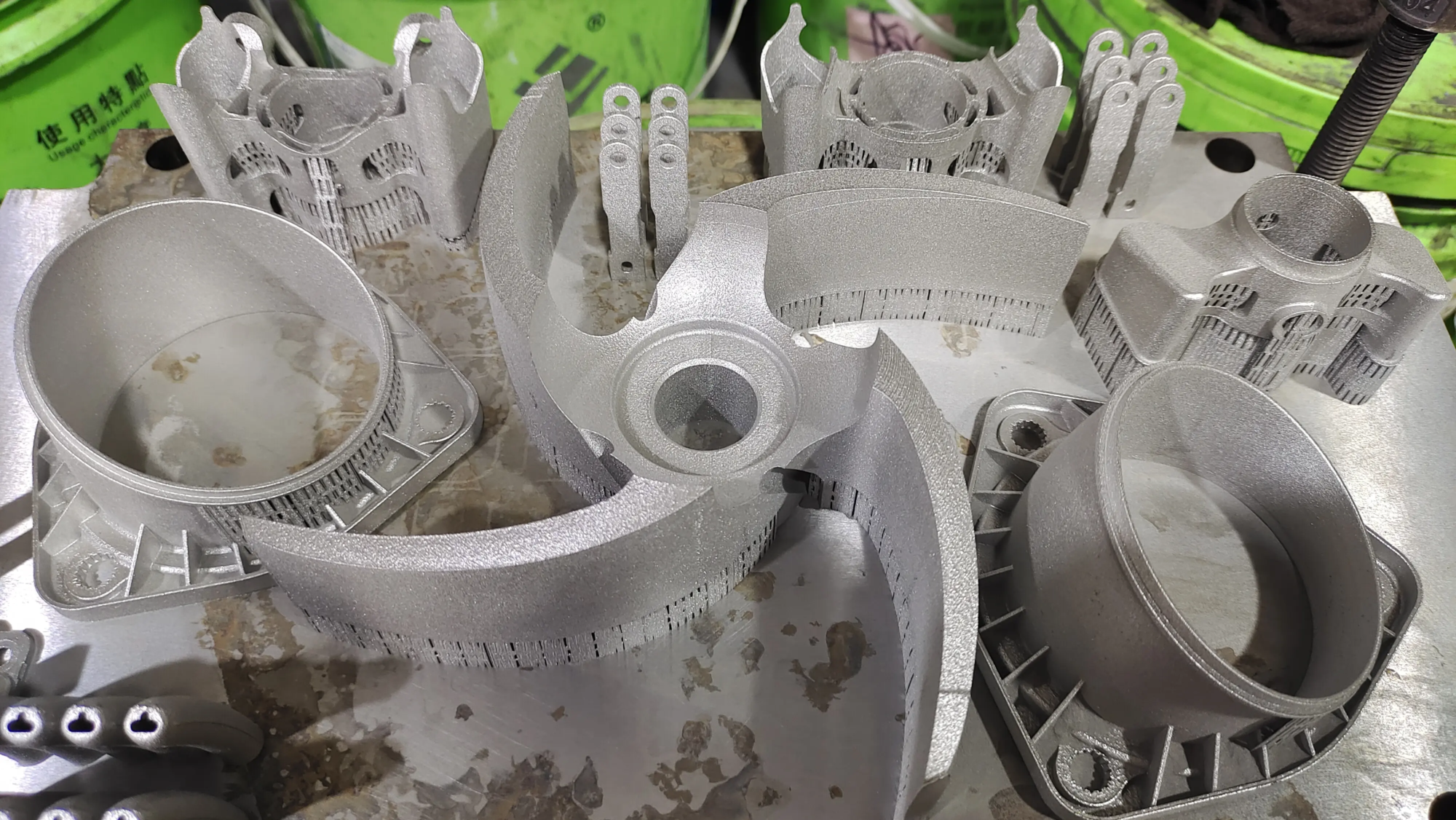
Essentially, printing a gun partially or entirely utilizes 3D printed components. Typically, key components like the lower receiver (which houses the trigger mechanism and is legally considered a firearm in many jurisdictions) or a specific frame are printed from plastic or, increasingly, from metal powder using advanced technologies such as Selective Laser Melting (SLM). Critical pressure-bearing components, such as barrels or bolts, may still be conventionally manufactured metal parts that come from elsewhere or are integrated with printed components.
For some, the appeal is circumventing regulated supply chains. Plans or CAD files of gun parts have proliferated online, causing deep concern.
Facing major risks
Moving beyond the hype requires acknowledging the very real dangers associated with printing guns:
-
Catastrophic safety hazards: This is the most important thing. Commercial firearms undergo rigorous metallurgical testing and quality control. Printed parts, especially those made from common plastics (PLA, ABS) or even sub-optimal printed metals, may lack the necessary structural integrity to repeatedly withstand significant firing stresses. Risks include:
- Weaknesses under pressure: Printed materials, especially polymers, may crack, break, or deform under the chamber pressures generated by ammunition.
- Layering: Most 3D printing builds objects layer by layer. Imperfect bonding between layers creates weak links prone to catastrophic failure.
- Material degradation: Polymers degrade rapidly under the heat and stress cycles inherent to firearm operation.
- Potential hazards: Failure during firing could result in serious injury or death to the user and bystanders from shrapnel, escaping gases, or uncontrolled projectile paths.
-
Unreliable performance: Printed firearms often suffer from the following problems:
- Poor accuracy due to inconsistent barrel alignment or tolerances.
- Jamming and misfires often occur due to imprecise geometry or weak mechanisms.
- Durability is extremely limited, typically lasting only a few shots before breaking down or requiring constant repairs.
-
Untraceability and circumvention: Printing firearms, especially those made entirely of plastic parts that lack serial numbers, presents significant challenges to law enforcement:
- Ghost gun: They can bypass background checks and serialization requirements, making them largely untraceable "Ghost gun."
- Illegal access: In theory, the ease of production increases the likelihood of entry by prohibited persons.
- Social and safety issues: The widespread and uncontrolled distribution of designs has heightened concerns about:
- Increased opportunities to circumvent legal controls to obtain weapons.
- Due to untraceability, it may be used for criminal activities.
- Circumvent international arms embargo.
A complex legal environment: dealing with strict regulations
Ignorance of the law is no defense. The manufacture, possession, transfer and distribution of printed firearms are subject to strict domestic and international regulations. The laws vary widely, but several key principles are consistent:
-
In many jurisdictions, printed firearms = regulated firearms: Printed components that meet legal definitions in countries regulated by the Bureau of Alcohol, Tobacco, Firearms, and Explosives (ATF), such as the United States "firearm" (usually a frame or receiver) is regulated in exactly the same way as its traditional counterpart. This means:
- license: Manufacturers require a Federal Firearms License (FFL).
- Serialization: Firearms must carry a unique serial number registered with the manufacturer.
- Background check: Transferring a firearm requires a background check through FFL.
- Undetectable Firearms Law: Federal law specifically prohibits firearms that cannot be detected by standard security inspection equipment (e.g., all-plastic firearms that fail security inspection) "3.7 ounces metal inclusions" test).
-
Strict restrictions in many countries: Many countries, including Australia, much of Europe (under the EU Firearms Directive) and the UK, have stricter laws. It is illegal to manufacture firearms without a specific and often difficult-to-obtain government license. Unauthorized possession is a serious offence. Marketplace hosting downloadable gun files faces legal pressure.
-
Criminalize undetectable firearms: Many jurisdictions explicitly ban firearms designed to evade detection by metal detectors or X-ray machines.
- Document Distribution Responsibilities: Due to public safety concerns, governments are increasingly scrutinizing platforms and individuals that distribute CAD files of firearm components and exploring legal avenues to restrict access.
Preventing abuse: the role of responsible manufacturers
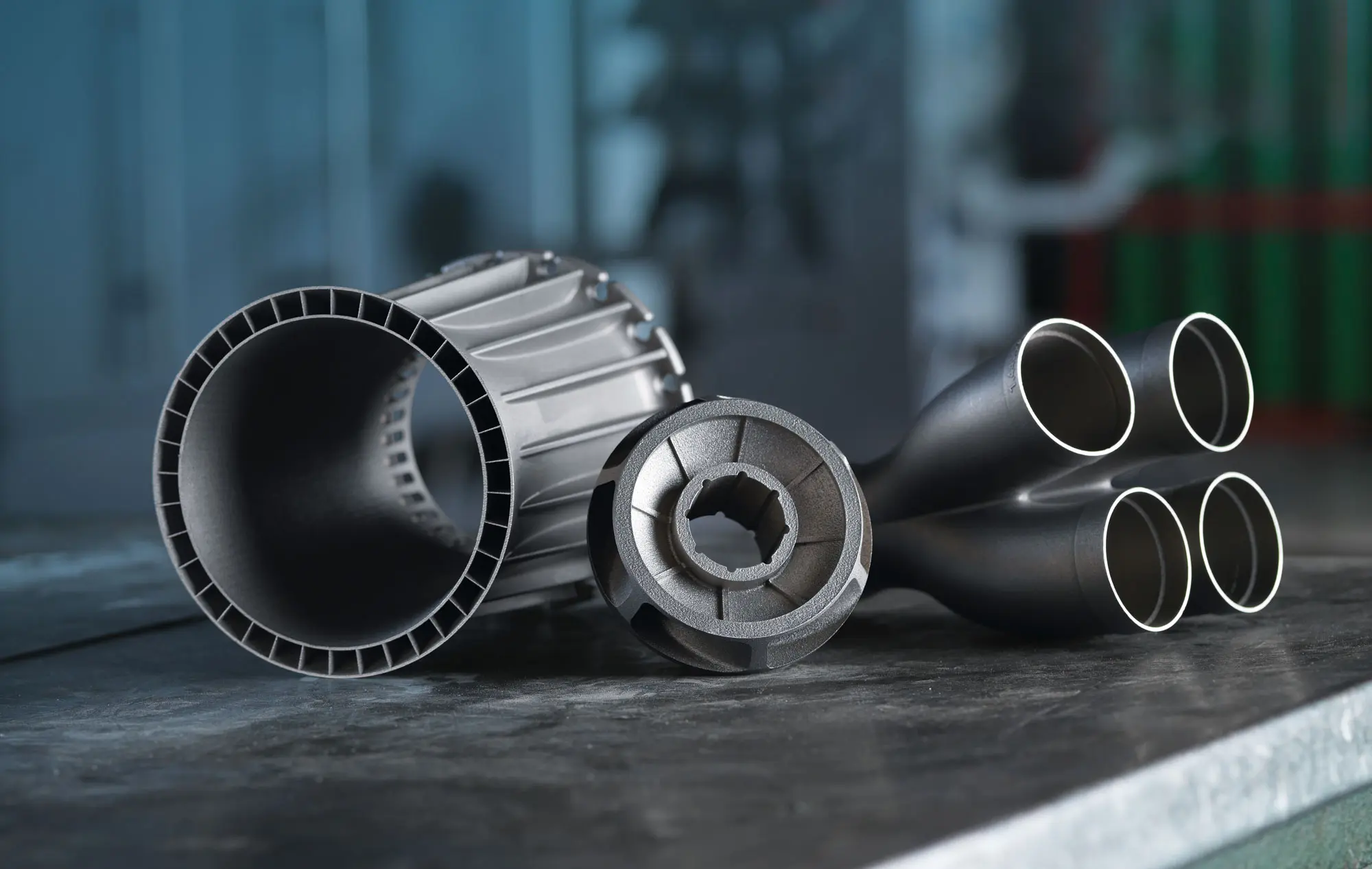
The cutting-edge capabilities that enable printed firearms, such as SLM metal printing, are the same technologies that drive legitimate innovation in aerospace, medical, automotive, and industrial prototyping. The difference is application and intent.
Responsible manufacturers such as huge light Operate within clear ethical and legal boundaries:
- Strictly comply with: Compliance with all international, federal and local regulations is non-negotiable.
- Ethics supervision: Robust internal policies proactively review applications and reject items involving illegal items, including firearms or parts used in the unauthorized manufacture of firearms.
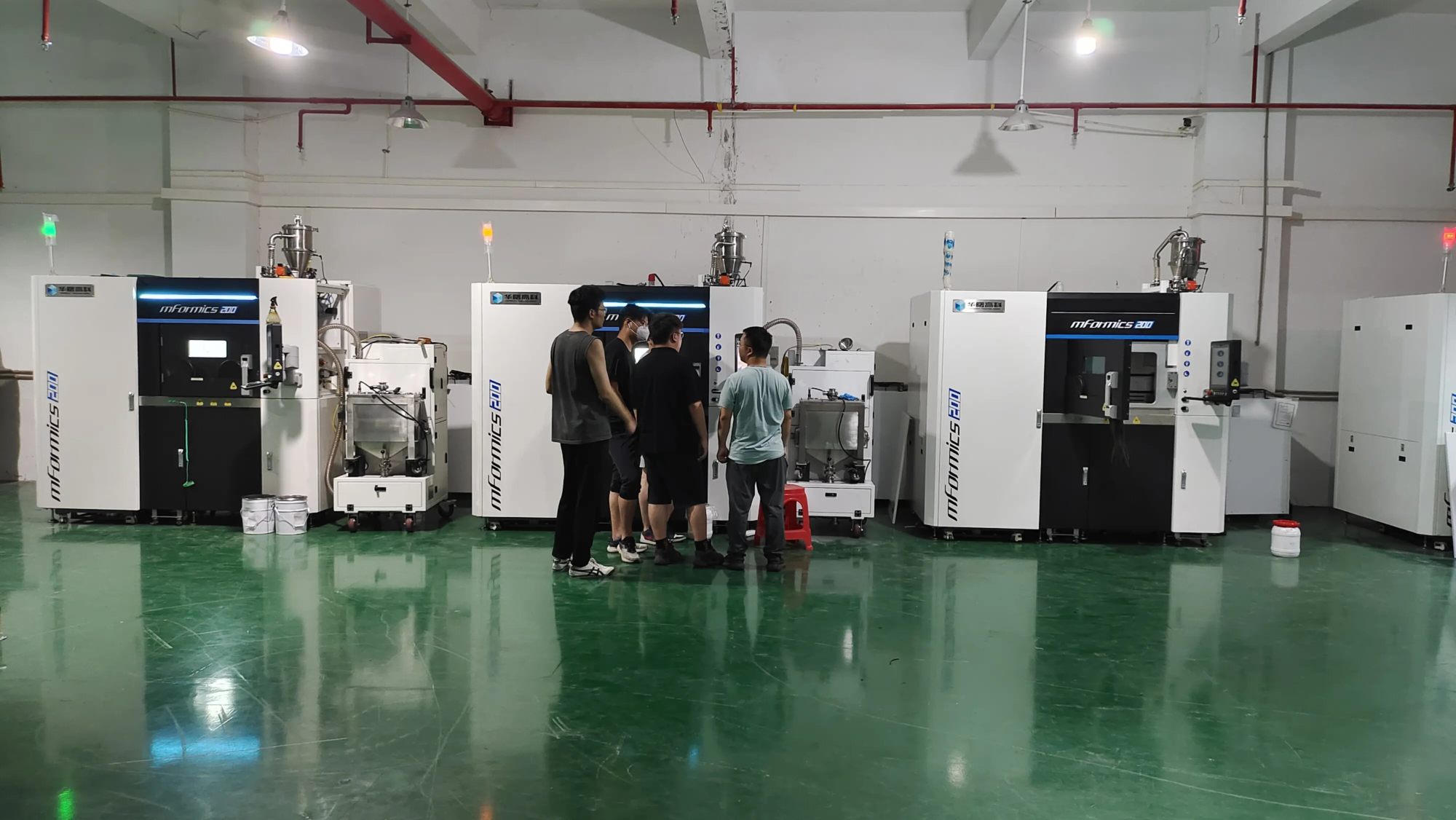
- Materials expertise: While there are advanced SLM 3D printers capable of producing high-strength metal parts, this capability is strictly reserved for licensed industrial, medical, R&D, and consumer product applications where safety and legality are critical. Our expertise ensures parts meet the highest standards – for its intended authorized purpose.
- Focus on legal innovation: Expertise in rapid prototyping and precision metal fabrication is used to solve complex engineering challenges, reduce development time for safe products, and enable breakthroughs—not circumvent the law.
Conclusion: Technology requires responsibility
3D printed guns represent a gross misuse of a revolutionary manufacturing technology. Significant safety risks posed by unreliable construction and material limitations present clear physical dangers. At the same time, they have the potential to circumvent established legal frameworks regarding gun control and traceability, which also poses social challenges.
The legal landscape is complex and clear: In much of the world, it is illegal to manufacture, possess, or distribute printed firearms without strict compliance with strict regulations. Undetectable firearms are generally prohibited.
as a pioneer rapid prototyping Utilizing advanced SLM metal 3D printing, huge light Demonstrates responsible application of this powerful technology. We leverage our capabilities to drive legal, ethical innovation across diverse industries, strictly adhere to regulatory compliance and prioritize safety. We remain committed to pushing the boundaries of manufacturing excellence strictly within the bounds of legal and social responsibility. True technological progress requires no less.
FAQ: Printing Guns – Risks and Laws
Q1: Are 3D printed firearms really useful?
A: While crude plastic designs or hybrid designs can sometimes fire a limited number of bullets, they are notoriously unreliable and dangerous. Functionality does not equate to safety or usability under actual conditions. Metal-printed guns may offer greater reliability than traditionally manufactured guns, but still face significant material science and engineering validation challenges.
Q2: Is the plastic printing gun undetectable?
Answer: A pure plastic gun is possible. However, in the United States, the Undetectable Firearms Act states that any firearm must contain enough metal to be detected by a security scanner. Similar laws exist elsewhere. Effectively printed firearms often contain metal parts (barrel, firing pin) that make them detectable. It is illegal to manufacture plastic firearms that are completely undetectable.
Q3: Is it legal to download files for 3D printed gun parts?
A: Legality is complex and evolving rapidly. In the United States, it is generally not illegal to possess these documents under federal law itself, but If state law is also taken into account, it would be illegal to use these documents to manufacture ATF-regulated firearm components (such as receivers below) without a license. There are legal challenges to distributing the documents. Outside the United States, downloading such files may violate the gun laws of many countries. Be sure to check local regulations – ignorance is no defense.
Q4: Can anyone legally make a gun at home?
A: In the United States, federal law allows individuals to manufacture firearms for the following purposes: personal use No FFL, provided it is not a prohibited weapon (like a machine gun) and complies with the Undetectable Firearms Act. cruciallythis prohibited person (felon) cannot do this. However, state laws vary widely—some states explicitly ban home manufacturing regardless of federal law. manufacturing Intent to sell FFL is required.
Q5: Will advanced metal printing (such as SLM) make printed firearms safer?
A: Metal printed parts able Possibility to achieve higher strength than plastic parts, thereby reducing the risk of immediate catastrophic failure if Use the right materials for the best prints, verified by rigorous testing. However, "safer" does not mean "safe" Or more reliable than proven commercial firearms that have undergone rigorous manufacturing standards and testing. Furthermore, successfully producing functional metal firearms through printing requires a vast amount of expertise that is well beyond the capabilities of an amateur. Crucially, It remains illegal to manufacture metal gun parts without the proper federal license.
Question 6: How can responsible manufacturers prevent their technology from being misused to print guns?
Answer: A company like this huge light Enforce strict protocols:
- Comprehensive project approval: Review customer requests, intended use, and project specifications.
- Comply with regulations: Strictly adhere to export controls, ITAR (International Traffic in Arms Regulations) and domestic firearms laws.
- Ethical Commitment: Establish a clear policy prohibiting the manufacture of firearms or parts that lack appropriate licensing authority.
- Technical supervision: Hire experts who understand the limitations of materials and the boundaries of ethical application. Our SLM technology serves legitimate engineering innovation, not illegal activity.
Responsible innovation partner
exist huge lightwe use advanced power SLM 3D printing and precision machining, providing unparalleled rapid prototyping solution. Our expertise unlocks innovation in aerospace components, complex medical devices, rugged automotive components and complex industrial designs. We prioritize material integrity, dimensional accuracy and rigorous post-processing to meet the highest industry standards – all underpinned by a strong commitment to legal compliance and ethical manufacturing.
Ready to realize your next breakthrough project quickly and accurately? Let Gretel be your trusted partner in responsible high-tech manufacturing.