Print the Serenity Symphony of Waterfalls: Your DIY Fountain Design Journey
Gentle cascades, soothing whispers, dancing reflections – fountains impart a deep sense of calm. Traditionally, creating custom fountains required specialized craftsmanship and was expensive. But what if you could design and create a unique water feature exactly according to your vision? Welcome to the world of revolution "Print waterfall" – Advanced manufacturing technologies such as Selective Laser Melting (SLM) 3D printing enable DIY enthusiasts and designers to turn complex fountain dreams into reality.
Beyond stone and concrete: Technology drivers for custom cascades
Gone are the days when intricate water features were limited to sculpted stone or molded concrete. modern rapid prototypingspecial SLM and other metal 3D printing technologiesbreak down barriers:
- Unleash complex geometries: Think intricate meshes, hidden internal passages that mimic natural erosion patterns, or organic, bionic shapes that cannot be carved or cast. SLM uses high-powered lasers to build parts layer by layer from powdered metal, melting precise points to create fully dense components of stunning complexity – perfect for creating unique fountain nozzles, pools with integrated reservoirs, or sculptural elements that direct water flow.
- Prototyping to production speed: Need to test multiple nozzle designs for perfect water results? SLM allows for rapid iteration. Design concepts digitally in CAD, print functional prototypes in days, test their fluid dynamics, refine and reprint. This speed reduces the design process from months to weeks, making custom fountain development incredibly agile.
- Material Versatility: While stone is beautiful, metal offers unique advantages. Stainless steel (such as 316L) has excellent corrosion resistance under continuous exposure to water. Titanium offers lightweight, strength and unique beauty. Special alloys can create specific visual effects. Polymer printing options such as resin-based SLA for complex decorative cladding or durable SLS nylon for functional parts also come into play. Rapid prototyping offers options and ability.
Make Your Hydrated Masterpiece: A DIY Guide
Ready to turn your fountain vision into a reality? Here’s how rapid prototyping fits into your DIY journey:
- Concept and design: Start with inspiration! Sketch ideas, define proportions, and determine water effects (trickles, waterfalls, bubbling geysers). Consider fluid dynamics – how will water enter, flow through and out of your design?
- Digital modeling (CAD): Convert sketches into accurate 3D models. Software like Fusion 360, Blender or SolidWorks are crucial. Focus on:
- Functional components: Design nozzle (internal channels control spray pattern), pump/pipe housing, overflow system and collection basin. Assembly factors (threads, connectors).
- Aesthetic elements: sculptural borders, decorative covers, unique splashbacks, stands. Keep the walls thick enough for printing.
- Material selection: Key considerations:
- Water contact: Prioritize corrosion resistance. For metals, stainless steel 316L is the way to go. For polymers, choose UV-resistant and water-resistant materials such as industrial SLA resin (post-cured), SLS Nylon 12 or specialty filaments.
- Strength and durability: Ensure parts can withstand water pressure, assembly stress and environmental exposure.
- aesthetics: Metal gives a modern industrial look. Polymers can be painted or post-treated to achieve different finishes.
- Take advantage of rapid prototyping: This is where GreatLight comes into play on complex or metal parts. Upload the final CAD file:
- Functional prototyping: Quickly print and test nozzle designs to ensure they create the desired spray pattern before committing to final material.
- Direct production: Print final durable metal or high-performance polymer parts ready for assembly. GreatLight’s expertise ensures design feasibility and avoids common printing pitfalls (overhanging support structures, preventing warping).
- Necessary post-processing: The original print needs to be sorted:
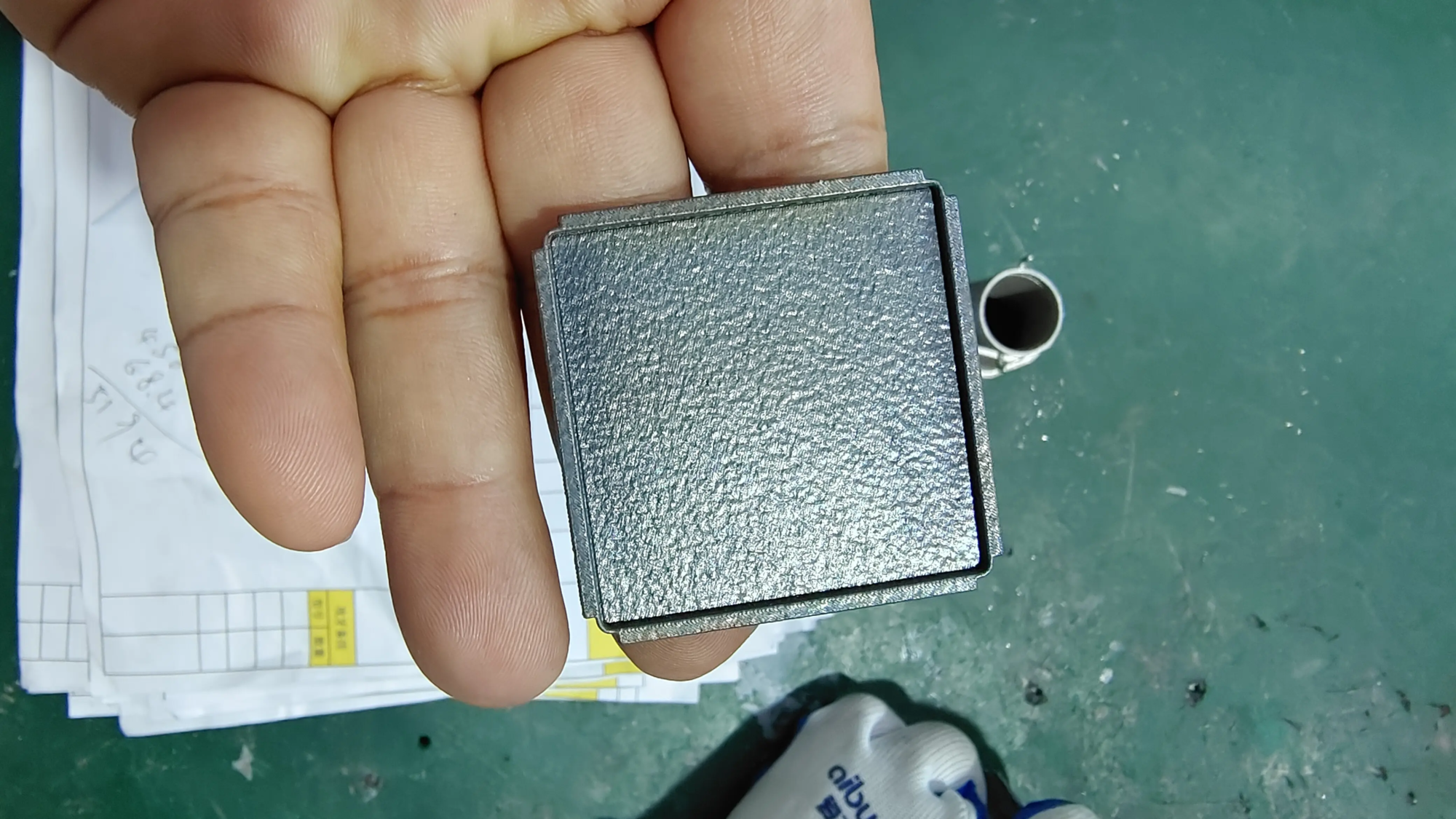
- Metal: The support structure is removed and the surface prepared – precision surface machining, highly polished basin/reservoir, sandblasting to achieve a uniform matte finish, and possibly electroplating to achieve color.
- polymer: Remove supports, sand, paint (use marine grade paint for prolonged exposure), seal or polish. Honglaite provides comprehensive one-stop finishing services tailored to fountain parts.
- Assembly and fluid dynamics: Assemble the printed components with pipes (pipes, pumps), water reservoirs and any external structures. Let the no-frills test begin! Experiment with the flow rate of the pump – it can drastically change the behavior of the water. Make sure the connection points are leak-proof. Add lights for a dramatic nighttime effect.
- Install: Place the completed fountain indoors or outdoors to ensure stability and ease of future maintenance. Enjoy what you create!
Why choose rapid prototyping for your fountain revolution?
- Ultimate customization: Get rid of existing limitations. Designed exactly as you envisioned.
- Standard complexity: Create lightweight, complex shapes not possible with traditional methods.
- Speed and agility: Iterate on designs quickly and get parts faster than traditional manufacturing.
- Material properties: Engineered materials provide superior durability and longevity in wet environments.
- Scalability: Ideal for one-off custom projects or low-volume production.
Conclusion: From digital bytes to cascading reality
The integration of advanced rapid prototyping technologies, specifically metal SLM 3D printing, radically democratizes the creation of custom water features. "Print waterfall" This isn’t science fiction; this is a practical DIY path powered by cutting-edge manufacturing technology. By combining personal creativity with the precision and materials capabilities provided by professional prototyping services, anyone can design and build a fountain that is unique, functional, and visually stunning. Whether it’s a simple tabletop waterfall or a sculptural garden centerpiece, your perfect water symphony is waiting to be created. Embrace the fusion of technology and tranquility.
FAQ: Printing Waterfalls Using Rapid Prototyping
-
Q: Is 3D printing strong enough to create a fountain?
one: Absolutely! When the correct materials and production processes are used, yes. Metal prints, especially stainless steel 316L printed via SLM, are very strong, dense and corrosion-resistant, making them ideal for functional fountain parts exposed to constant water. High-performance polymers such as SLS nylon or appropriately processed resins are also suitable for less stressed components or housings. Design optimization (wall thickness, geometry) and professional printing ensure durability. -
Q: Can I print? all 3D printed fountain?
one: Although it is possible to print many complex structural and functional components (nozzles, basins, housings, decorative elements), you still need off-the-shelf parts:- electric water pump
- Pipes/hoses for water delivery
- Waterproof sealants/adhesives
- May be structural foundation, depending on size.
Print specializes in custom design elements that define a fountain’s uniqueness and functionality.
-
Q: What are the best materials for outdoor 3D printing fountains?
one: For harsh outdoor environments, Stainless steel 316L It is the metal of choice due to its excellent water and weather resistance. If polymers are preferred, SLS Nylon 12 Has good UV resistance and durability. For resin prints, select Industrial grade, UV stabilized resin and ensures thorough post-curing and protective sealing/painting designed for outdoor use. Discuss environment details with your prototyping partner. -
Q: How to ensure that printed parts are waterproof?
one: Several factors come into play:- Material selection: Corrosion-resistant metal (stainless steel) or inherently water-resistant polymers are the basis.
- Print density: Professional SLM and SLS printing produces nearly solid (high-density) parts that minimize inherent porosity. With proper curing, industrial resins can be made waterproof.
- design: Avoid designs with enclosed cavities where water can accumulate and stagnate. Easily incorporate drains.
- Post-processing: Metal parts can be sealed/polished. Polymer parts often require sealing (paint, marine-grade coatings, or specific sealants). Proper sealing of mating surfaces during assembly is critical.
- finishing: Services such as polishing or plating can further enhance water resistance.
-
Q: How much does it typically cost to 3D print DIY fountain parts?
one: Costs vary widely depending on:- Size and complexity of parts.
- Material of choice (stainless steel, titanium, nylon, etc.).
- Quantity (single piece vs complete set).
- Required post-processing/finishing (polishing, plating, painting).
Complex metal parts require a higher investment than polymer parts. However, SLM printing is surprisingly cost-effective compared to traditional custom machining of individual complex metal parts. Get a quote based on your specific CAD files.
-
Q: Can I use consumer-grade FDM printers (consumables) to print fountain parts?
one: simple internal Protective covers for pipe connectors and other components Painted/sealed decorative items possible Use materials such as ABS or PETG if Carefully sealed. However, For long life, structural integrity, reliable waterproofing and complex geometries, specialized processes such as SLM or industrial polymer printing (SLA, SLS) are highly recommendedespecially suitable for critical functional parts or outdoor use. Consumer FDM printing often suffers from porosity and layer adhesion risks and is not suitable for constant pressurized water flow. - Q: What finishing options will give the fountain parts the most professional look?
one: for Metal:- Mirror Polish: Create a stunning reflective basin.
- Sandblasted: Smooth, even, attractive matte finish.
- Plating: Adding an aesthetic layer (chrome, copper, brass) for color effects.
- Machined: Precise flat/sealing surfaces.
for polymer: - Smoothing/priming/sanding: For resin prints.
- Professional Painting: Requires plastic-compatible primer/sealer.
- Dyeing: Nylon SLS parts can absorb dyes.
Ready to transform your serene aquatic vision into a tangible reality? The possibilities unlocked by rapid prototyping are enormous. Whether you’re refining a design prototype or preparing a production-grade metal part, working with an expert ensures success. huge lightAs a leading rapid prototyping manufacturer, it brings deep expertise in SLM metal printing and comprehensive finishing solutions. With state-of-the-art equipment and a commitment to solving complex manufacturing challenges, we enable designers and DIY enthusiasts to efficiently create durable, stunning fountain parts. Discover custom precision machining at competitive prices – your unique waterfall is waiting to be created. **