Why Custom Socket Covers? Because one size does not fit all
Imagine seeing a stylish metal outlet cover that not only disappears into the wall, but complements your smart home setup, matches your art deco installations, and even displays your favorite logo. Standard plastic covers often lack character and durability. This is where 3D printing comes in – especially Metal Additive Manufacturing – Transform the humble outlet cover from an afterthought into a design feature. For DIY enthusiasts, rapid prototyping teams, and designers, printing yourself offers unparalleled flexibility.
But why choose 3D printed metal socket covers?
- Super customized: In addition to geometric creativity (arches, asymmetrical designs, brand embossing), metal materials allow for complex textures not possible with injection molding.
- Material advantages: Metal alloys such as stainless steel or aluminum are far more resistant to breakage, discoloration and heat than plastic, which is critical for safety around electrical points.
- speed to market: Entrepreneurs use rapid prototyping to validate aesthetic-driven hardware concepts in days instead of months.
Safety First: No Compromise on Printed Covers
The outlet cover is not decorative – it is a protective measure against electrical hazards. any printed part must persist in:
- UL 94 V-0 Certified: Flame retardant material prevents ignition.
- Electrical insulation: Direct contact with components should be minimized to minimize the risk of electrical conduction.
- Structural integrity: Thin sections (<1mm) present risk of deformation; wall thickness optimization is important.
- Ground Compliance: Metal covers must integrate ground continuity in accordance with EC/FCC regulations.
WARNING: Desktop DIY printing (using consumer-grade printers or non-certified plastics) generally does not meet these standards. This is not just a functional risk, but a liability.
Enter professional rapid prototyping: where DIY reaches its limits
Complex geometries, precise tolerances (±0.1mm) and stringent material requirements require industrial-scale expertise. This is what businesses like huge light Bridging capability gaps:
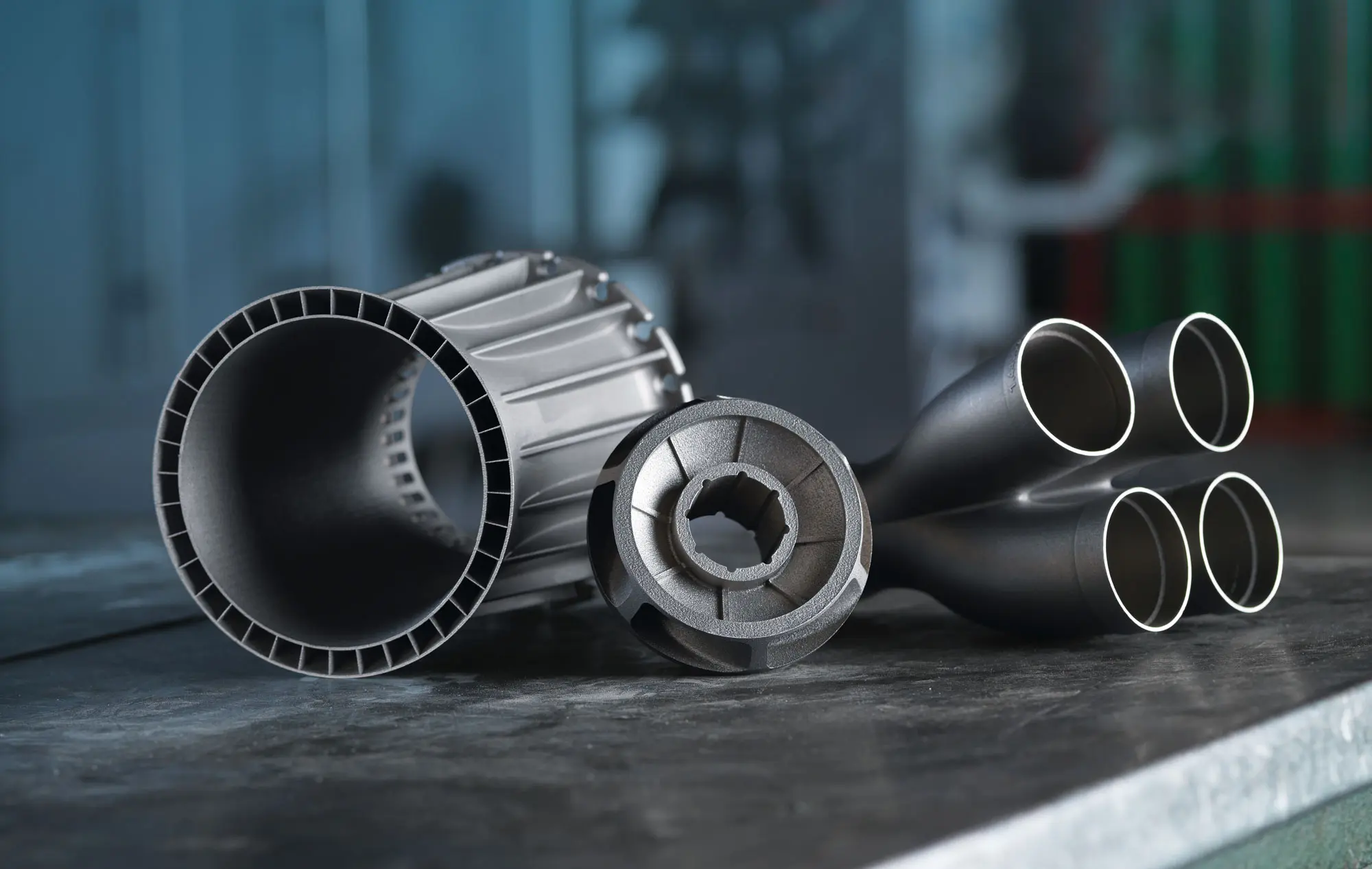
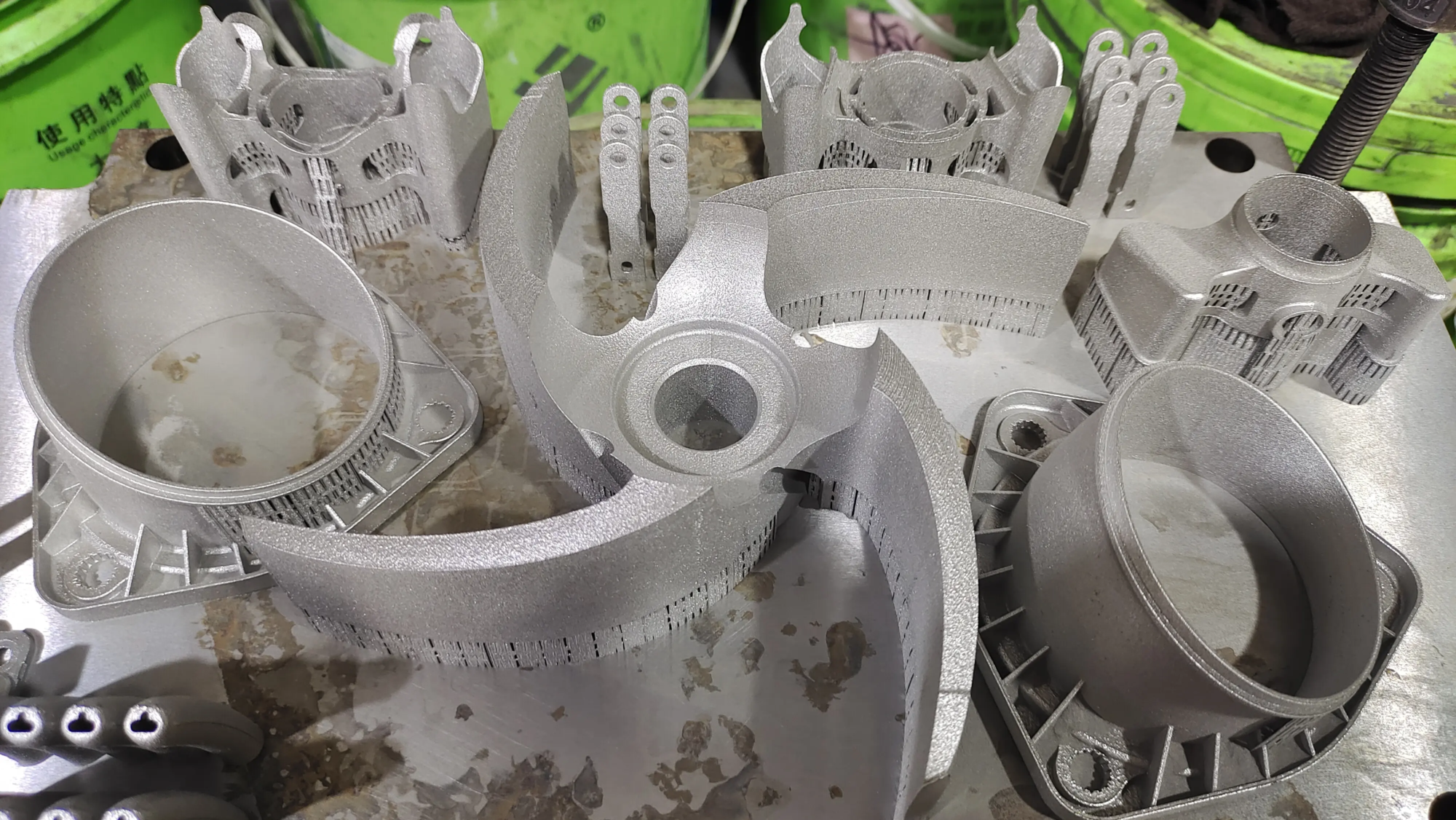
- SLM (selective laser melting) technology: Laser-melted metal powder enables a strong internal lattice to absorb shock while achieving over 99% component density.
- Certified materials: From stainless steel (AI 316L) to marine grade titanium, tested for thermal/chemical degradation.
- One-stop engineering support: From topology optimization for weight reduction to CNC milling bolt hole threads, GreatLight handles design refinement and post-processing (HIP processing, polishing, plating) all in one place.
- Functional prototyping: Allows testing of UV resistance of custom covers, torque loading on mounting screws, or electromagnetic shielding of pre-production.
Case: Boutique hotel customized cover project
A Hong Kong hotel group commissioned a bespoke store cover with a textured lotus pattern to coordinate with the décor. Requirements: Matte black titanium finish, IP54 splash proof, tamper-proof screws hidden. Juguang delivers:
- Iterate: Printed and tested 3 design versions within 72 hours.
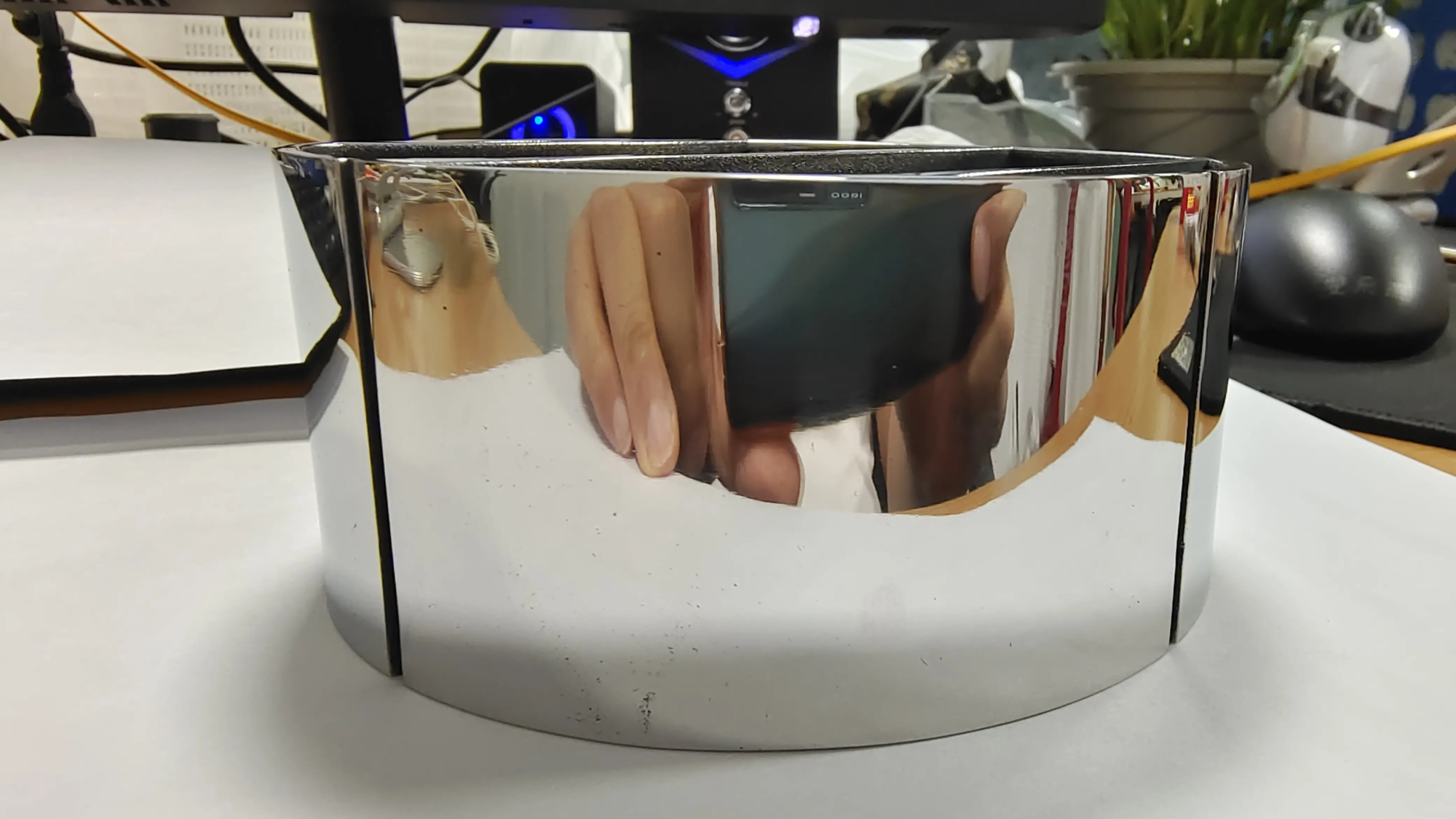
- finishing: Chemical etching to amplify the texture, followed by black nitride plating.
- result: 200 pieces shipped within 10 days. Estimated cost savings compared to traditional tools: $12,000.
Don’t Compromise: Common Pitfalls
- Ignore the need for plating: Unfinished metal will oxidize/stain. GreatLight’s passivation/anodization ensures longevity.
- Static design documentation: Simulating wall panel warping under thermal stress can prevent field failures.
- Overlook Certification: GreatLight provides FCC audit compatible Material Data Sheets/TCTs.
in conclusion
The printed export cover symbolizes how additive manufacturing is democratizing hardware innovation. However, materials science compliance separates viable products from dangerous experiments. Whether you’re prototyping a decorative fixture for a construction project or designing an industrial-grade enclosure, work with a certified rapid prototyping expert to ensure safety. GreatLight combines SLM proficiency with safety-focused design to transform custom visions into specification-compliant realities.
FAQ: Printing Socket Covers via Metal 3D Printing
Q1: Can I legally use DIY printed outlet covers?
one: Commercial installations require UL/CE/IEC certification, which DIY methods lack. Professionally printed/tested validated parts ensure compliance.
Q2: Is aluminum a better material than plastic?
one: For durability and insulation stability? Absolutely. However, plastics such as ULTEM (PEI) meet flame retardant specifications for special uses. GreatLight provides recommendations based on dielectric/datasheet analysis.
Q3: What is the price range for metal printed covers?
one: Custom prototypes start at approximately $32/piece for less than 50 pieces (since no tools are required). Volume discounts are available for orders over 200 pieces.
Question 4: How thin can the walls/features actually be?
one: SLM enables reliable wall thicknesses of approximately 0.3 mm – critical for complex lightweight designs.
Q5: Why trust Huilite instead of the domestic prototype center?
one: In addition to unparalleled speed (5-day FAST48 production tier for quotes ≥100 pieces), GreatLight’s ISO 9001 certified QMS verifies aerospace-grade quality without the markups common with EU/US suppliers.
Ready prototype outlet covers designed for aesthetics and Safety? Quote your designs now: GreatLight leverages China’s manufacturing scale to serve global innovators.