The evolution of ghost masks: How 3D printing is revolutionizing an ancient craft
In Japanese folklore, oni masks symbolize demons or trolls – guardians of hell with ferocious expressions designed to ward off evil spirits. Traditionally hand-carved from wood or made with lacquer, these masks have long been a cultural icon in festivals, plays and ceremonies. Today, technology is reinventing this ancient art form. Enter 3D printing: A revolution in modern craftsmanship that democratizes design complexity and precision while respecting tradition.
Digital design renaissance
The making of ghost masks begins in the digital realm. Using CAD software offers an unparalleled degree of freedom—enabling customizations unimaginable with manual methods. Designers adjust corners, teeth and expressions with pixel-perfect precision, ensuring symmetry, a notorious challenge in hand-carving. The open source platform offers downloadable templates, but the truly unique designs come from custom digital engraving. For example, engineers at GreatLight use topology optimization algorithms to strengthen structural weak points without sacrificing aesthetics, which is ideal for wearable masks that require durability.
Materials: From PLA to Titanium
Material selection greatly affects functionality:
- Polylactic acid/ABS: Lightweight and colorful, perfect for cosplay or decoration.
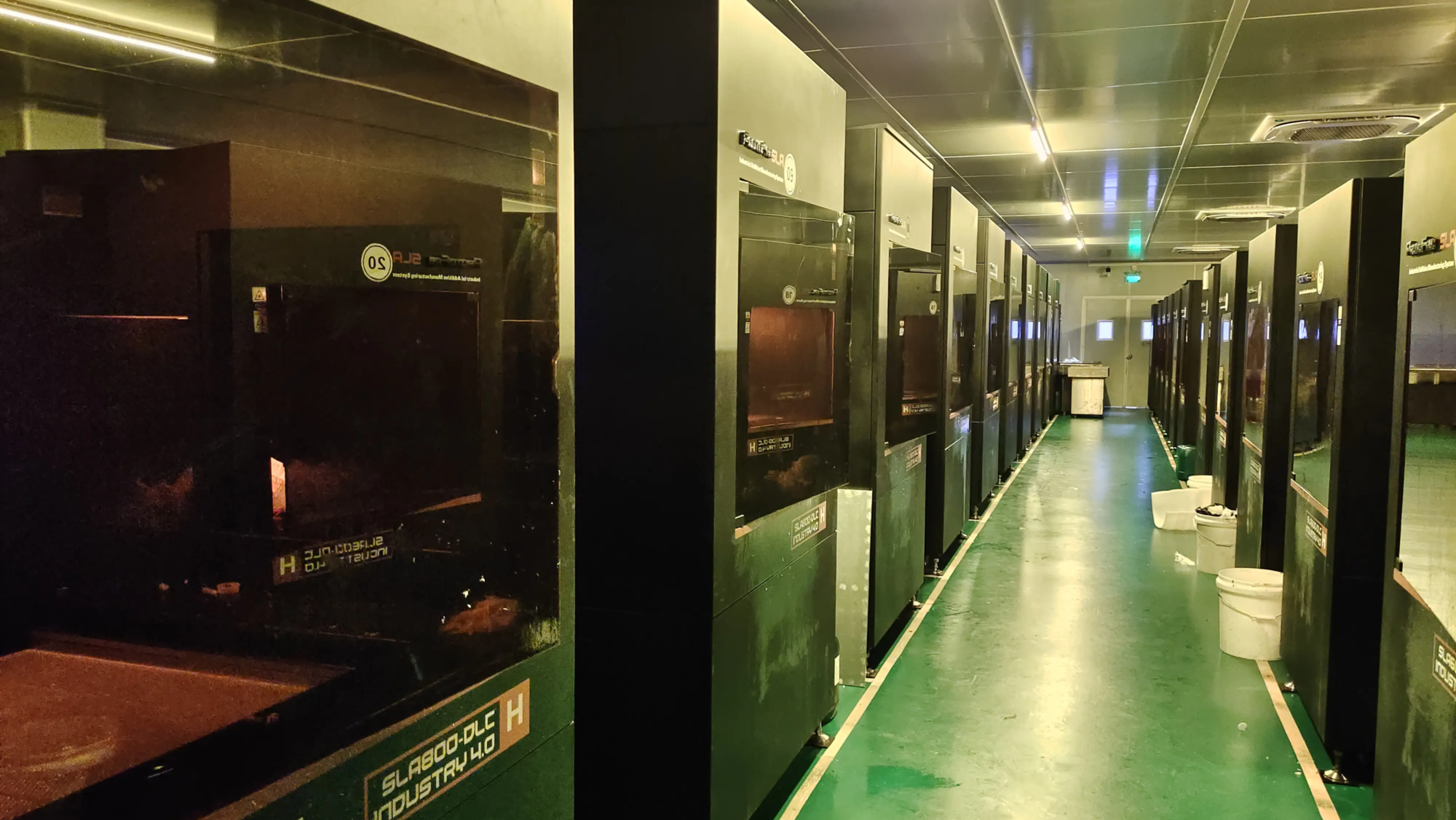
- Resin: Capture complex textures (such as wood grain or scale) with SLA printing.
- metal alloy: Stainless steel, aluminum or titanium – for permanent installation or high-strength pillars.