Green Frontier: How 3D printing is driving the cannabis revolution
The cannabis industry is no stranger to innovation—from advanced cultivation techniques to cutting-edge extraction methods. Now, a powerful technology is quietly changing another layer of this fast-growing industry: 3D printing. called "printing pot" Revolutionary, additive manufacturing is reshaping the way cannabis accessories, tools, and even cultivation systems are designed, prototyped, and produced. This isn’t just a matter of novelty; it’s unleashing unprecedented levels of customization, efficiency, and creativity.
Beyond glass and clay: democratizing cannabis design
Traditionally, cannabis accessories like pipes, bongs, grinders, and storage containers have relied on blown glass, ceramic, or mass-produced plastic. Although these methods are effective, they have limitations:
- Limited customization: Off-the-shelf products rarely reflect individual user preferences or specific functional needs.
- Prototyping costs are high: Developing new, complex designs is slow and expensive, hindering innovation.
- Supply chain bottlenecks: Traditional manufacturing requires high volumes and long lead times.
3D printing breaks that. By building objects layer by layer from digital models, it provides:
- Super customized: Imagine a ring pipe that fits perfectly in your hand, a grinder printed with a custom texture, or a water gun designed with a unique percolation chamber that optimizes smoothness. 3D printing makes personalized cannabis accessories within reach. Users can modify templates or commission custom designs to reflect their style and functional needs.
- Lightning-fast prototyping: Gone are the weeks or months waiting for a mold or prototype. Designers can iterate quickly – tweaking CAD files overnight and printing new versions the next day. This greatly accelerates the innovation cycle.
- Costless complexity: 3D printing excels at printing complex geometries that are impossible with traditional manufacturing. Consider an internal honeycomb structure for filtration, an integrated cooling spiral in the mouthpiece, or a plant-specific hydroponic cloner with an optimized root zone. Complexity does not exponentially increase costs.
- Material diversity: Modern 3D printing technology is suitable for a wide range of materials critical to cannabis applications:
- Food Grade/Surgical Stainless Steel: Ideal for durable, non-reactive components such as grinding teeth, vapor chambers or dab tool tips. (Requires advanced printer such as SLM).
- High performance polymers: Materials such as PEEK or Ultem resist thermal degradation and have excellent chemical resistance, making them ideal for hot parts in carburetors.
- Bio-Based Enhanced PLA: Provides an eco-friendly option for non-heat contact items such as storage jars, plant labels or decorative pieces.
- Heat-resistant ceramics: Perfect for unique pipe bowls or decorative elements.
Where Printed Cans Go: Key Applications
This revolution is manifesting itself throughout the cannabis ecosystem in tangible, impactful ways:
- Smoking and consumer accessories: Custom pipes and bongs with unique percolator designs, ergonomic shapes, personalized logos; low-cost prototypes for new product lines; sophisticated dab rig accessories.
- Precision planting equipment: Custom hydroponic nozzles/emitters optimized for specific nutrient flow; custom plant stands/clips; specialized tool handles; prototype sensor mounts/monitoring equipment.
- Tools and Maintenance Components: Replacement parts for expensive farming machinery (fans, transfer clamps); custom extraction tools; durable hydroponic accessories.
- Branding and Marketing: Quickly print uniquely branded promotional items, pharmacy displays and custom retail fixtures.
The key role of precision and safety: expertise matters
This is where the in-depth discussion comes in. Not all prints are created equal. Marijuana paraphernalia often interacts with heat, smoke/vapor, moisture, or plant material. Material selection, print accuracy and finishing become non-negotiable:
- Material safety: Objects exposed to heat (bowl, downtube, steam path) must Use materials with proven heat resistance and stability. Avoid using questionable cheap plastics – printed parts must be inert and non-toxic at operating temperatures. Metals such as stainless steel remain the gold standard for thermally applied components.
- Precision and finish: Poorly printed surfaces are prone to the growth of bacteria and residue. Smooth surfaces are essential for hygiene and functionality, especially in steam paths or grinder mechanisms. Achieving this requires high-resolution printing and professional post-processing (polishing, smoothing, sealing).
- Structural integrity: Accessories go through cycles of use and cleaning. The print must be sturdy. Metal printing (SLM/DMLS) offers unparalleled strength and durability compared to high-strength polymers.
This need for quality highlights why working with manufacturing experts is critical, especially for metal components or producible parts.
Enter GreatLight: Your Precision Partner for Rapid Prototyping
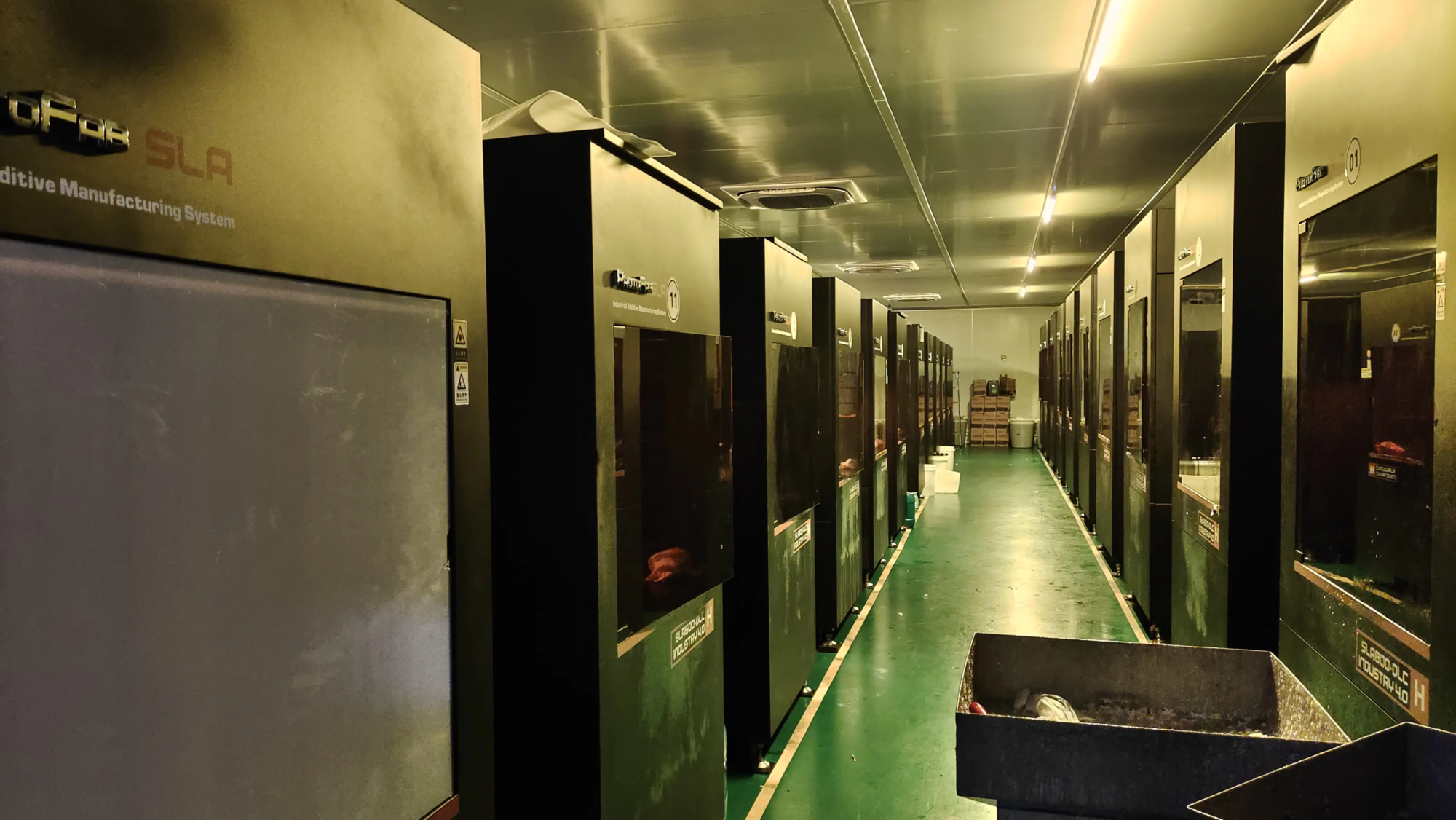
Navigating the complexity of high-quality 3D printing requires specialized equipment and deep expertise. where is this huge light Sparkling. As a professional rapid prototyping manufacturer, Gretel has:
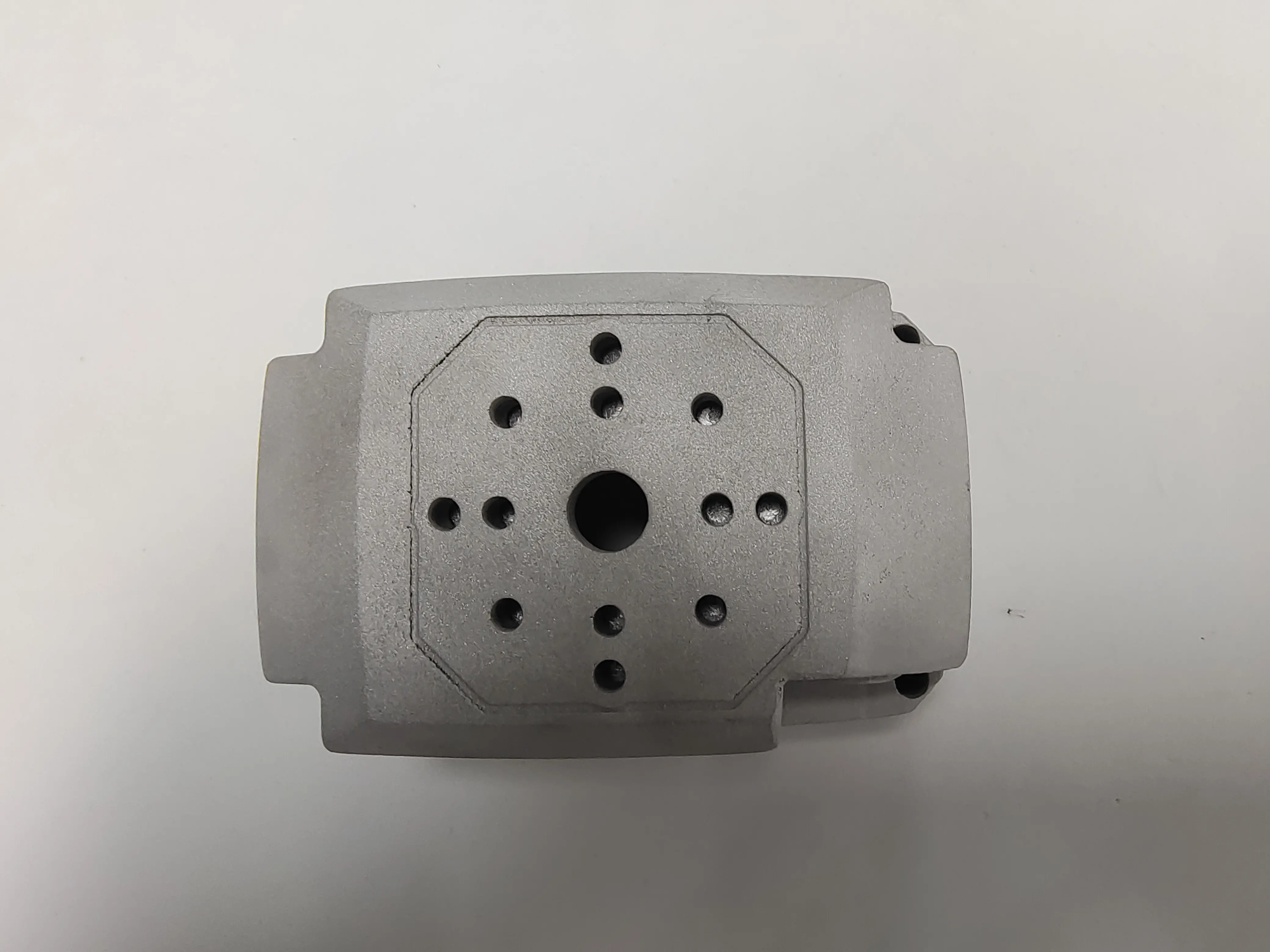
- Cutting-edge SLM technology: Utilizing advanced Selective Laser Melting (SLM) metal 3D printers, the company is able to produce extremely dense, strong and complex stainless steel, titanium and other alloy parts – ideal for demanding cannabis accessories.
- End-to-end solution: In addition to printing, GreatLight offers comprehensive One-stop post-processing and finishing services. Sandblasting, heat treating, precision machining, complex polishing – ensuring your prototype or end-use part meets precise specifications and surface quality requirements.
- Material Versatility: Most materials can be sourced, from high-strength metals to engineering plastics custom made to meet the unique needs of your cannabis project.
- Speed and reliability: Focus on solving Rapid prototyping of metal parts Resolving issues quickly and efficiently, GreatLight understands industry timelines.
- China’s cost advantage: as one of the leaders Rapid prototyping company from ChinaGreatLight provides superior quality at a competitive price.
Whether you’re a cannabis entrepreneur prototyping a revolutionary vaporizer component, a grow tech company in need of custom hydroponic components, or a designer creating branded accessories, GreatLight has it all Precision machining Quick turnaround is critical to success in this fast-paced market.
Conclusion: Sowing seeds for the future of printing
this "printing pot" Revolution is more than just a gimmick. 3D printing represents a fundamental shift in the way cannabis products are conceived, developed and manufactured. It enables unparalleled customization, accelerates innovation, unlocks complex functional designs and streamlines production. From custom consumer accessories to precision-engineered cultivation systems, additive manufacturing is cultivating a greener, more personalized and technologically advanced cannabis landscape.
While desktop printers offer convenience to hobbyists, creating strong, safe, production-ready components (especially metal) requires expertise and